TQC Micromotor
TQC Micromotor
TQC Micromotor
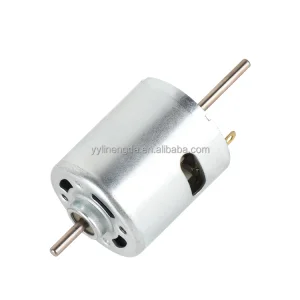
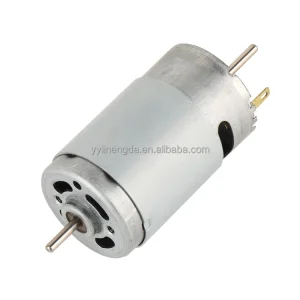
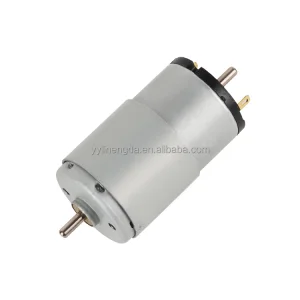
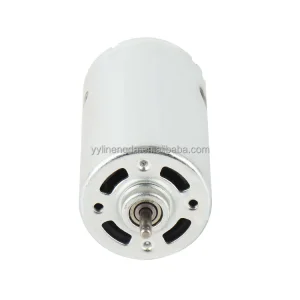
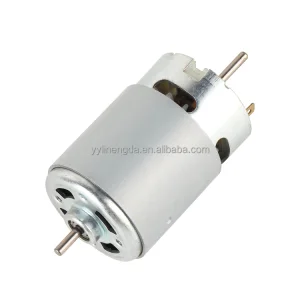
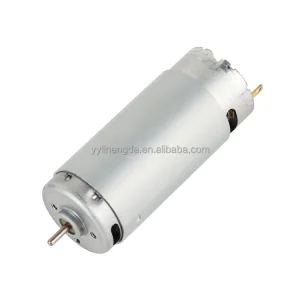
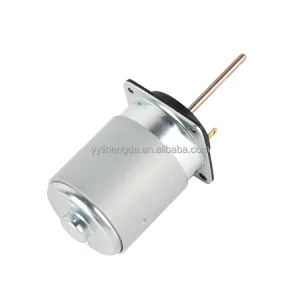
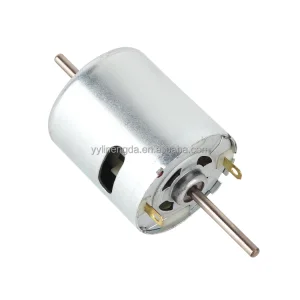
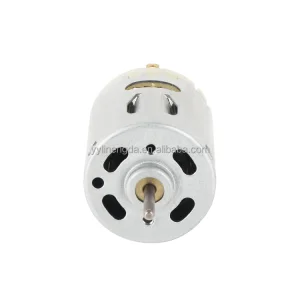
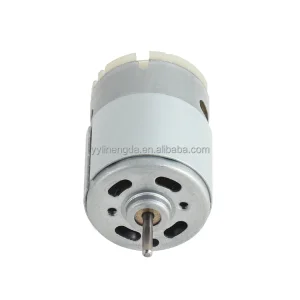
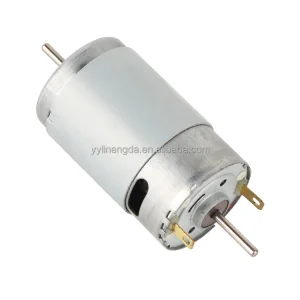
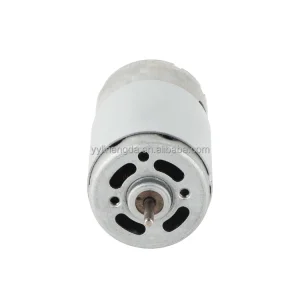
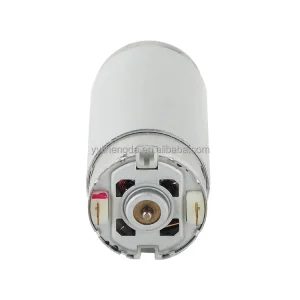
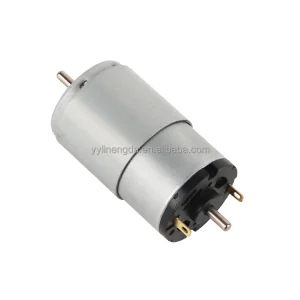
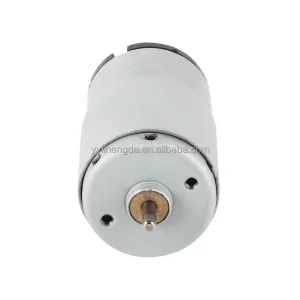
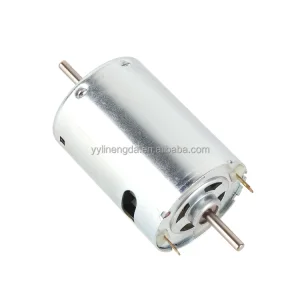
Our core product range showcases unmatched efficiency, customizable voltage curves, and durable brush configurations optimized for high-altitude operating parameters in Mexico City. Below are the primary configurations deployed by our regional partners.
Mexico City (CDMX) and its surrounding industrial hubs, including the Valle de México, Estado de México (Toluca, Tlalnepantla), and the nearby Bajío corridor (Querétaro, Guanajuato), have transitioned into one of North America's most critical epicenters for high-tech manufacturing, automotive assembly, and medical device development. Due to the massive wave of global nearshoring, international OEMs are setting up advanced manufacturing sites within Mexico City’s borders. This shift has created an exponential demand for robust, reliable, and highly customizable miniature drive systems. Among these, the Micro Brushed DC Motor remains the premier engineering choice for engineers seeking high startup torque, linear speed-torque control curves, and superior cost-to-performance ratios.
Unlike brush-less alternatives that require complex and expensive electronics, brushed DC motors provide an elegant simplicity that reduces failure points in critical hardware. In the automotive component manufacturing plants of Estado de México, micro brushed motors power window lifters, motorized side mirrors, headlight adjusters, and electronic seat adjustments. In Mexico City's metropolitan area, where commercial real estate and domestic automation are booming, these micromotors are the silent powerhouses behind smart electronic locks, automatic window blinds, high-end kitchen appliances, and HVAC air damper systems.
As an established global supplier, TQC Micromotor addresses the exact technical, commercial, and logistical criteria that local procurement departments and engineering teams require to maintain their competitive edge in North American and global export markets.
One of the major "information gains" crucial for product design teams working in Mexico City is understanding the localized physical environmental challenges. CDMX sits at an average altitude of approximately 2,240 meters (7,350 feet) above sea level. This high altitude is accompanied by lower atmospheric pressure and reduced air density. For mechanical engineers, these factors have profound implications on the performance and lifespan of brushed DC motors:
Since air density is roughly 20% lower in Mexico City compared to sea-level ports like Veracruz or Manzanillo, convective cooling is significantly less efficient. Motors operating at continuous peak power loads (such as the RS530 or RS650 series) will experience faster temperature rises. TQC Micromotor mitigates this by optimizing the internal magnetic circuit design, applying high-temperature class (Class H or Class F) enameled wire, and offering optional integrated cooling vanes and ventilated end-bells to prevent thermal runaway.
The electrical contact between the carbon brush and the copper commutator relies on a microscopic layer of water vapor and copper oxide to act as a natural lubricant. At high altitudes, the absolute humidity drops, causing this protective film to break down. This results in increased mechanical friction, higher electrical resistance, and increased arcing (sparking) across the commutator segment gaps.
To solve this localized challenge, TQC Micromotor’s engineering team designs custom carbon-graphite and silver-graphite brushes blended with specialized additives (such as lithium fluoride or molybdenum disulfide) that maintain low contact resistance and self-lubricating properties even in dry, thin-air environments.
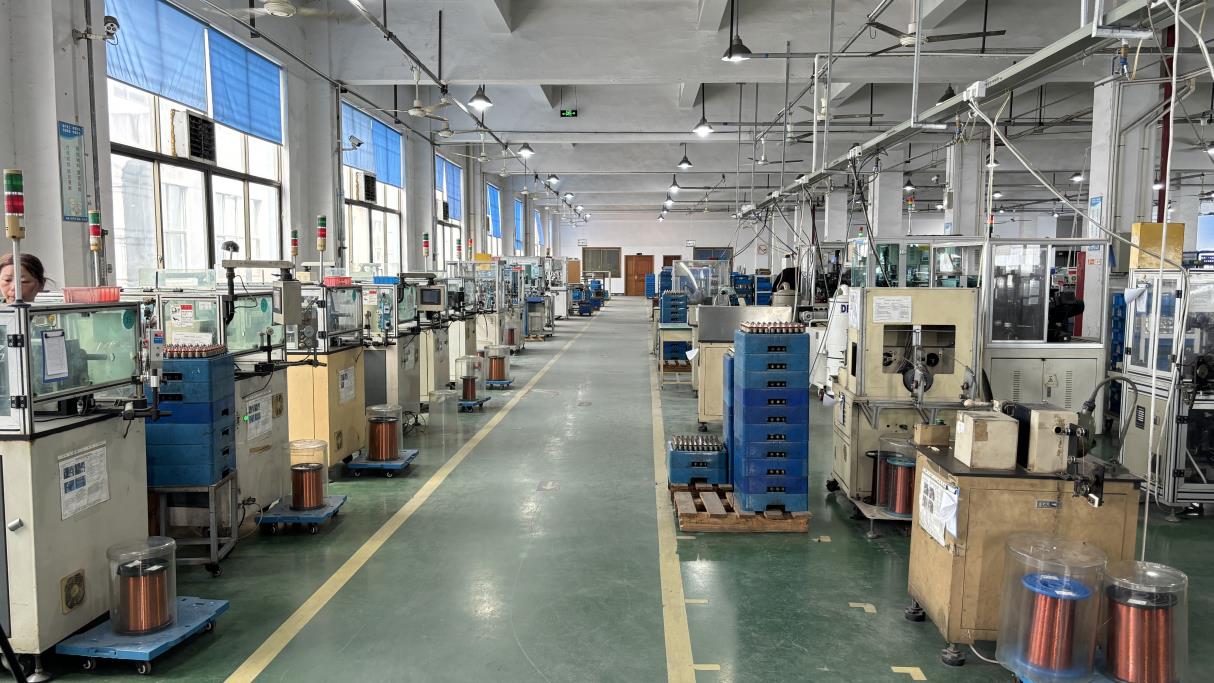
At TQC Micromotor, we believe that global innovation shouldn't be limited by size. For two decades, we have dedicated ourselves to a single, relentless pursuit: designing, engineering, and manufacturing high-performance micro-drive solutions that keep modern industries moving forward. Based in China, we operate a state-of-the-art, ISO9001-certified production facility specializing in Micro DC Motors, DC Gear Motors, and Brushless DC Motors (BLDC).
The name TQC represents our foundational pillars: Top Quality & Customization. We understand that applications like smart home automation, medical devices, automotive electronics, and precision robotics demand uncompromised reliability. That is why every TQC micro motor is built with an exceptional power-to-size ratio, ultra-low noise acoustics, and an extended operational lifespan, backed by strict 100% in-house quality control and international certifications (CE, RoHS, REACH).
We don’t just supply standard hardware; we act as a strategic R&D partner. With a robust engineering team holding multiple industry patents, TQC thrives on solving complex mechanical challenges through flexible OEM/ODM custom solutions. From custom shaft configurations and custom voltage tuning to specialized bespoke gearheads, we turn your technical blueprints into high-volume, cost-effective reality.
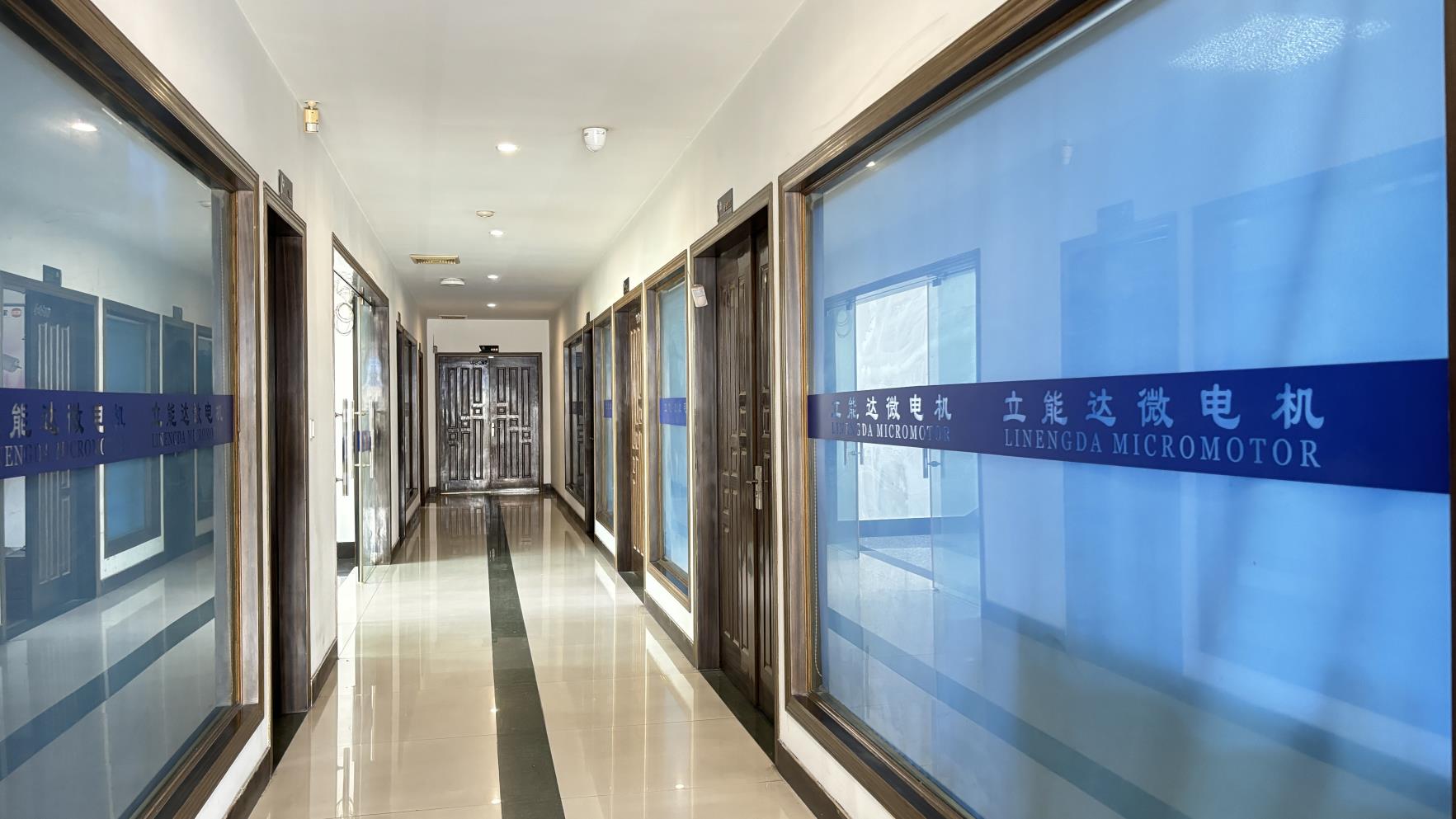
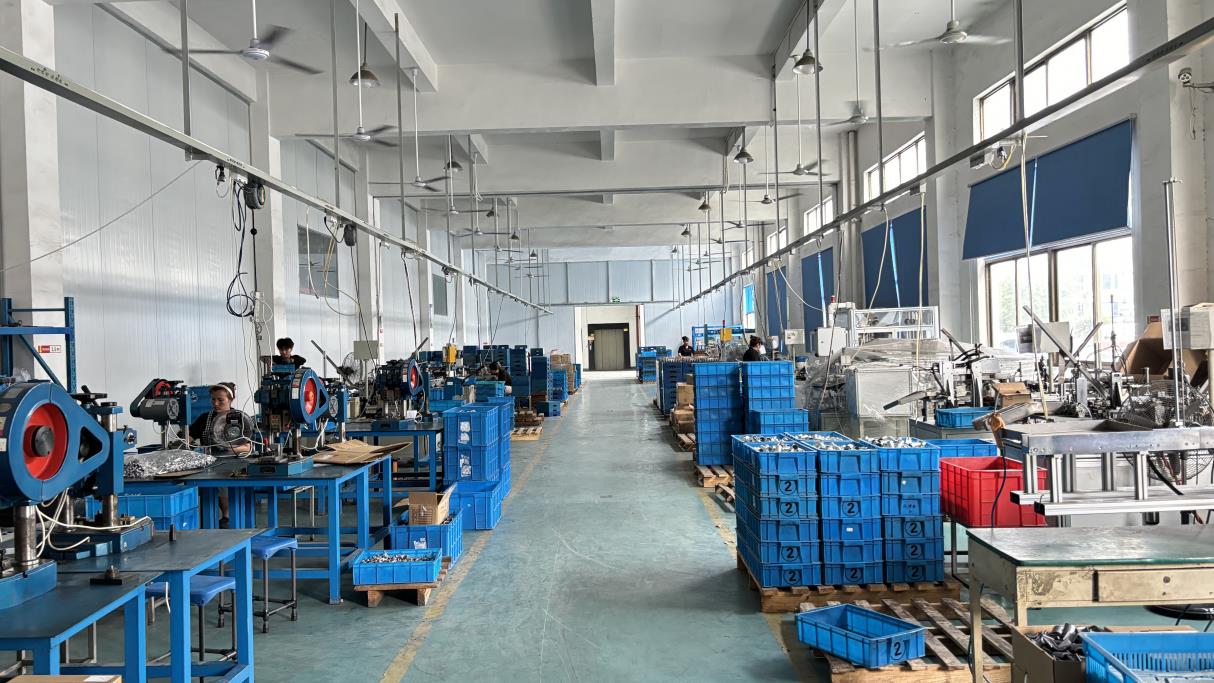
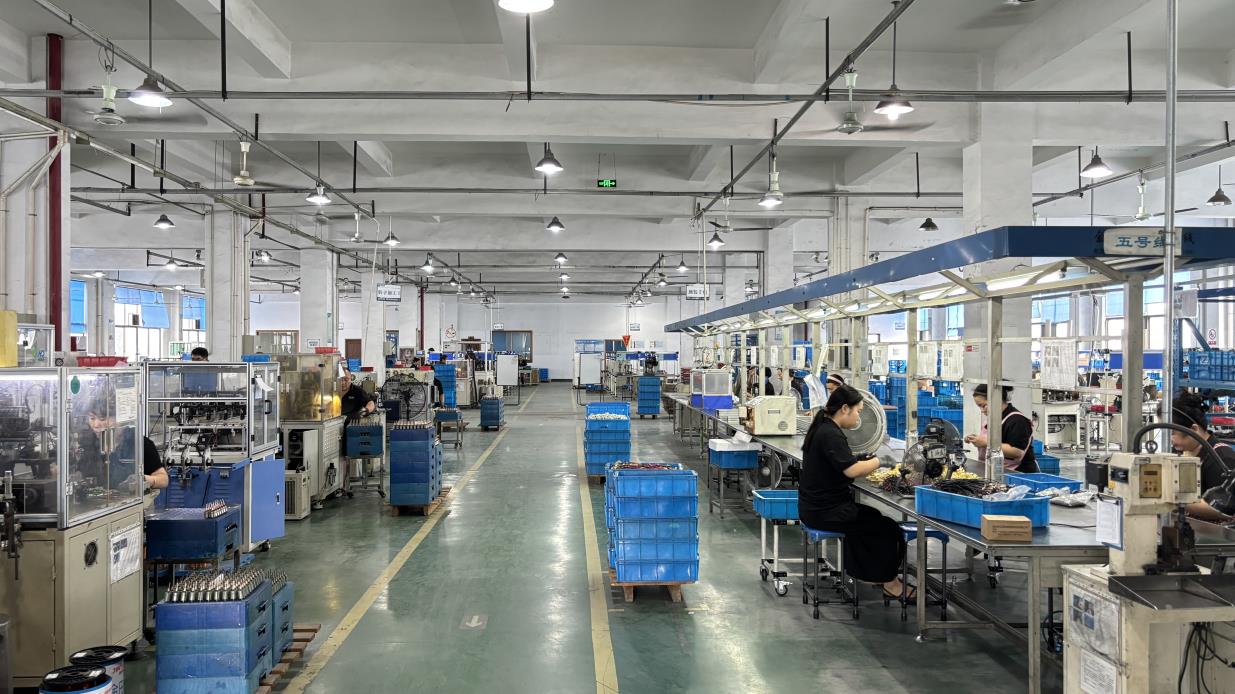
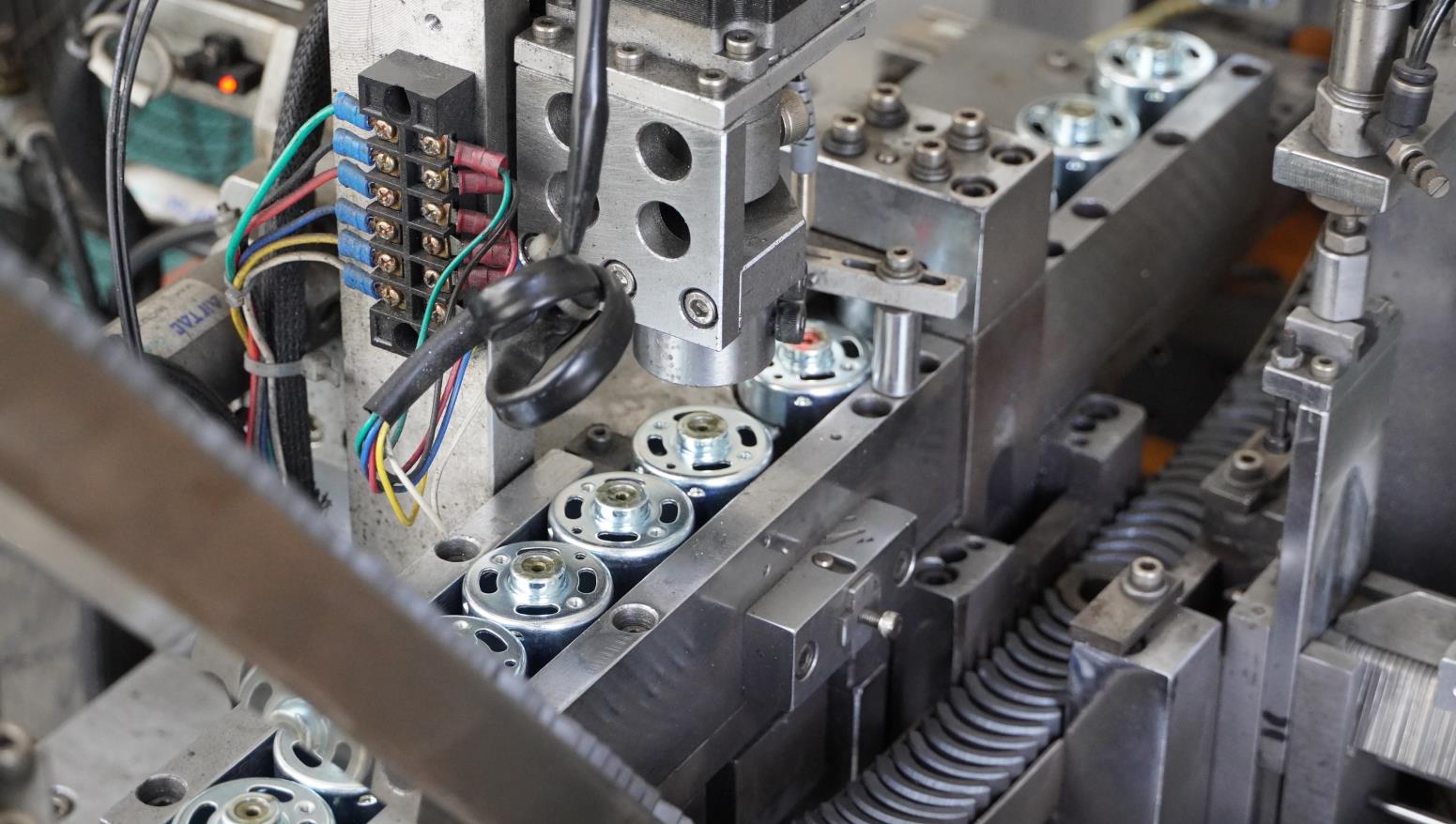
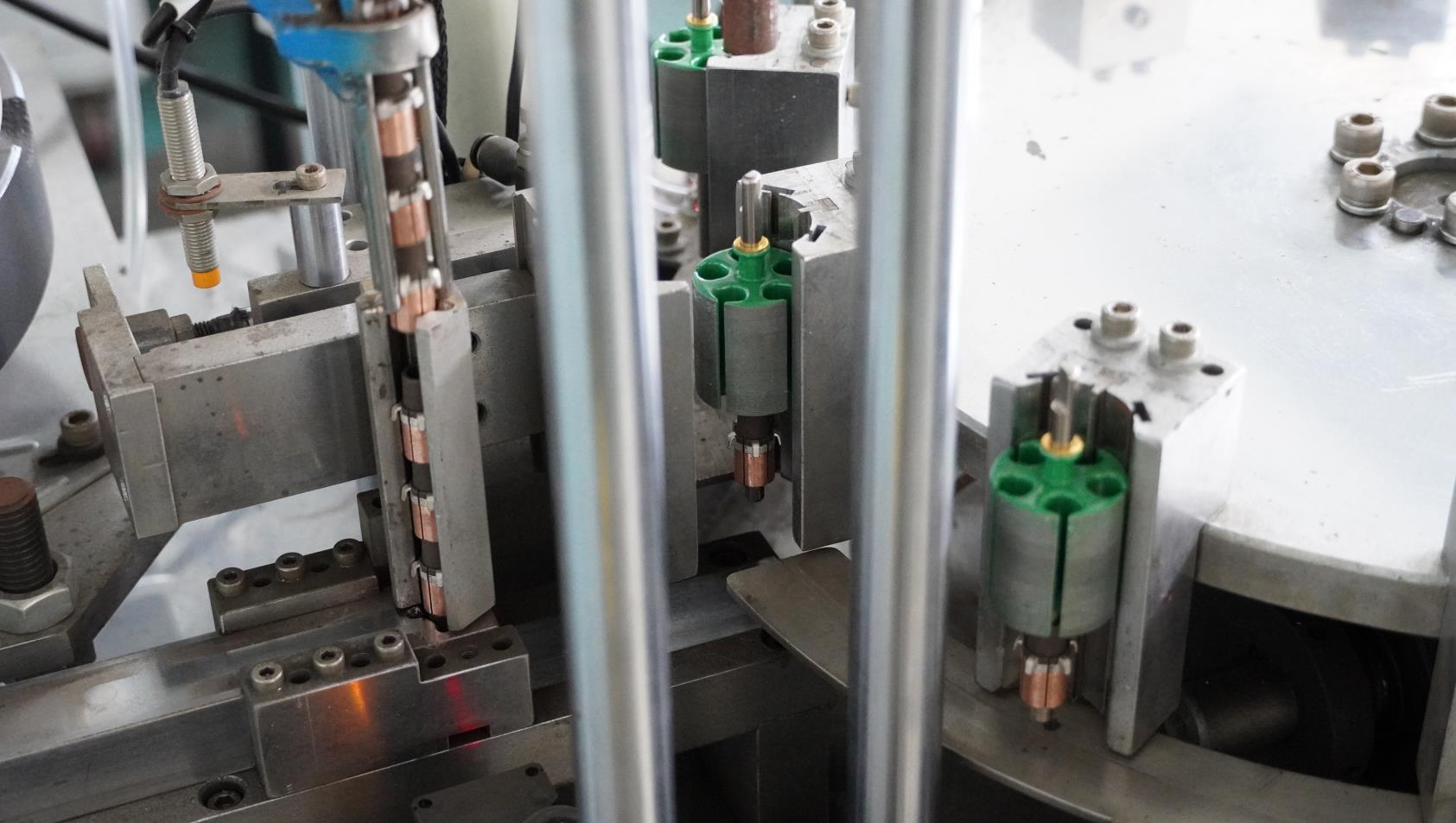
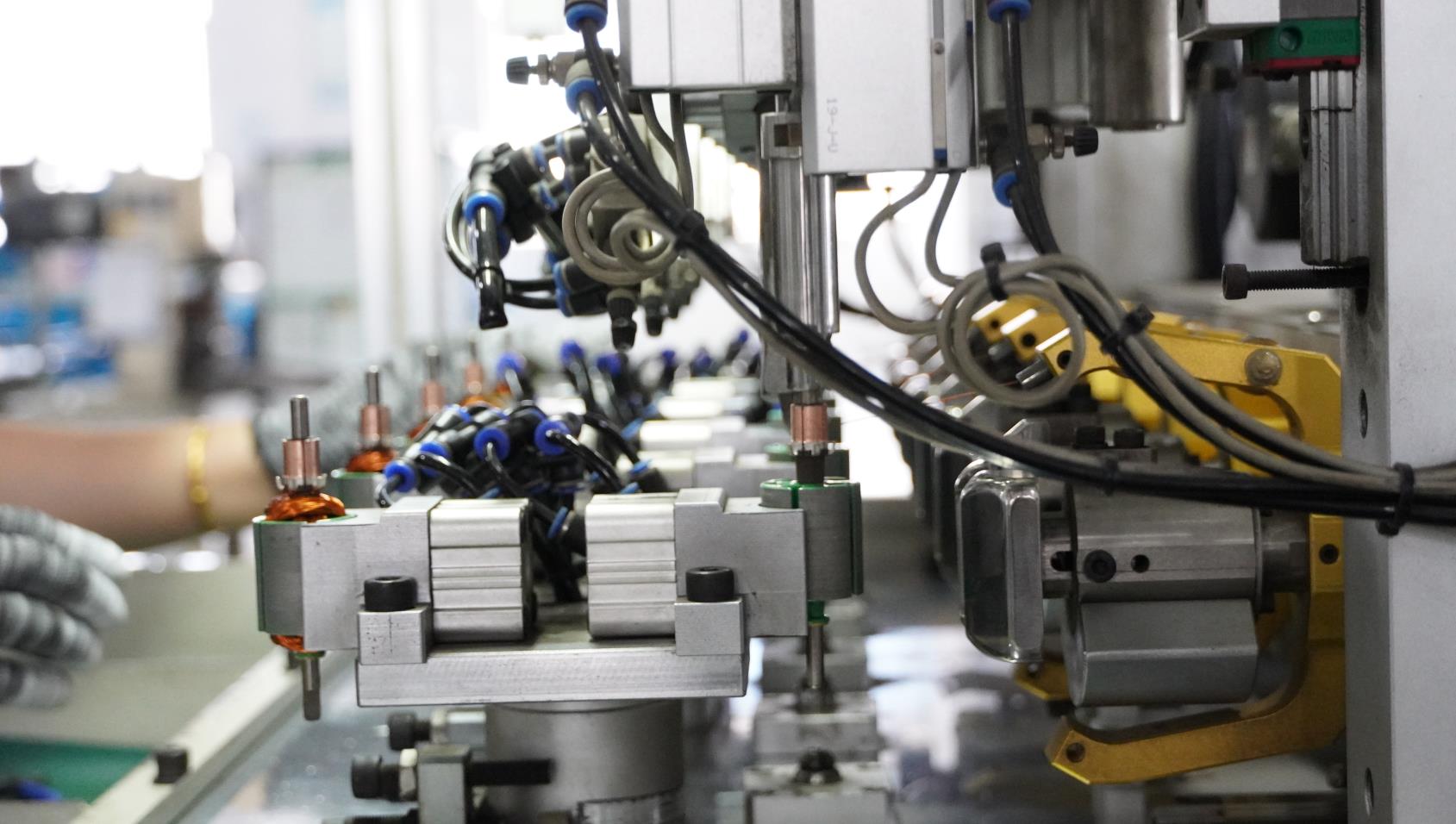
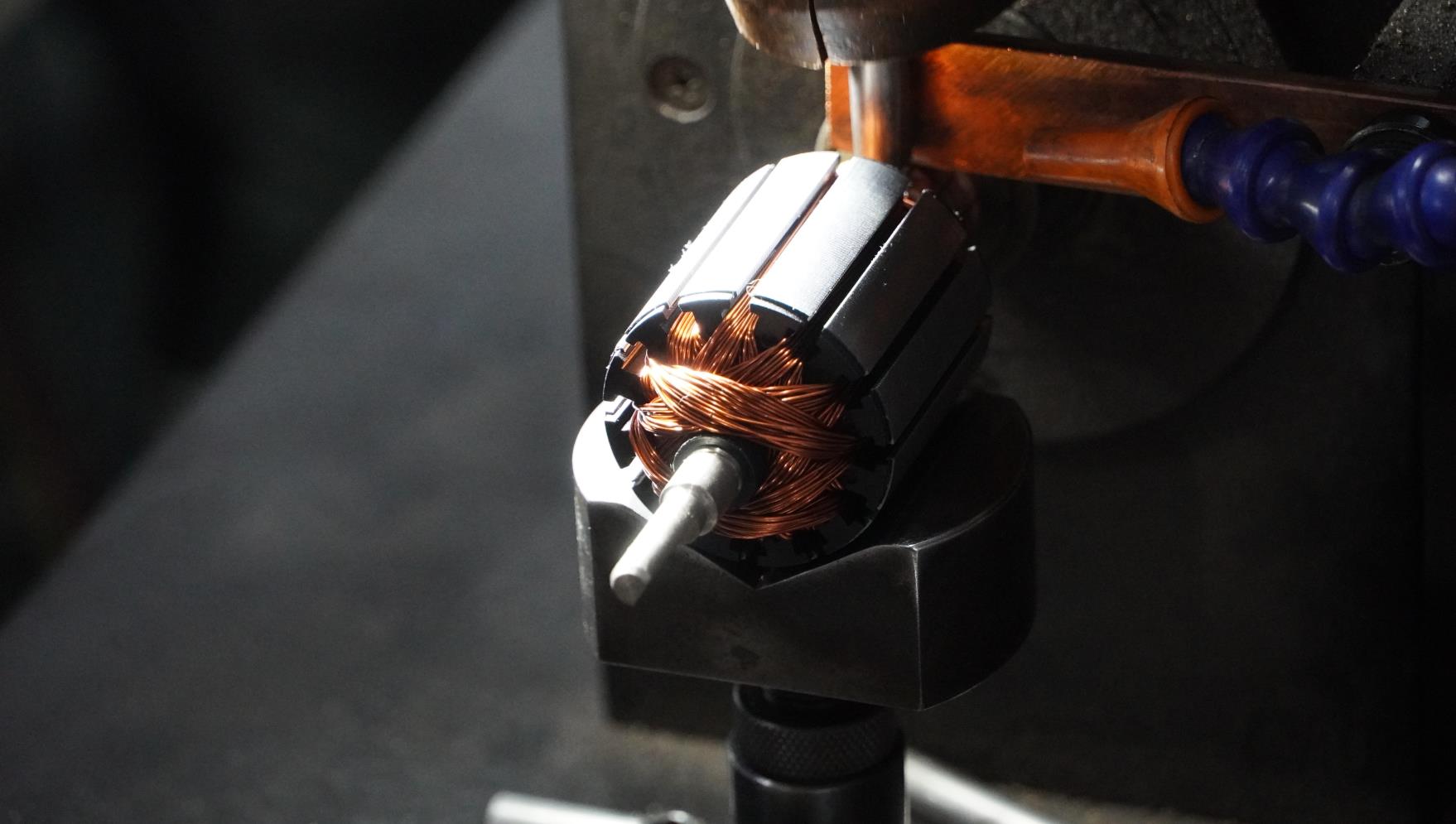
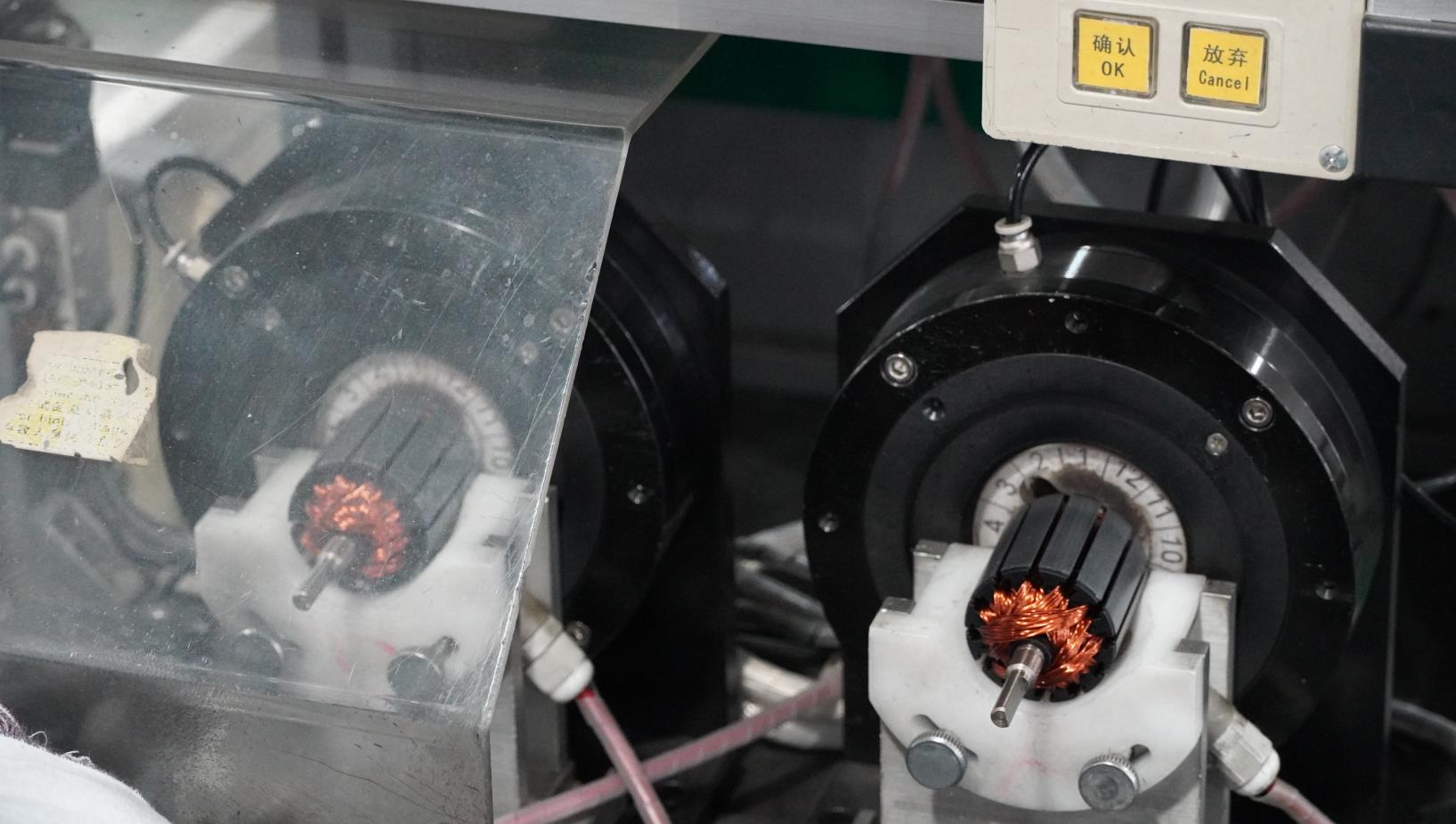
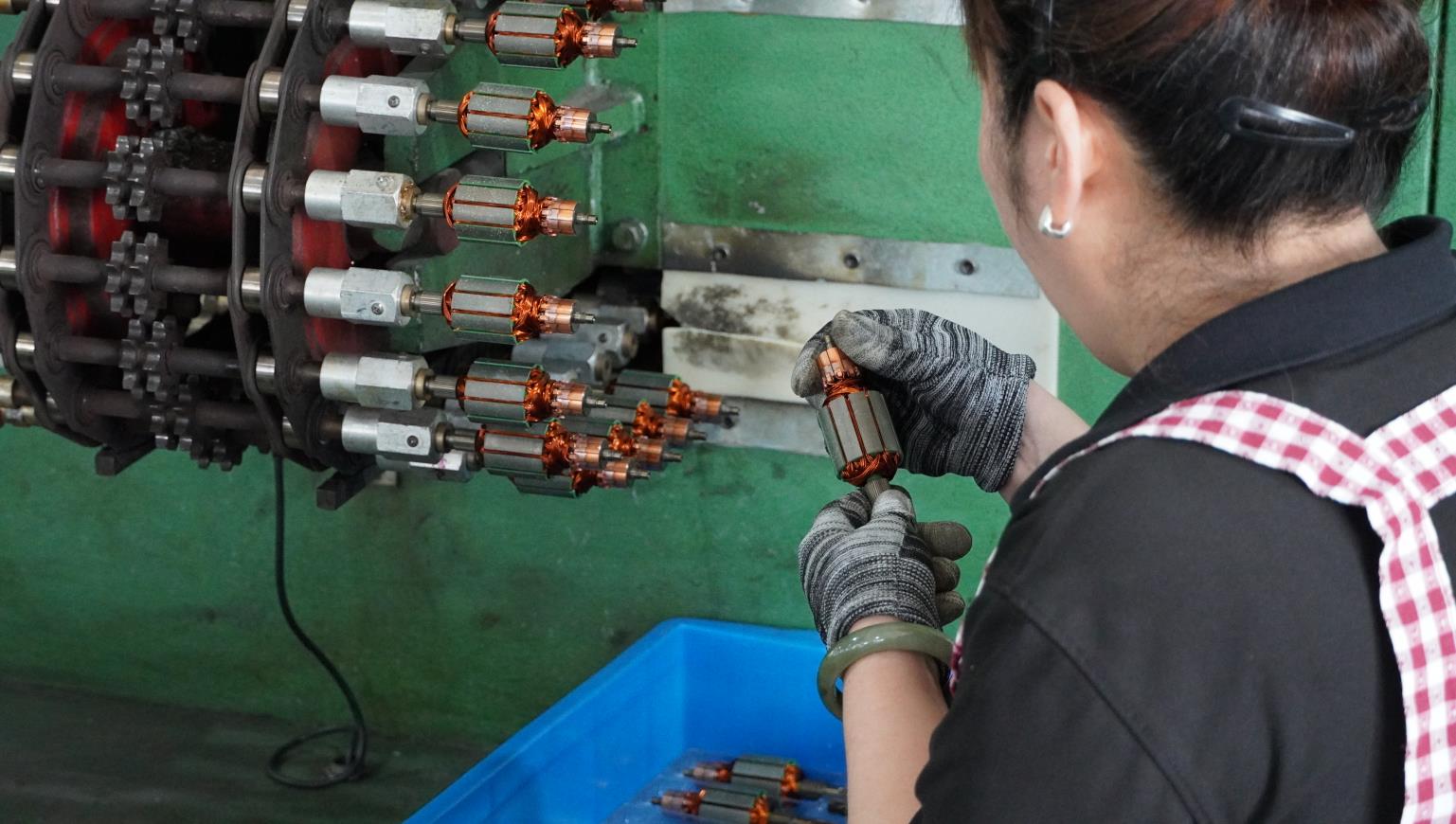
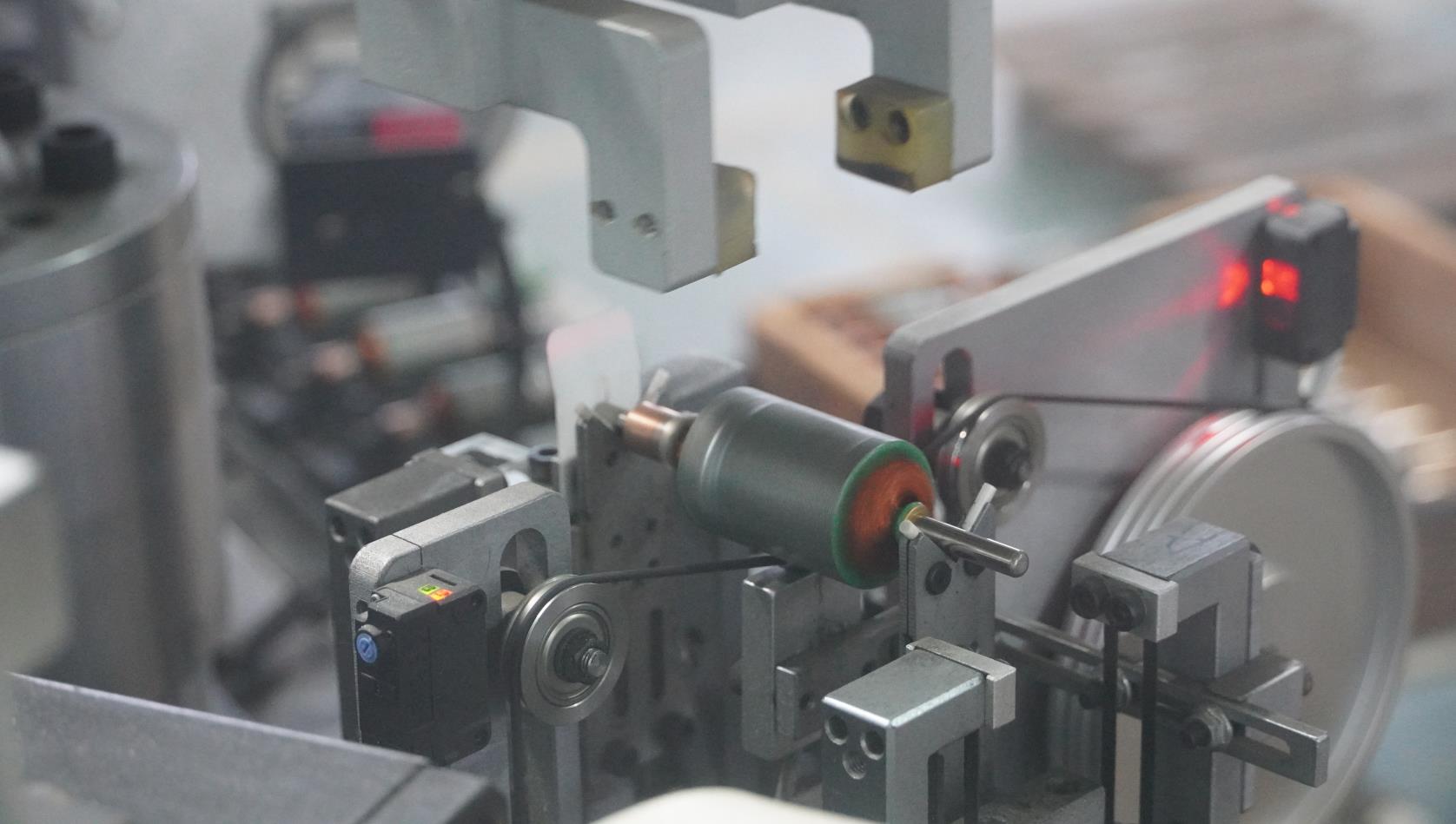
Every production phase is systematically monitored using advanced testing technology. Below is an inside look at our specialized assembly and testing divisions.

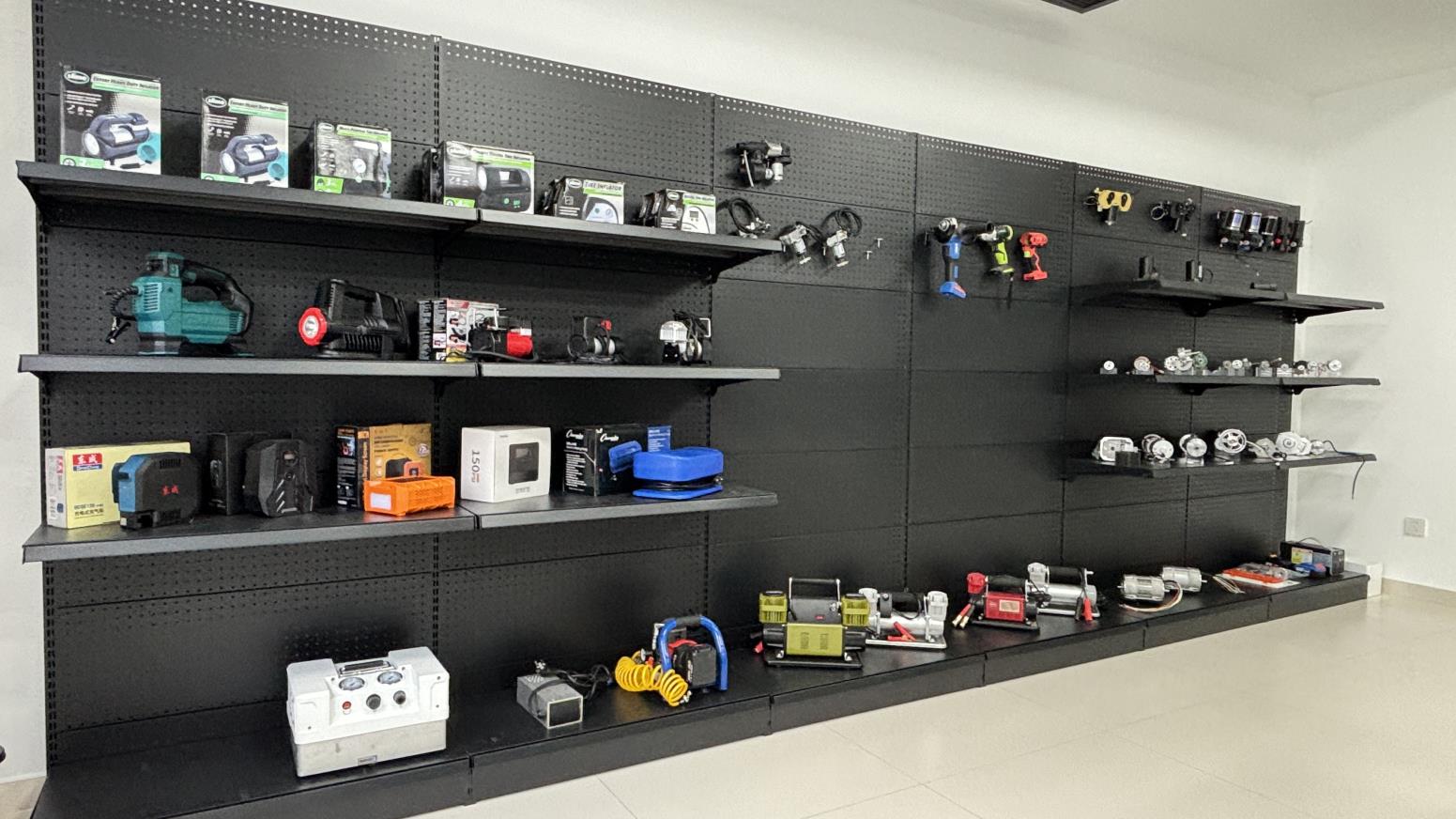
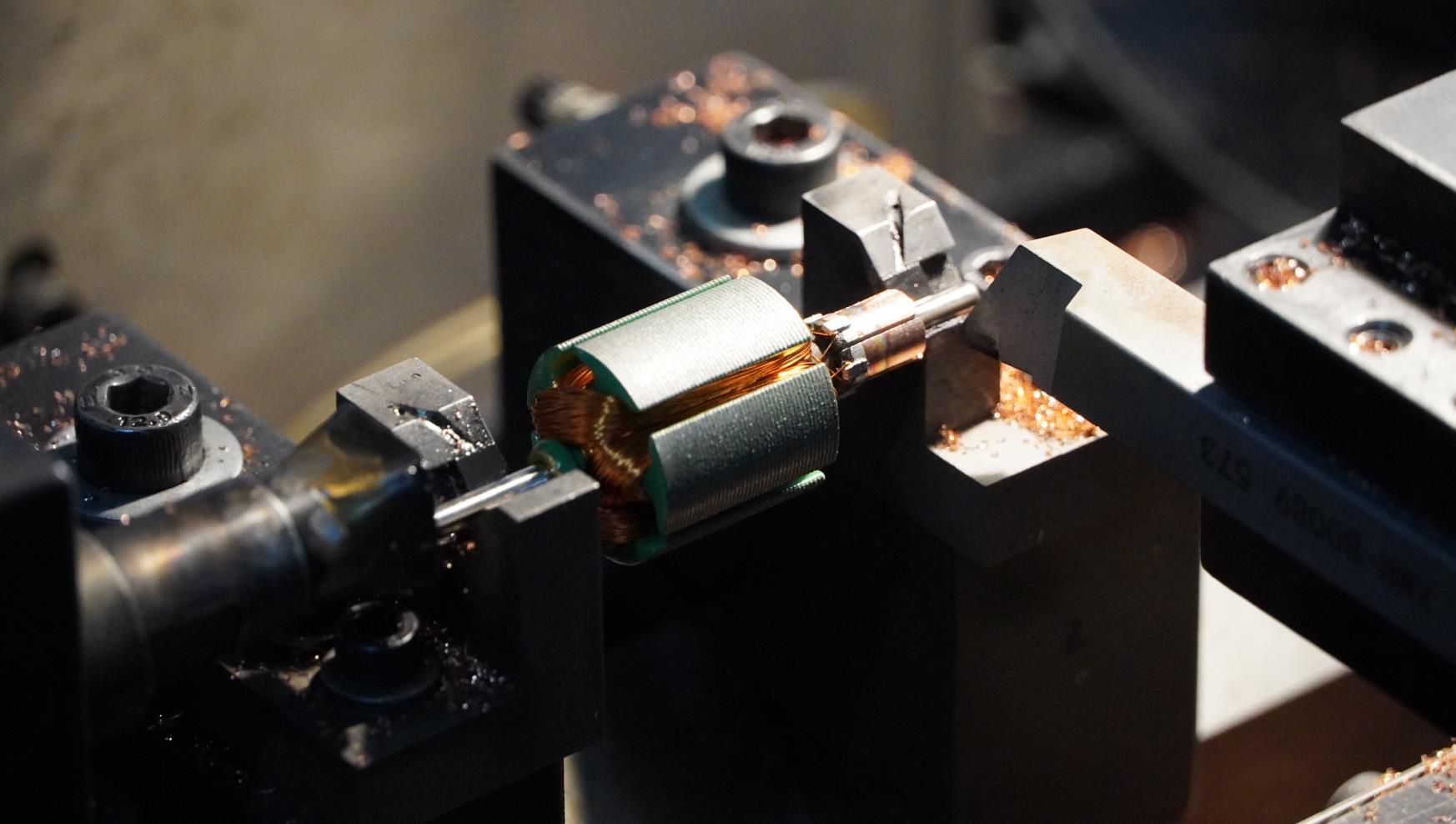
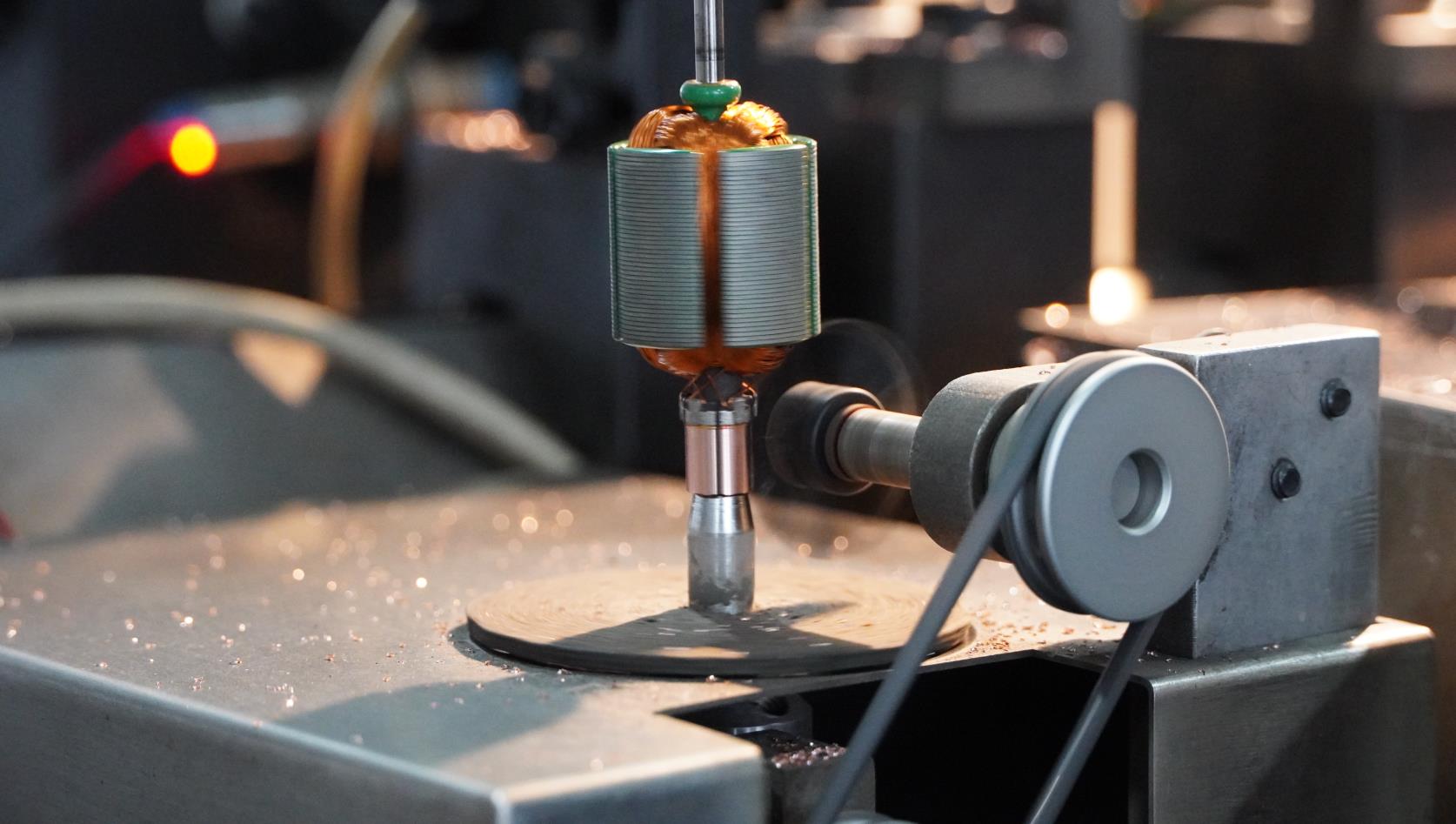
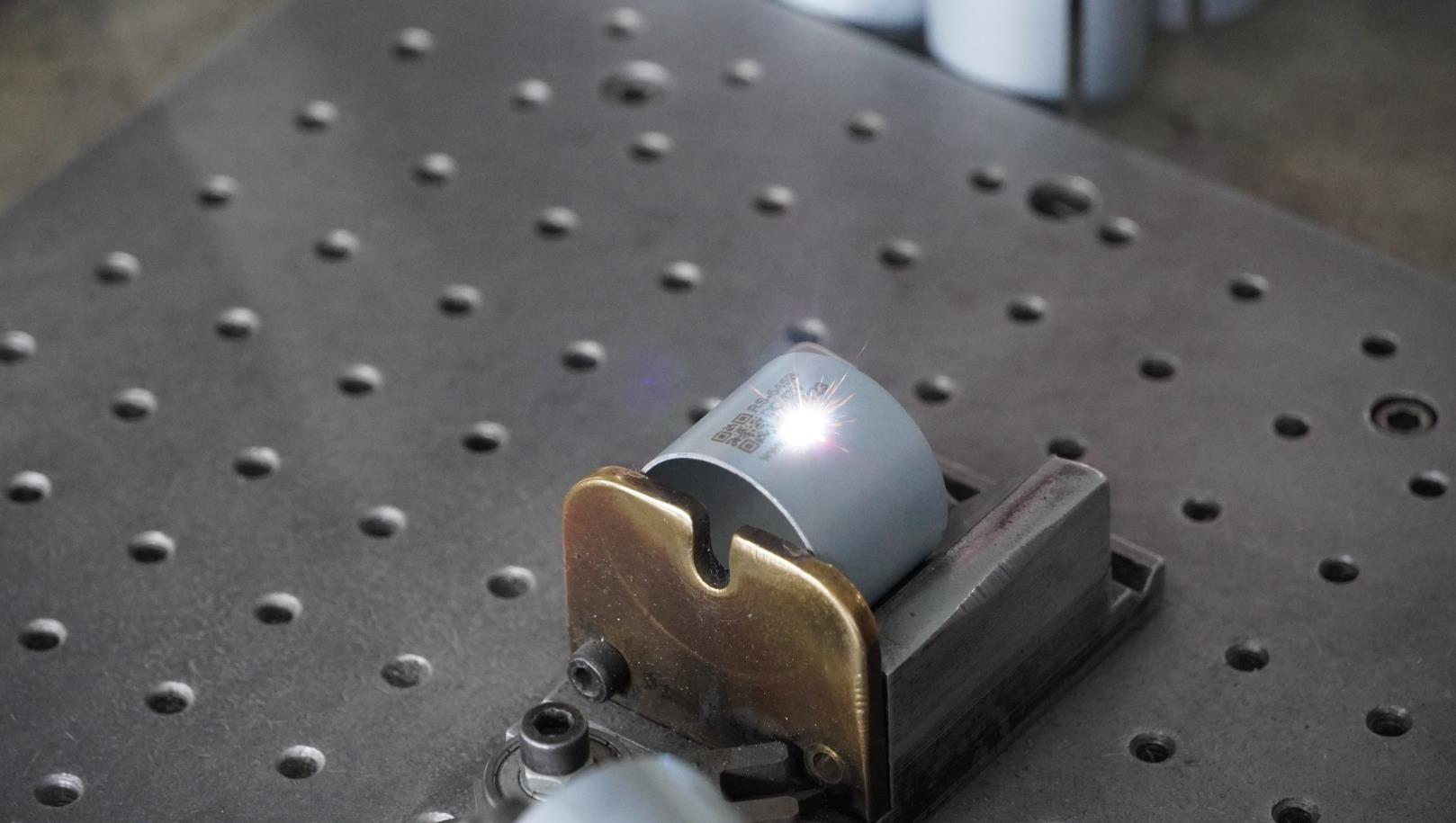
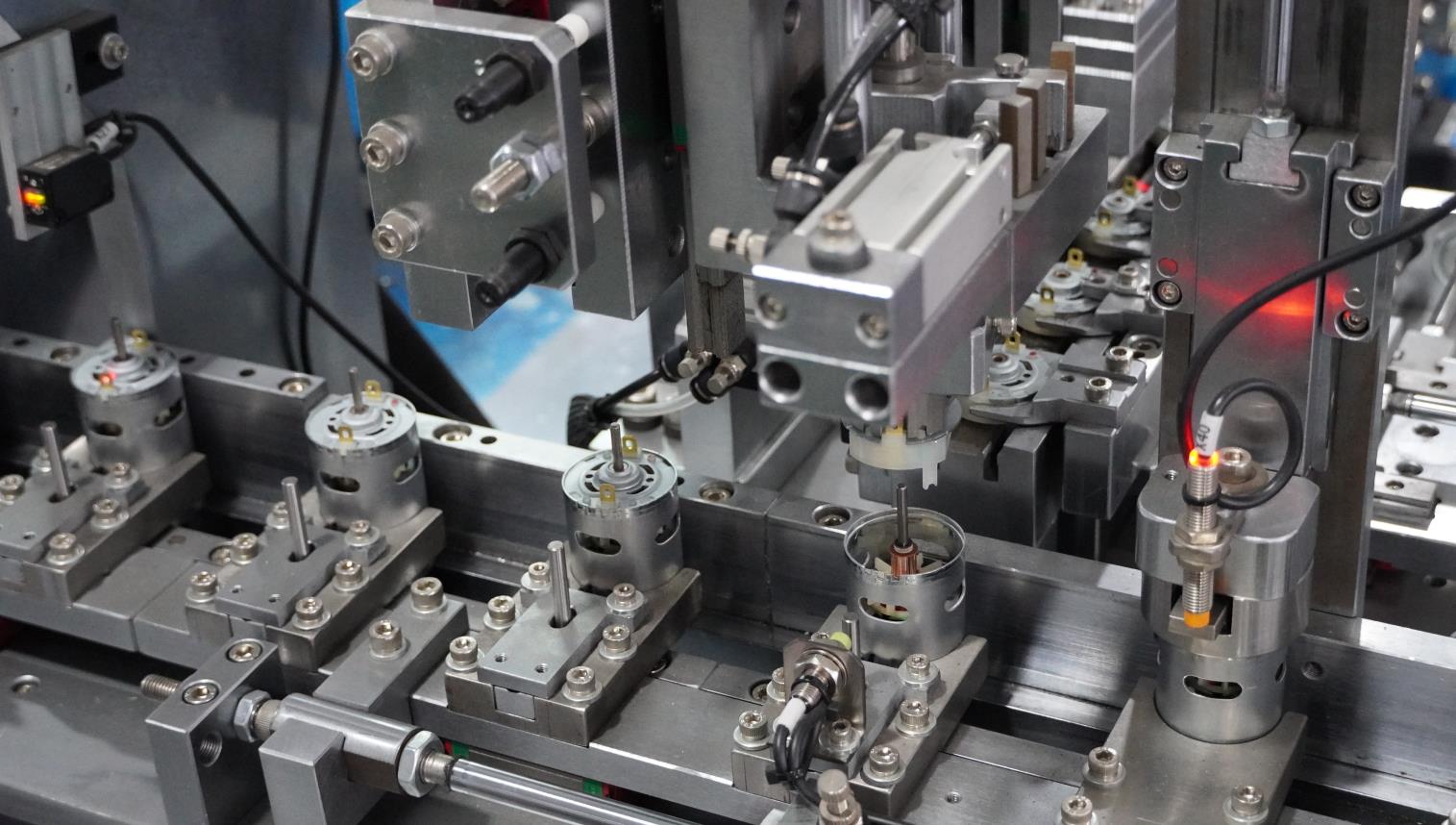
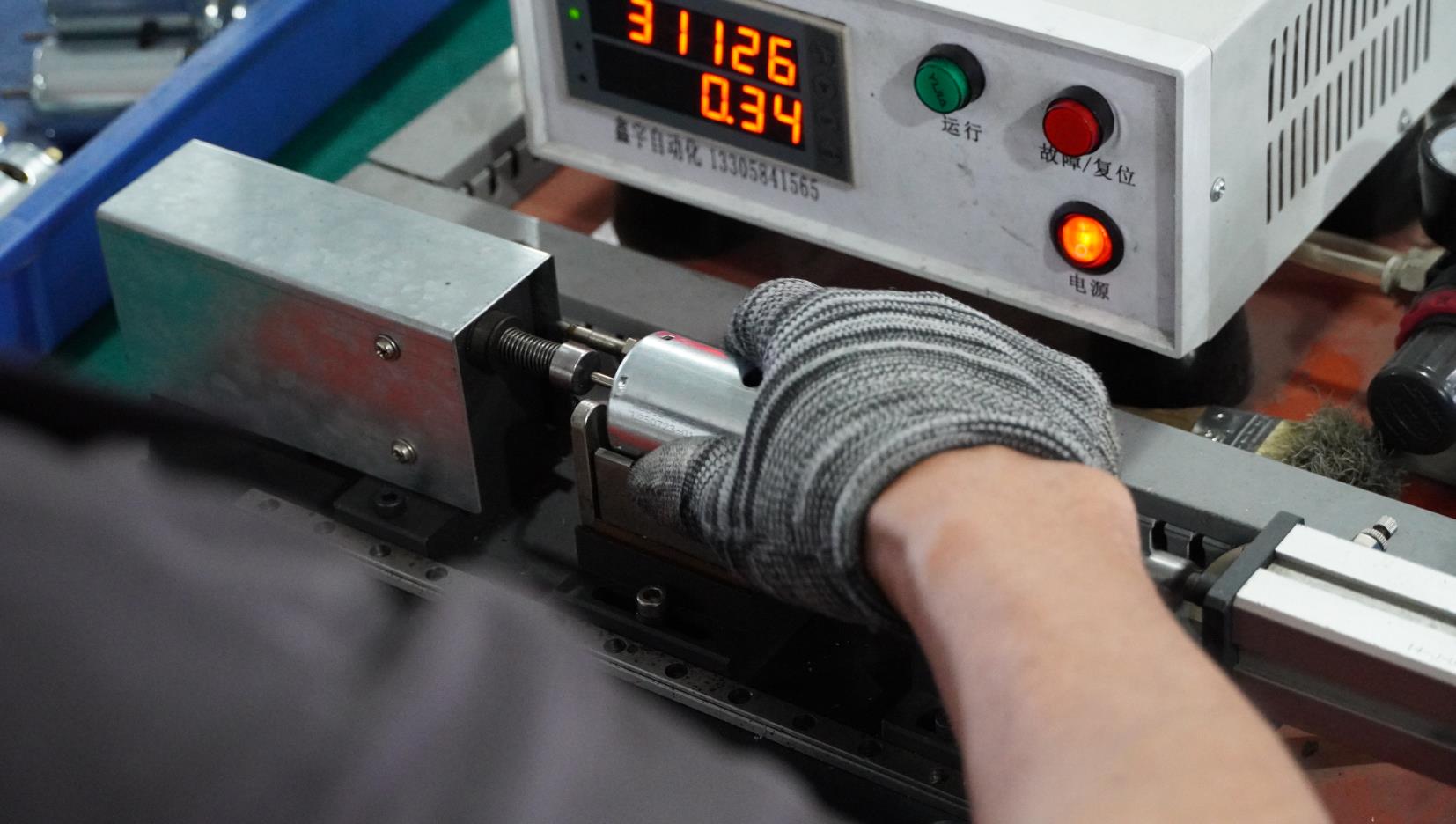
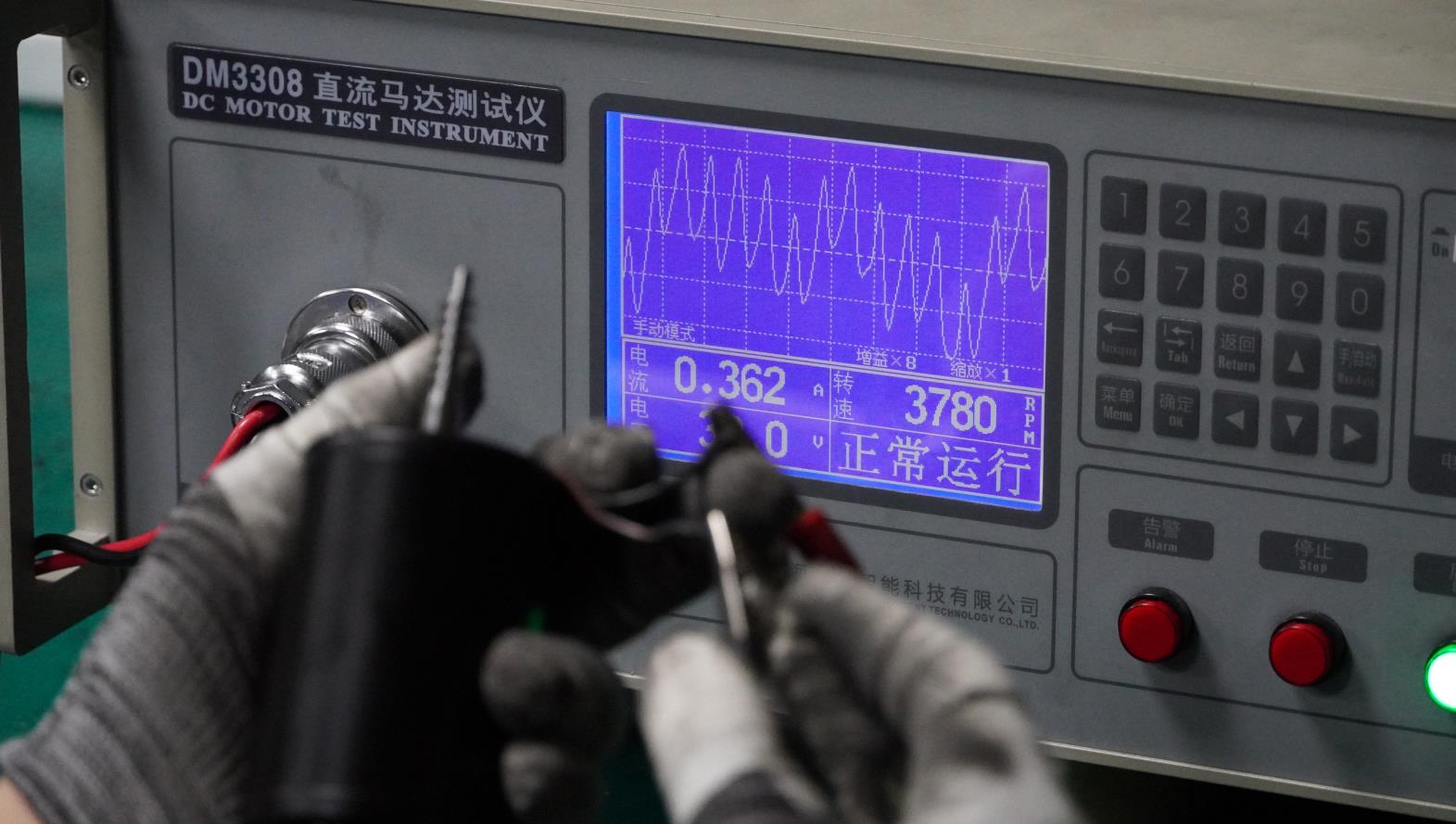
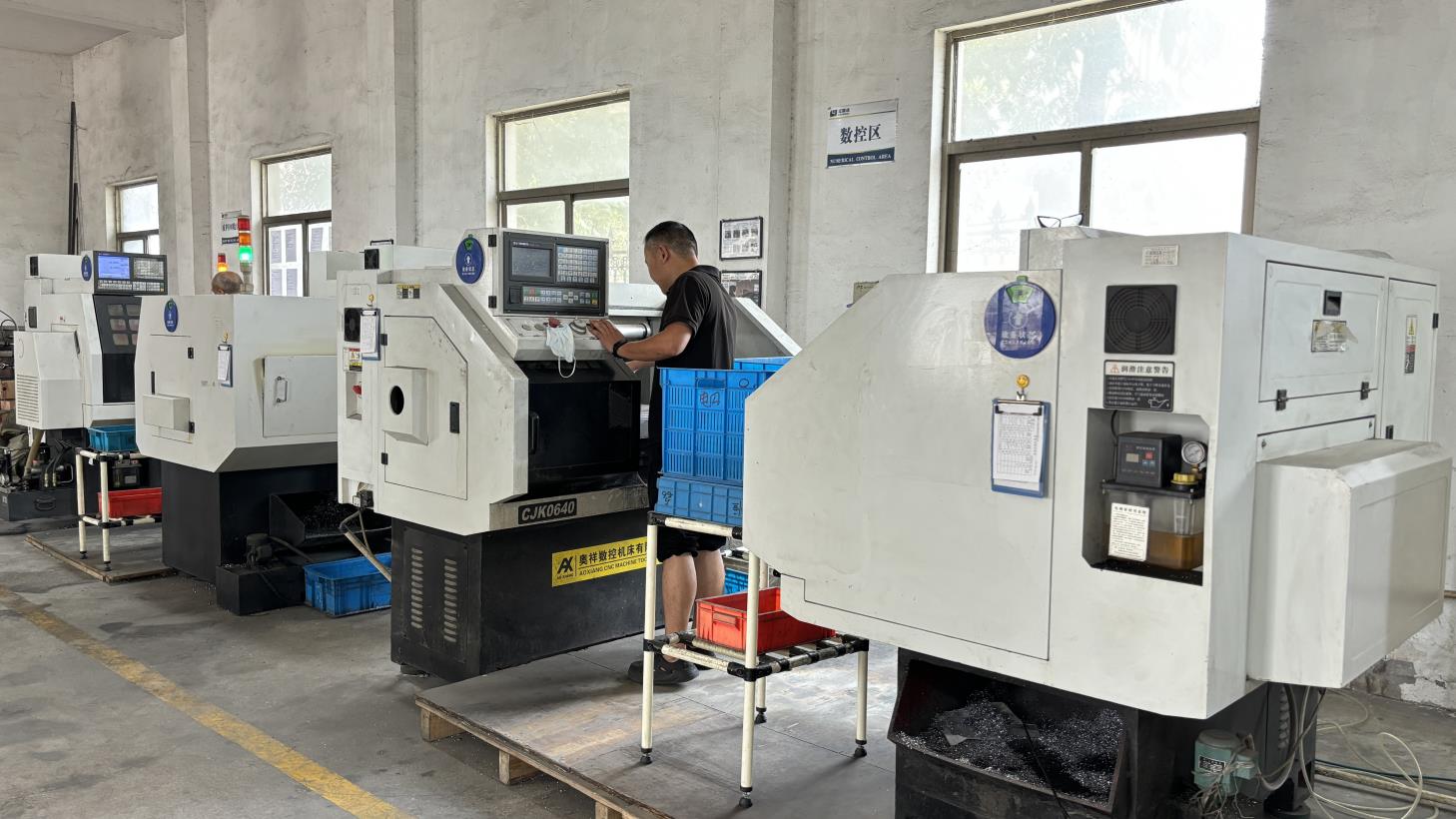
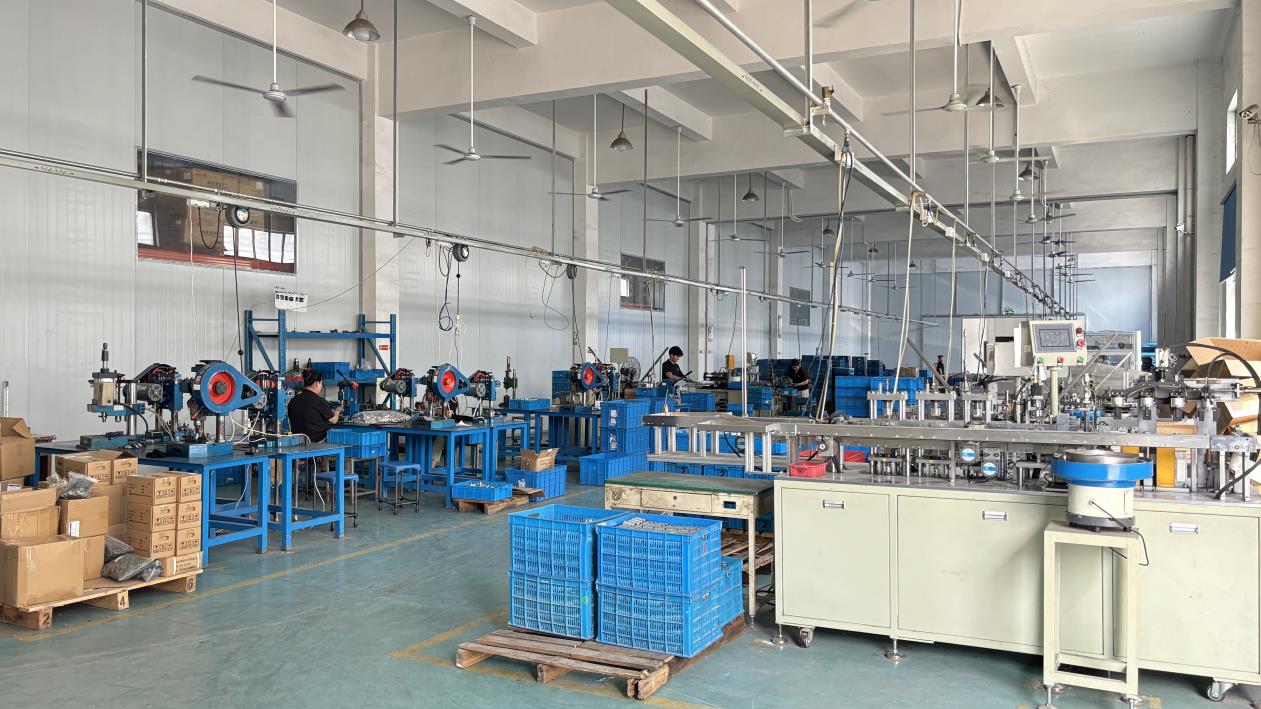
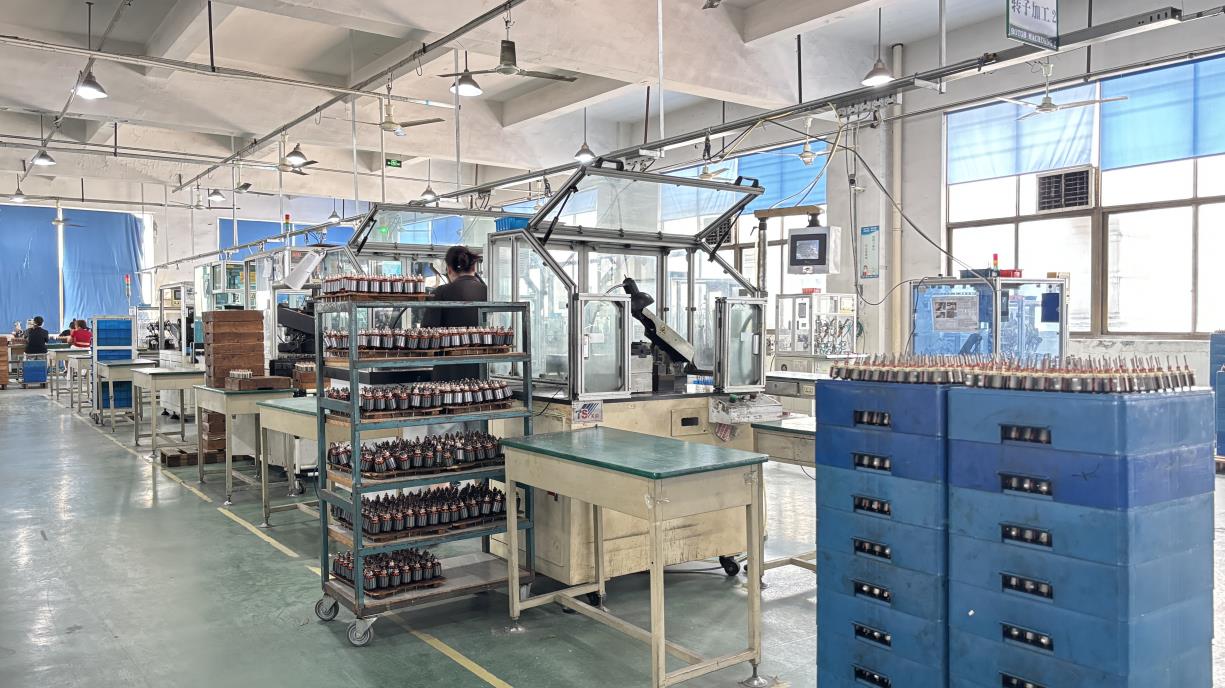
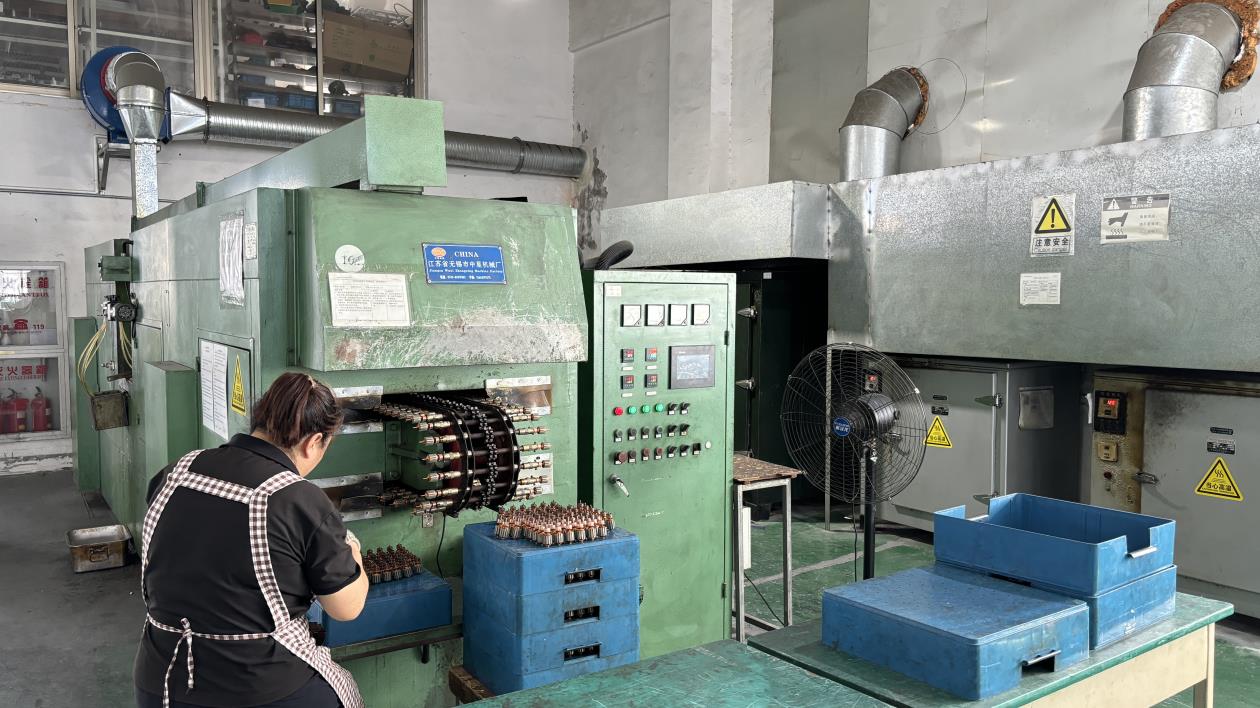
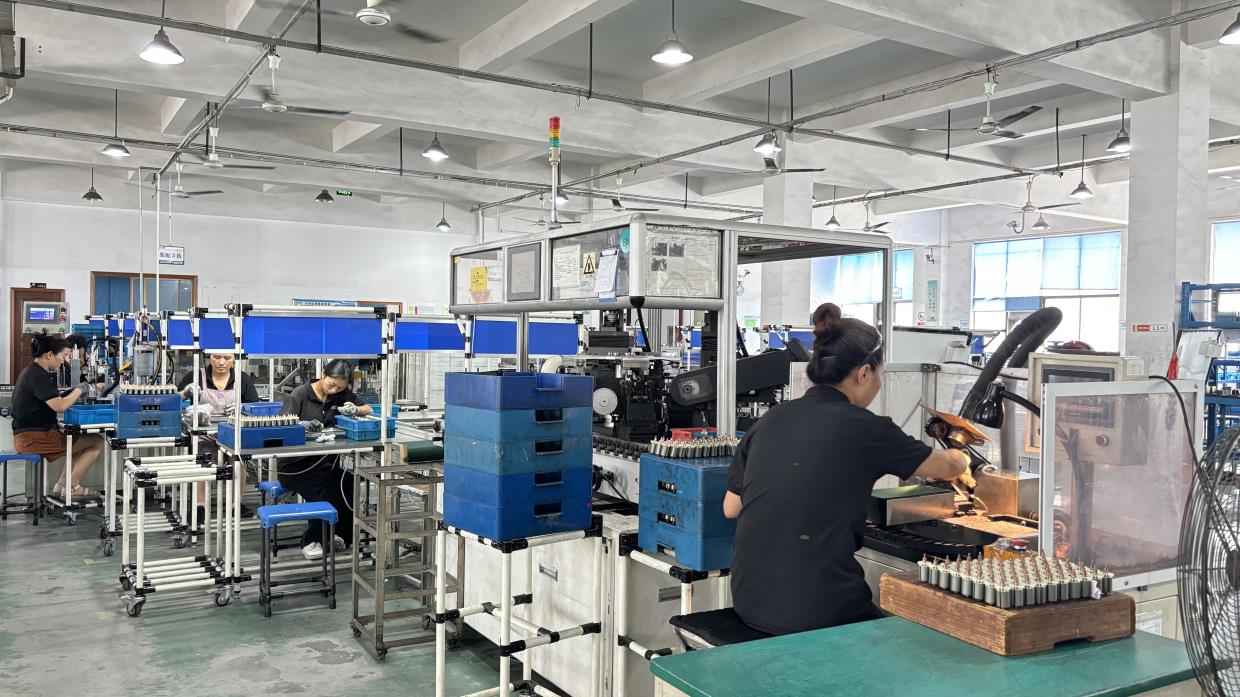
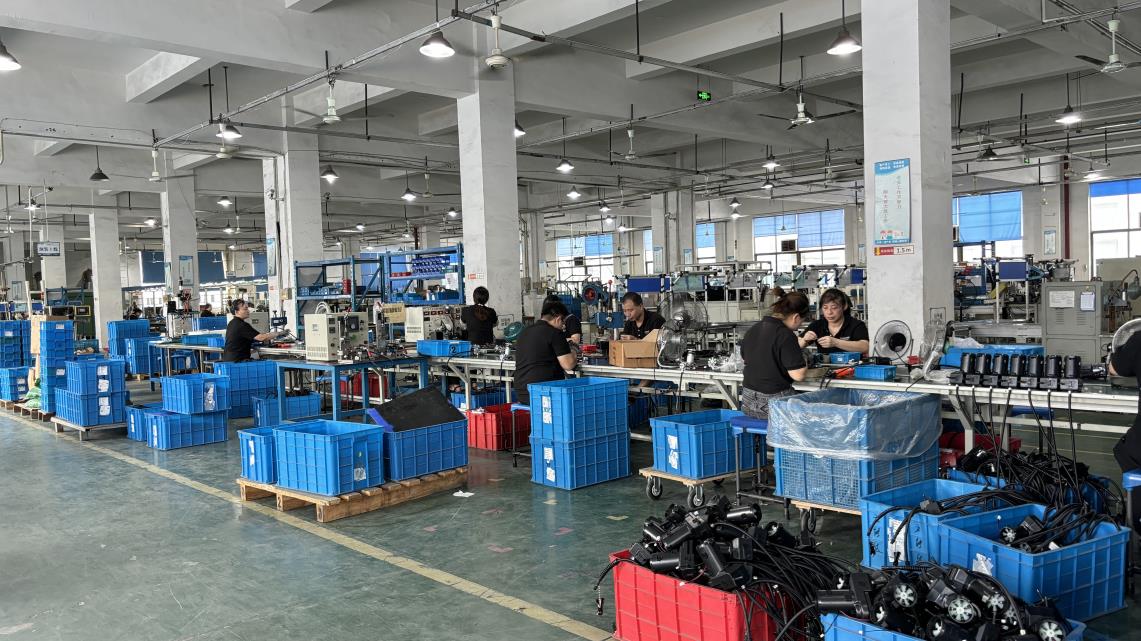
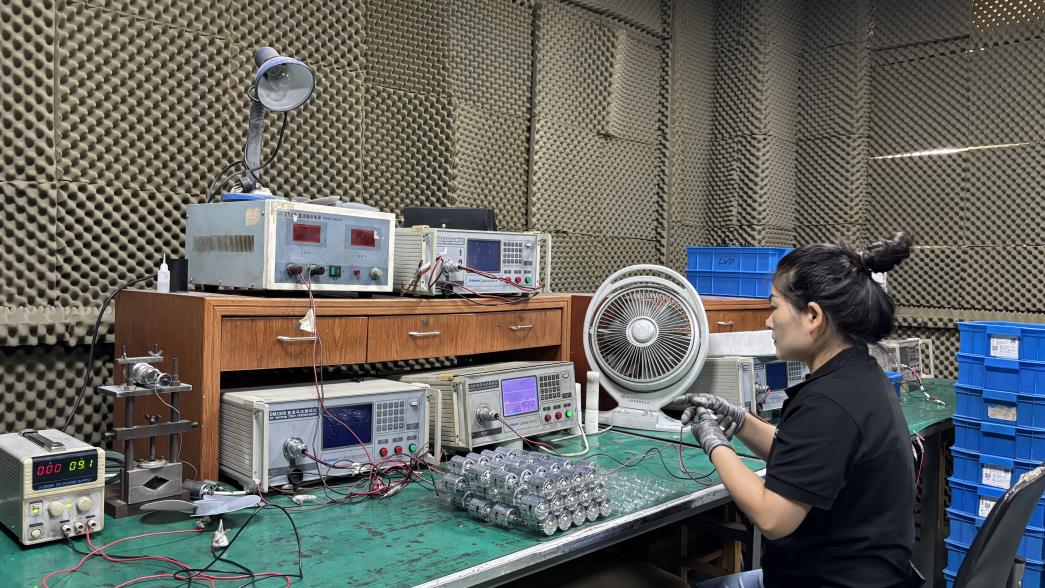
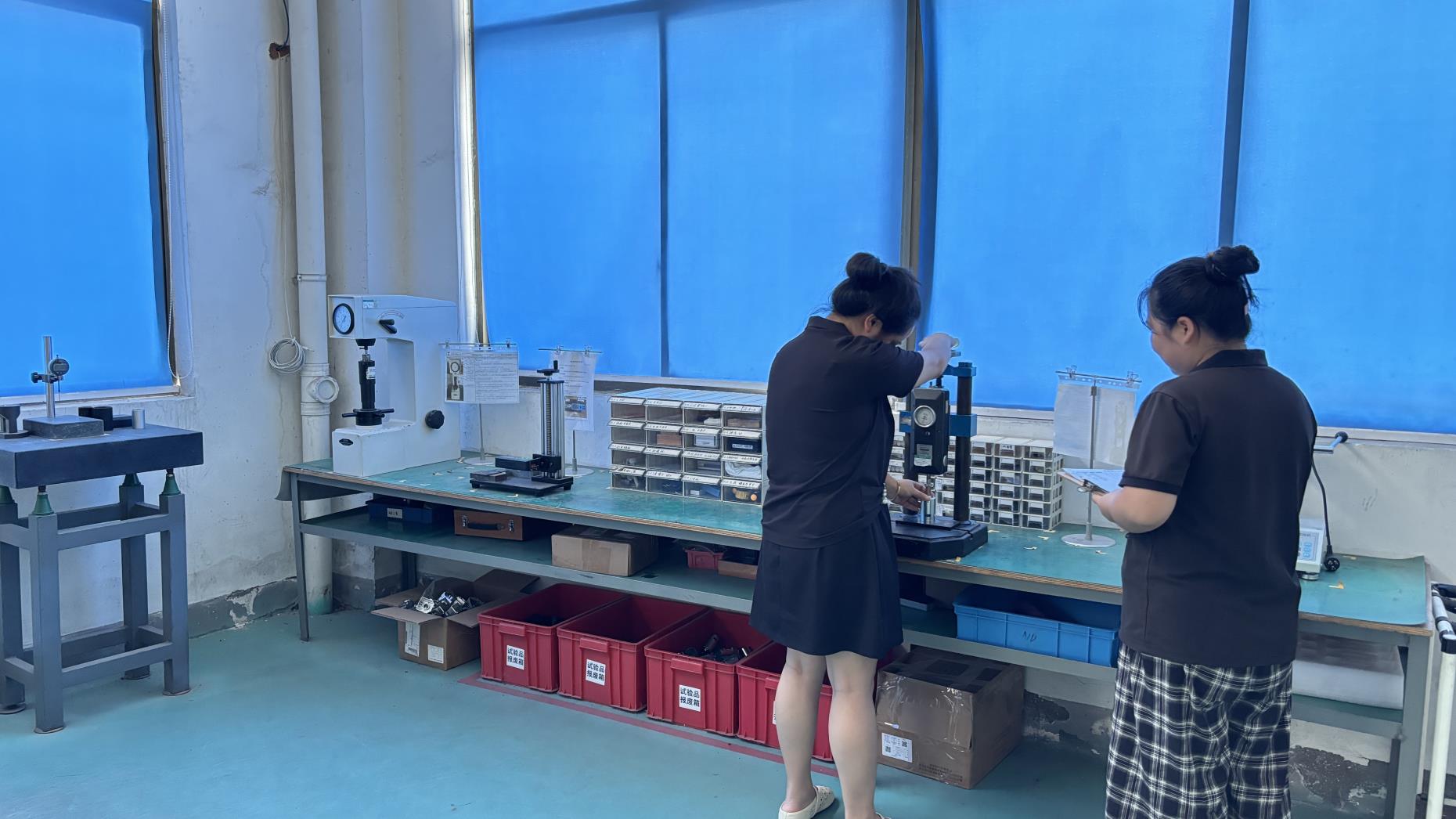
Designed for heavy-duty cycle requirements in vehicle climate control flap actuators, door latch systems, and high-performance pumps.
Procurement managers operating under USMCA (T-MEC) regulations inside Mexico City's key industrial complexes require flawless supply chain consistency. TQC Micromotor bridges the gap between cost-effective, high-volume Chinese manufacturing and local Mexican assembly requirements.
By maintaining close strategic ties with logistics coordinators at major maritime entry points such as Manzanillo (Colima) and Lázaro Cárdenas (Michoacán), we ensure that bulk shipments of customized micro motors transit seamlessly into CDMX via reliable domestic rail and highway networks. This direct pipeline dramatically minimizes import latency and stabilizes lead times.
To meet the legal requirements set by Mexico’s Ministry of Economy, products intended for commercial sale must comply with local safety standards. TQC Micromotor provides detailed documentation to assist local importers in securing certifications such as:
The core performance of a micro brushed DC motor is determined by its commutation system. We leverage two distinct types of brushed technologies depending on the engineering requirements of the project:
For low-power applications (under 15W) such as medical dosing pumps, security lock actuators, or fine instrumentation, TQC uses precious metal alloys (gold, silver, platinum, or palladium). These systems feature extremely low electrical contact resistance, a very low starting current requirement, and minimal electromagnetic interference (EMI). They are ideal for battery-operated handheld devices where efficiency and signal purity are critical.
For high-power, high-torque configurations (such as the RS530, RS560, and RS650 lines) that power commercial air compressors, vacuum cleaners, and automotive blowers, we employ carbon-graphite or copper-graphite brushes. These formulations are engineered to withstand high current densities, dissipate heat rapidly, and withstand heavy mechanical wear during prolonged continuous operation.
By optimizing the armature winding pitch and balancing the rotor assembly down to a tolerance of ≤ 0.2mg·cm, TQC Micromotor minimizes commutation arc damage, decreases electrical noise, and ensures that the motor meets strict acoustic limitations (< 35dB in silent chamber testing) required for luxury consumer electronics and high-end automotive cabins.
Our high-performance micro brushed DC motor line covers an extensive range of voltages, speeds, and dimensions, providing reliable power for applications from small security systems to commercial fans.
Whether you are designing advanced automotive actuators in Toluca, smart appliances in Polanco, or commercial ventilation systems in industrial Estado de México, our engineering team is ready to assist. Contact TQC Micromotor today for technical support, sample testing, and bulk ordering info.