TQC Micromotor
TQC Micromotor
TQC Micromotor
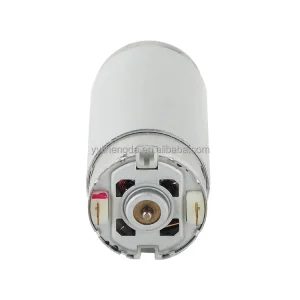
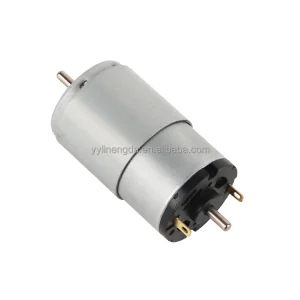
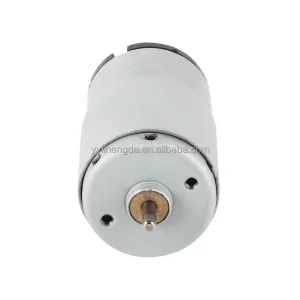
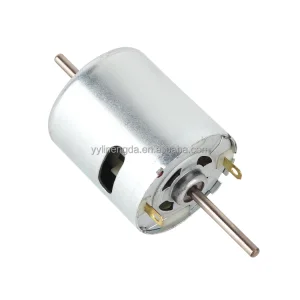
Explore our premium selection of permanent magnet micro brushed DC motors designed for industrial durability, exceptional torque density, and ultra-quiet operation.
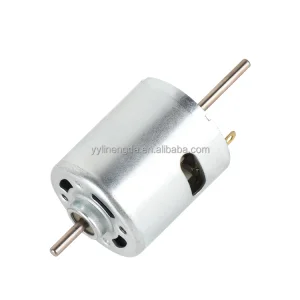
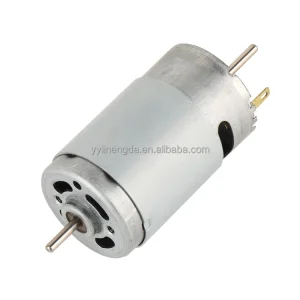
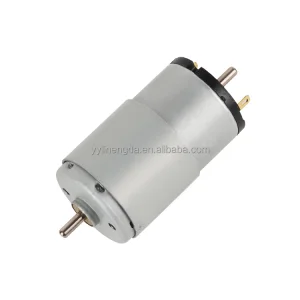
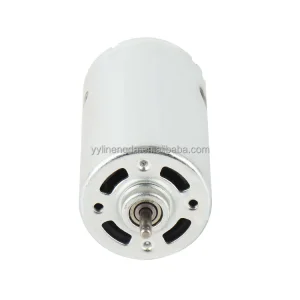
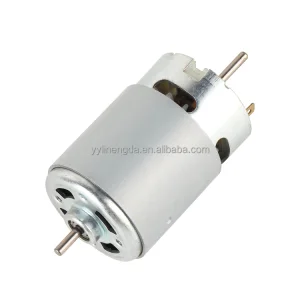
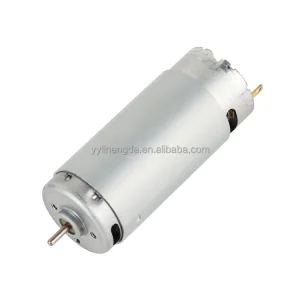
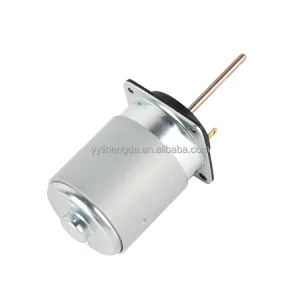
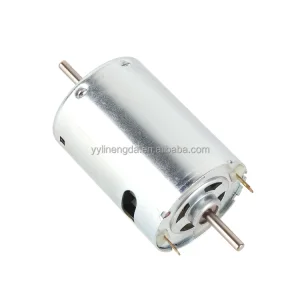
At TQC Micromotor, we believe that global innovation shouldn't be limited by size. For two decades, we have dedicated ourselves to a single, relentless pursuit: designing, engineering, and manufacturing high-performance micro-drive solutions that keep modern industries moving forward. Based in China, we operate a state-of-the-art, ISO9001-certified production facility specializing in Micro DC Motors, DC Gear Motors, and Brushless DC Motors (BLDC).
The name TQC represents our foundational pillars: Top Quality & Customization. We understand that applications like smart home automation, medical devices, automotive electronics, and precision robotics demand uncompromised reliability. That is why every TQC micro motor is built with an exceptional power-to-size ratio, ultra-low noise acoustics, and an extended operational lifespan, backed by strict 100% in-house quality control and international certifications (CE, RoHS, REACH).
We don’t just supply standard hardware; we act as a strategic R&D partner. With a robust engineering team holding multiple industry patents, TQC thrives on solving complex mechanical challenges through flexible OEM/ODM custom solutions. From custom shaft configurations and custom voltage tuning to specialized bespoke gearheads, we turn your technical blueprints into high-volume, cost-effective reality.


Analyzing the commercial requirements, engineering constraints, and supply demands of modern micro-drive technology across global supply chains.
Industrial buyers select micro brushed motors by analyzing life-cycle cost, electromagnetic noise limits, and thermal performance. To prevent downtime in large-scale operations, sourcing agents require manufacturers with vertically integrated production lines, which stabilizes delivery cycles and guarantees mechanical tolerances.
Off-the-shelf electric motors rarely meet specific application requirements. Customizing the shaft configuration, flat spots, electrical terminations, internal varistor suppression, and winding parameters (resistance and inductance) allows mechanical engineers to achieve the exact speed, torque, and efficiency curve needed for their products.
Navigating international markets requires compliance with CE, RoHS, and REACH guidelines. This guarantees that motors are built without hazardous substances, allowing smooth customs clearance and quick integration into consumer products across European, North American, and Asian jurisdictions.
Micro brushed DC motors are fundamental components in modern electro-mechanical engineering. Known for their high starting torque, linear speed-torque curves, and straightforward control requirements, these compact drives are widely used in commercial, medical, and industrial systems. To help development engineers and procurement teams make informed decisions, this whitepaper examines the core structural elements, material considerations, and application parameters of micro brushed DC motors.
At the center of a brushed DC motor is a stator that creates a steady magnetic field, and a rotating armature with copper windings. TQC micro motors use high-performance permanent magnets, such as anisotropic barium ferrites or NdFeB (Neodymium Iron Boron), to optimize flux density while keeping the motor's footprint small. When current flows through the armature coils, it interacts with the magnetic field, generating torque based on the Lorentz force law. Using permanent magnets instead of electromagnetic stators helps prevent heat generation in the stator, improving overall motor efficiency.
A key factor in a micro motor's lifespan and signal quality is the mechanical contact between the brushes and the commutator. Depending on the application, engineers choose between two primary brush technologies:
"Selecting the right brush material is critical for system reliability. Noble metal systems are preferred for clean electrical signals and low power requirements, while carbon-graphite options provide the physical durability needed for high-load industrial applications."
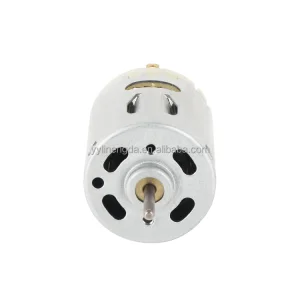
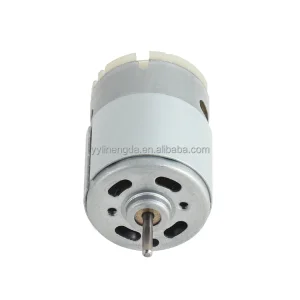
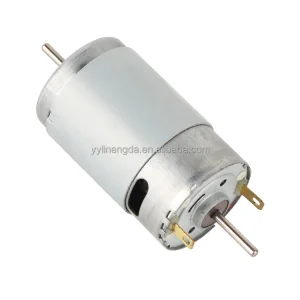
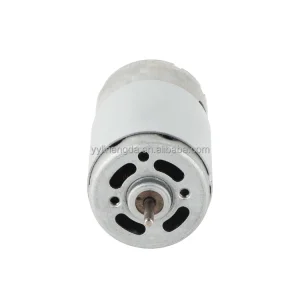
Heat dissipation is a primary constraint for micro motors. Heat is generated through resistive losses in the copper windings and mechanical friction at the bearings and brushes. High operating temperatures can degrade insulation, demagnetize permanent magnets, and accelerate brush wear. In high-torque models like our RS560 and RS650, TQC uses vented end-bells, heat-resistant magnet wire, and specialized housing coatings to improve thermal dissipation. Understanding whether an application requires continuous or intermittent duty is essential for selecting a motor with the right thermal capacity.
Smart Homes: In products like smart locks and motorized window shades, motors must operate quietly and deliver high starting torque. Our RS390/RS395 series is designed to meet these requirements, ensuring reliable performance in residential environments.
Automotive Actuators: Electronic systems in vehicles—such as seat adjusters, HVAC vent controls, and headrest actuators—require robust motors that perform consistently across wide temperature ranges (-40°C to +85°C) and resist vibration. TQC's automotive-grade motors feature reinforced shafts and specialized brushes to meet these demanding requirements.
Medical Infusion Systems: Precise fluid delivery requires consistent motor rotation and low starting currents. Noble metal brushed motors deliver the smooth, reliable rotation needed for modern medical equipment.
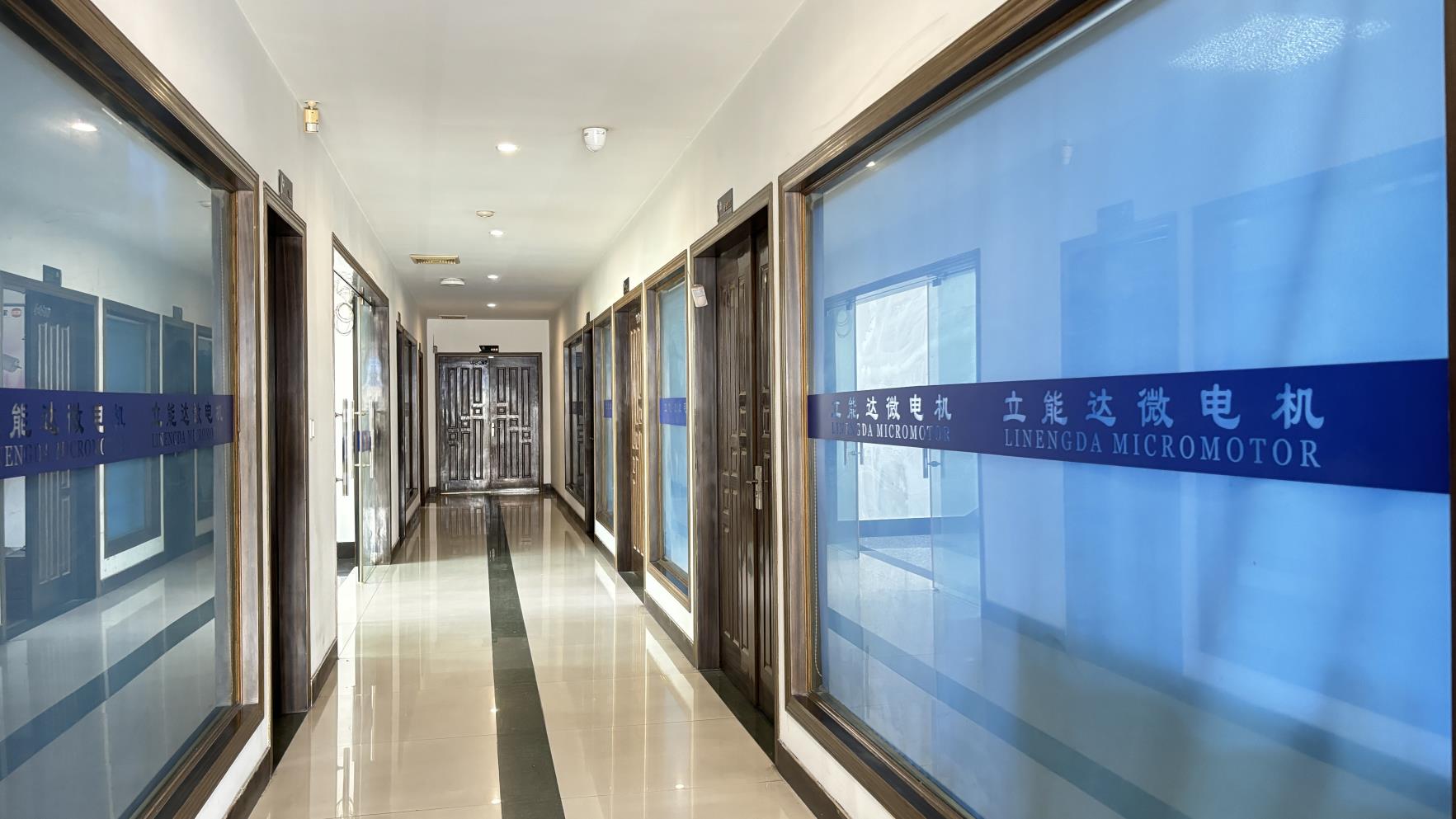
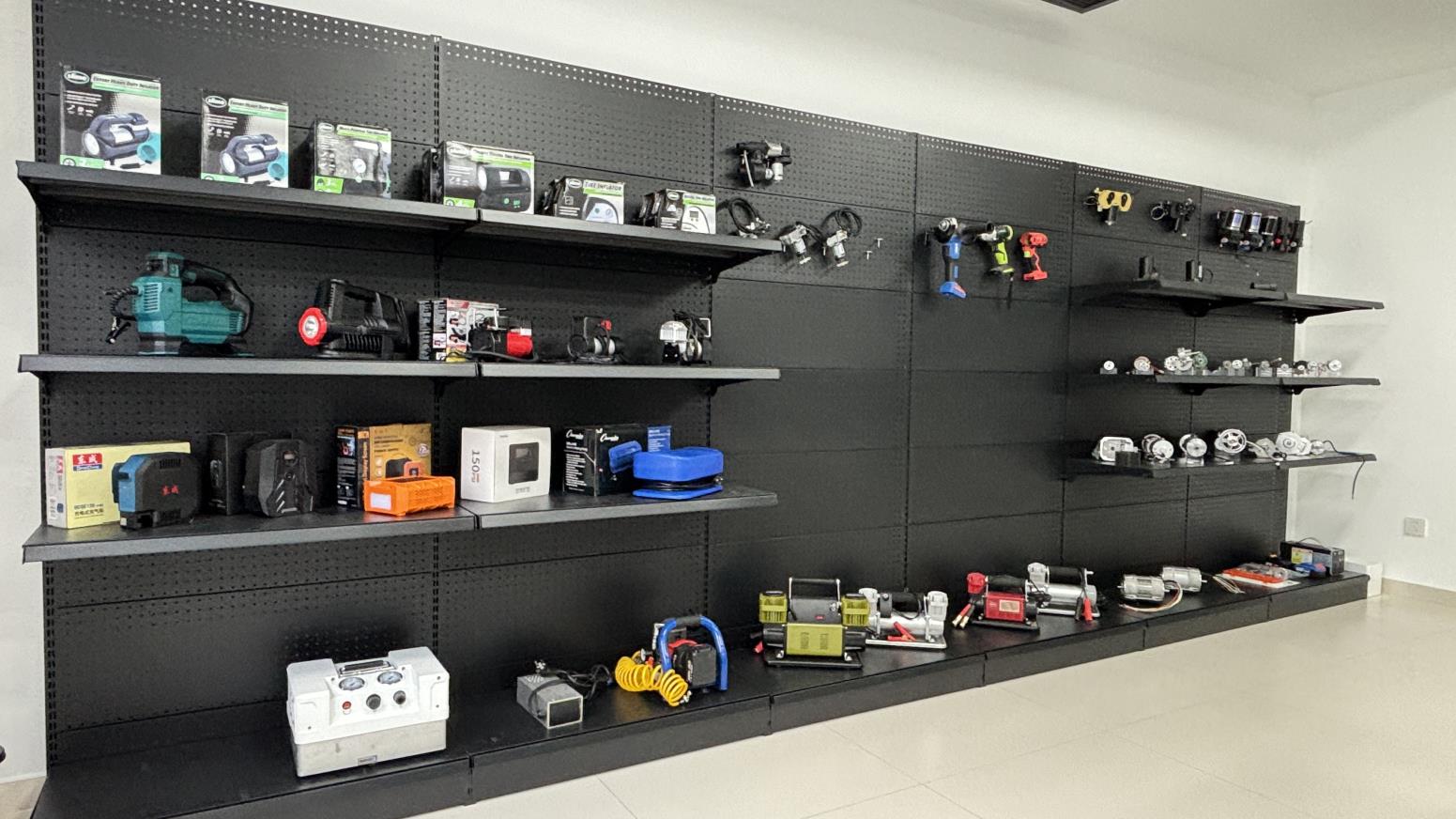
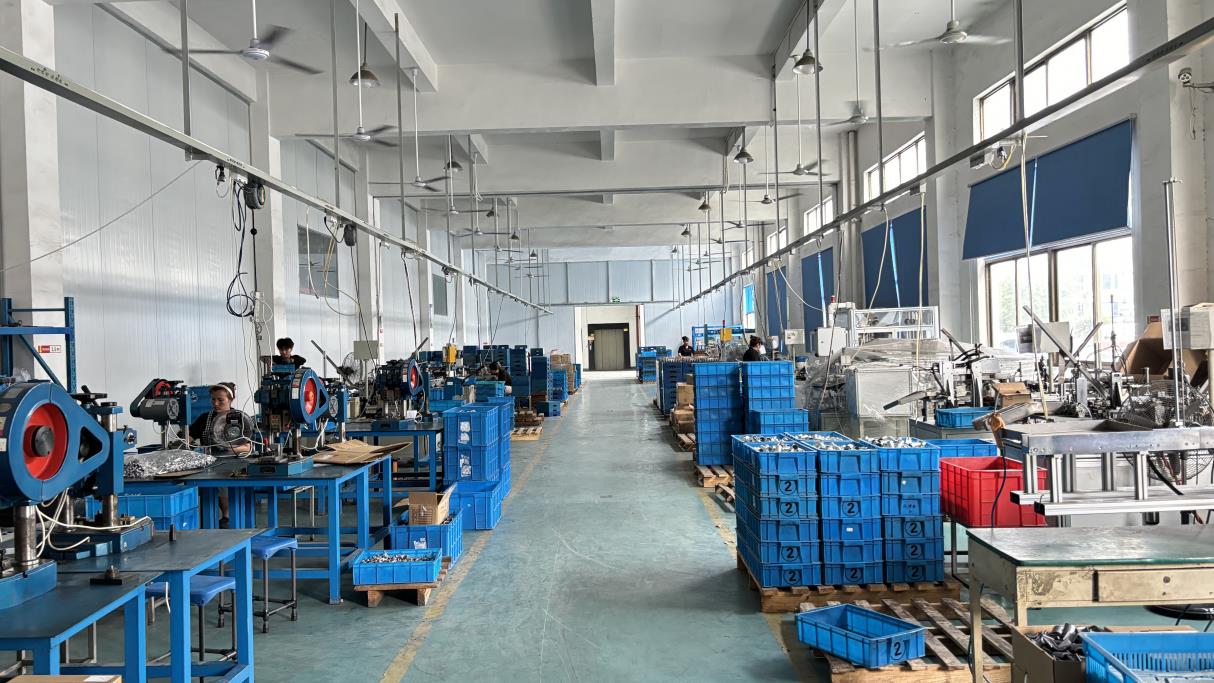
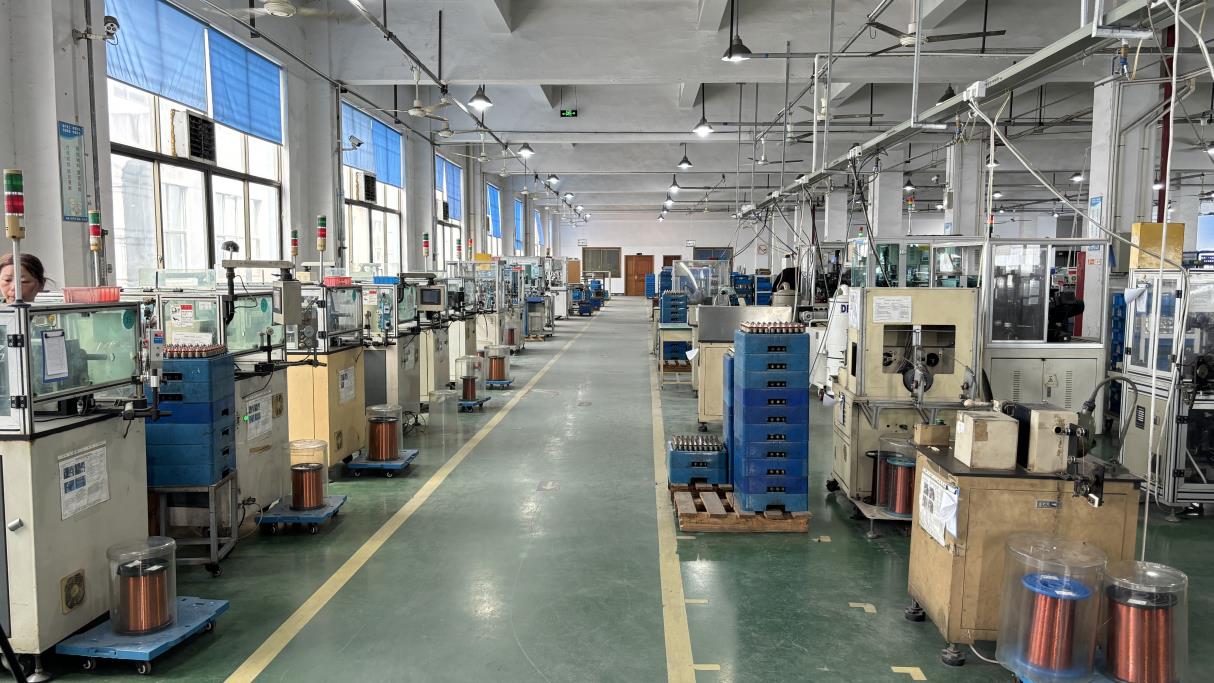
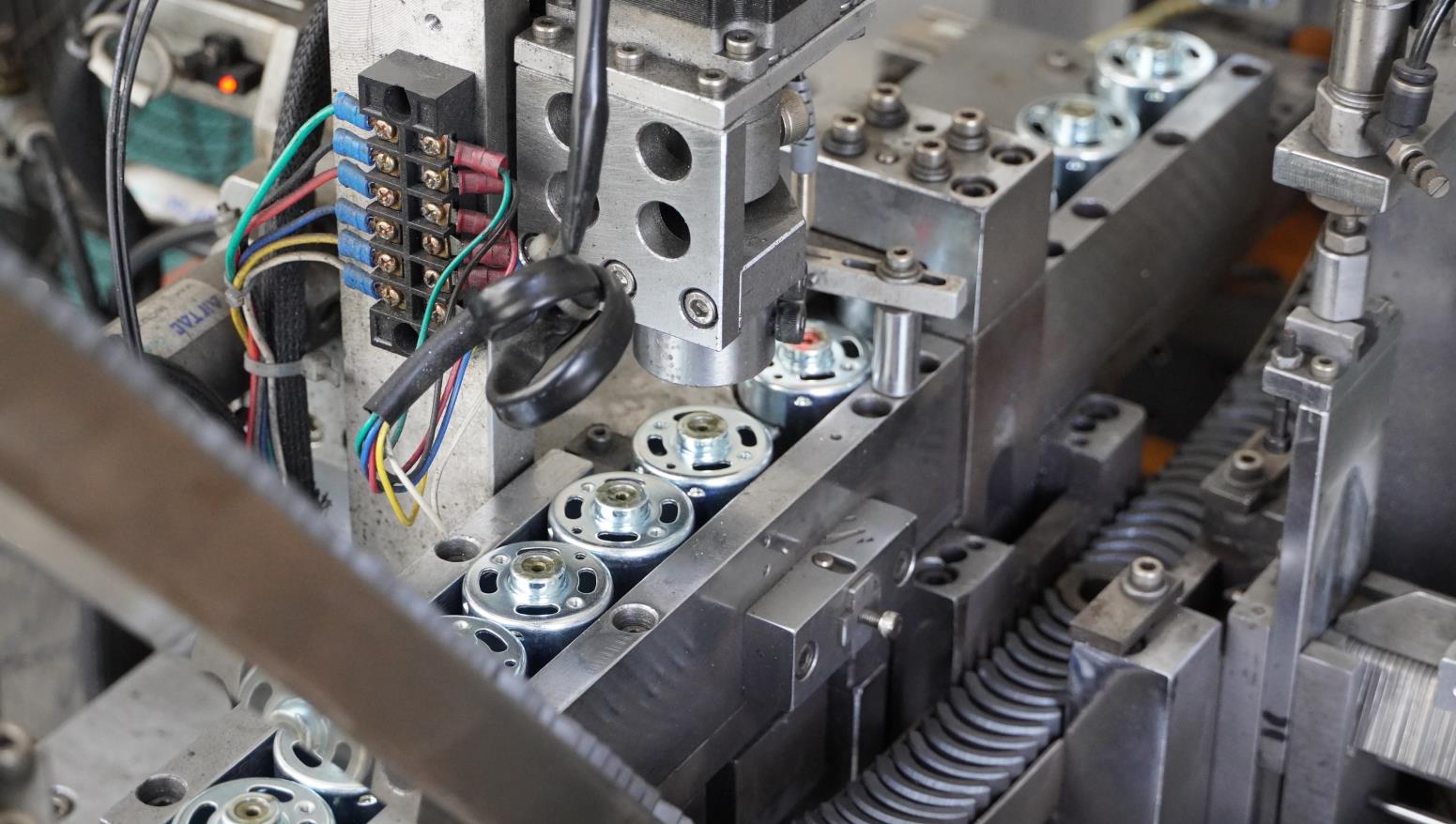
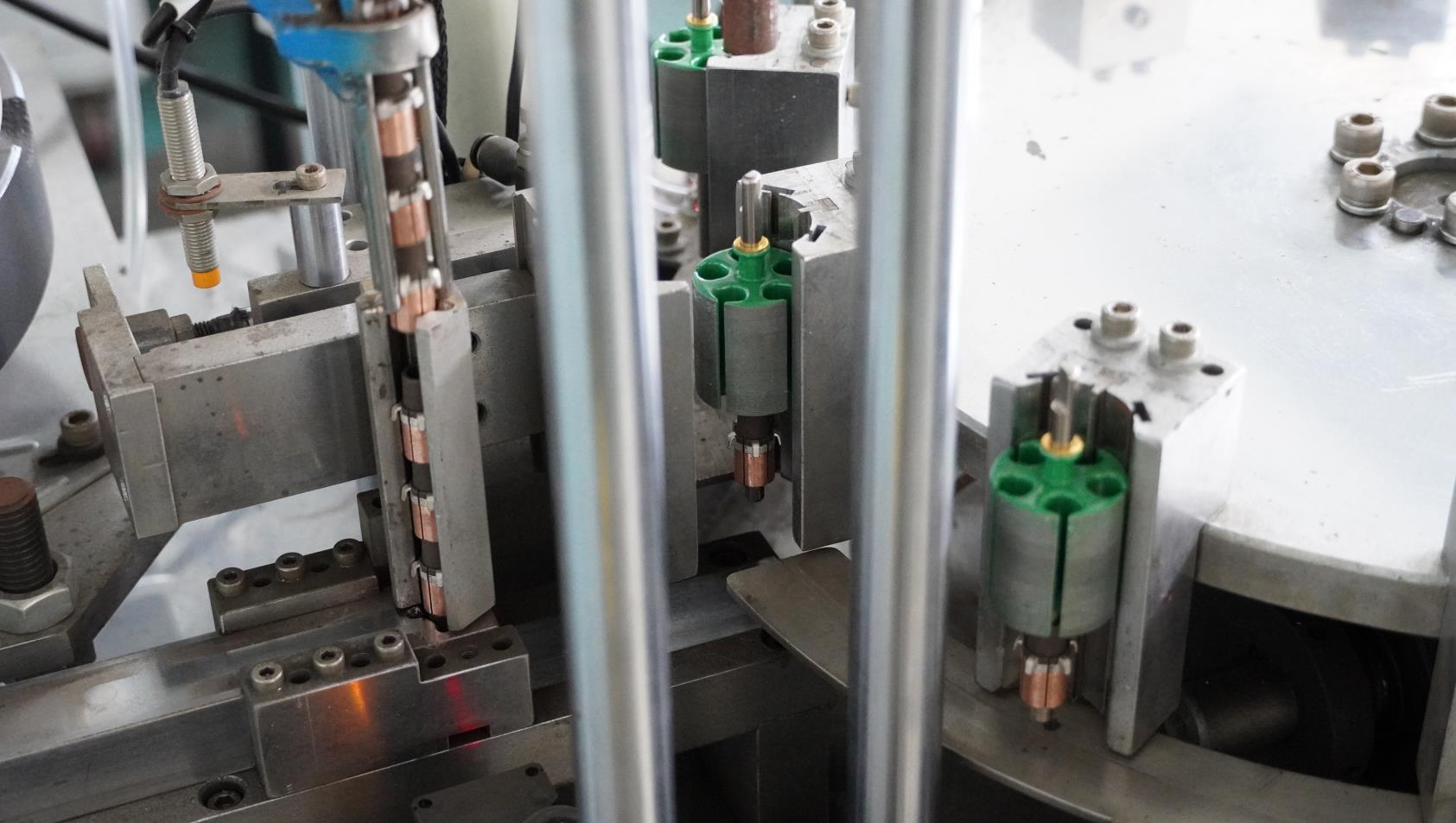
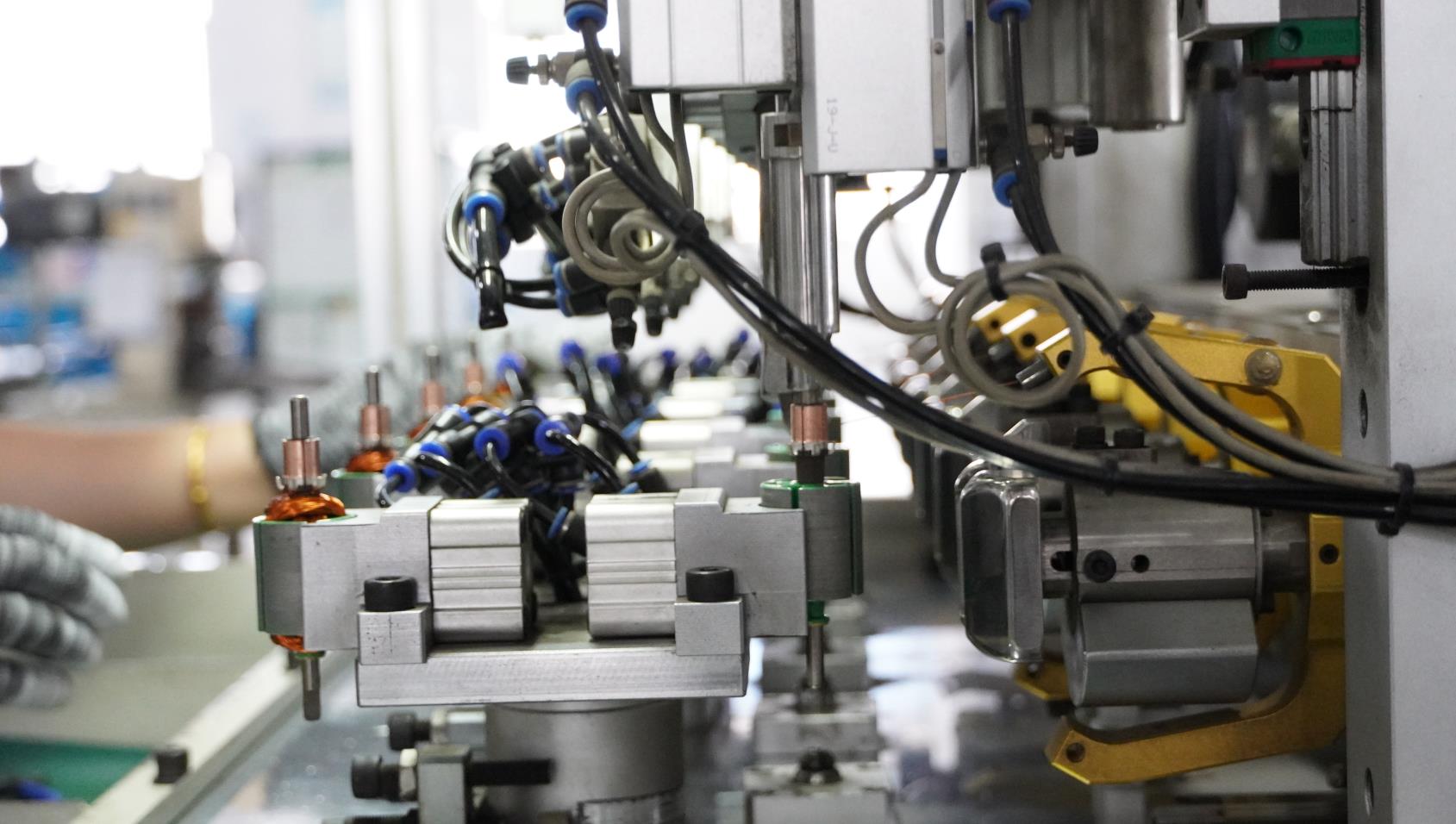
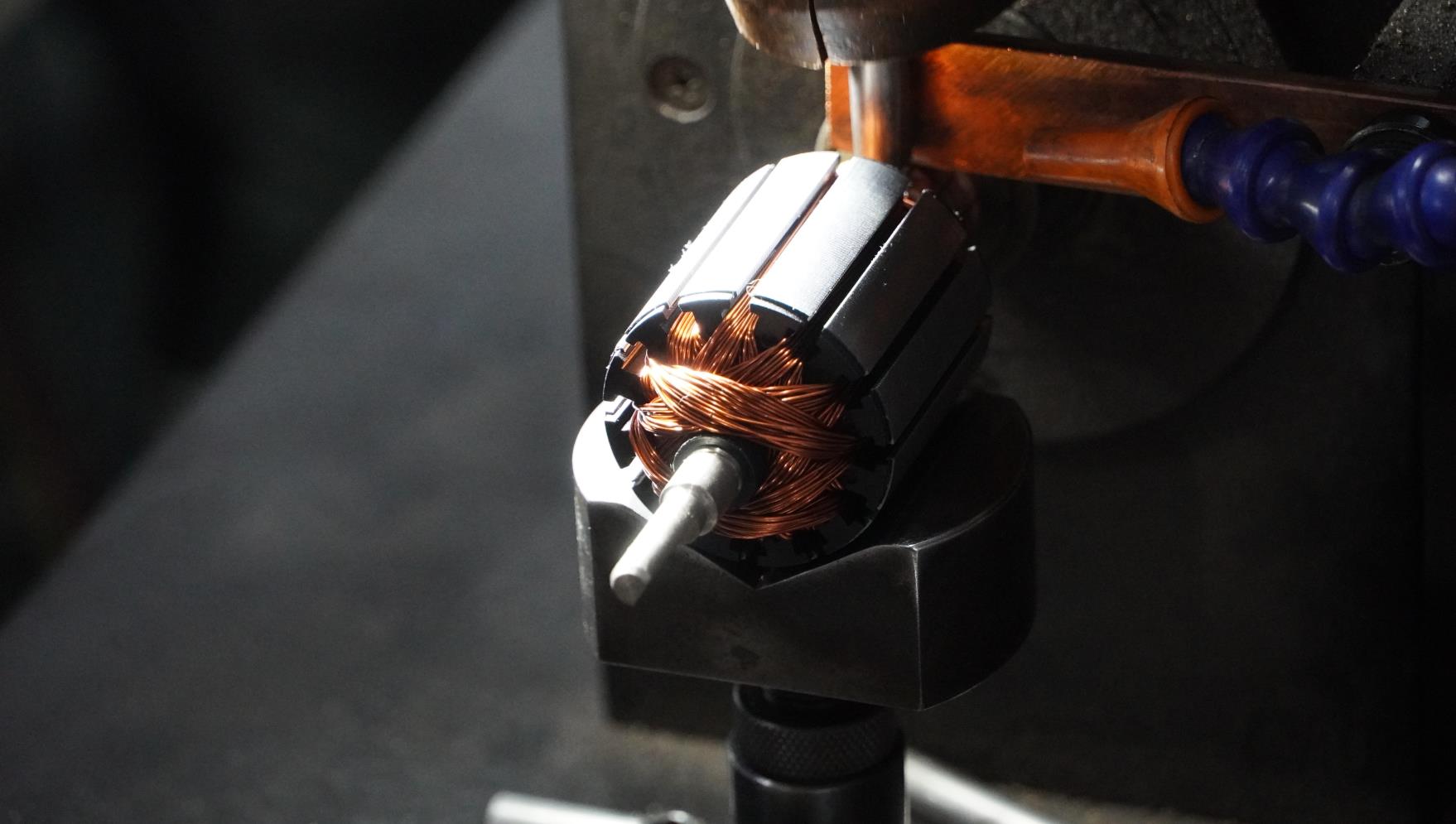
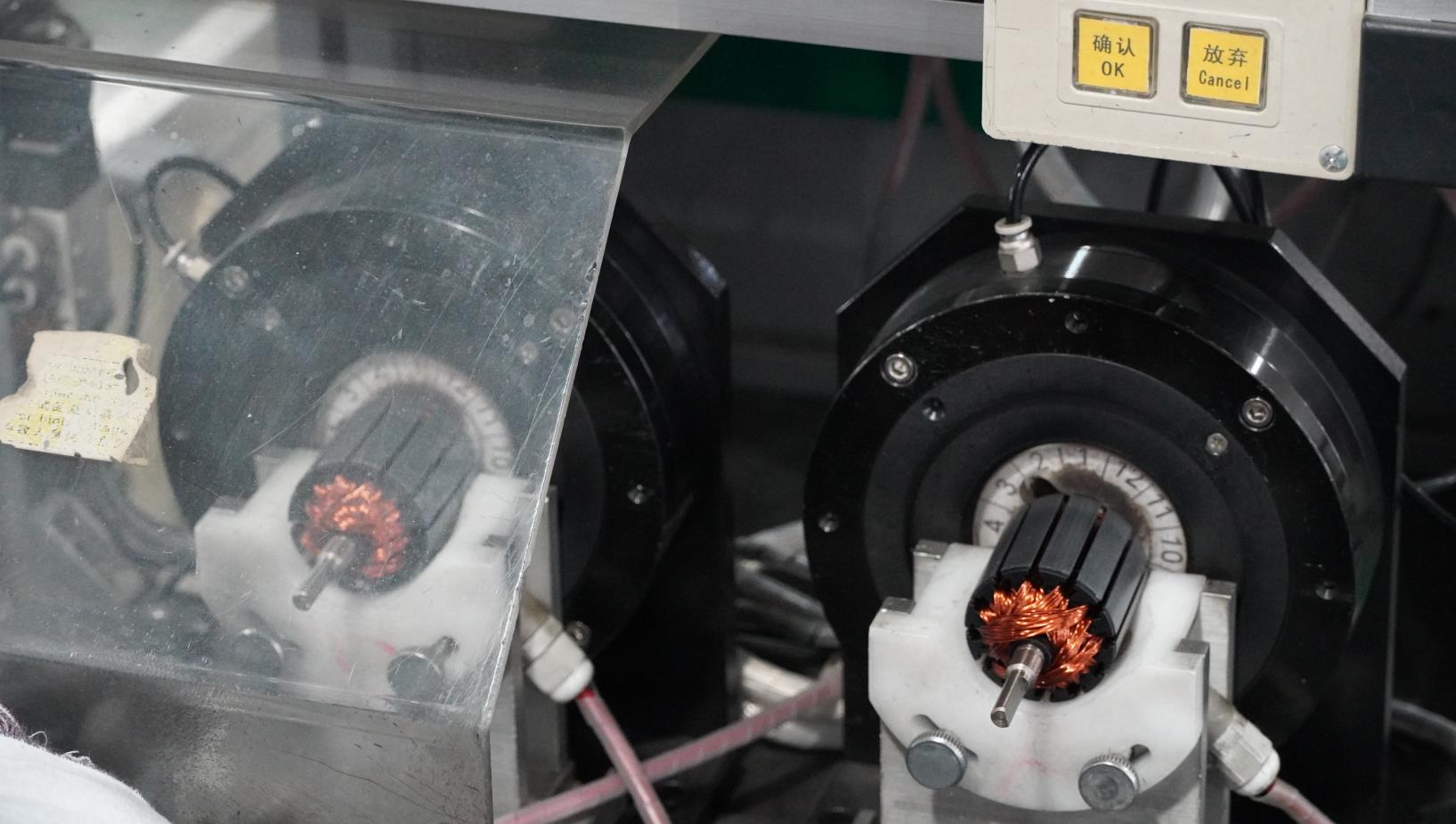
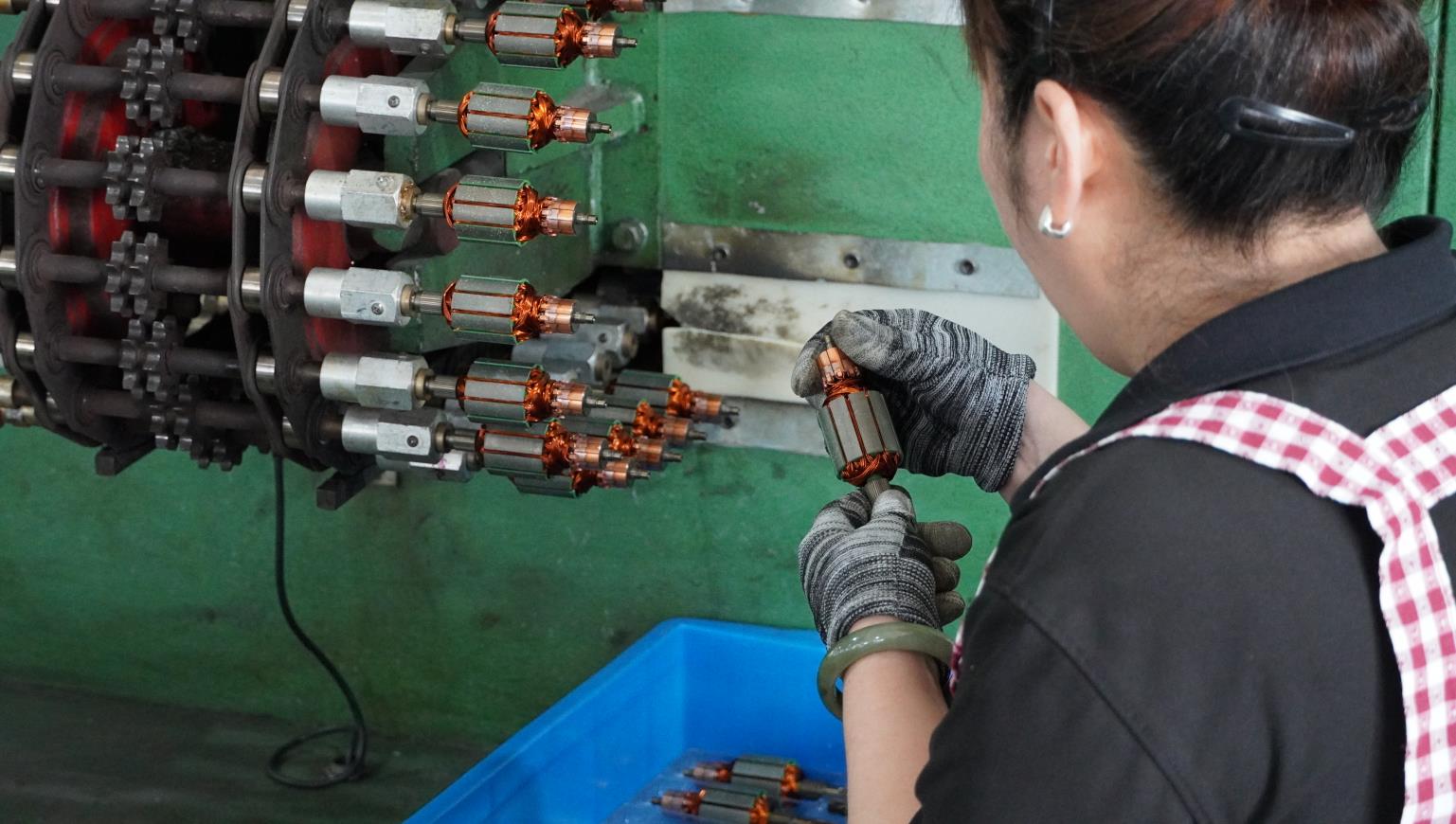
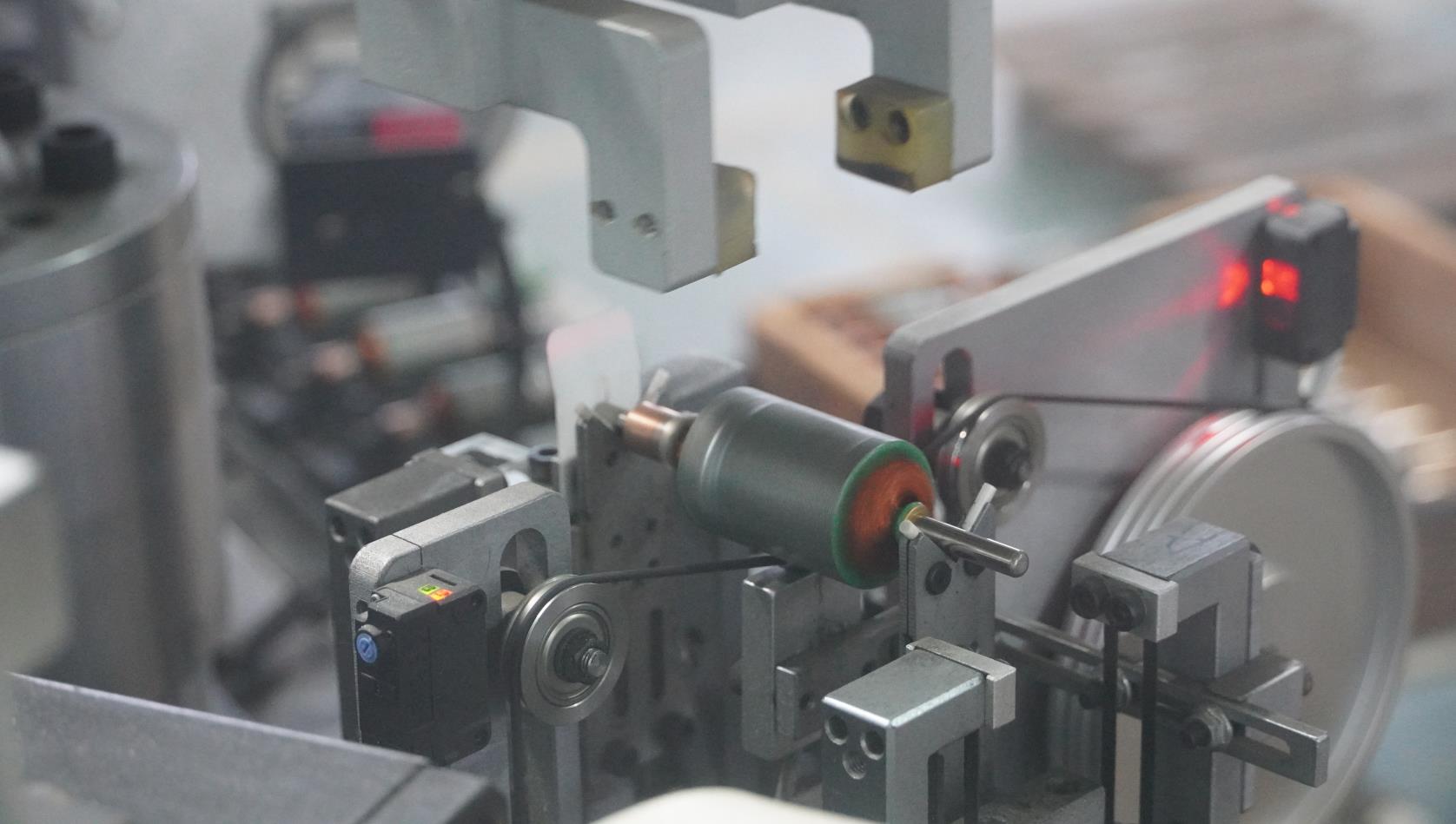
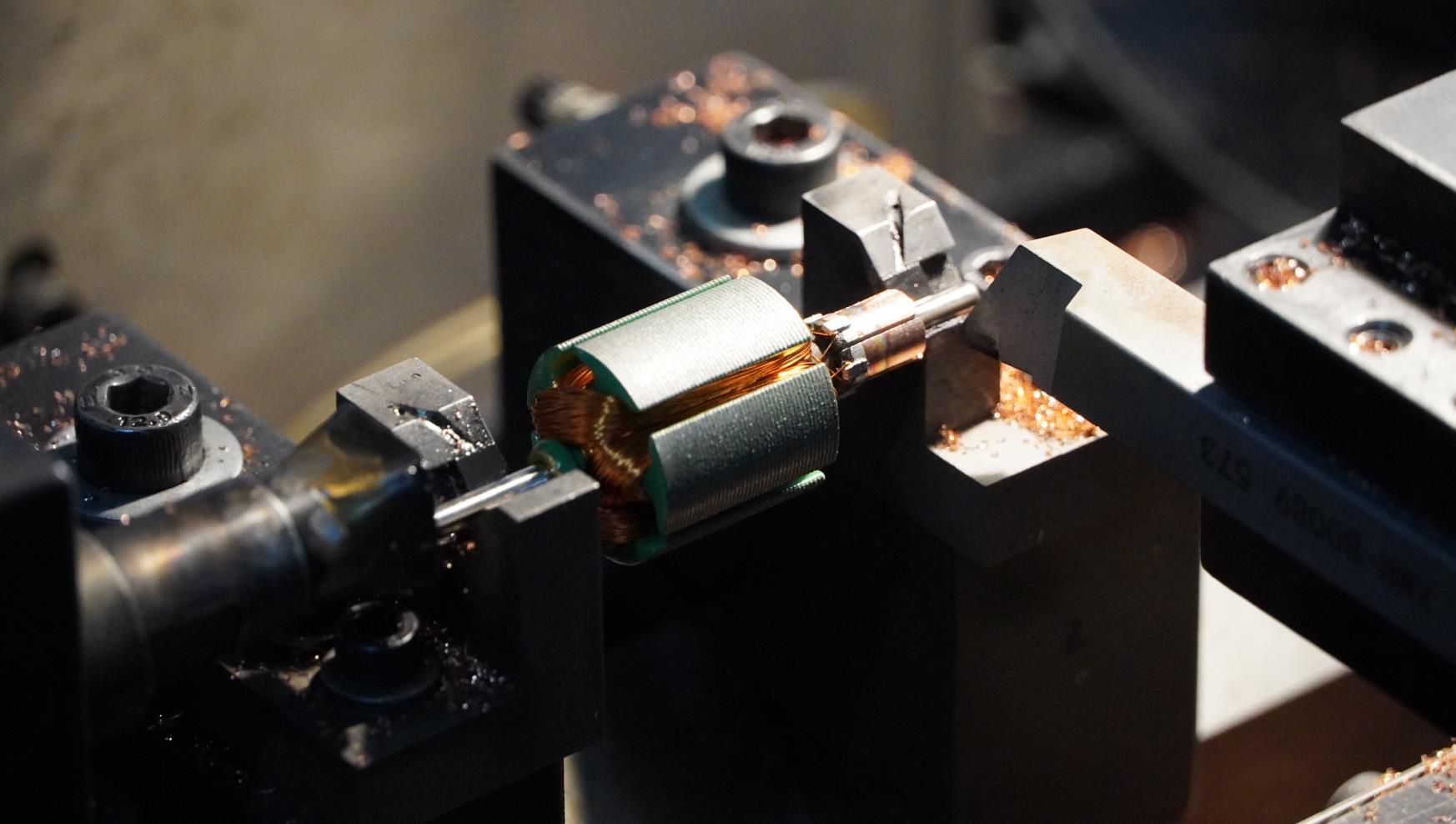
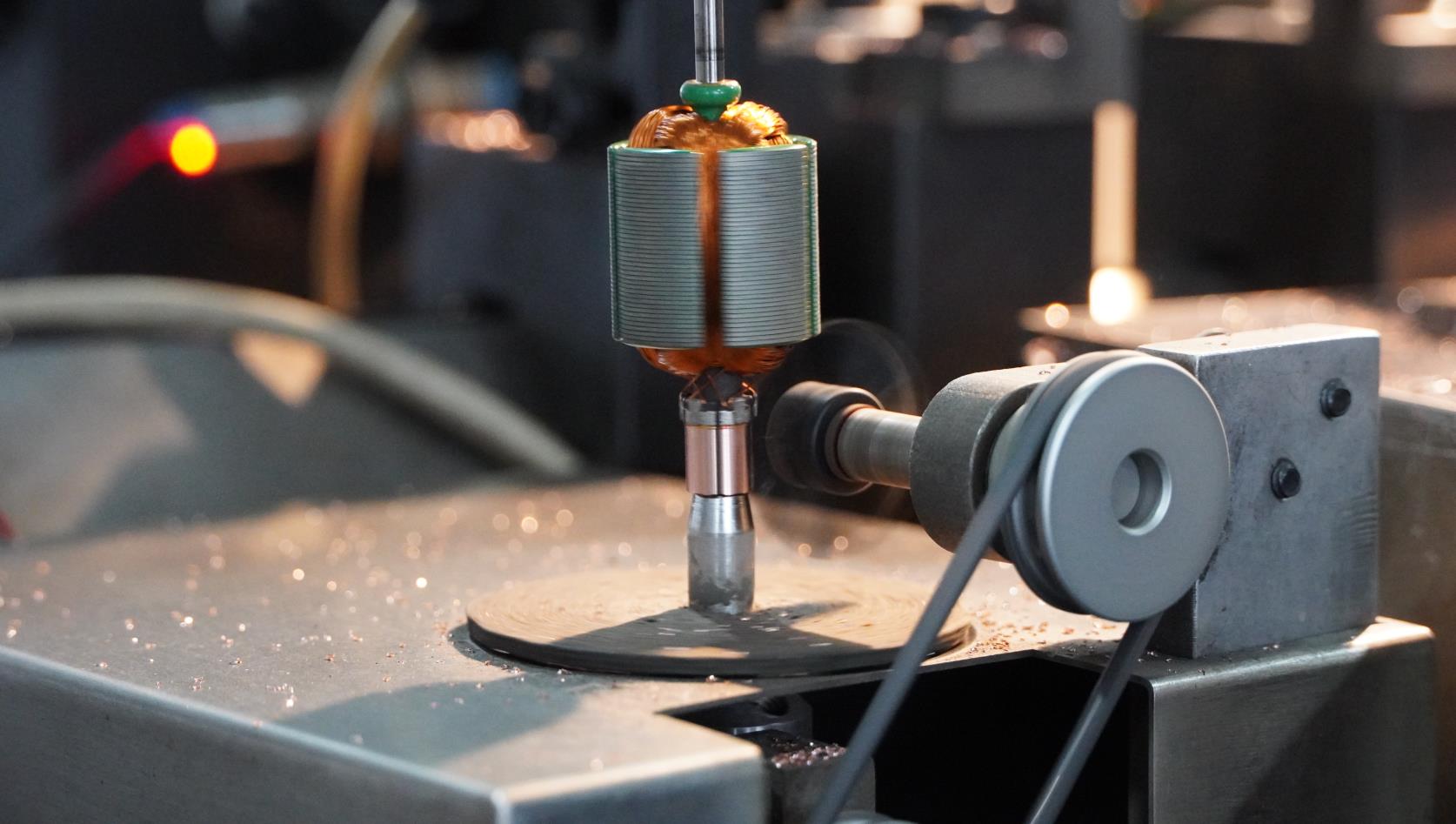
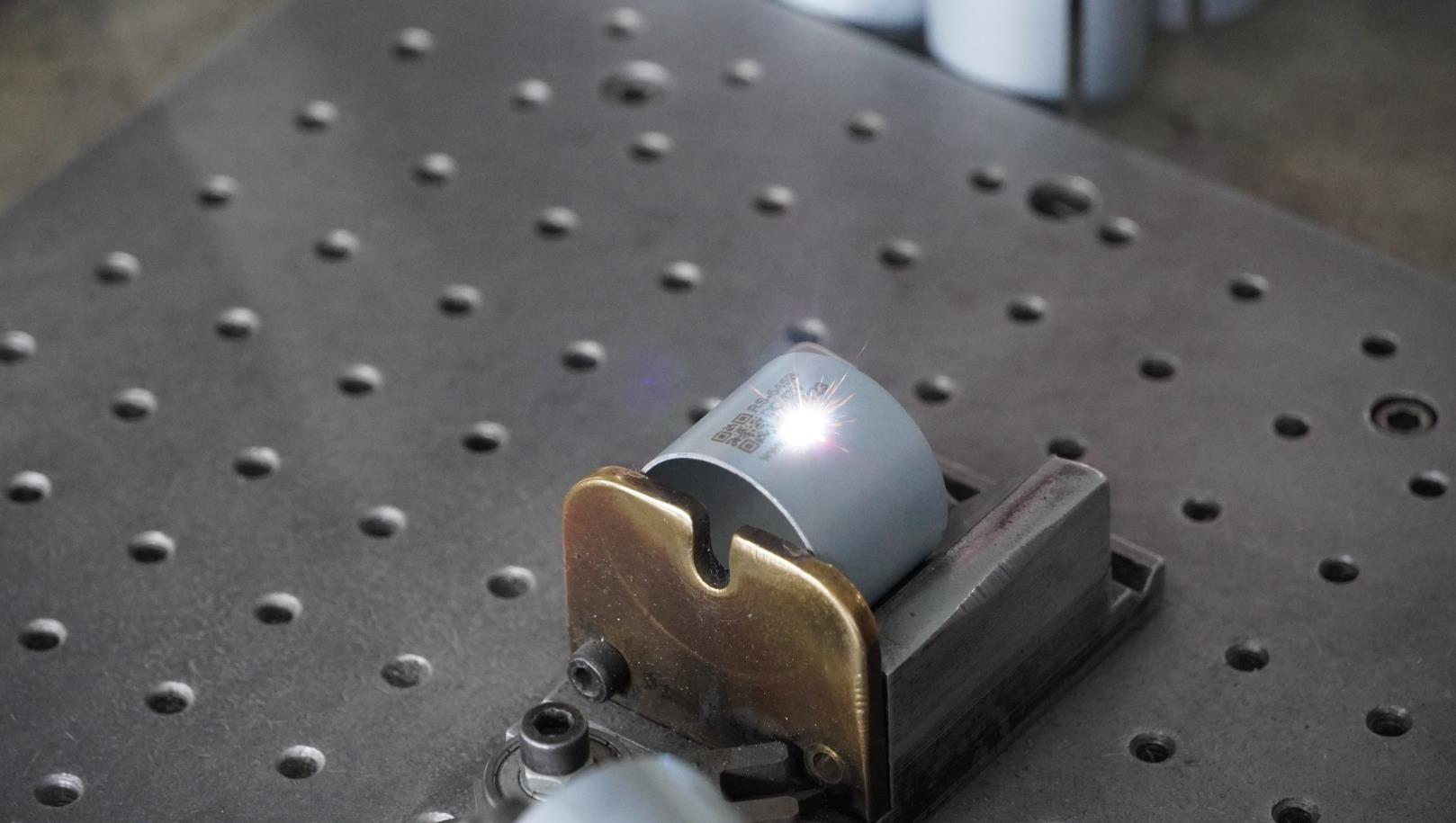
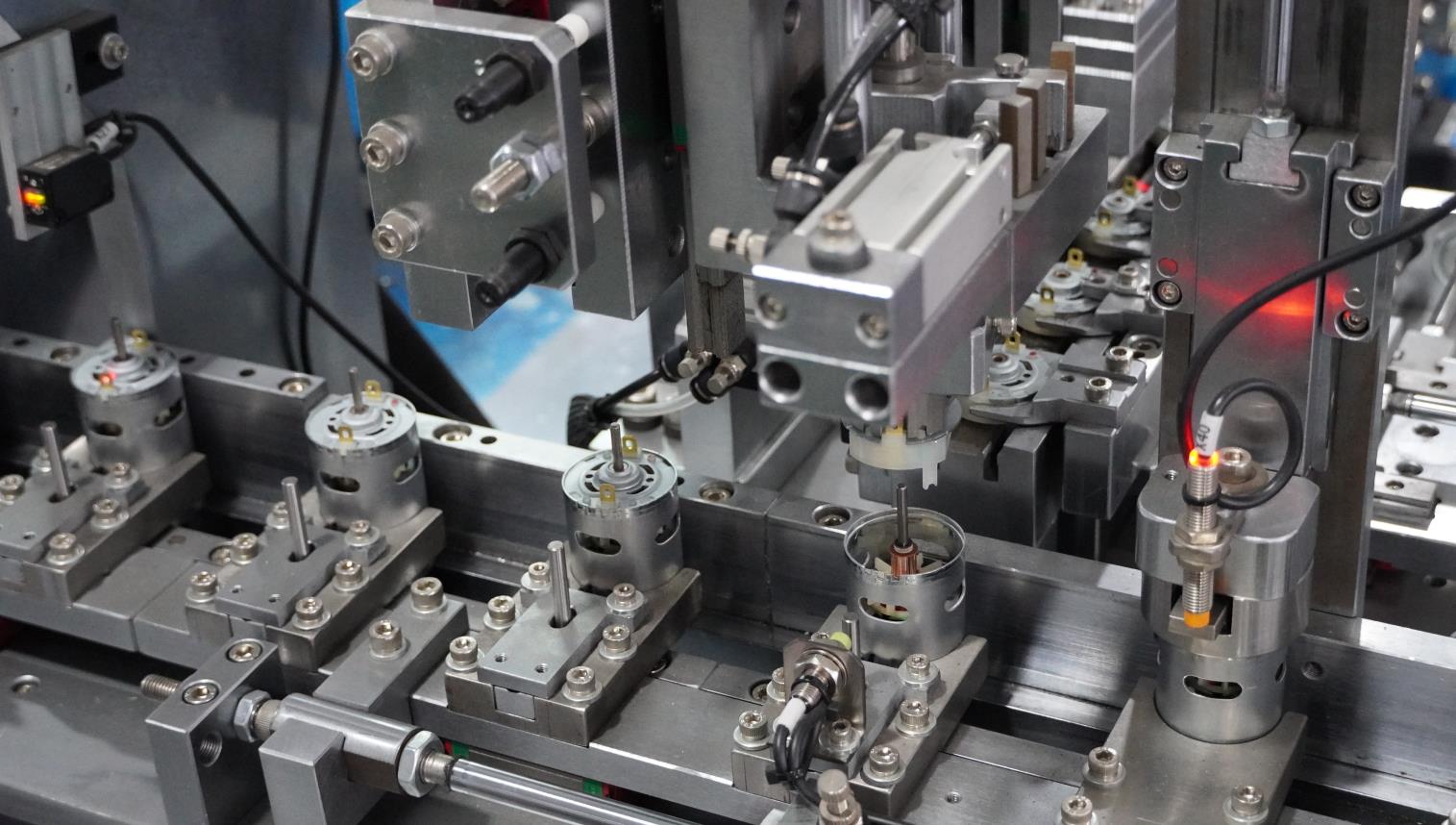
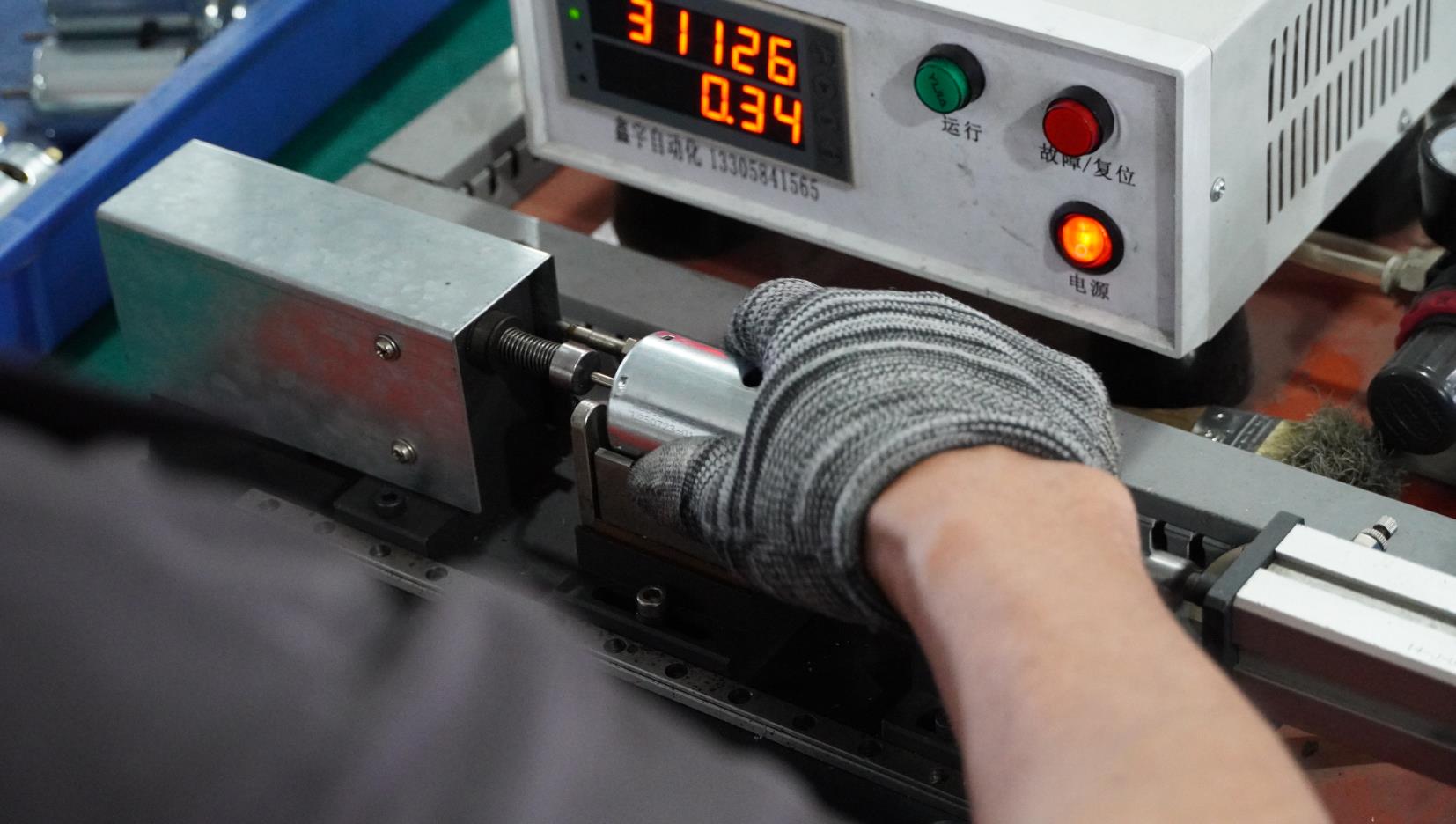
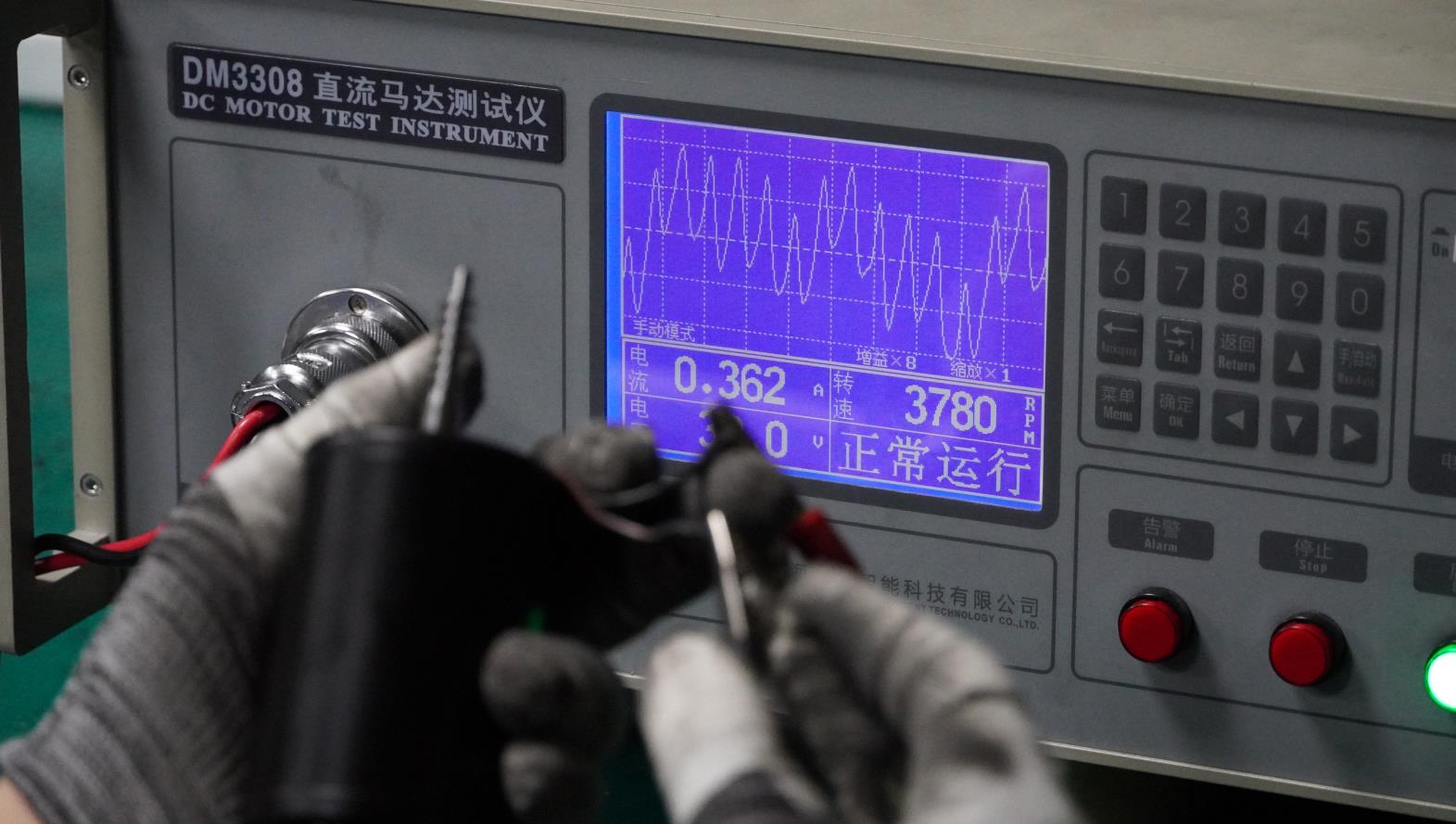
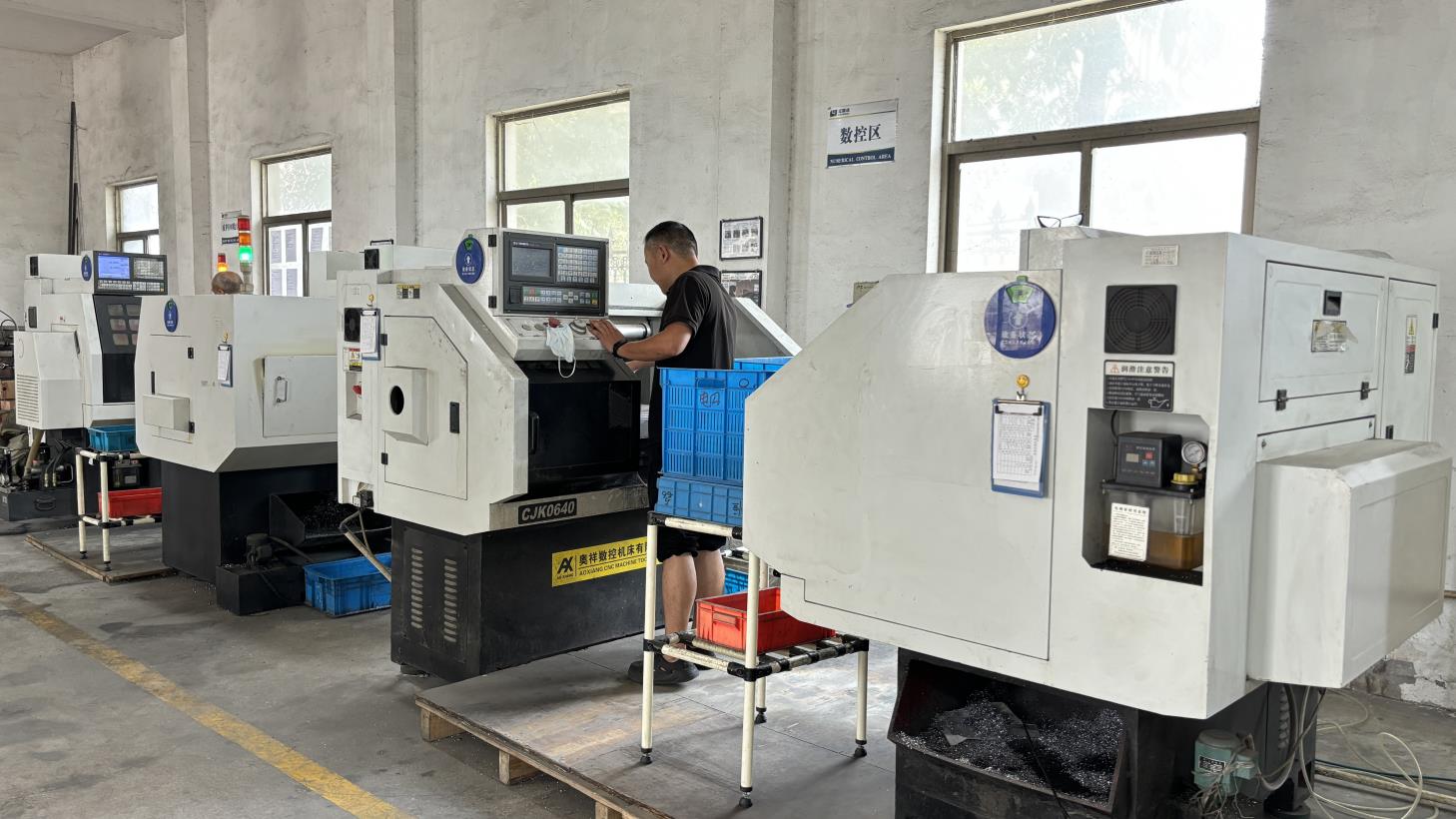
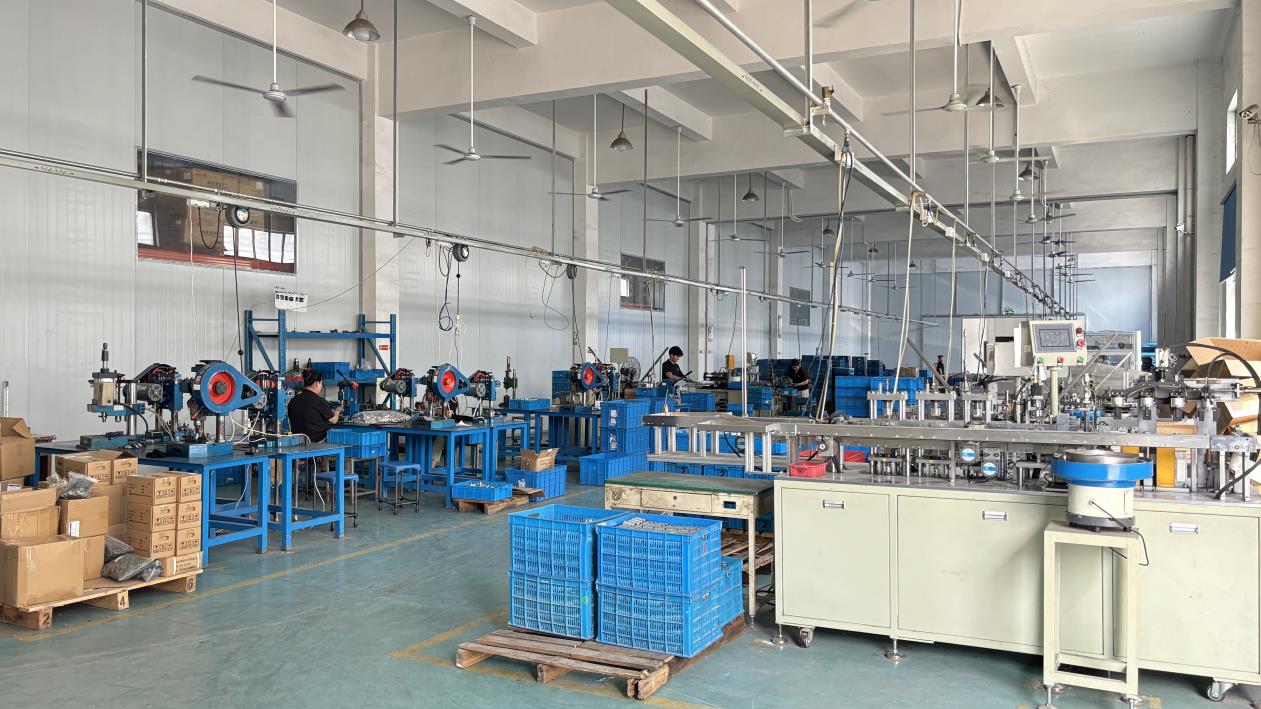
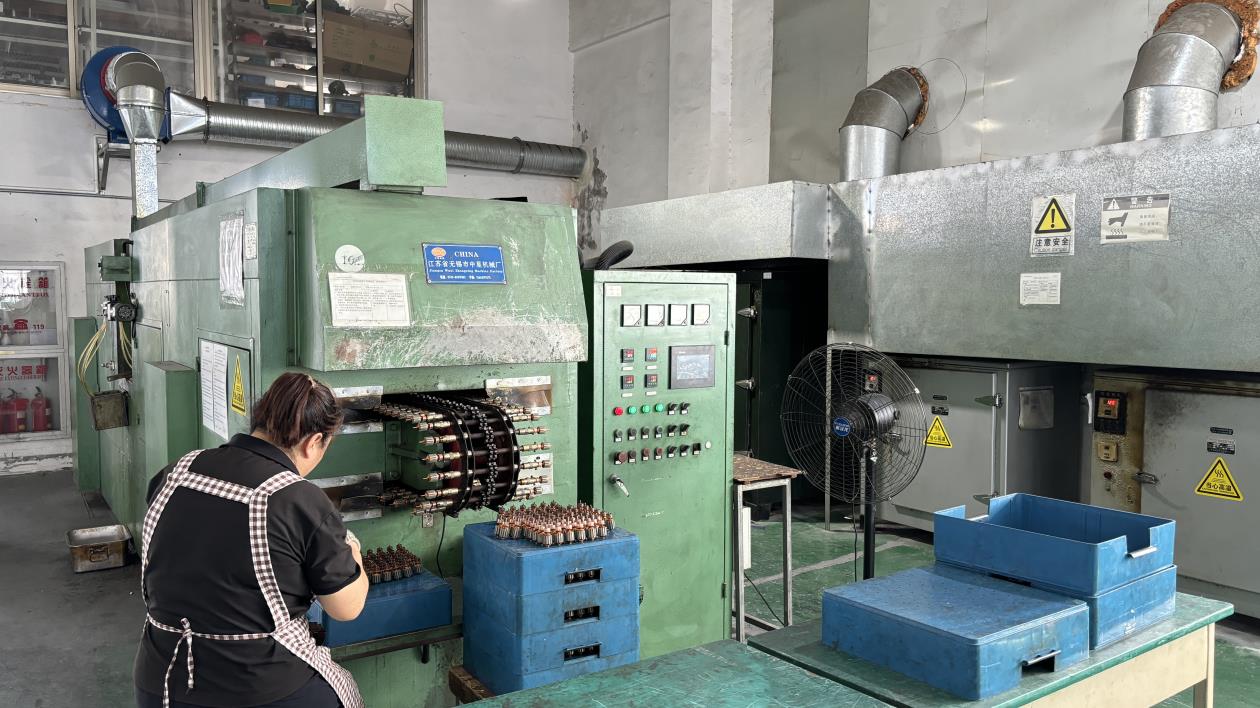
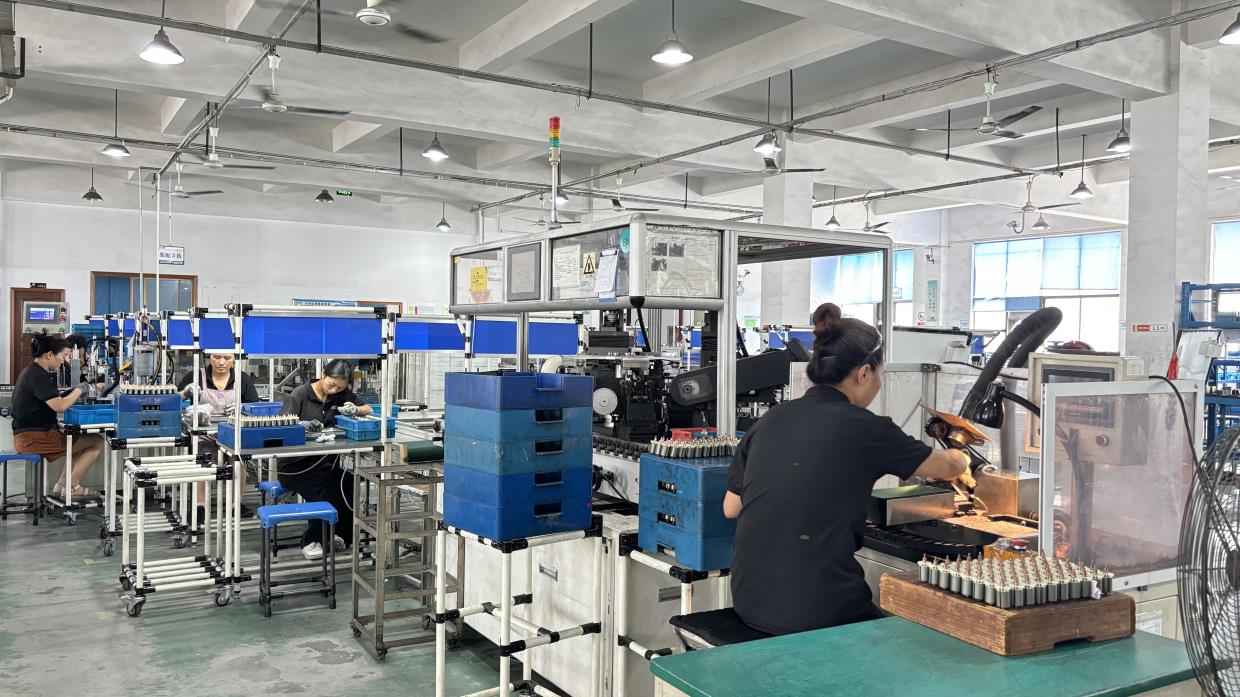
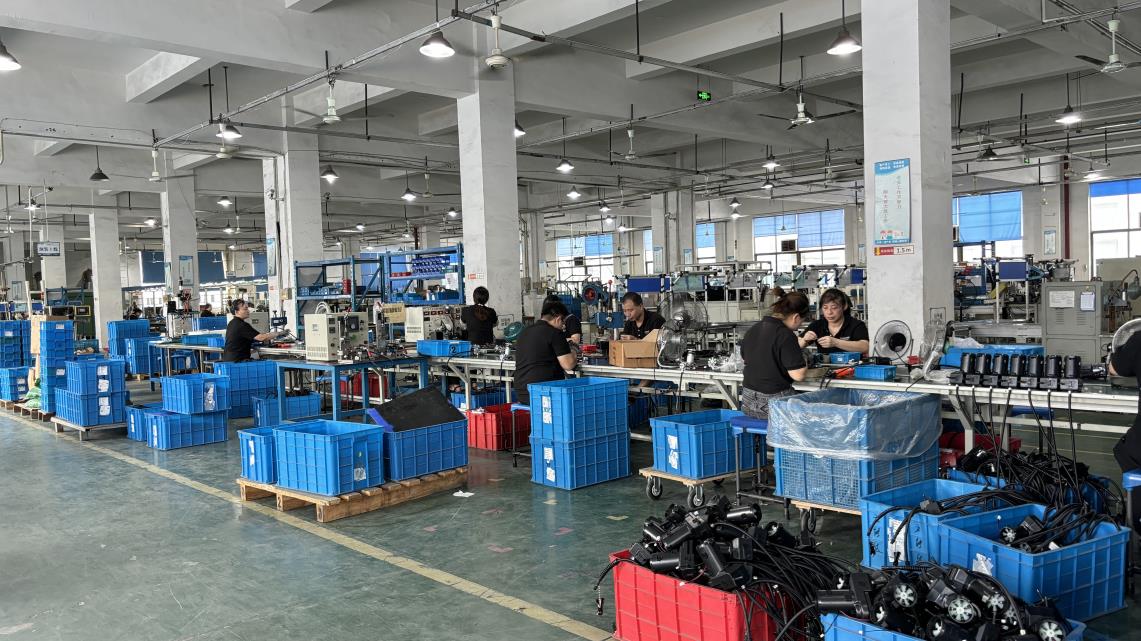
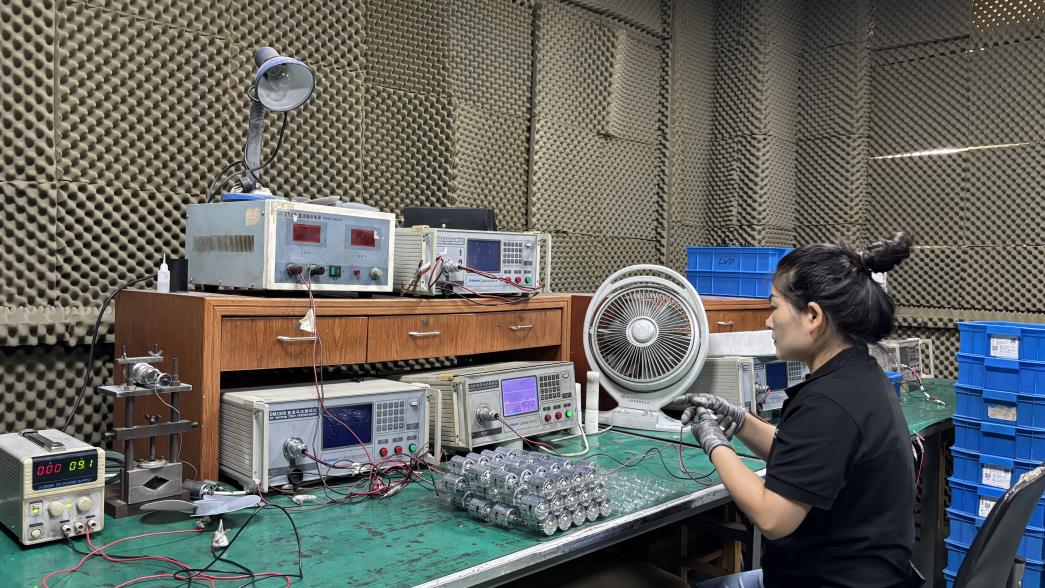
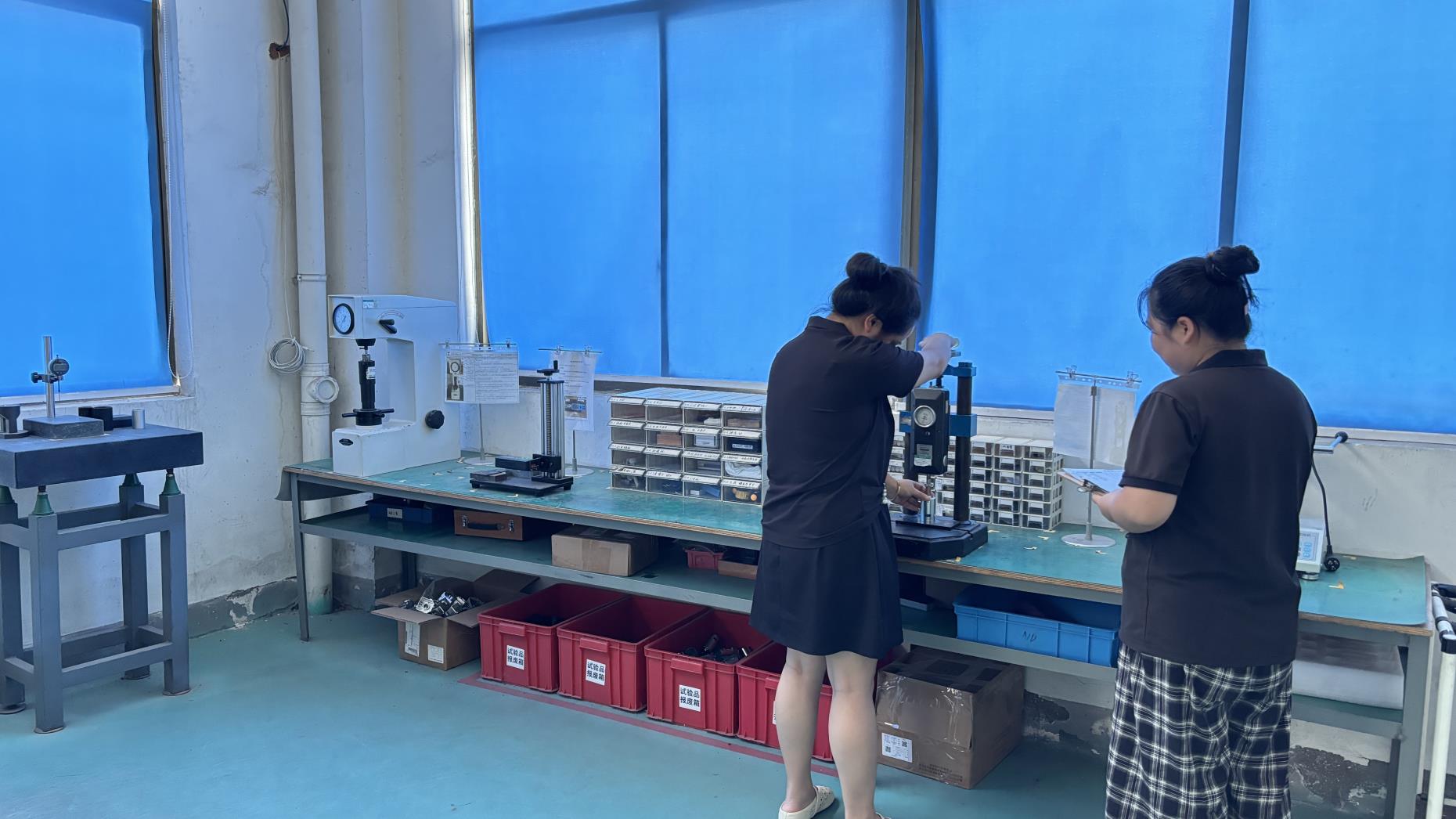
Take a look inside our ISO9001-certified factory in China, where modern automation and testing equipment ensure consistent manufacturing quality.

As industries demand greater efficiency and integration, micro-drive technologies are evolving rapidly. TQC is focused on key innovations to meet these changing needs:
By using precision needle-winding systems, we can increase the copper fill factor in the rotor slots. A higher fill factor means more copper in the same space, which increases magnetic flux, reduces electrical resistance, and improves overall efficiency.
To meet strict electromagnetic compatibility (EMC) regulations, we integrate ring varistors and capacitors directly into the commutator assemblies. This reduces arc discharge at the brush interface, lowering radio frequency interference and extending brush life.
Our motors are equipped with high-precision sintered bronze oil-impregnated sleeve bearings or double ball-bearing configurations. Ball bearings are preferred for applications with axial or radial loads, while sleeve bearings offer quiet operation in consumer electronics.
We use synthetic lubricants designed to operate reliably across wide temperature ranges (-40°C to +120°C). Selecting the right lubricant reduces friction, prevents wear, and ensures consistent starting performance in cold environments.
Technical answers to help engineers and procurement teams select and integrate micro brushed DC motors.
Choose carbon brushes for high currents, heavy loads, and continuous operation. Choose precious metal brushes for low-current applications that require low electrical noise, minimal starting voltage, and compact design.
We can customize the shaft length, diameter, and shape (D-cut, cross-holes, knurling). We can also adjust the winding resistance to match specific voltage, speed, and torque targets, and offer custom wire leads, connectors, and suppression components.
Our quality control system includes testing of raw materials, automatic checks during assembly, and a final test of 100% of finished motors. We verify starting voltage, electrical current, rotational speed, and rotor balance before shipment.
All TQC products comply with CE, RoHS, and REACH directives. This ensures that they meet European safety, health, and environmental standards and are safe for global integration.
We design components with low-tolerance sleeve bearings, perform rotor balancing, and use sound-damping carbon brushes. We also test completed units in our silent test room to verify they meet low-decibel standards.
Explore our complete range of customizable micro DC motors, offering various voltages, speed ranges, and torque ratings for industrial applications.