TQC Micromotor
TQC Micromotor
TQC Micromotor
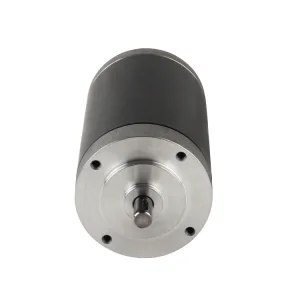
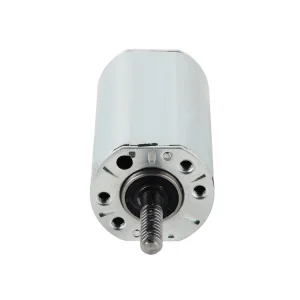
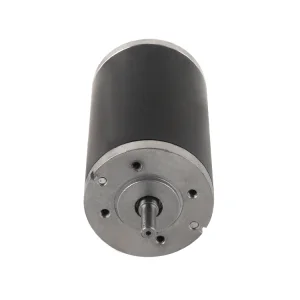
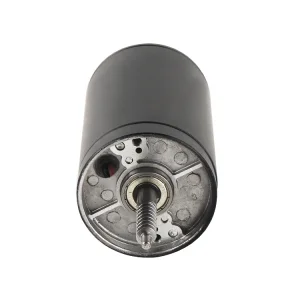
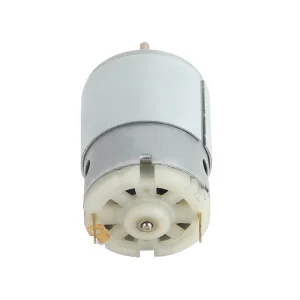
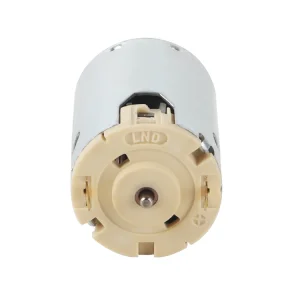
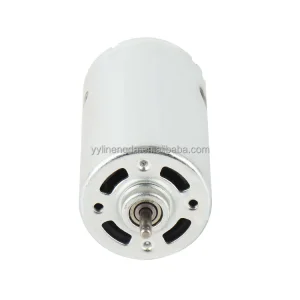
Explore our top-tier catalog of micro brushed DC motors, permanent magnet options, and custom engineering-grade small motors designed to meet rigorous B2B requirements.
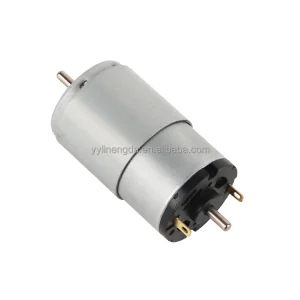
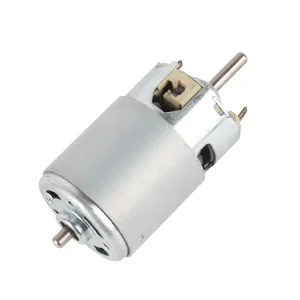
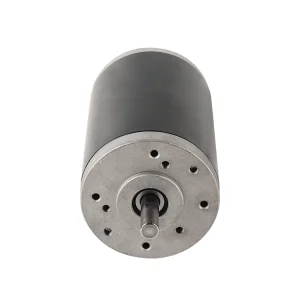
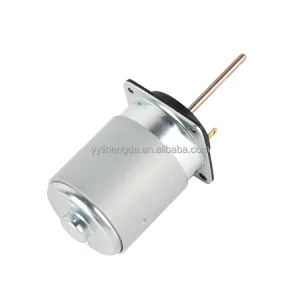
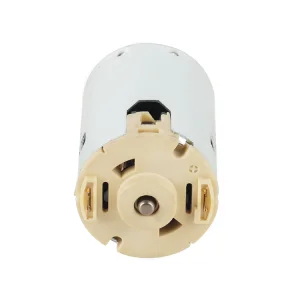
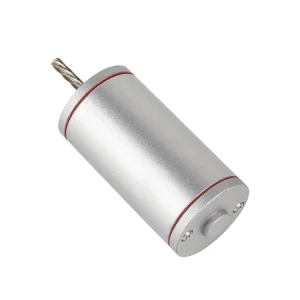
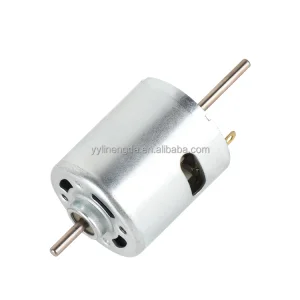
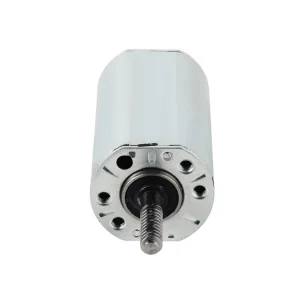
At TQC Micromotor, we believe that global innovation shouldn't be limited by size. For two decades, we have dedicated ourselves to a single, relentless pursuit: designing, engineering, and manufacturing high-performance micro-drive solutions that keep modern industries moving forward. Based in China, we operate a state-of-the-art, ISO9001-certified production facility specializing in Micro DC Motors, DC Gear Motors, and Brushless DC Motors (BLDC).
The name TQC represents our foundational pillars: Top Quality & Customization. We understand that applications like smart home automation, medical devices, automotive electronics, and precision robotics demand uncompromised reliability. That is why every TQC micro motor is built with an exceptional power-to-size ratio, ultra-low noise acoustics, and an extended operational lifespan, backed by strict 100% in-house quality control and international certifications (CE, RoHS, REACH).
We don’t just supply standard hardware; we act as a strategic R&D partner. With a robust engineering team holding multiple industry patents, TQC thrives on solving complex mechanical challenges through flexible OEM/ODM custom solutions. From custom shaft configurations and custom voltage tuning to specialized bespoke gearheads, we turn your technical blueprints into high-volume, cost-effective reality.

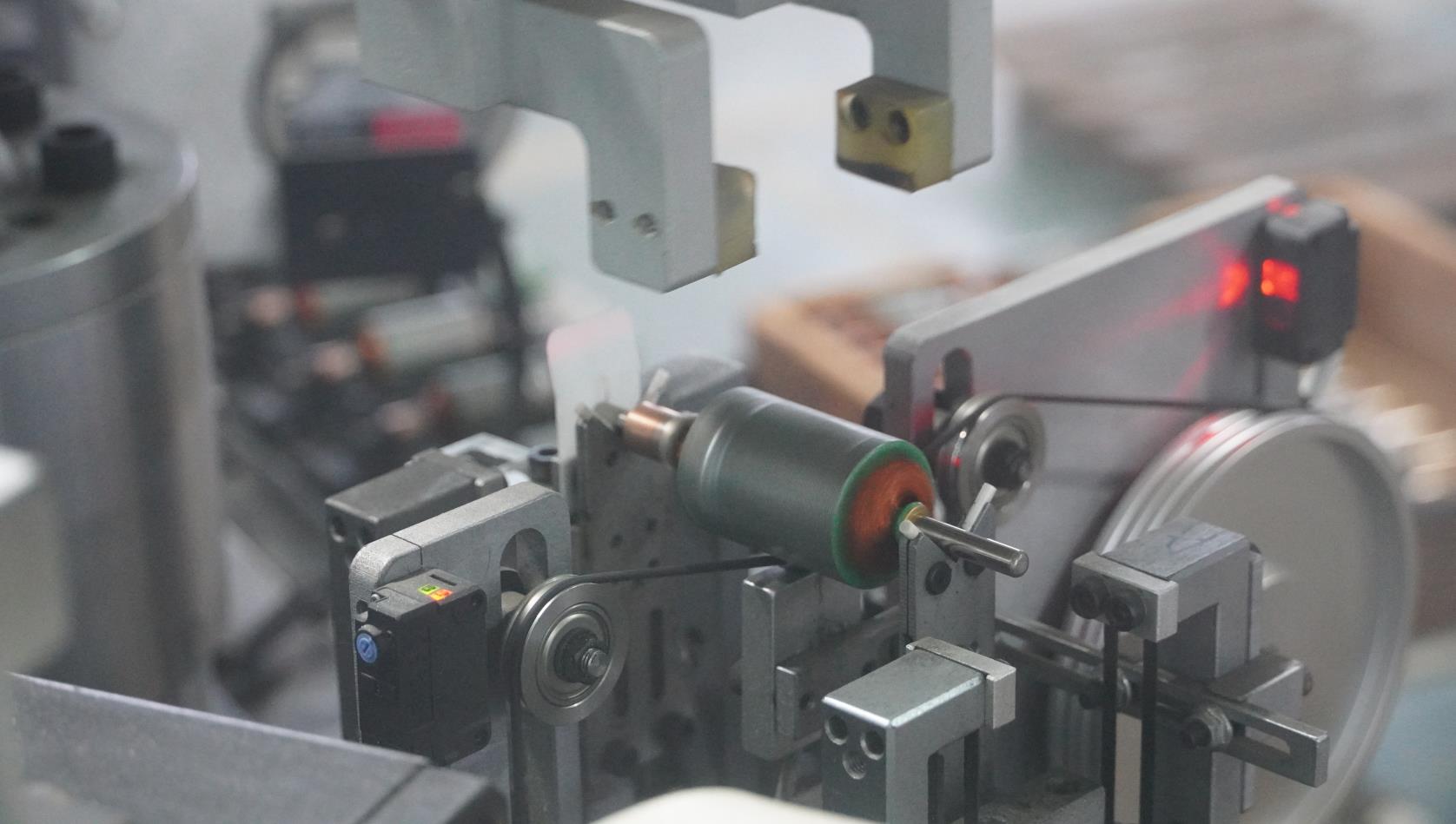
Take a deep look inside TQC Micromotor’s state-of-the-art production floors, showcasing advanced rotor winding, precise commutator balancing, and multi-tier testing.
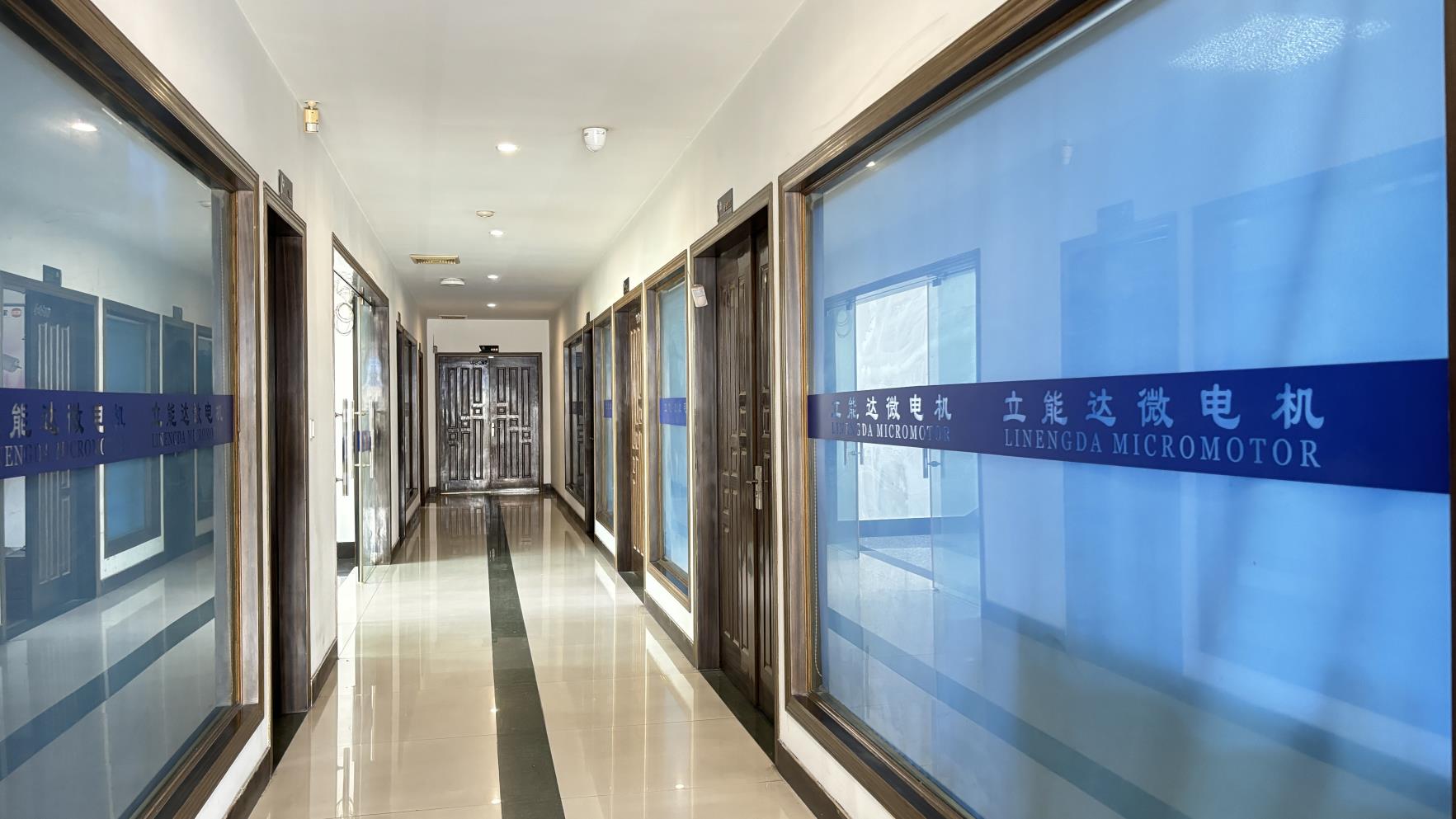
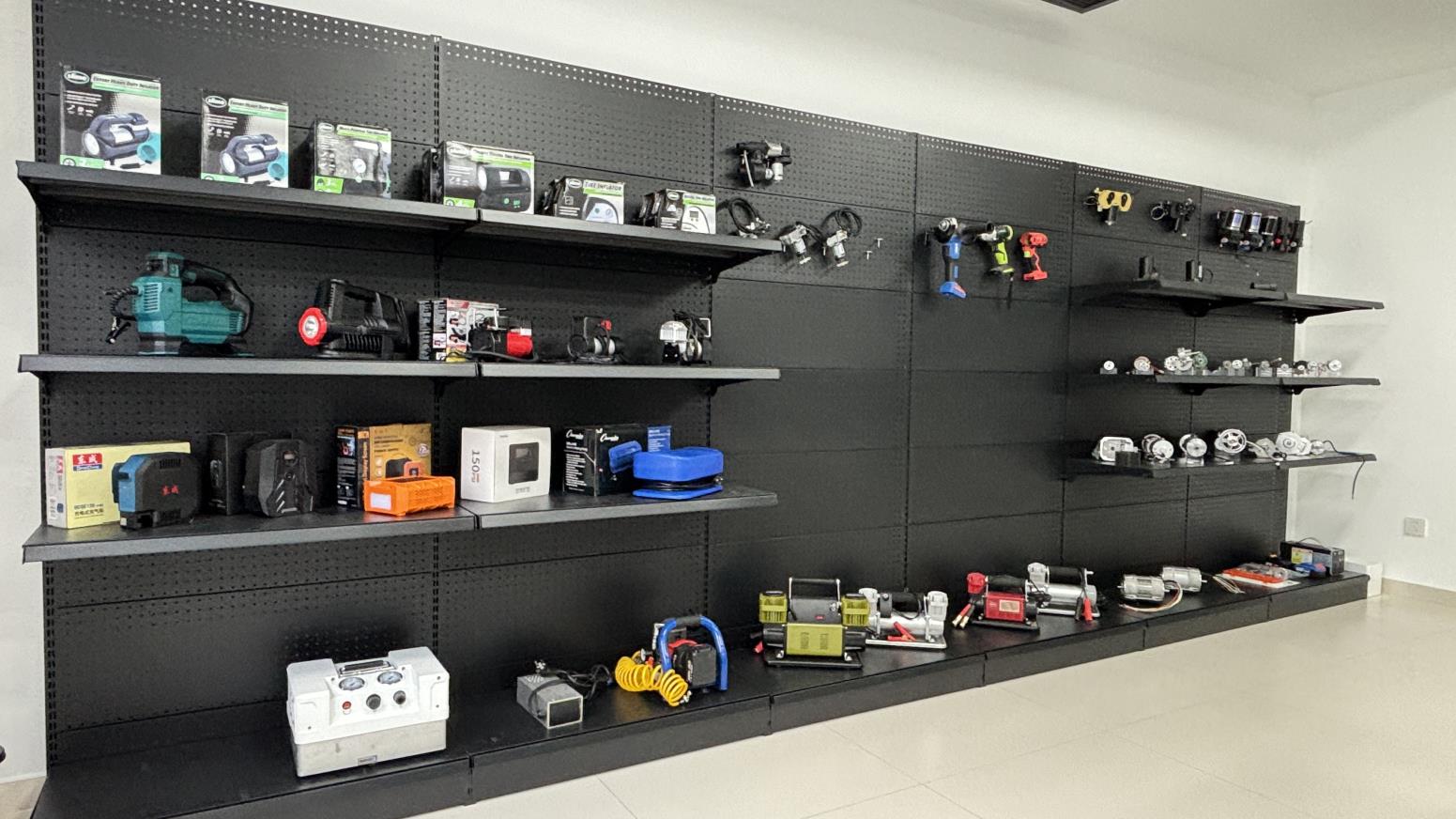
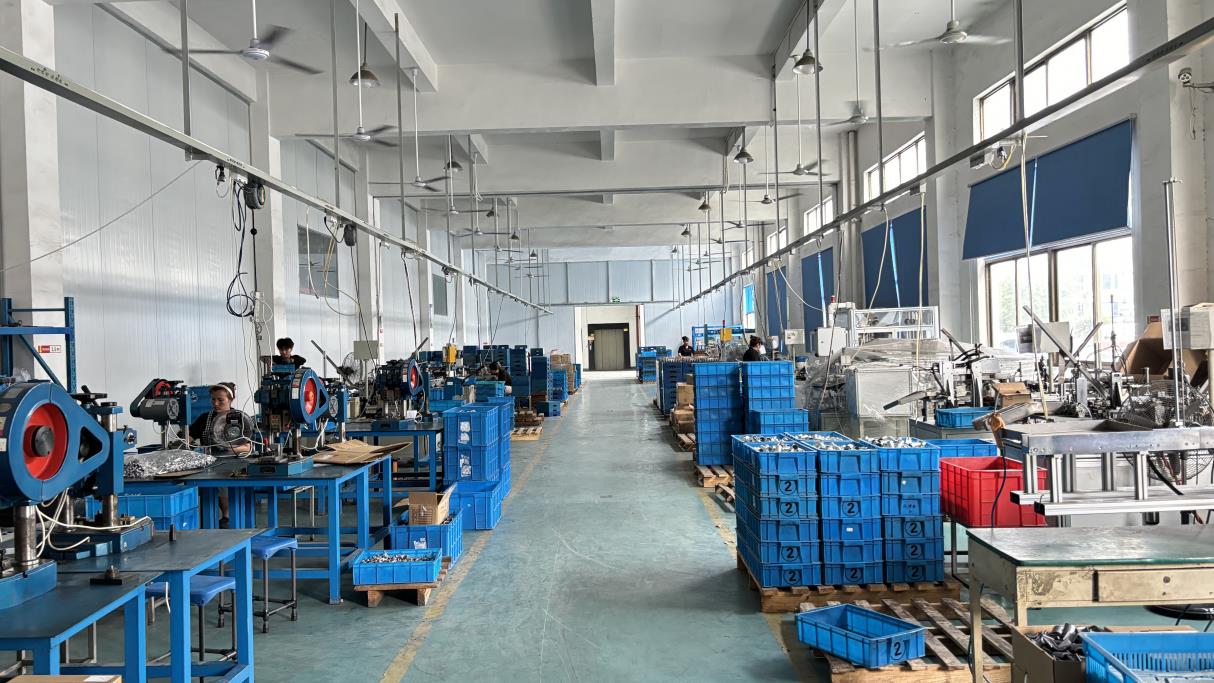
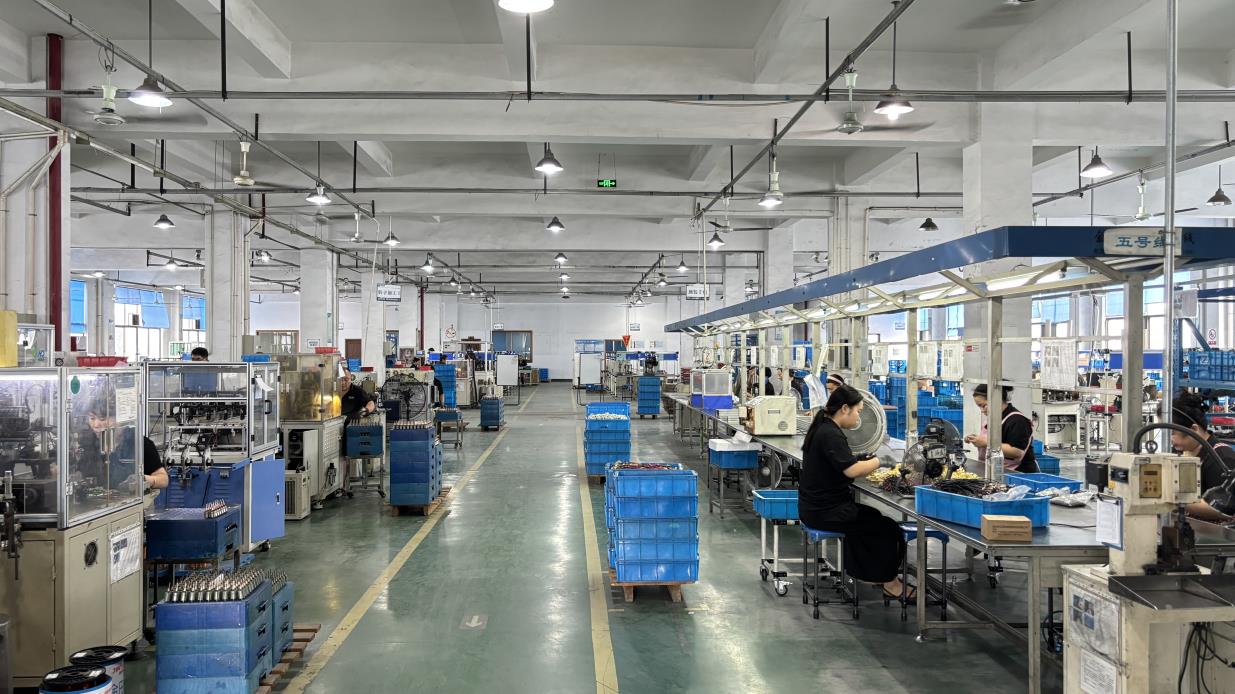
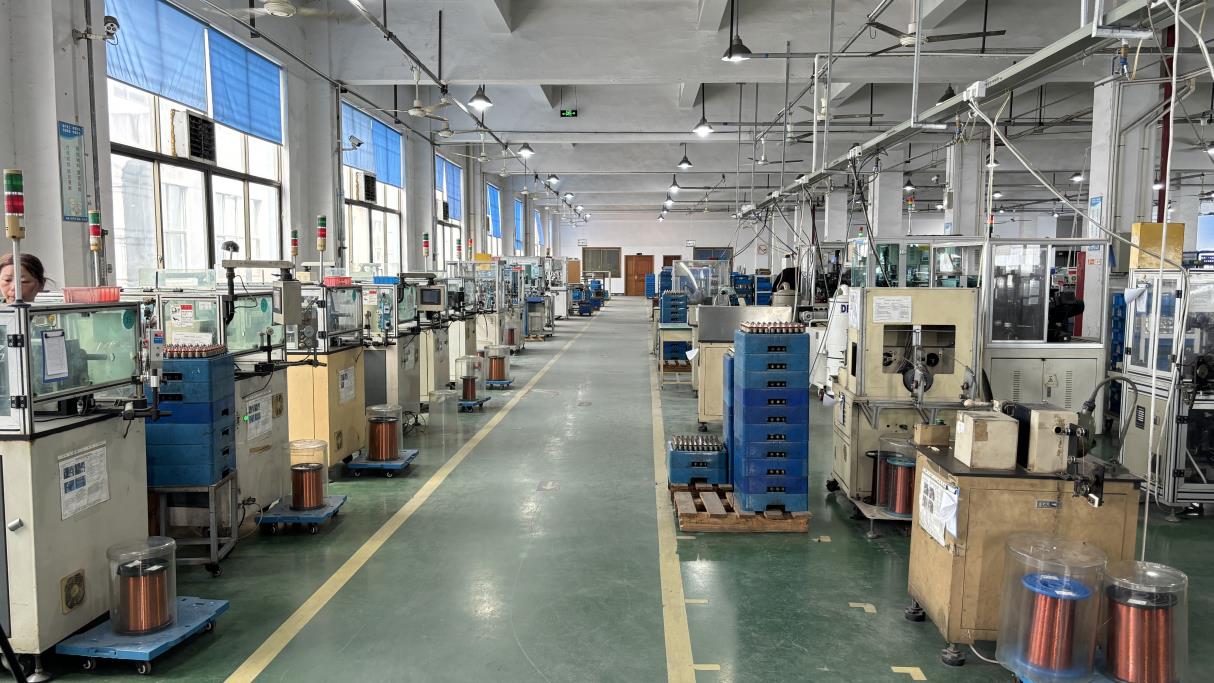
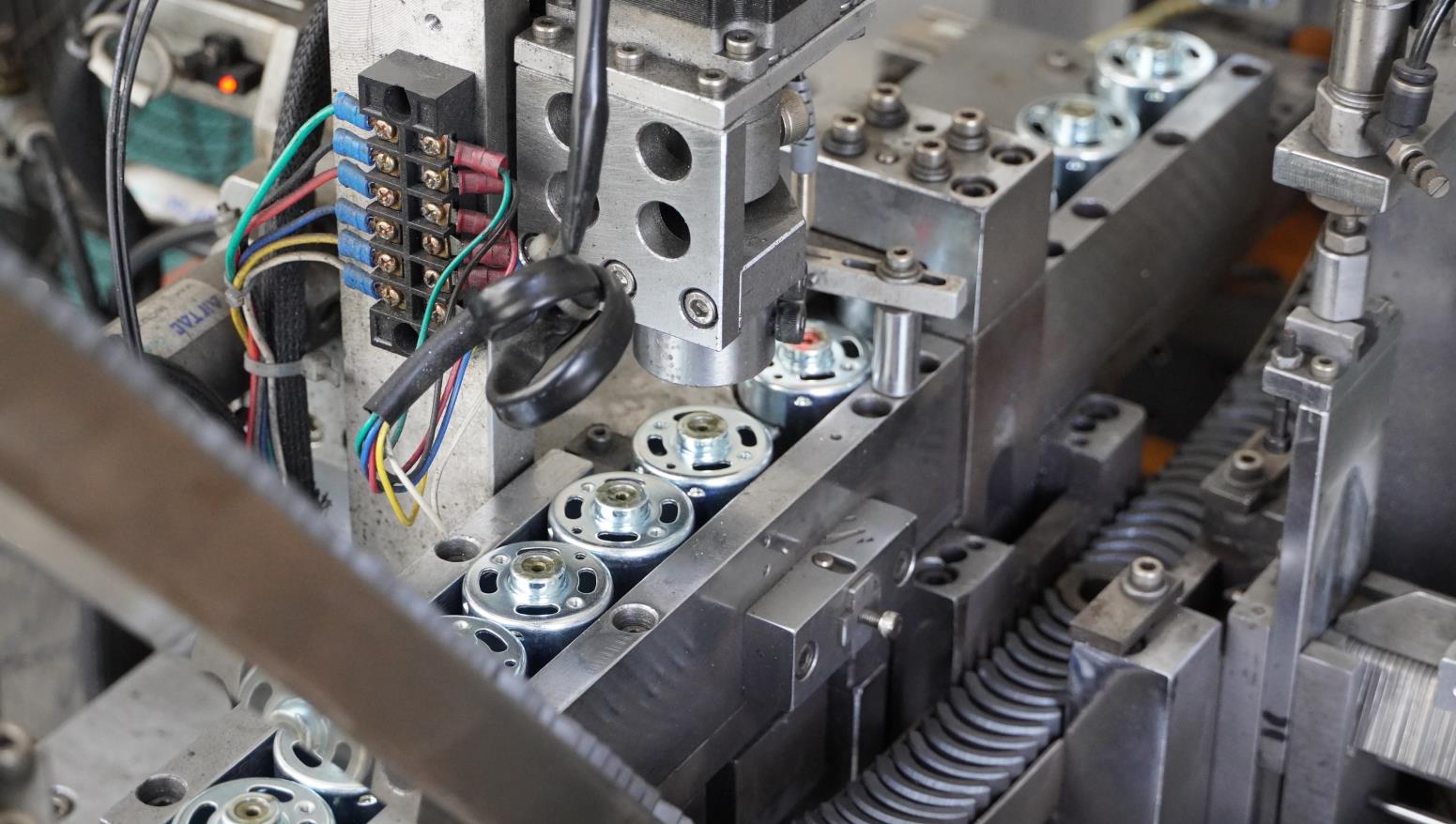
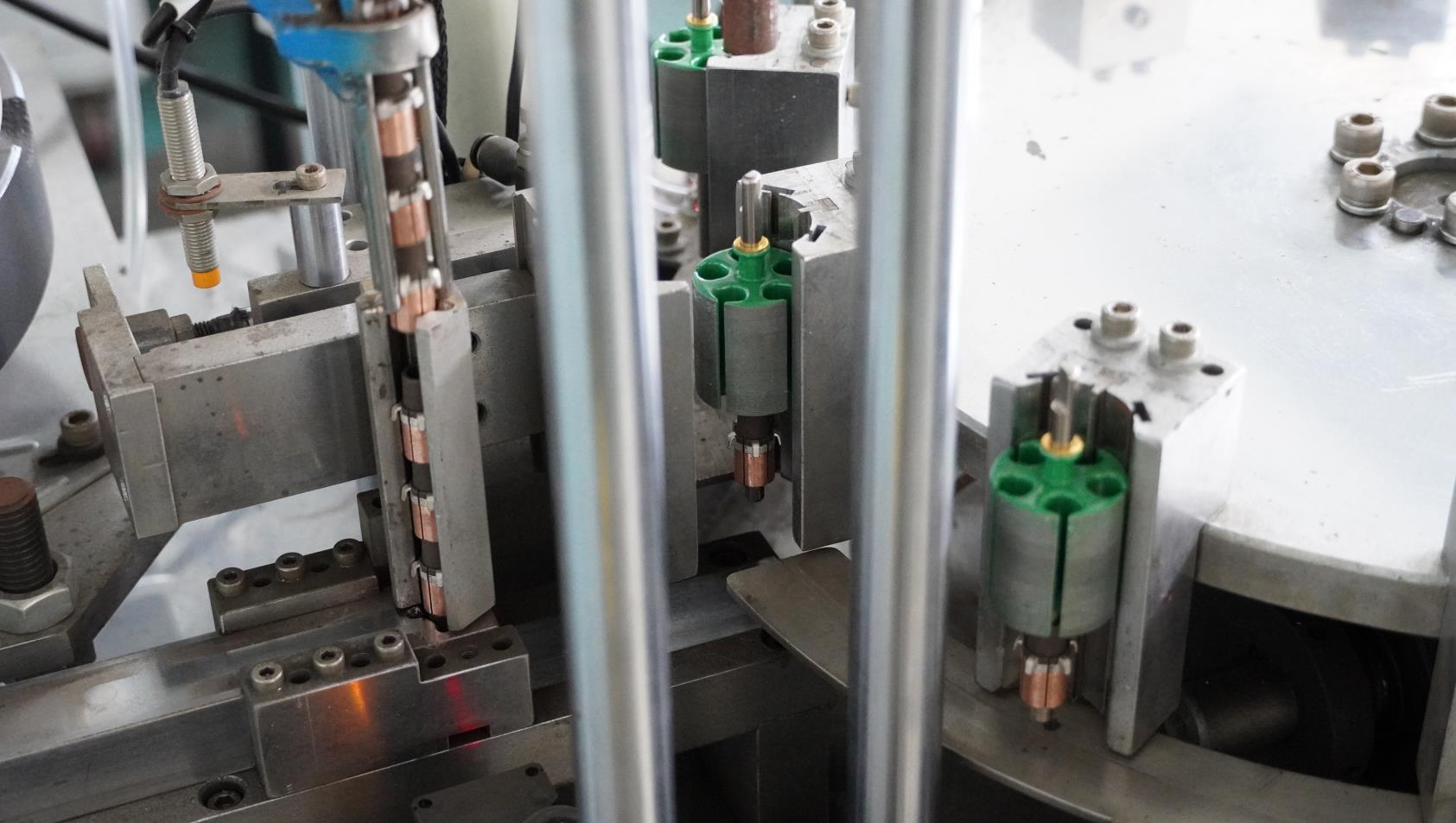
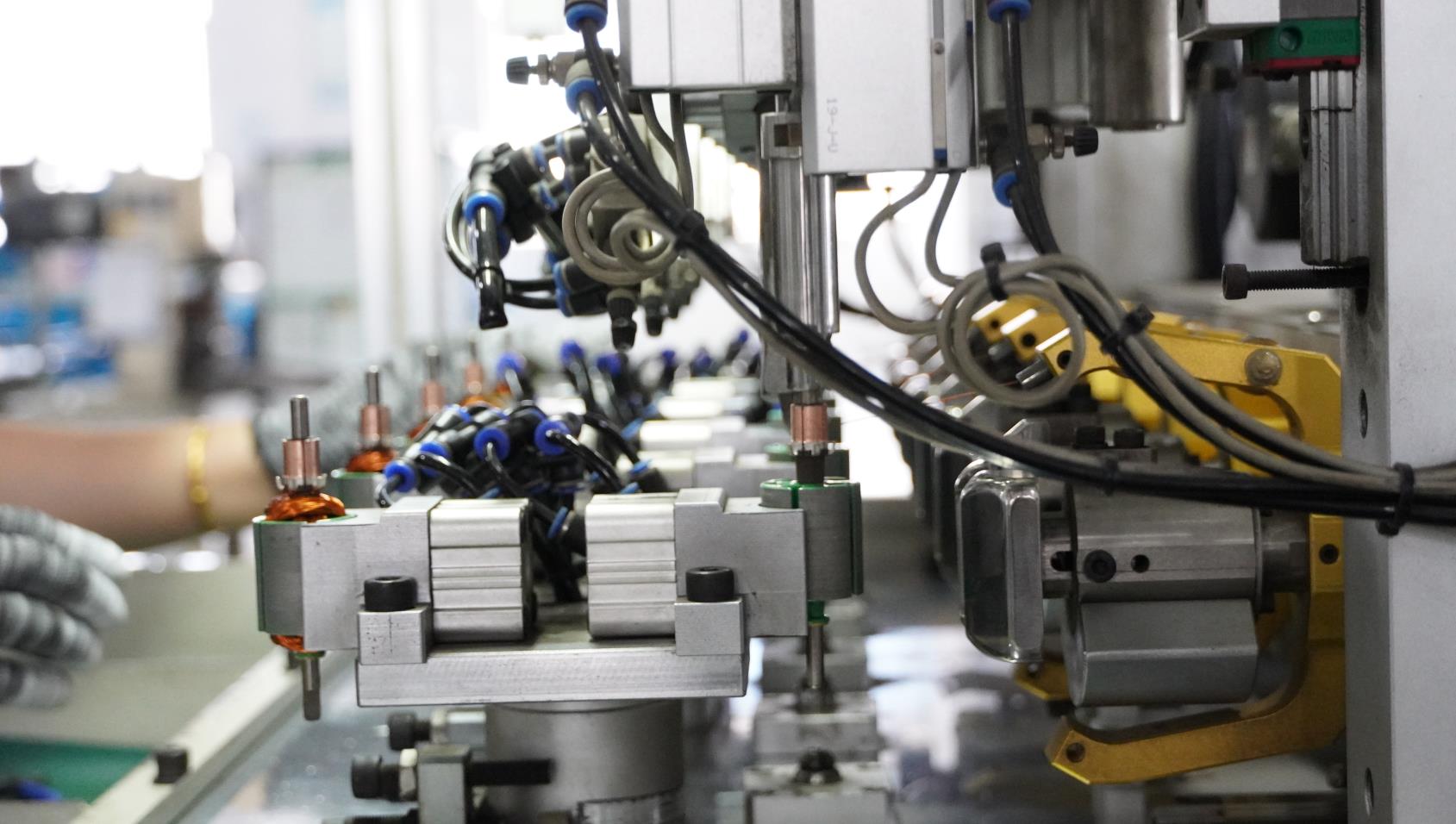
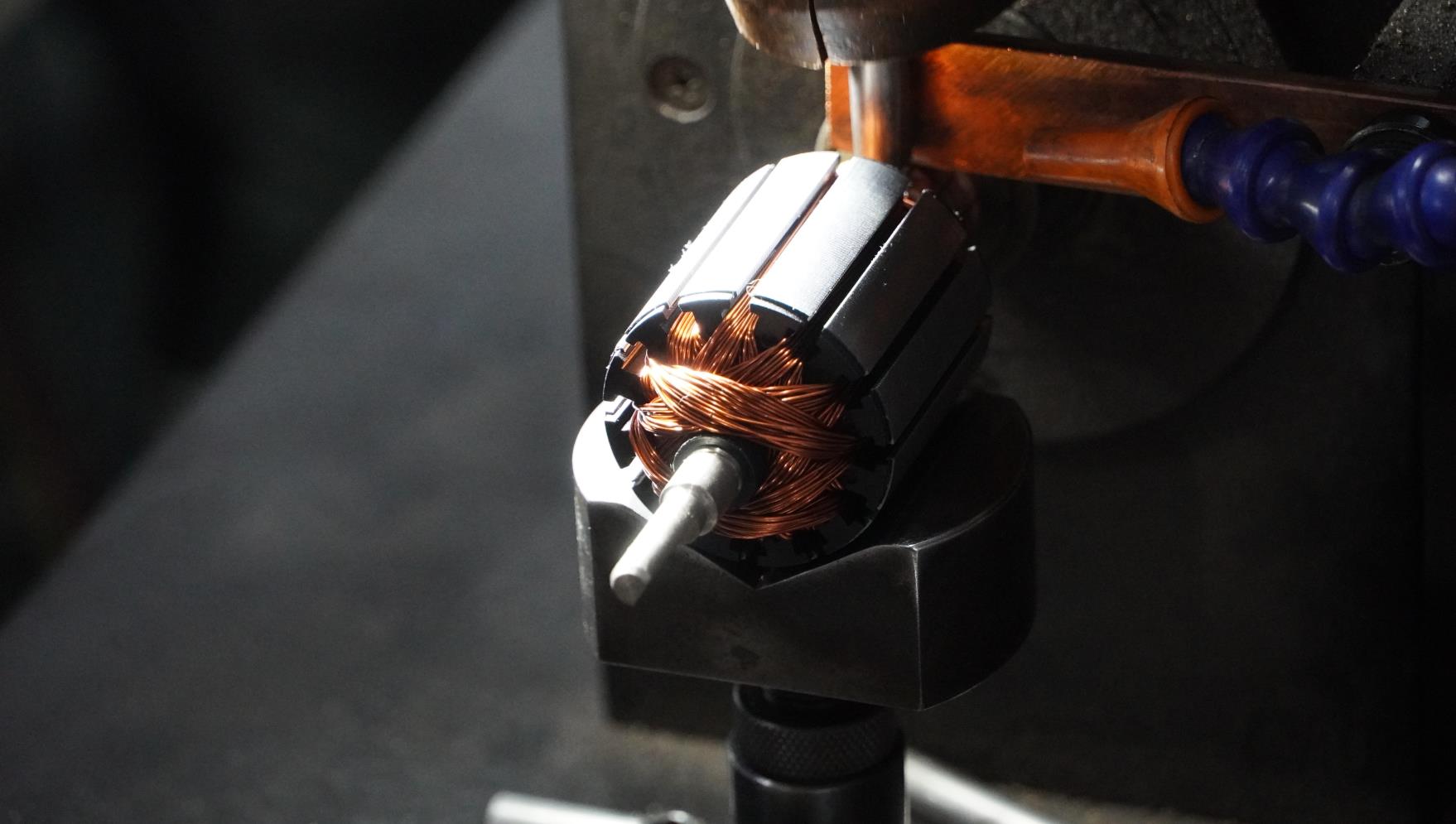
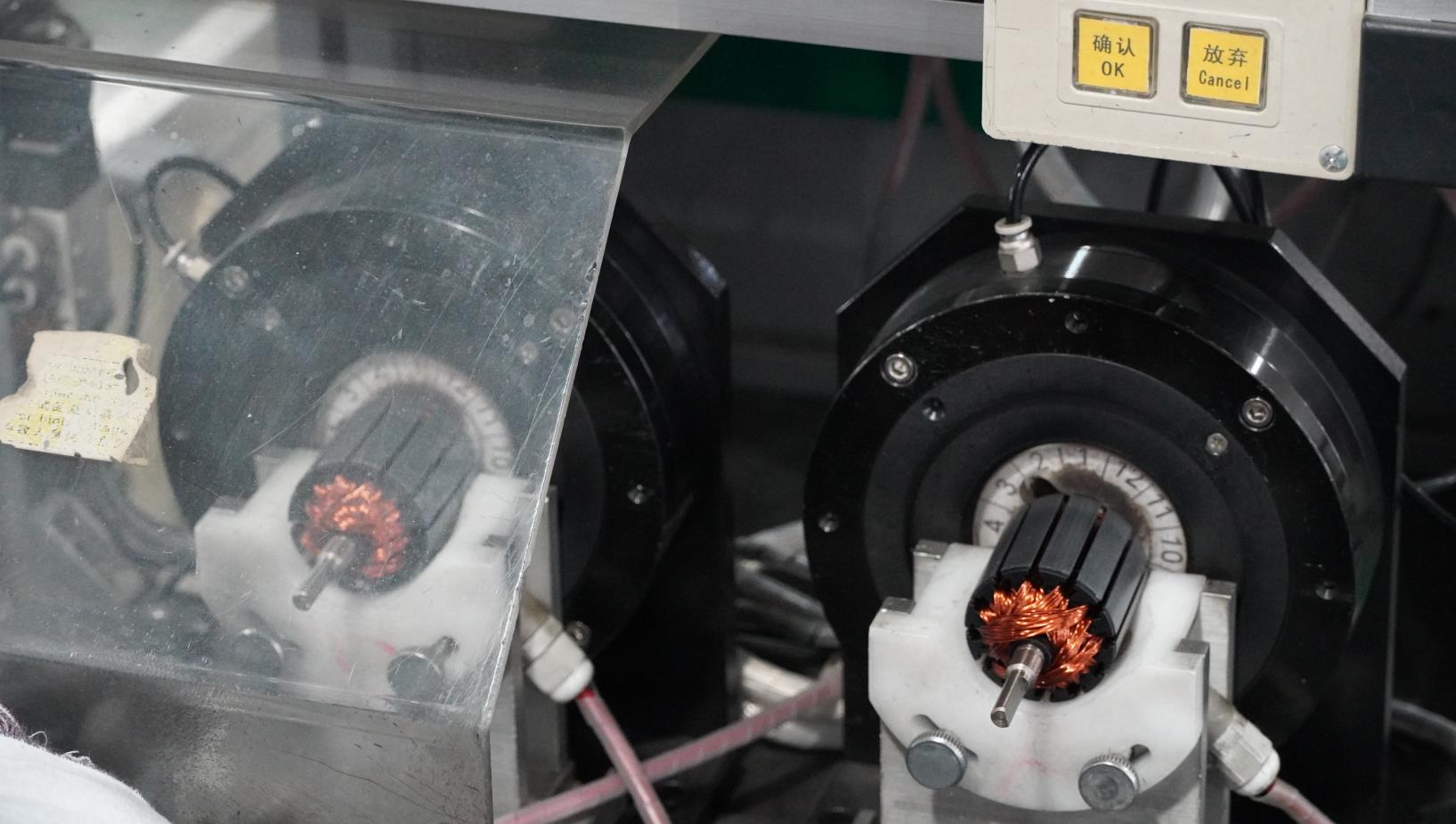
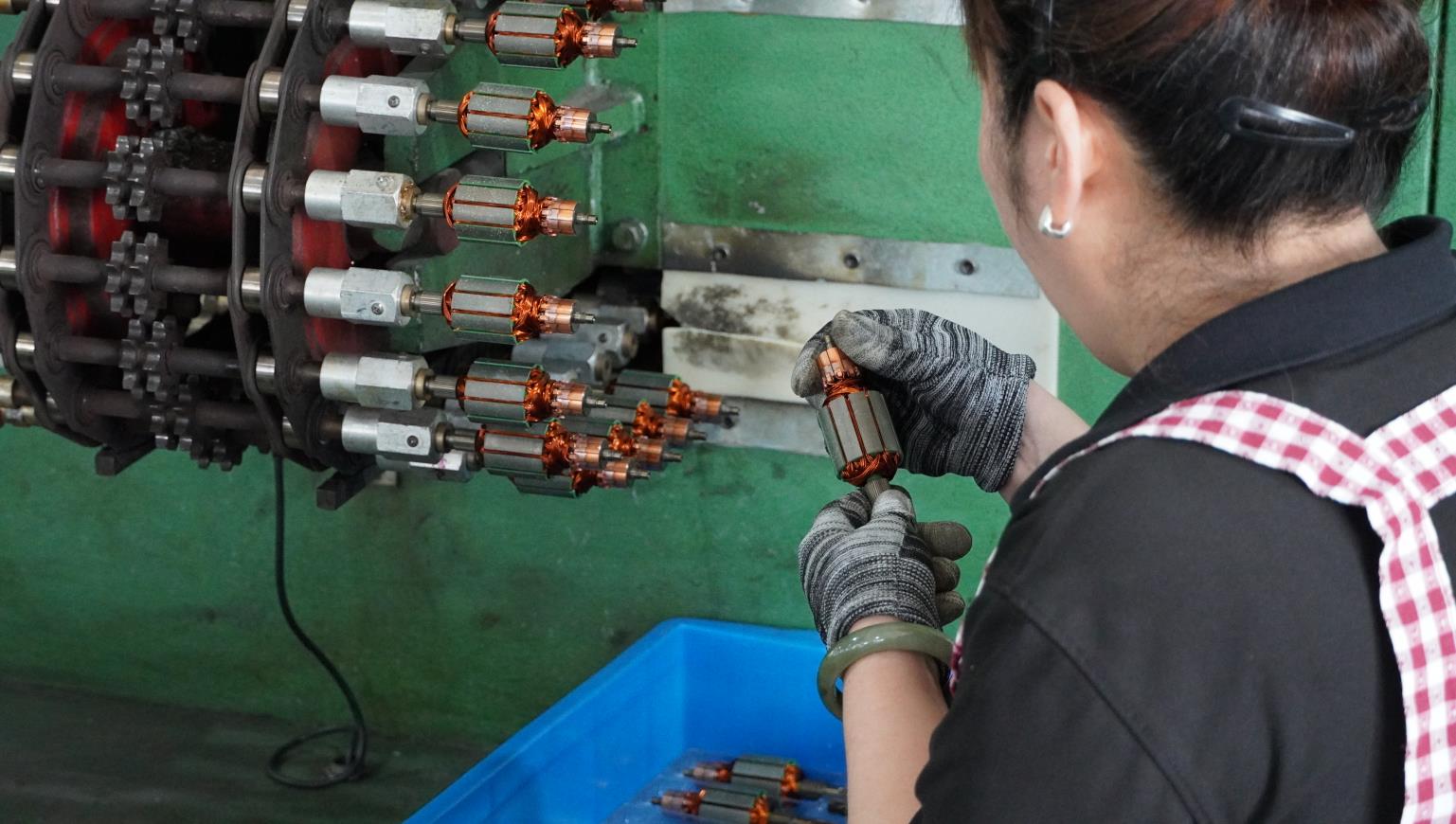
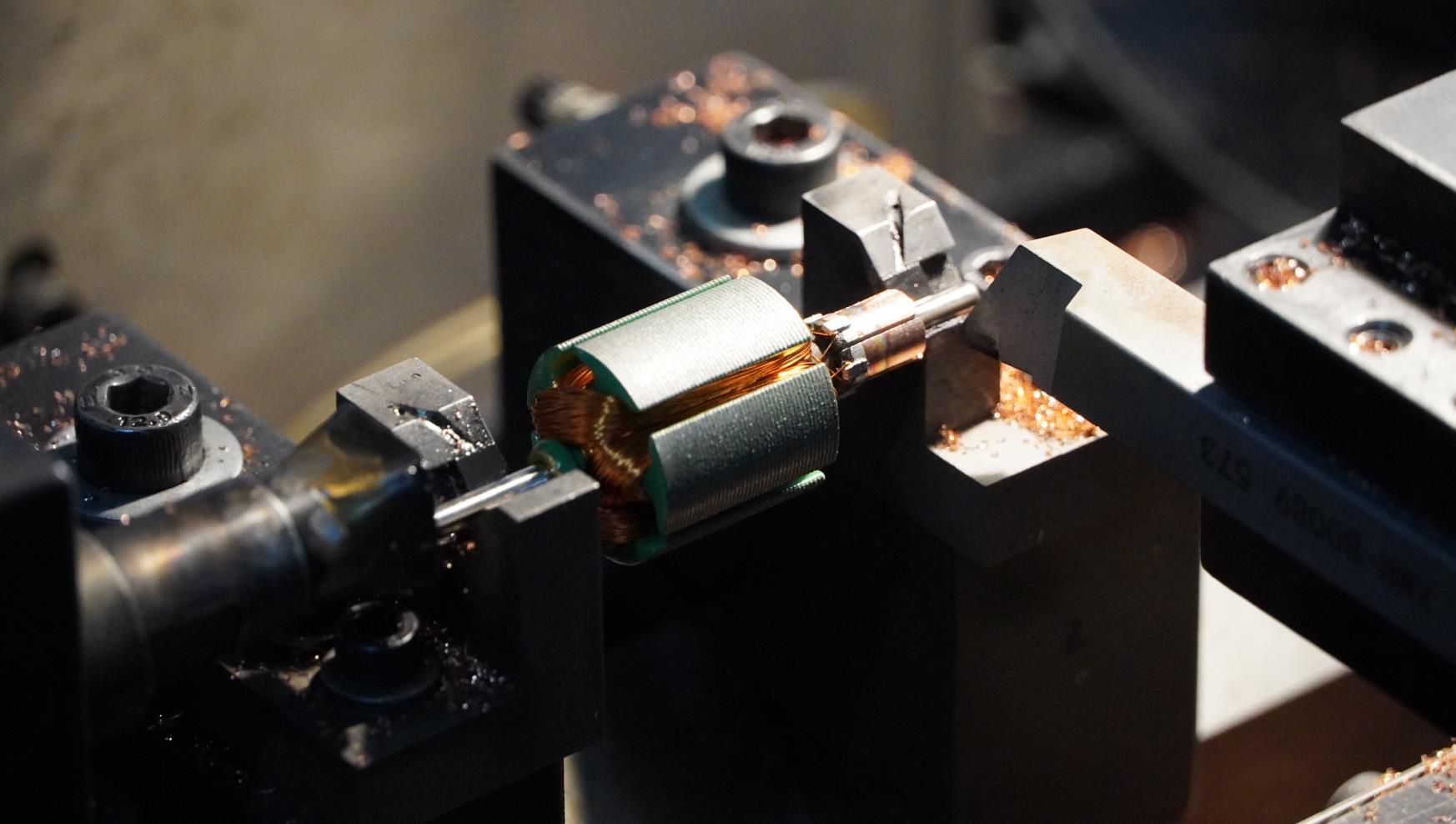
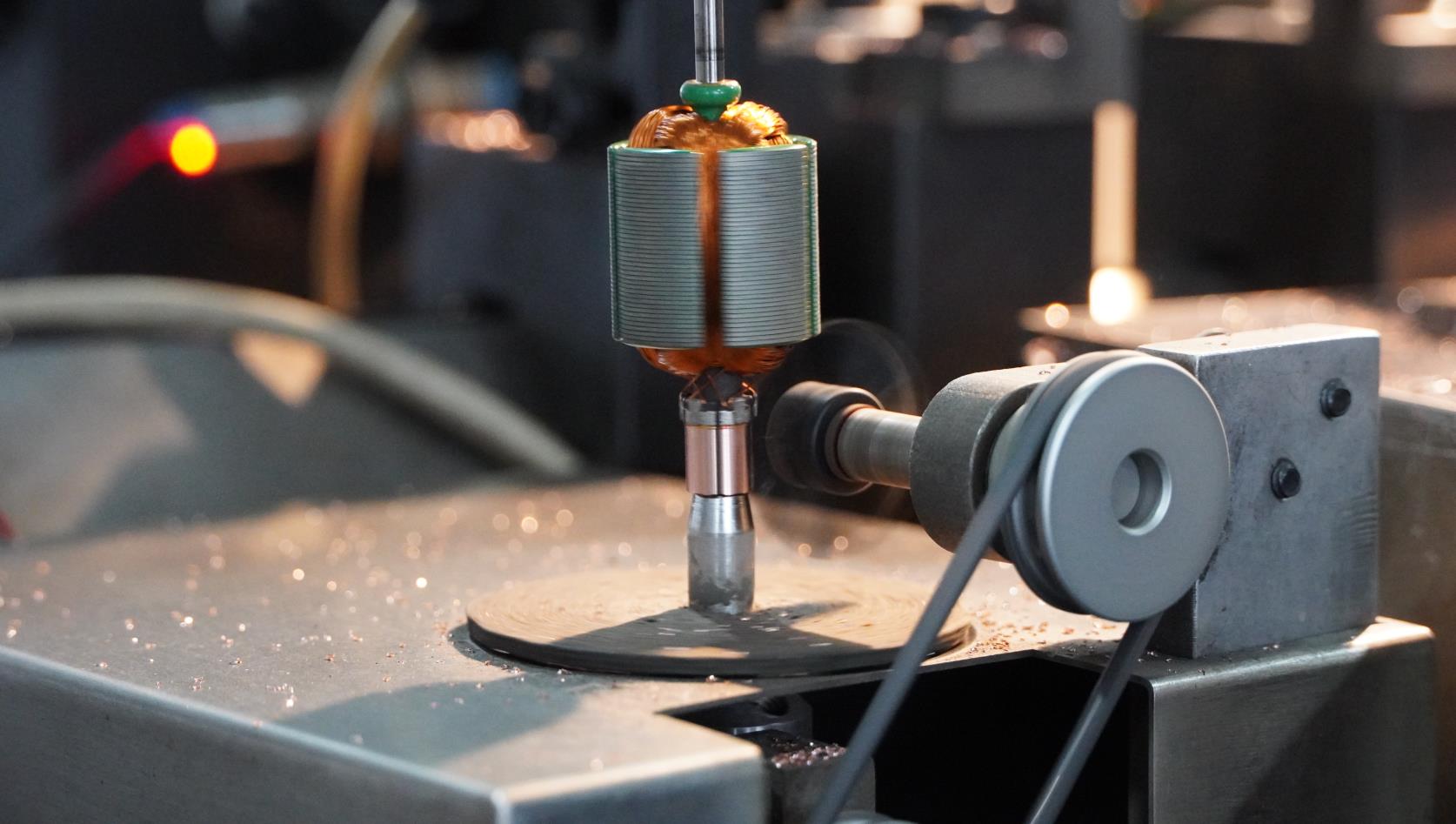
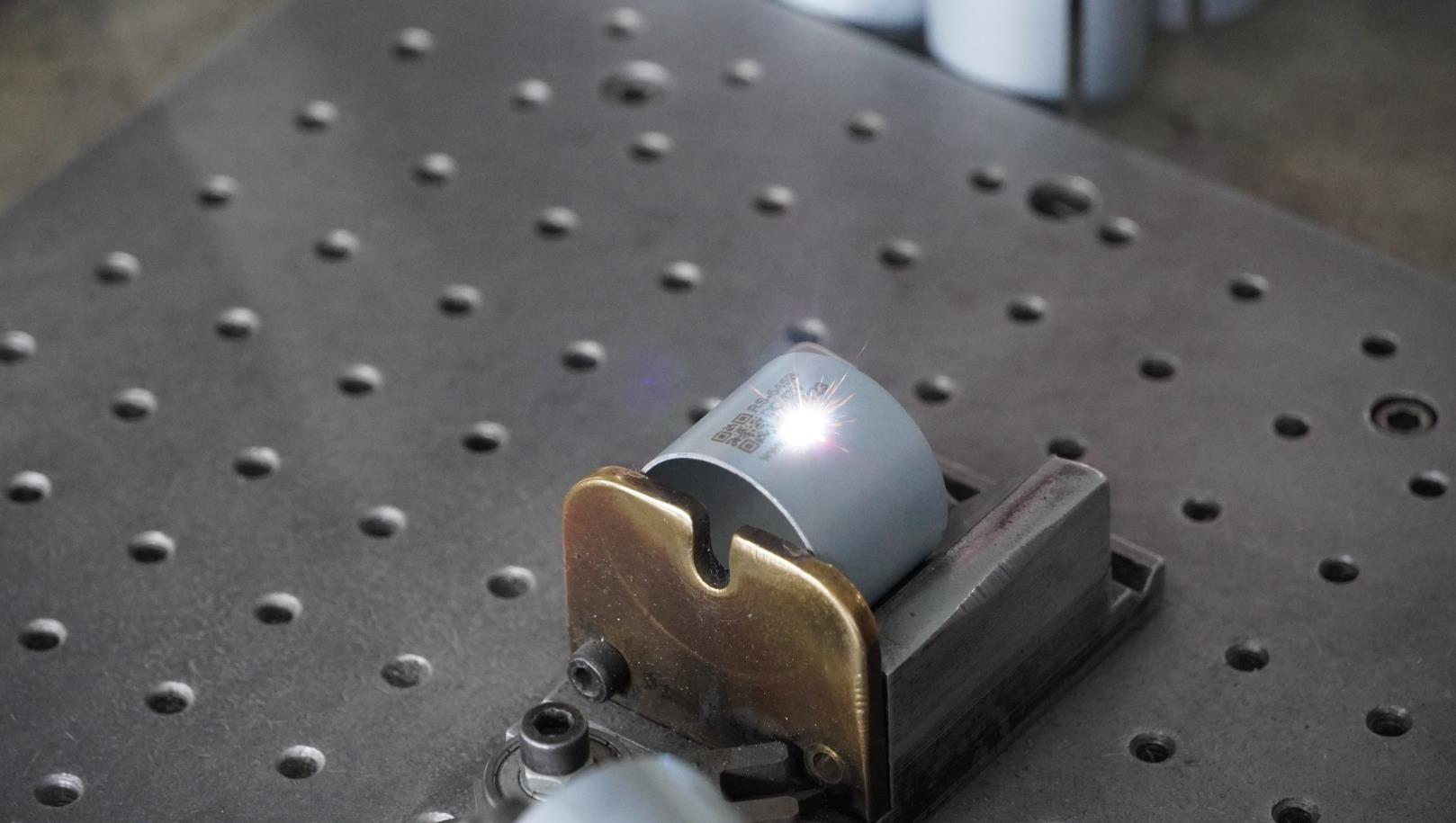
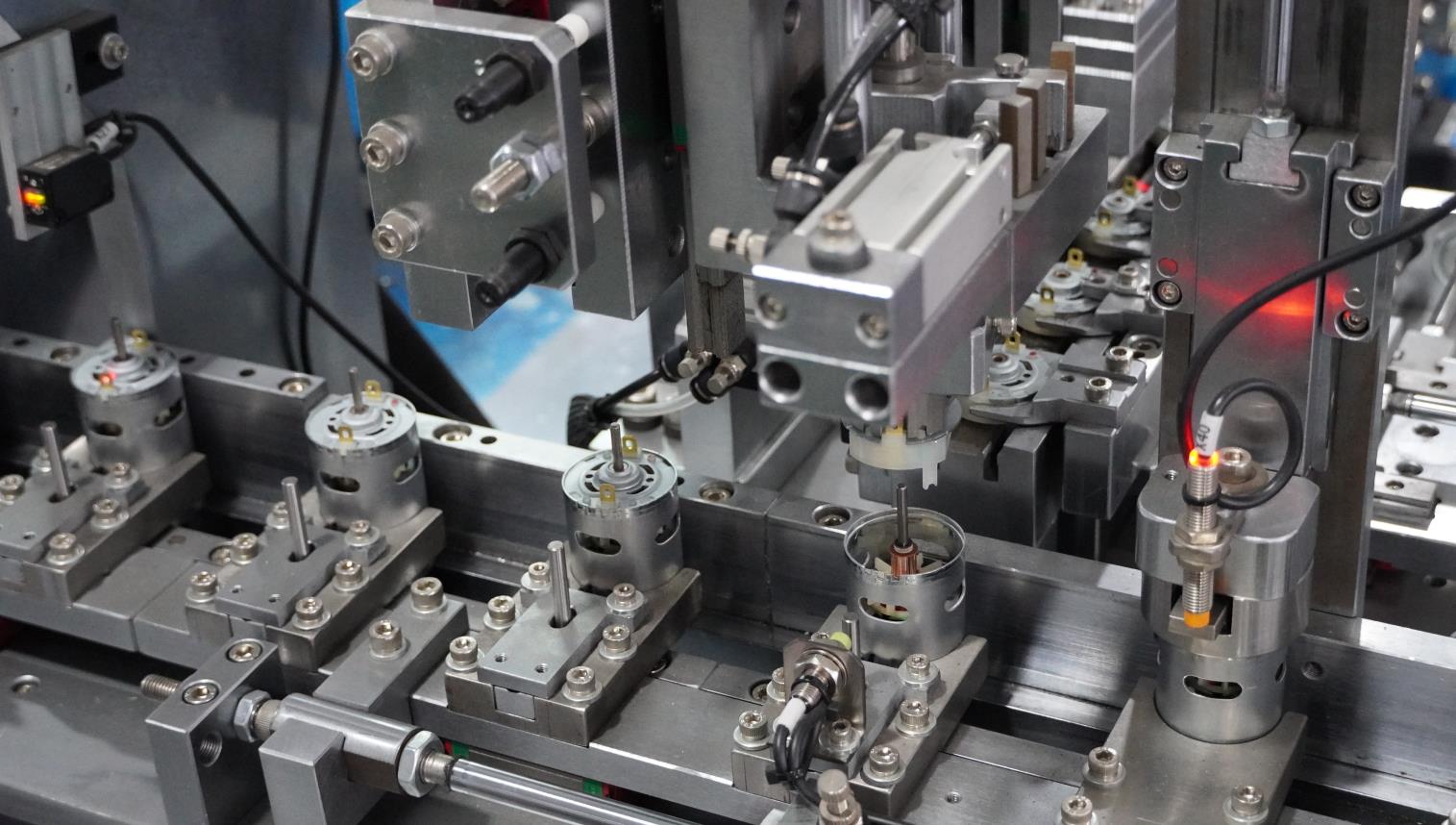
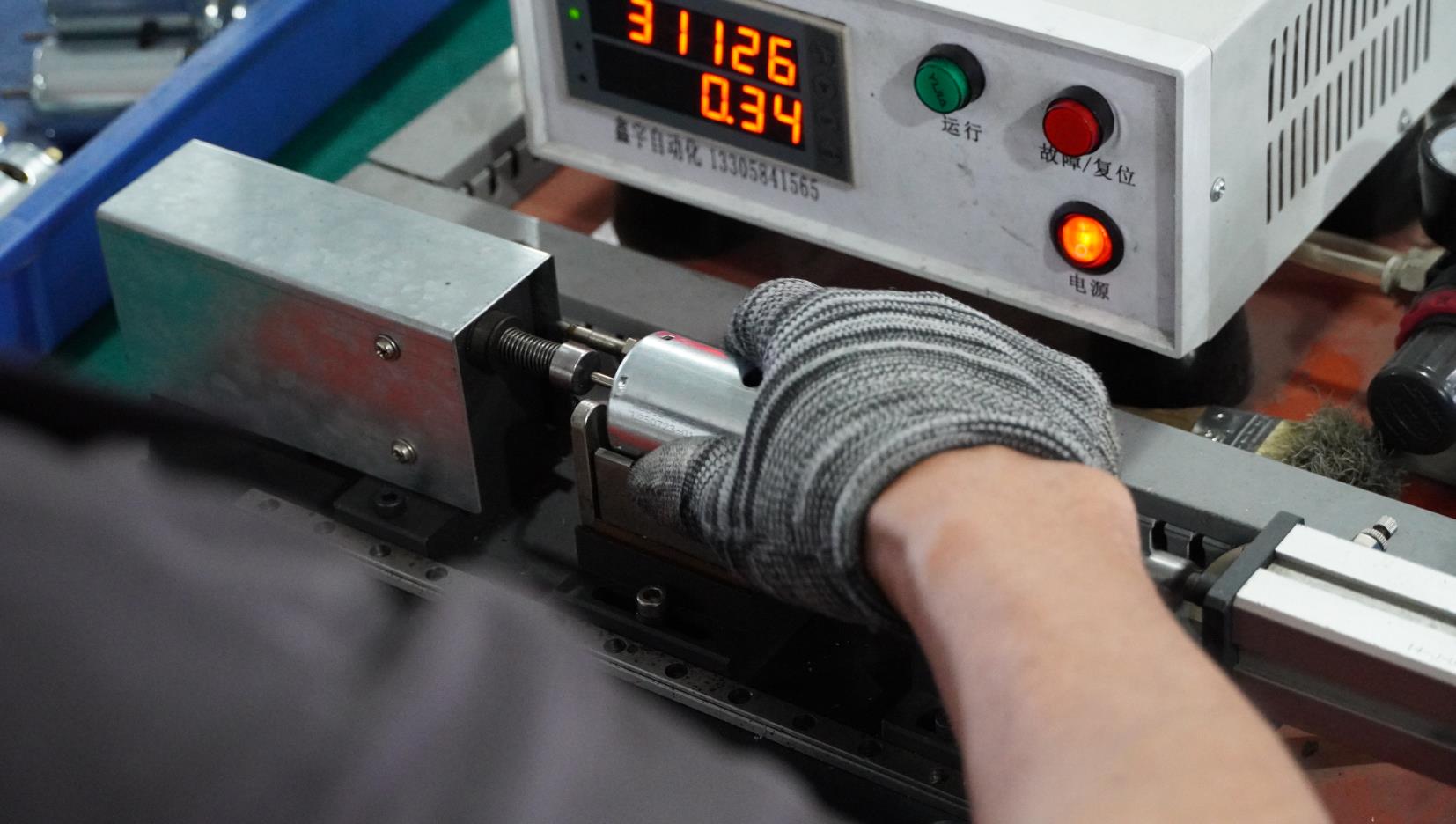
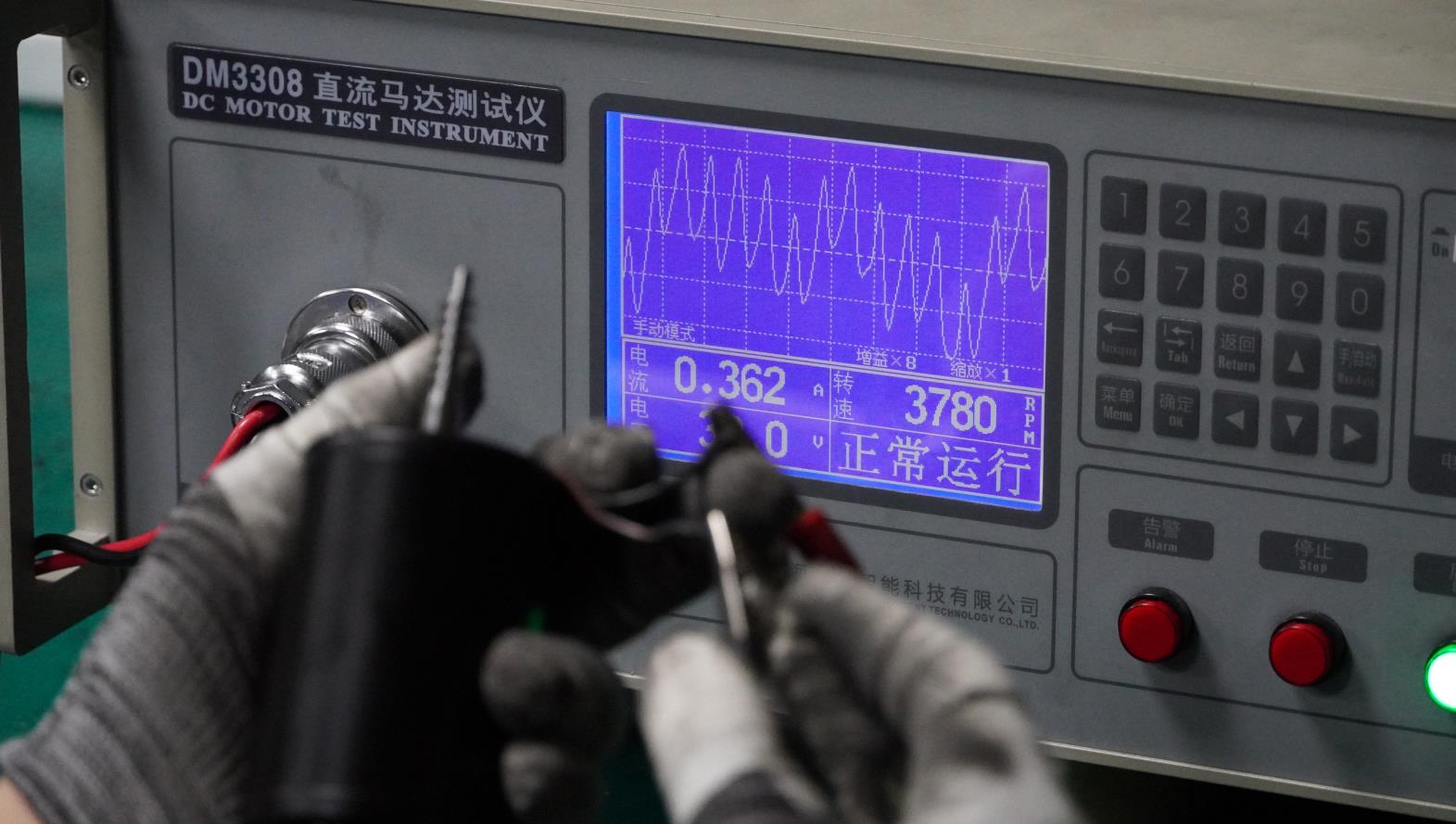
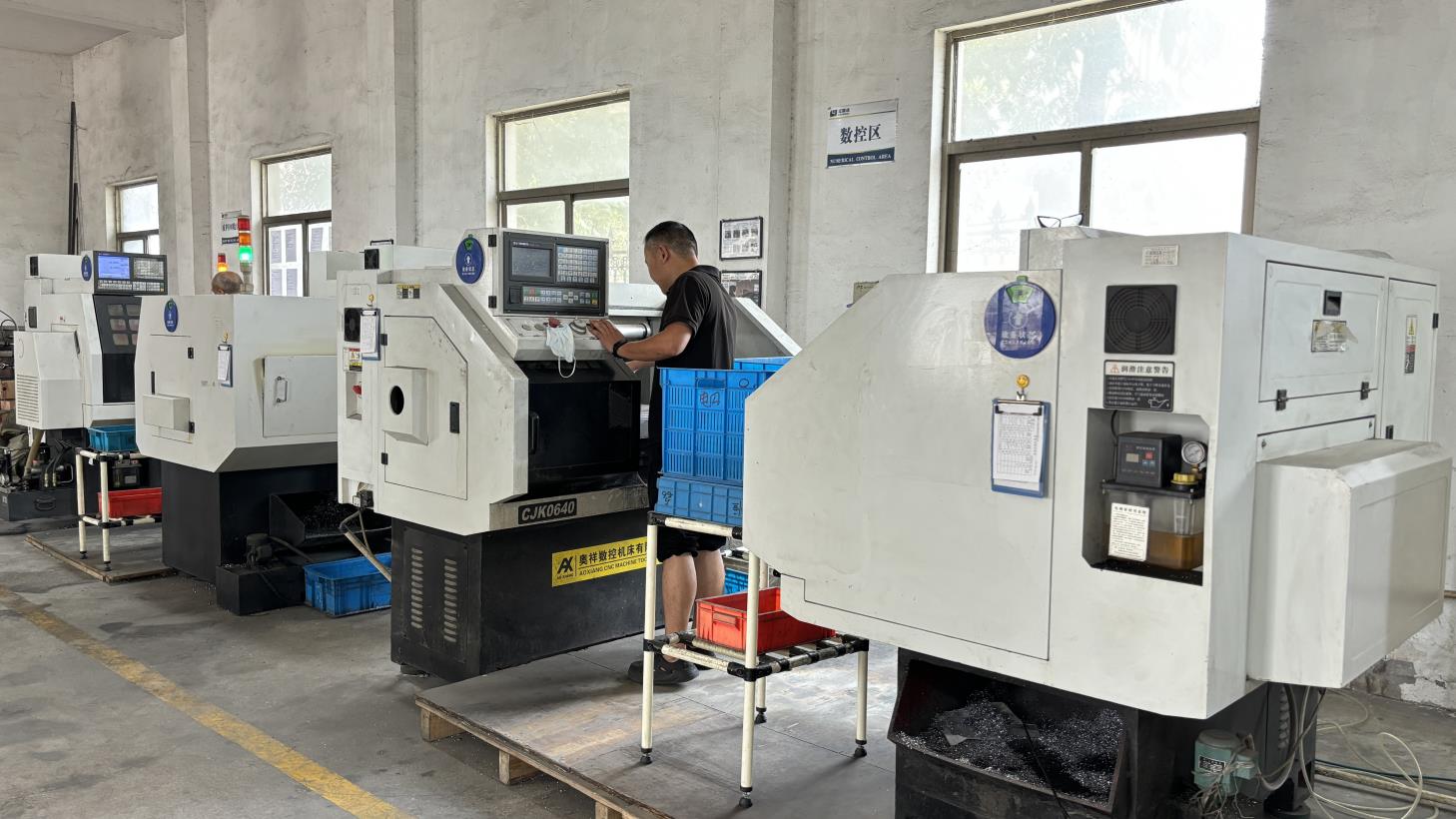
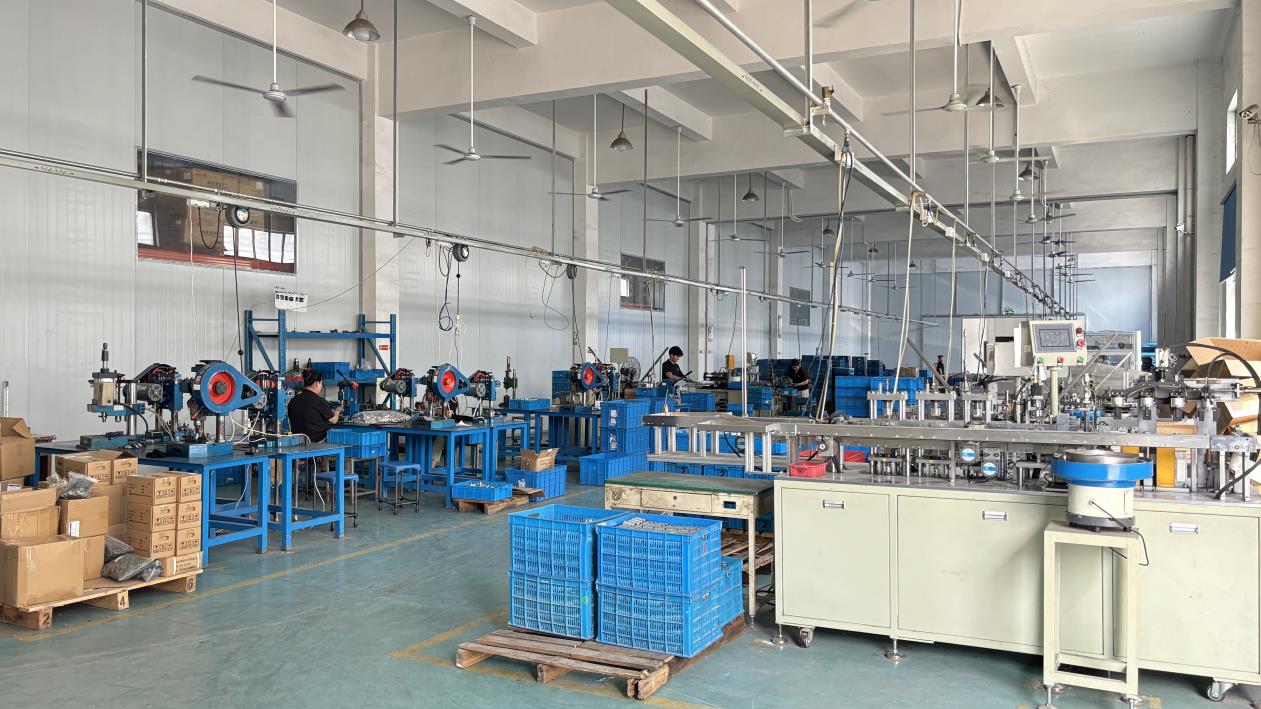
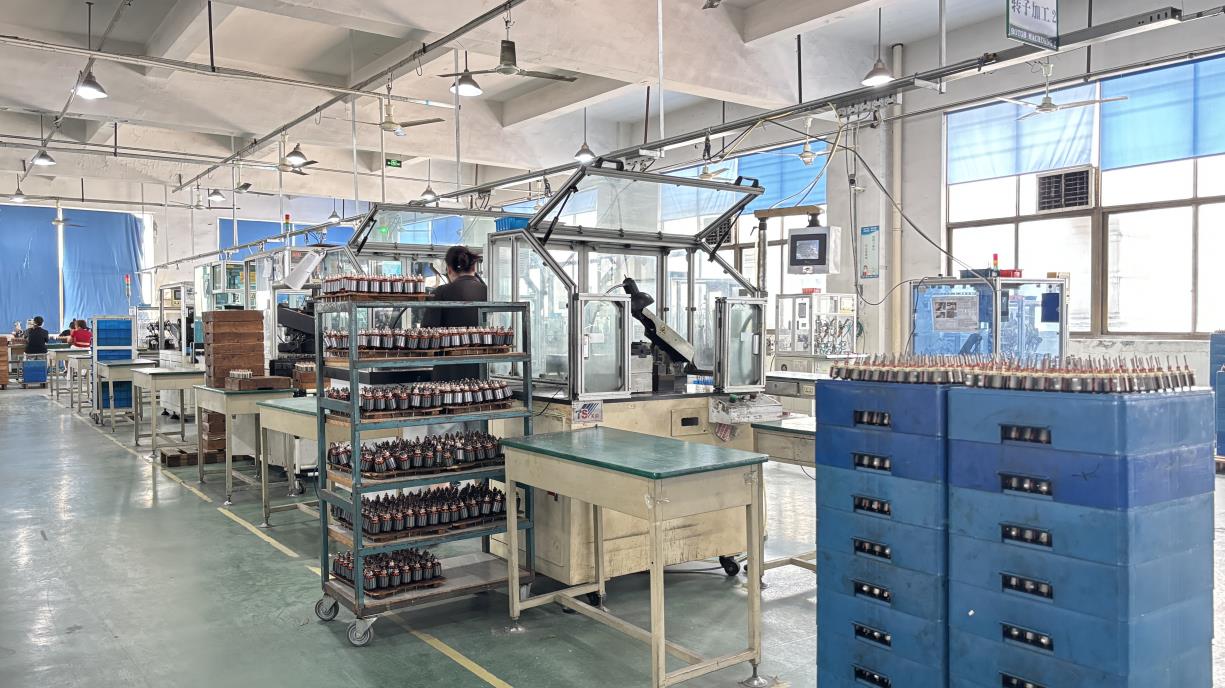
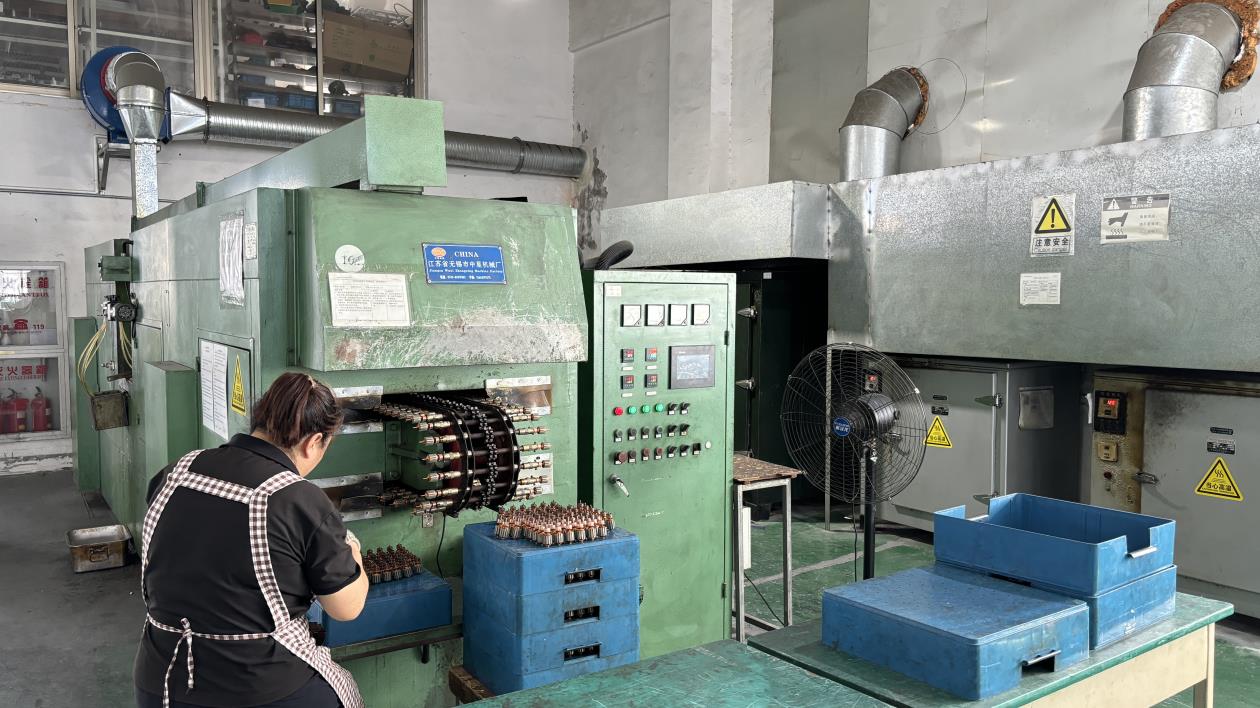
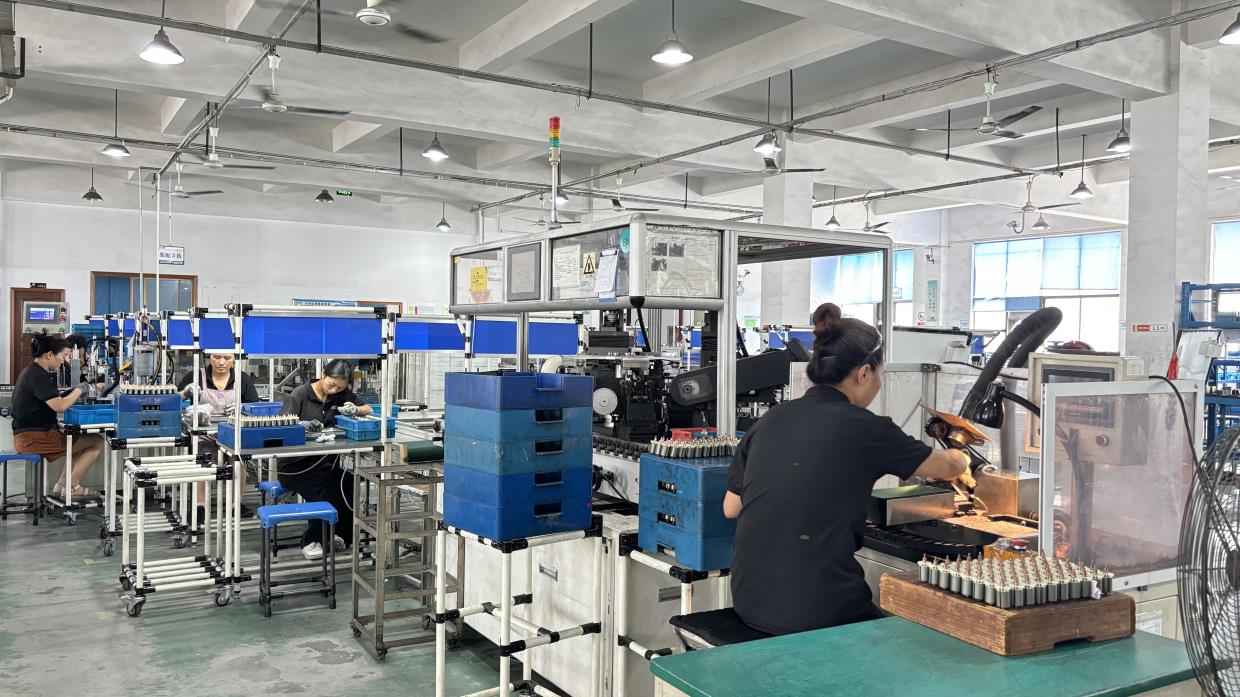
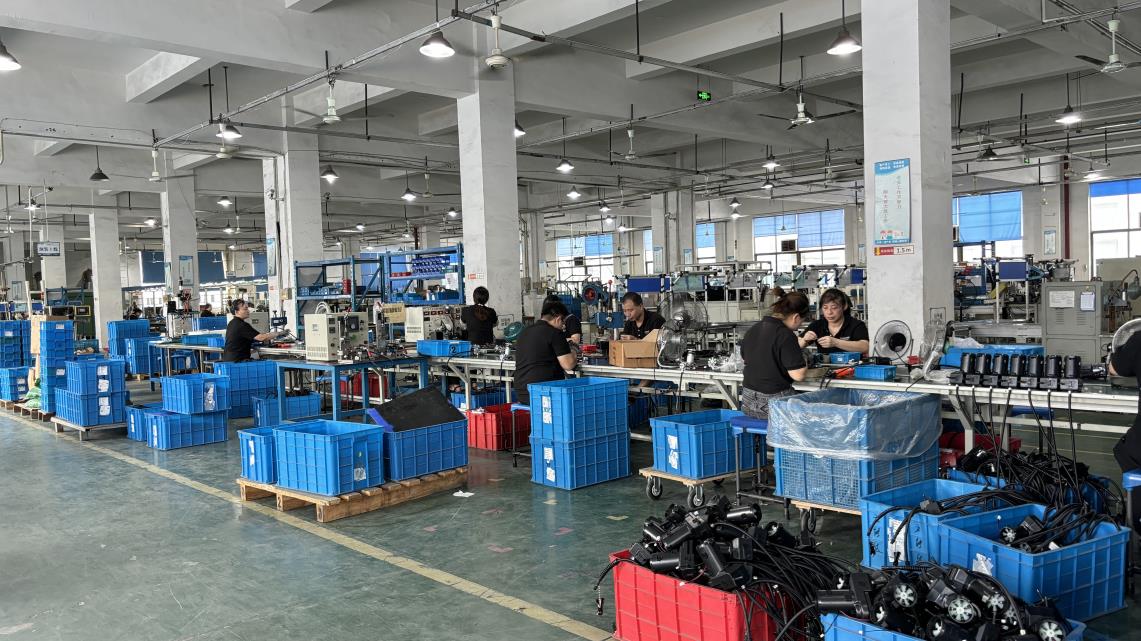
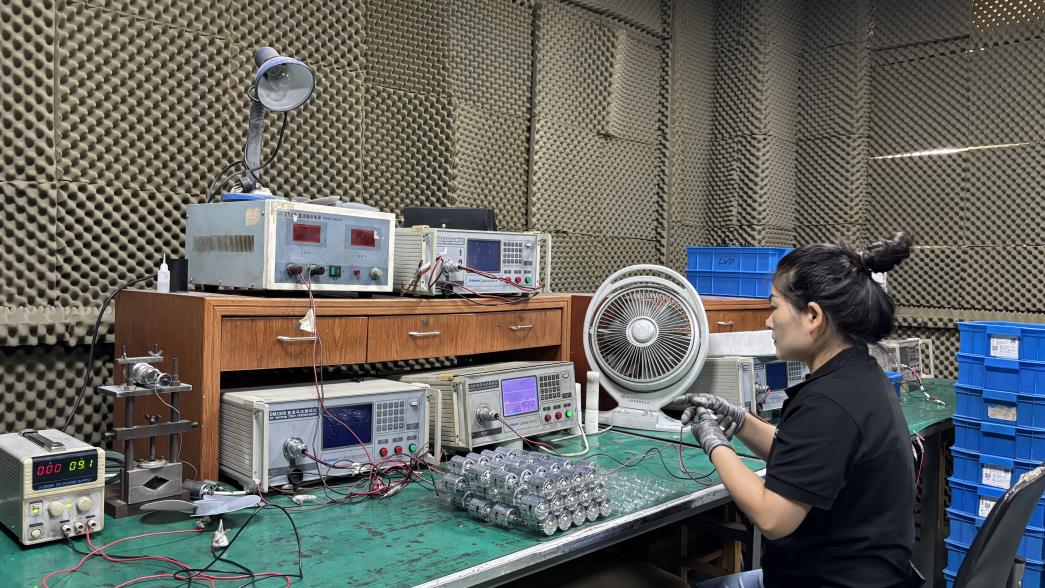
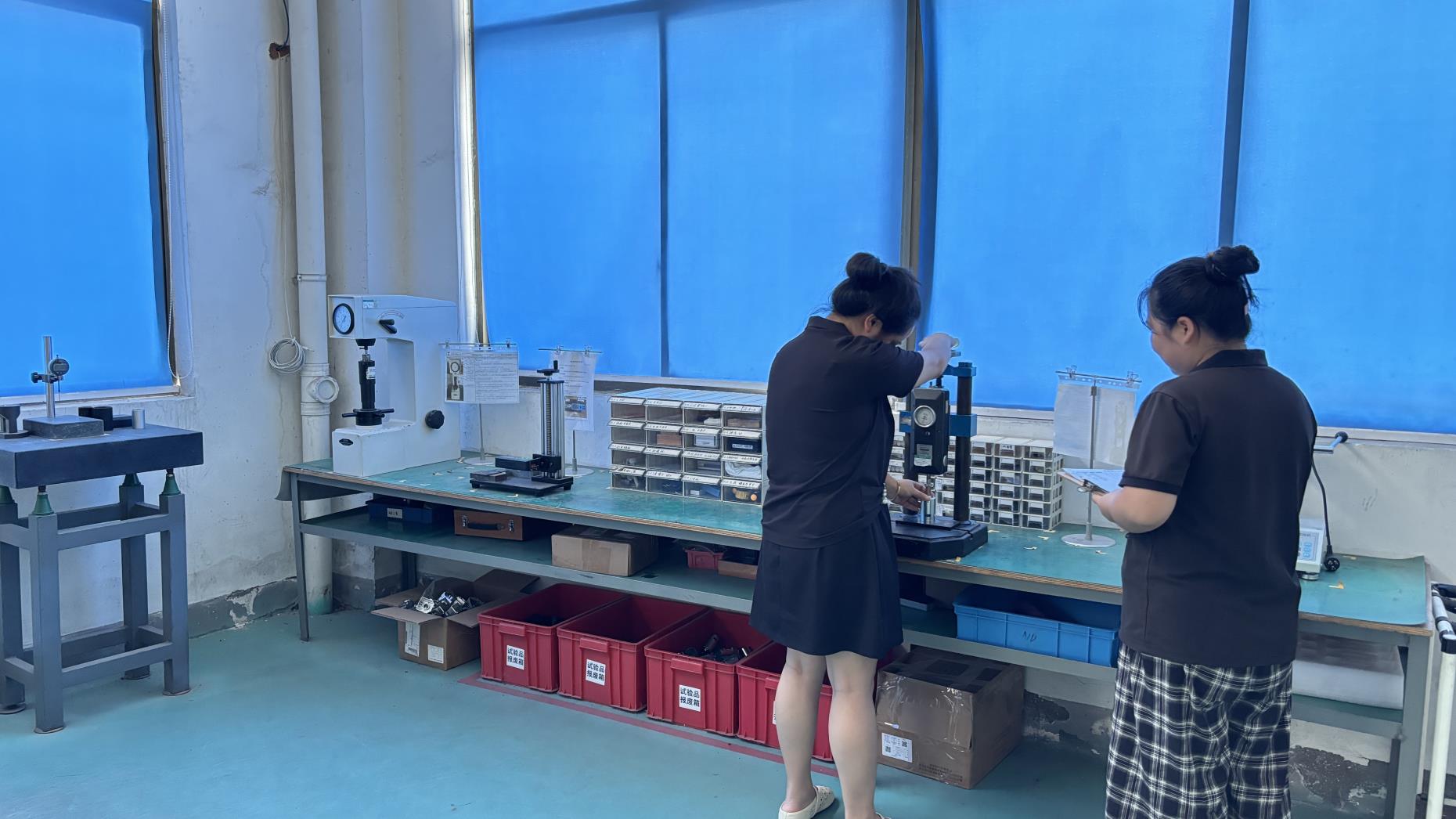
In the highly competitive micro-motor landscape, manufacturing control is the boundary line between mediocrity and excellence. TQC’s facility functions on an integrated Factory 4.0 paradigm, minimizing manual assembly variances through advanced automation. Our production floor implements Automatic Rotor Winding and Commutator Assembly systems that keep output deviations under 0.03mm.
Dynamic balancing is vital for high-speed micro brushed DC motors (such as the RS7712 operating at over 12,000 RPM). Unbalanced rotors create vibration, high acoustic signatures, and rapid brush degradation. Our dedicated Rotor Balancing and Commutator Fine Turning machinery ensures each motor has a negligible residual unbalance, translating to quiet performance and extended operational lifetimes for smart home applications.
How micro-drives are evolving to meet the demands of tomorrow. From material science to intelligent closed-loop control.
Transitioning to NdFeB (Neodymium Iron Boron) magnet setups has allowed us to increase torque density by up to 35% in small frames. This facilitates smaller housing dimensions for medical appliances and portable electronic devices without losing output capacity.
Engineered damping structures, specialized carbon brushes, and diamond-polished commutators decrease vibration and friction. In smart homes (e.g., automated blinds and robotic vacuums), these advancements push operational sound down to sub-35dB thresholds.
While brushed DC motors remain highly cost-efficient and reliable, TQC is expanding its brushless (BLDC) technology roadmap. By integrating micro-controllers directly onto the motor end-cap, we enable precise speed closed-loop control without external driver footprints.
"The integration of custom planetary and worm gearboxes directly onto micro-motors is shaping the future of industrial robotics, giving rise to higher torque ratios in spaces smaller than a standard AA battery."
Aligning high-precision micro-drives with target industry architectures.
| Application Sector | Critical Engineering Challenges | TQC Motor Design Solutions | Target Model Specifications |
|---|---|---|---|
| Smart Home Automation | Low acoustic signature, high static hold torque, low standby current. | Precision carbon brush motors matched with self-locking worm gearboxes. | 12V–120V PMDC Series (e.g. RS7712, RS7512) |
| Automotive Electronics | Extreme temperature tolerances (-40°C to 125°C), high shock resistance. | Reinforced winding insulation, copper-graphite brushes, reinforced mounting tabs. | RS560/RS565 Specialized Auto Variants |
| Medical & Personal Care | Biocompatible materials, low electrical noise (EMC), compact size. | Coreless structures, integrated capacitor and varistor ring filters. | RS380/RS385 Micro Line |
| Automation & Robotics | Dynamic response, high peak starting torque, encoder integration compatibility. | Dual shaft extensions, low inertia iron cores, custom neodymium configurations. | L59100, L64100 Industrial Series |
What global procurement managers look for when selecting a China-based small motor partner to avoid supply-chain delays and field failures.
B2B motor procurement is rarely "off-the-shelf". TQC supports custom electrical parameters (voltage, current, speed), customized output shafts (D-cuts, keyways, cross-holes), and specialized lead wire connectors.
Quality assurance goes beyond ISO certificates. We supply raw inspection data, including speed-current curve testing, waveforms, noise room measurements, and life-cycle test logs on production samples.
To safeguard customer assembly schedules, TQC works with global freight forwarders and provides structured logistics integration, offering buffer stocking and customs documentation preparation.
Deploying small motors in international products demands strict adherence to regulatory schemes. At TQC Micromotor, compliance is designed into the component level. Every raw material consignment undergoes testing to verify compliance with the RoHS Directive and REACH protocols.
For electromagnetic safety and emissions, TQC motors can be equipped with integrated noise filters (capacitors, varistors, or inductors) to help the final appliance pass CE and FCC electromagnetic compatibility (EMC) tests.
We provide comprehensive engineering support: direct access to our design team, 3D CAD step files, electrical curves, and rapid sample prototyping (typically completed within 7 to 15 working days). This reduces design loops and helps bring products to market quickly.
Addressing standard technical queries raised by product developers, procurement officers, and quality control directors.
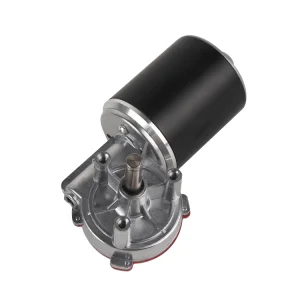
Explore our full line of gearboxes, high-torque industrial brushed DC motors, and robust panel-mounted designs.