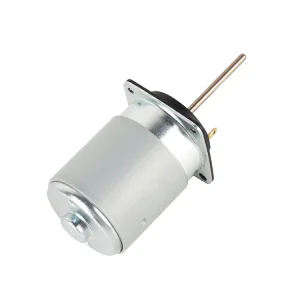
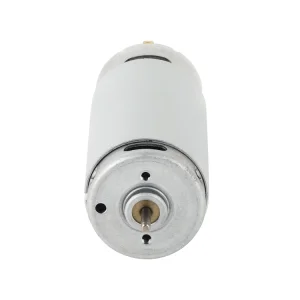
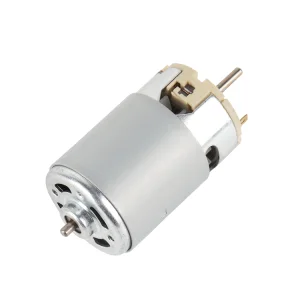
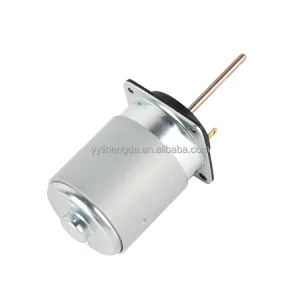
TQC Micromotor
TQC Micromotor
TQC Micromotor
Engineered for robust mechanical dynamics, high startup torque, and seamless speed modulation across consumer and industrial applications.
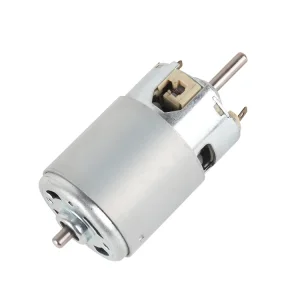
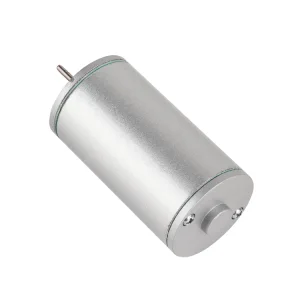
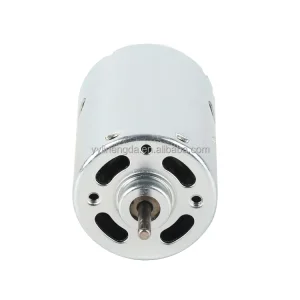
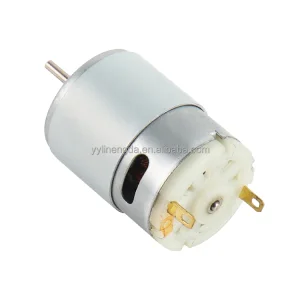
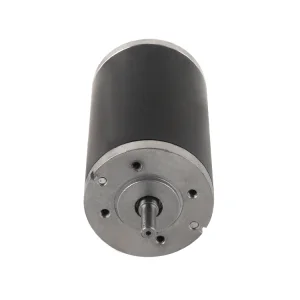
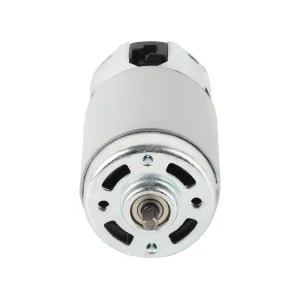
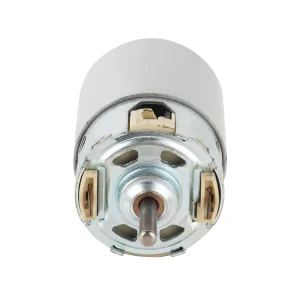
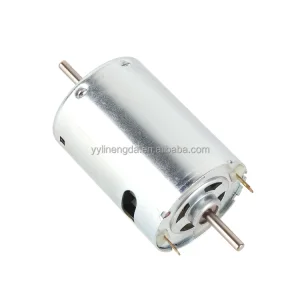
In an era defined by aggressive electromechanical automation, the Permanent Magnet Brushed DC (PMDC) Motor remains a fundamental block of industrial torque generation. Global industrial markets, ranging from marine transport to smart home ecosystems and medical life-support systems, rely heavily on brushed motor configurations due to their unique engineering traits. While Brushless DC (BLDC) motors offer advantages in high-speed, maintenance-free operations, brushed motors command a massive market share because of their exceptional torque-to-inertia ratios, simplicity in speed control (requiring only voltage variations), and robust performance in extreme thermal conditions.
Historically, brushed DC motors have been criticized for brush wear. However, modern tribological advances have altered this narrative. Today's premium manufacturers utilize advanced silver-palladium, carbon-graphite, and copper-graphite brush compositions, extending the operational life cycle of these micro-drives to meet high-reliability demands. Industrially, brushed DC motors represent an optimized balance between immediate high start-up torque, simplified H-bridge driver integration, and low cost of system deployment.
SEO Insight & Information Gain: For system integrators, selecting the ideal drive is not about chasing the newest technology, but optimizing the Total Cost of Ownership (TCO). A CE certified brushed motor eliminates the expensive microprocessors and complex feedback control loops required by brushless setups, making it the most cost-efficient and electromagnetically stable solution for localized mechanical actuation.
CE Certification serves as a mandatory safety and performance declaration for goods sold within the European Economic Area (EEA). However, for Brushed DC Motors, achieving true compliance is a multifaceted engineering feat that goes far beyond a mere sticker. System designers must understand the direct regulatory directives that apply to micro-drives:
At TQC Micromotor, we believe that global innovation shouldn't be limited by size. For two decades, we have dedicated ourselves to a single, relentless pursuit: designing, engineering, and manufacturing high-performance micro-drive solutions that keep modern industries moving forward. Based in China, we operate a state-of-the-art, ISO9001-certified production facility specializing in Micro DC Motors, DC Gear Motors, and Brushless DC Motors (BLDC).
The name TQC represents our foundational pillars: Top Quality & Customization. We understand that applications like smart home automation, medical devices, automotive electronics, and precision robotics demand uncompromised reliability. That is why every TQC micro motor is built with an exceptional power-to-size ratio, ultra-low noise acoustics, and an extended operational lifespan, backed by strict 100% in-house quality control and international certifications (CE, RoHS, REACH).
We don’t just supply standard hardware; we act as a strategic R&D partner. With a robust engineering team holding multiple industry patents, TQC thrives on solving complex mechanical challenges through flexible OEM/ODM custom solutions. From custom shaft configurations and custom voltage tuning to specialized bespoke gearheads, we turn your technical blueprints into high-volume, cost-effective reality.
| Motor Series | Voltage Ranges | Nominal Speed (RPM) | Max Output Power (W) | Typical Applications |
|---|---|---|---|---|
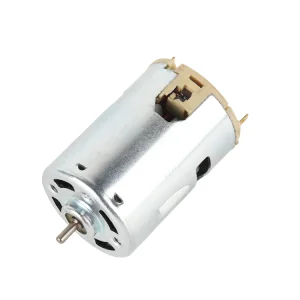
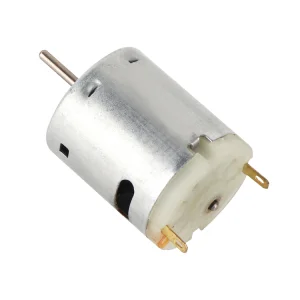
| RS380 / RS385 | 3.6V - 36V | 12,300 - 15,000 | 6.92W | Boat models, Fans, Smart Home, Appliances |
| RS540 / RS545 | 12V - 24V | 21,254 | 75.34W | Automotive, Smart Home, Stand Fans |
| RS7712 Series | 120V AC/DC Rectified | 12,697 | 83.93W | Coffee Grinders, Pumps, Home Appliances |
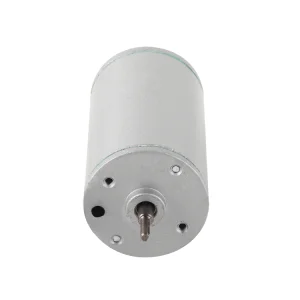
| L4073 / L5280D | 24V | 3,020 - 3,900 | 8.49W - 26.86W | Medical Bed Actuators, Shutter Controls |
A crucial step in user intent mining is guiding the client through a realistic engineering trade-off. While the industry frequently emphasizes brushless transition, brushed PMDC motors remain superior in specific matrices. In applications requiring extreme reliability under simple controls, such as remote bilge pumps or emergency actuators, a brushed motor is self-starting and operates directly off a simple DC battery. It is immune to electronic driver failure that can plague complex BLDC driver boards in high-vibration, high-temperature, or high-humidity environments.
Take a technical tour inside TQC's ISO9001:2015 manufacturing facility, highlighting automated winding, dynamic balancing, and rigorous quality testing.

Precision Facility Exterior
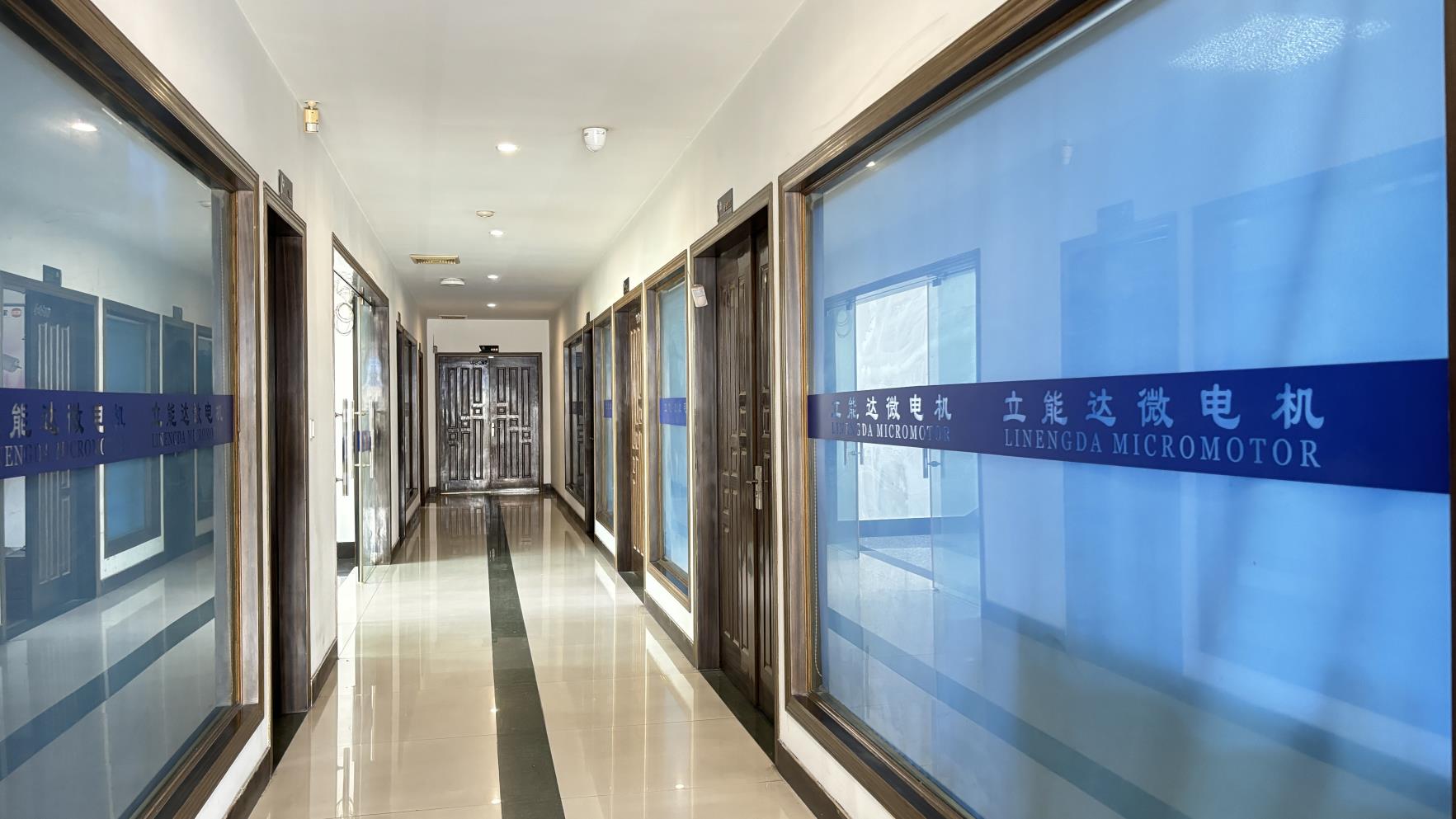
Clean Room Assembly Line
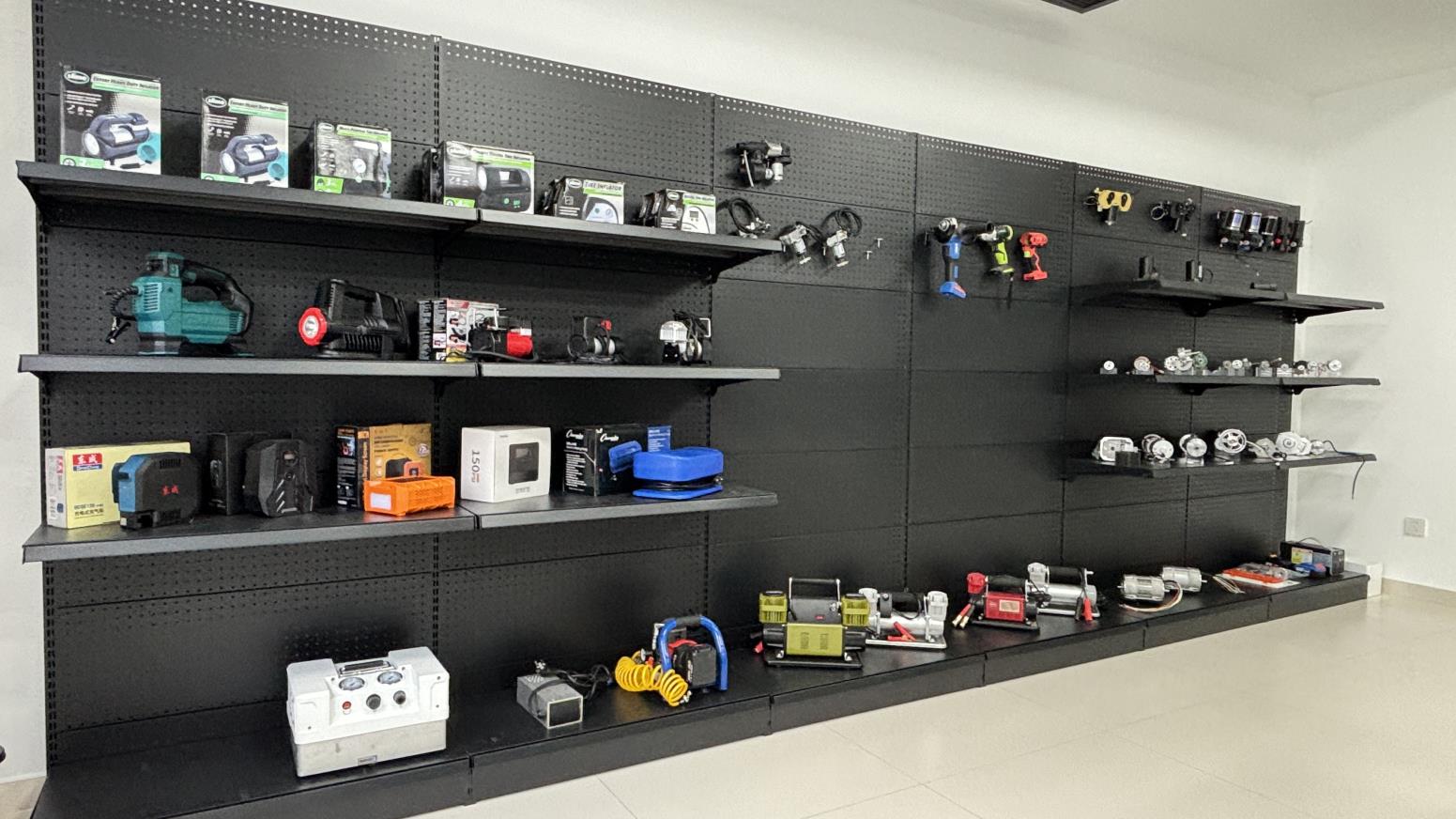
R&D Lab & Engineering Office
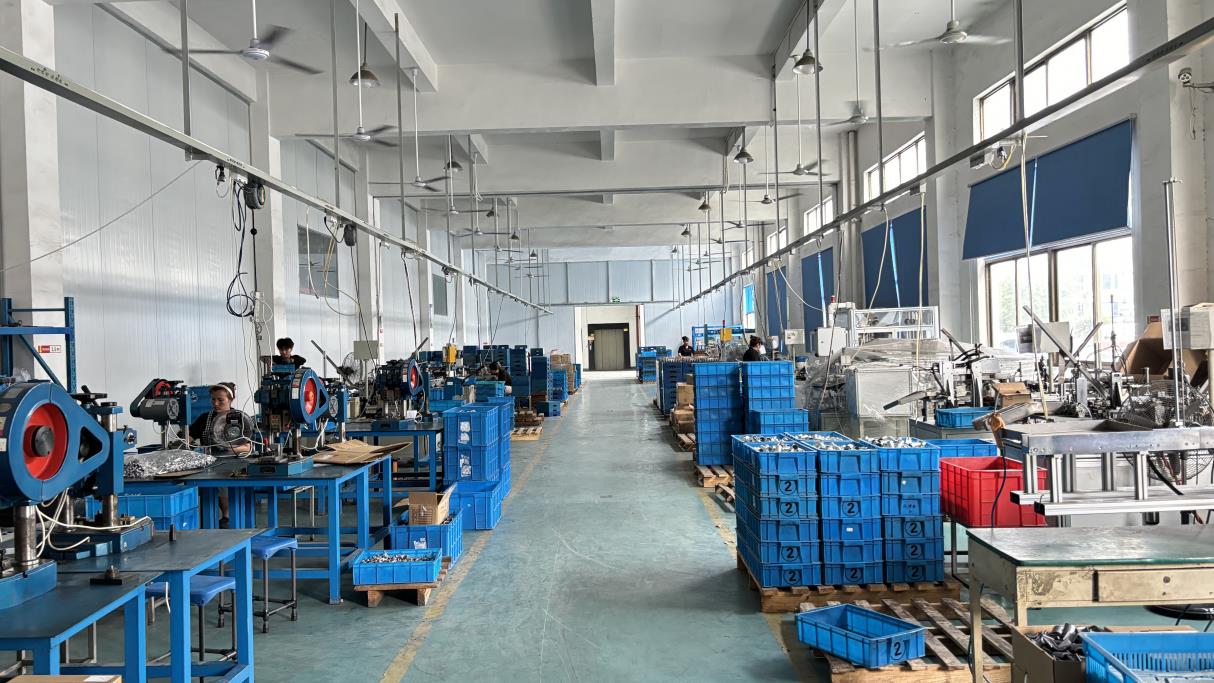
CNC Machining Center
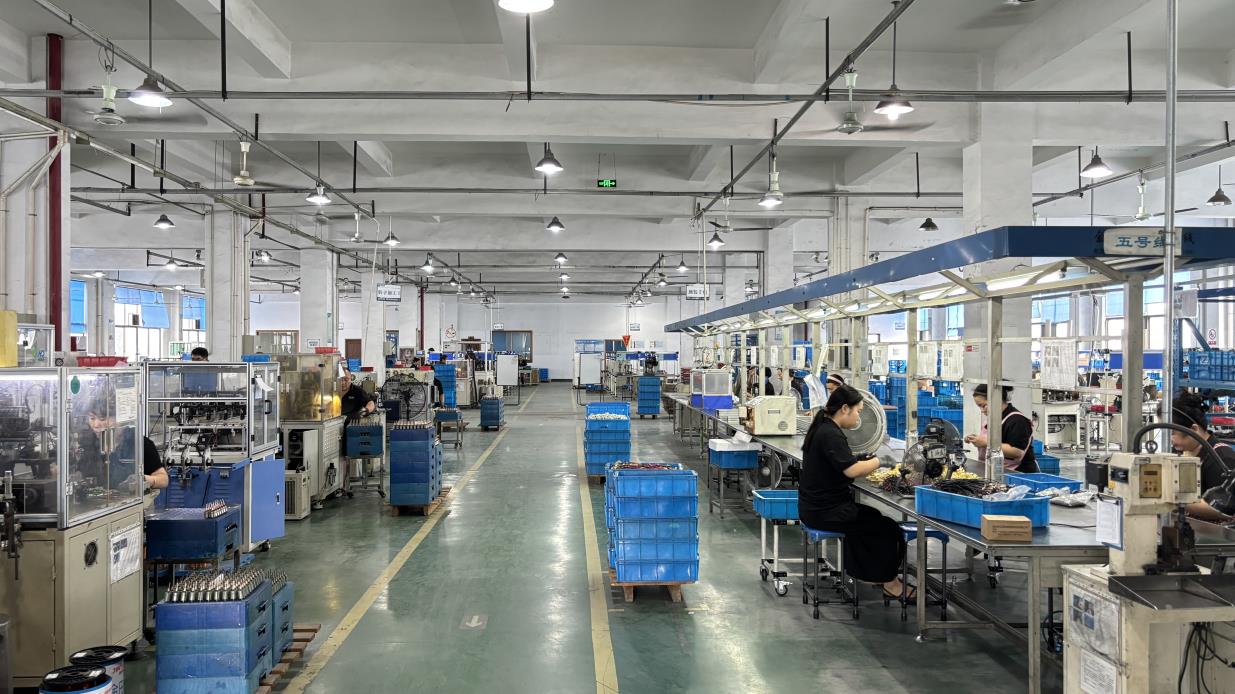
Automated Testing Center
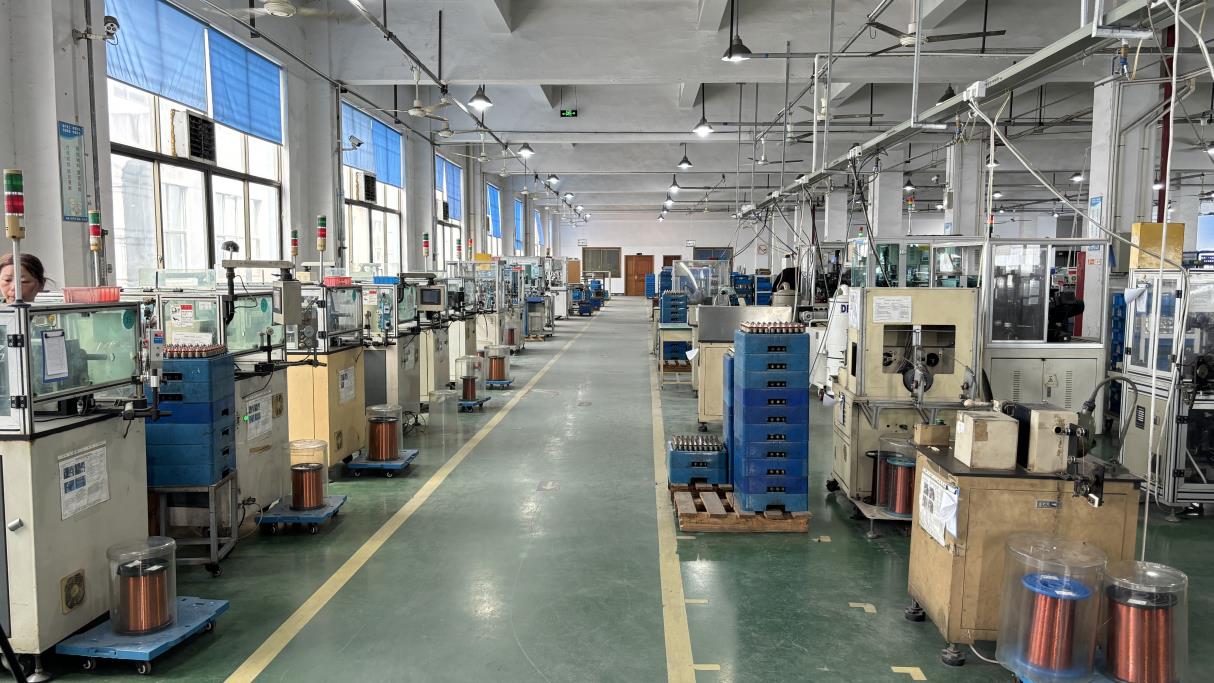
Warehouse & Dispatch Area
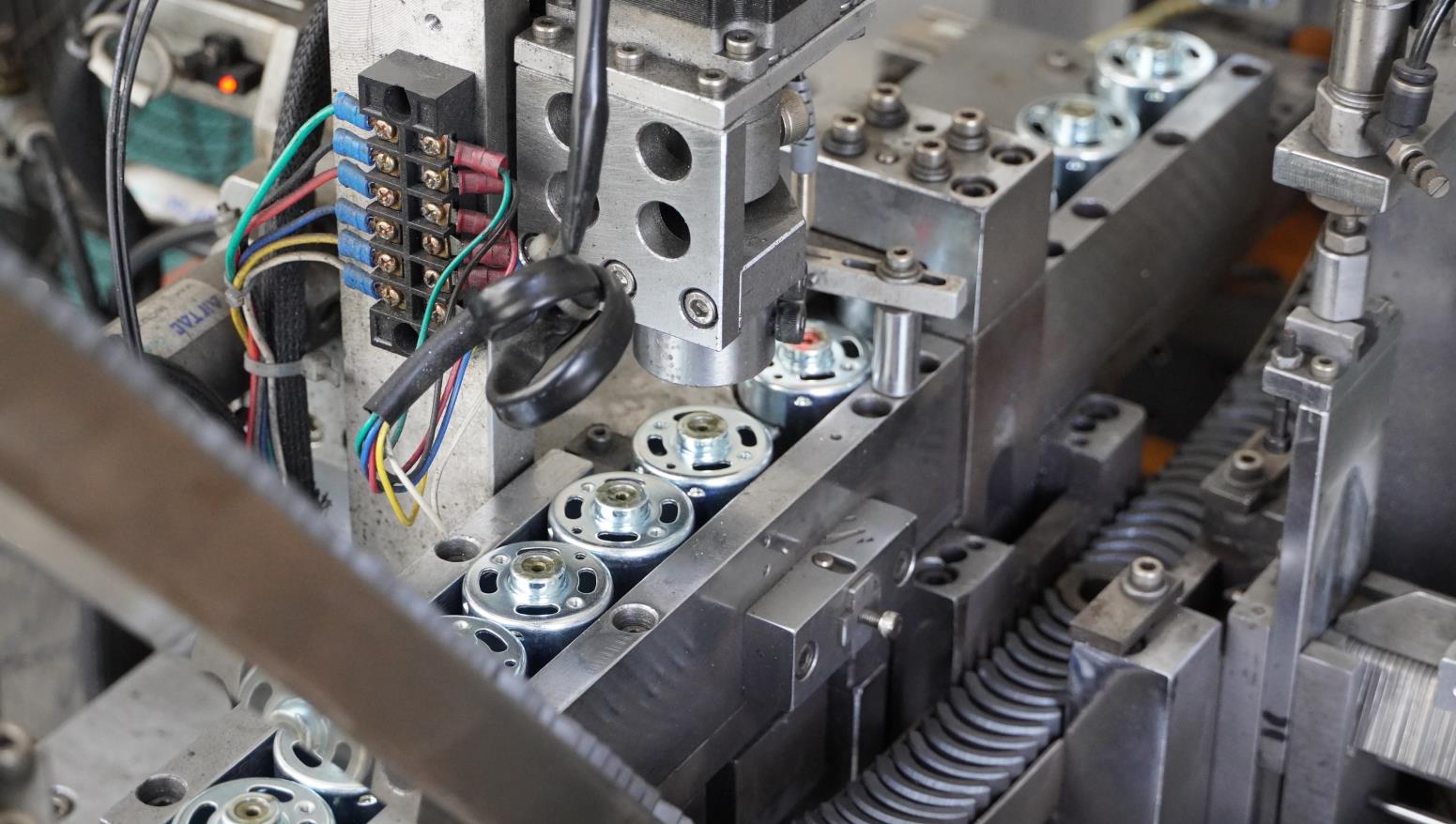
Stator Assembling
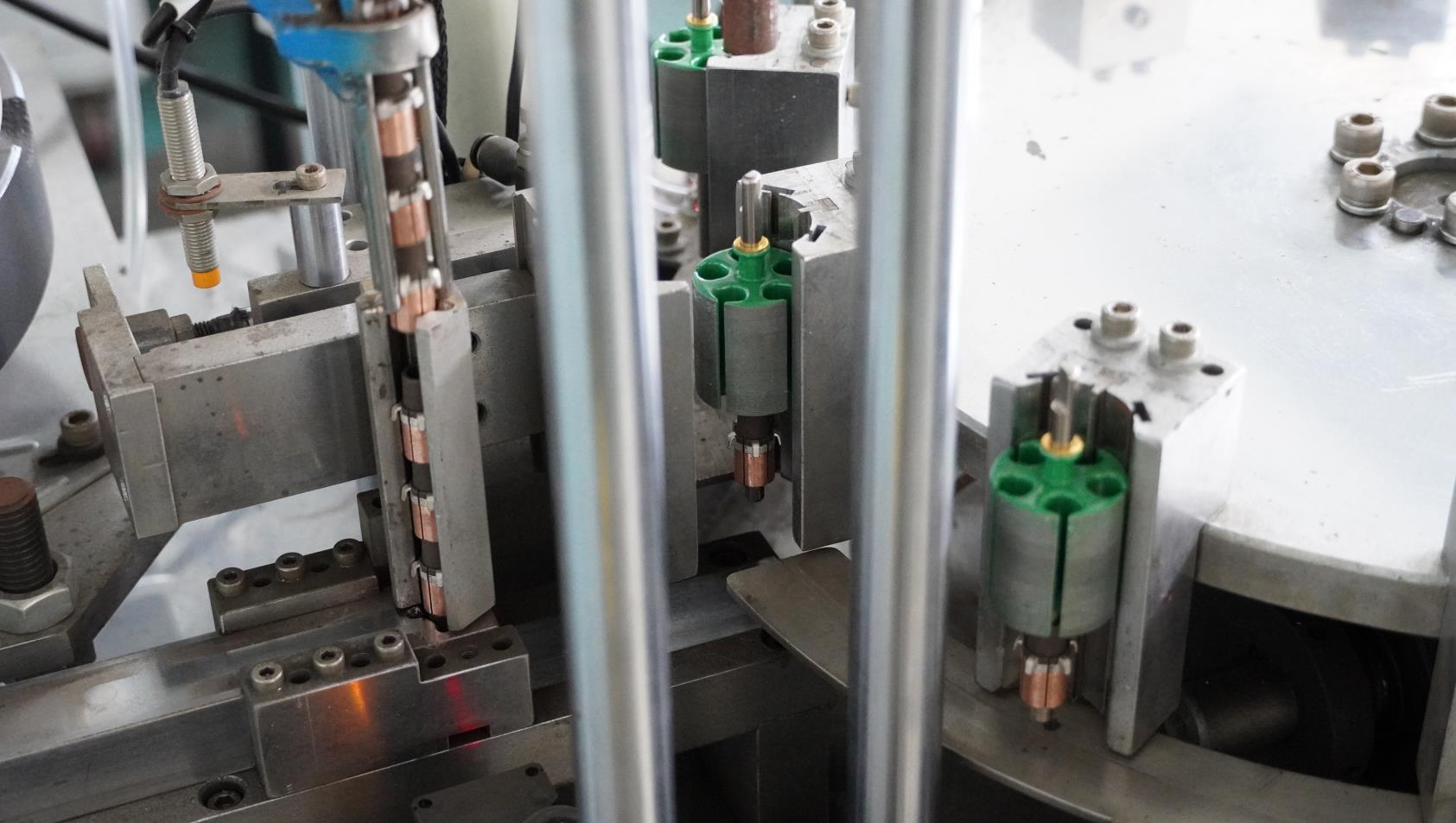
Commutator Assembling
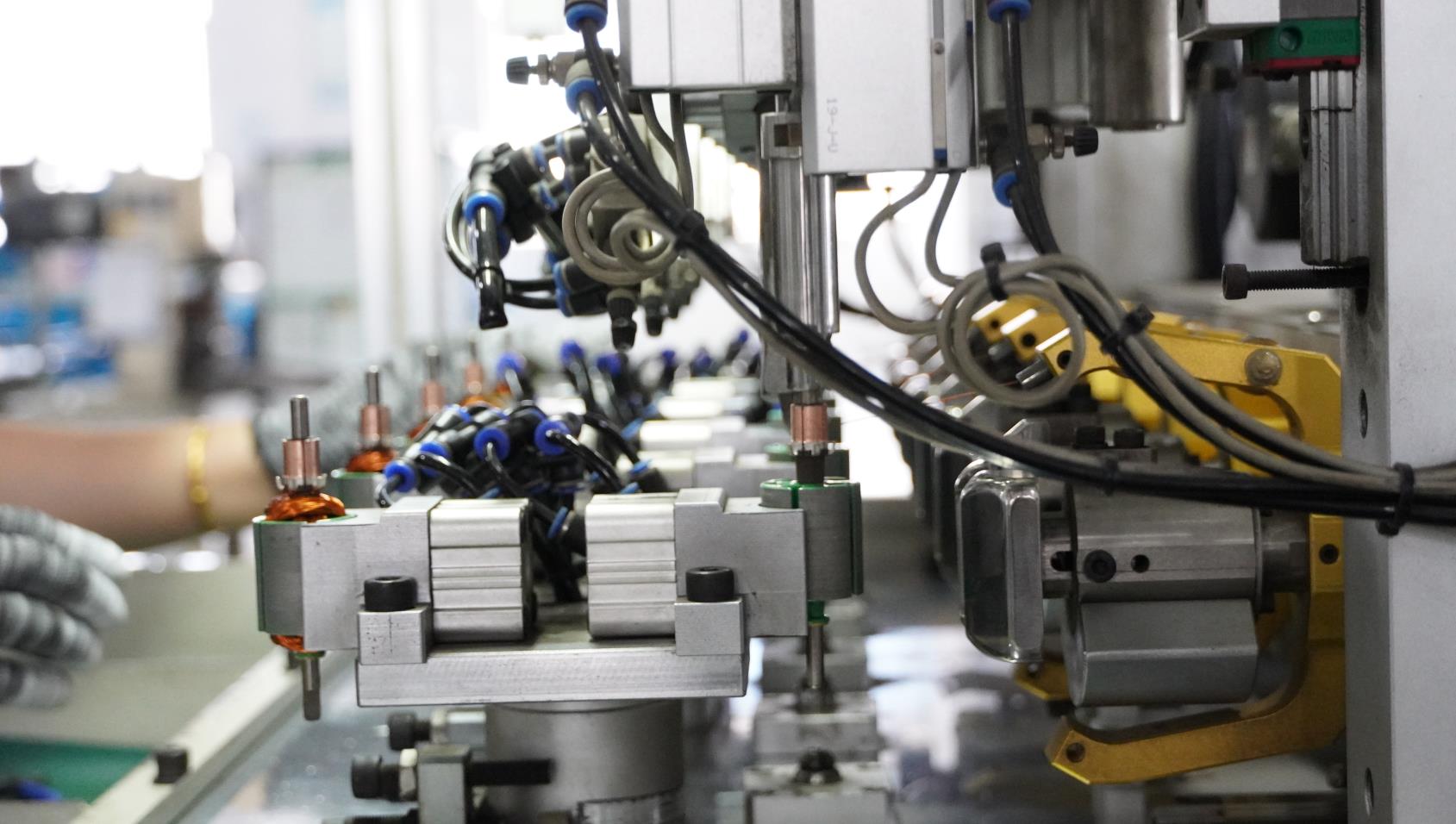
Automatic Rotor Winding
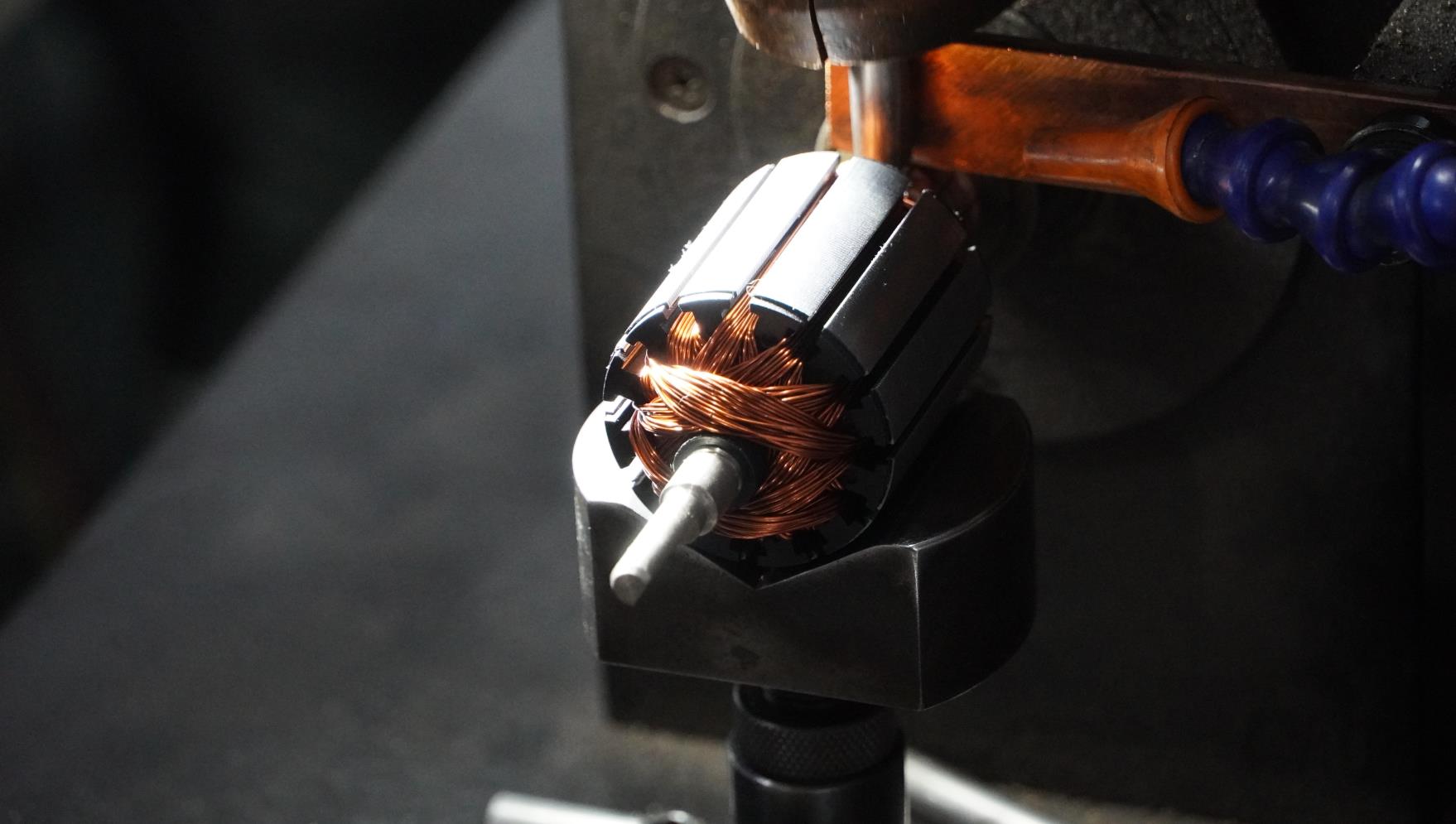
Spot Welding
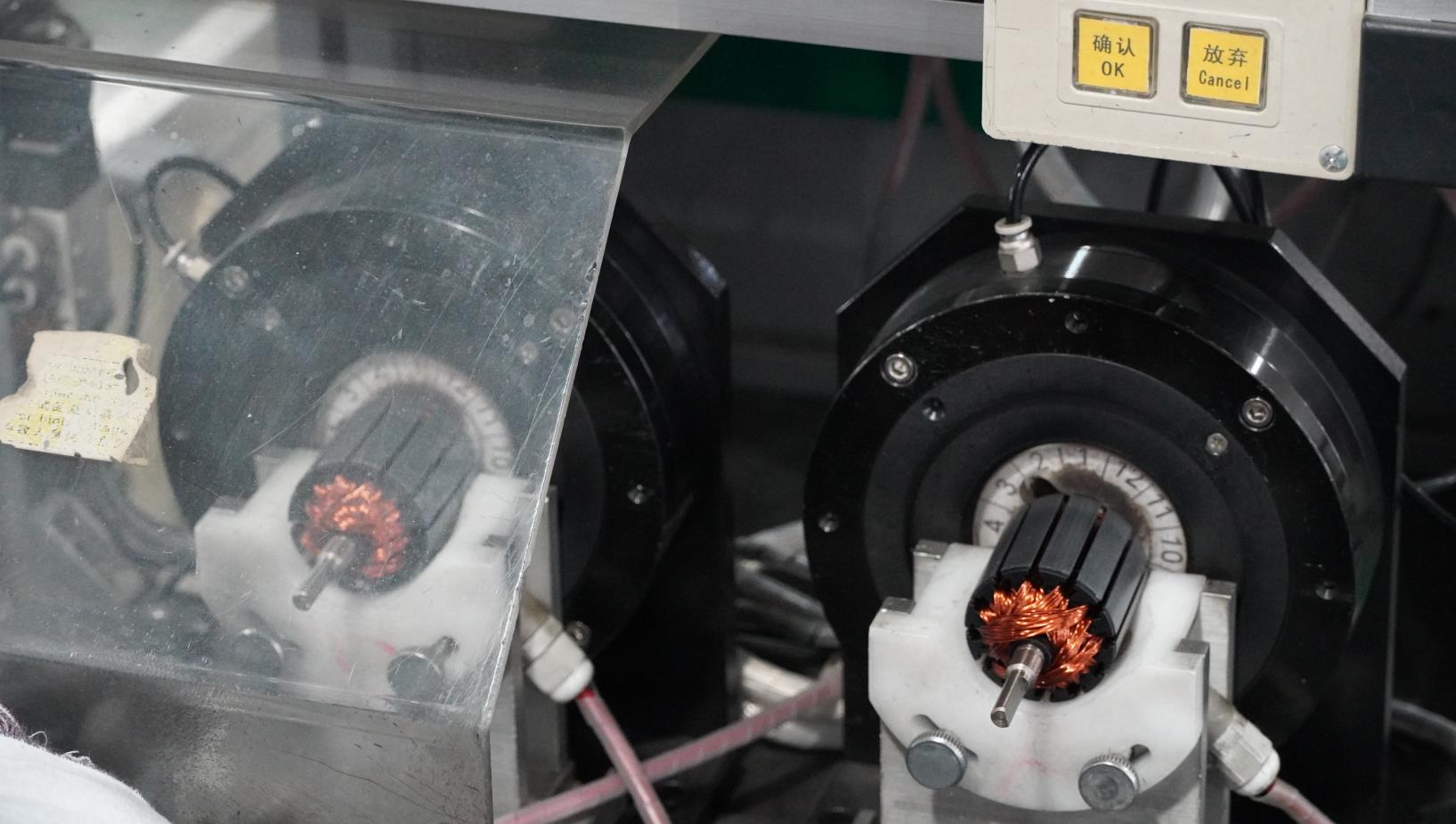
Rotor Turn to Turn Testing
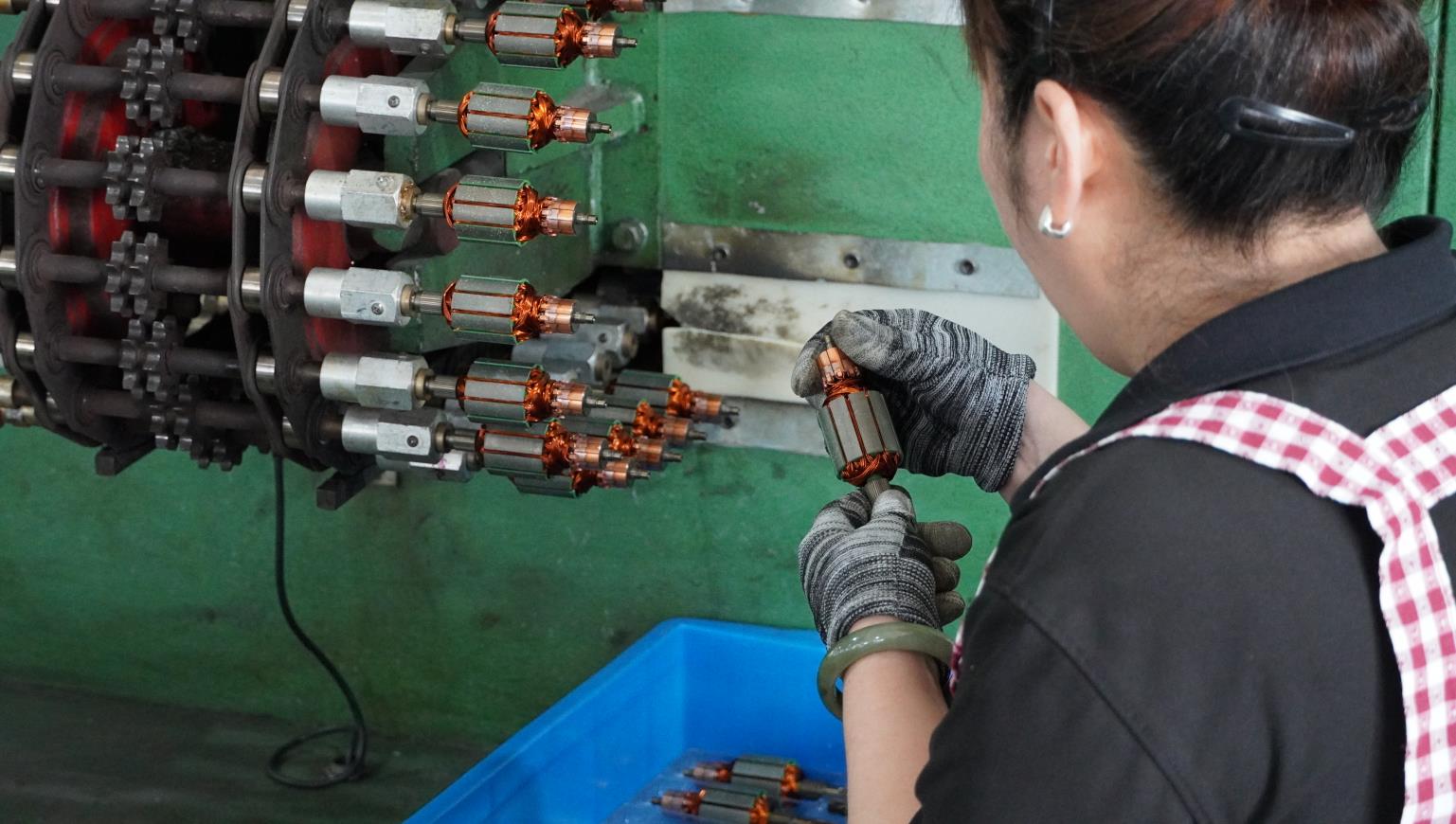
Rotor Insulation Treatment
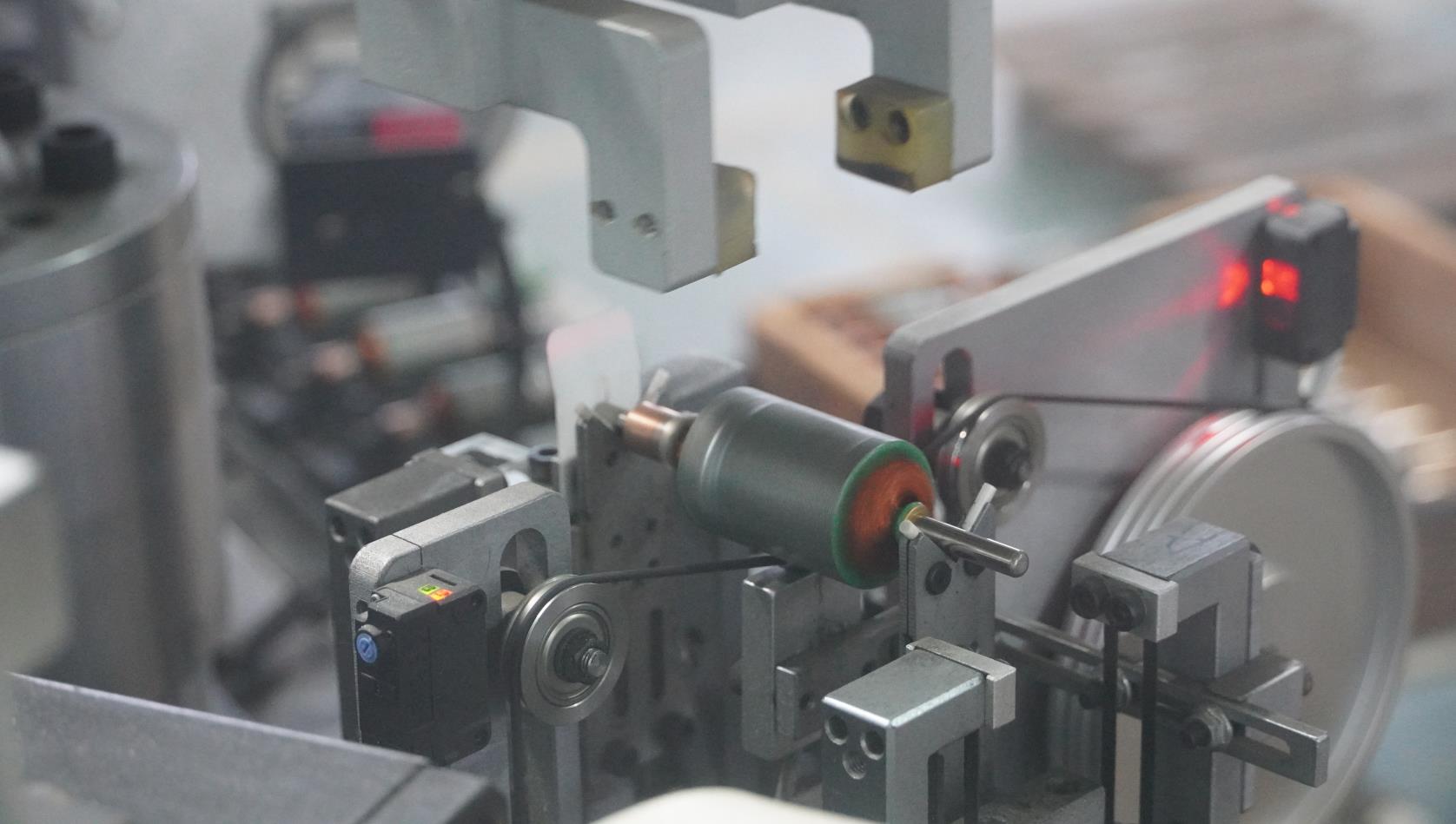
Rotor Balancing
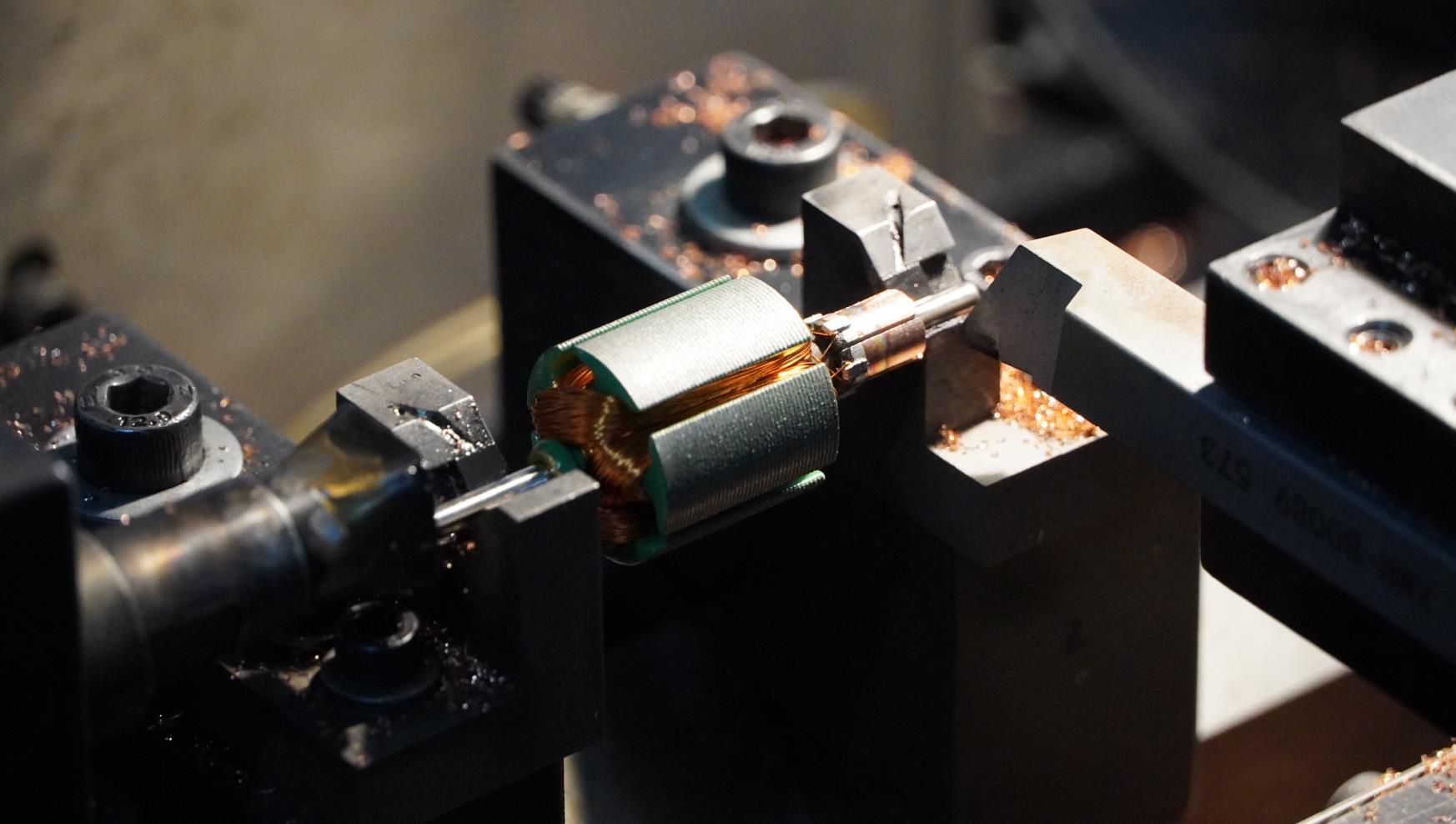
Commutator Fine Turning
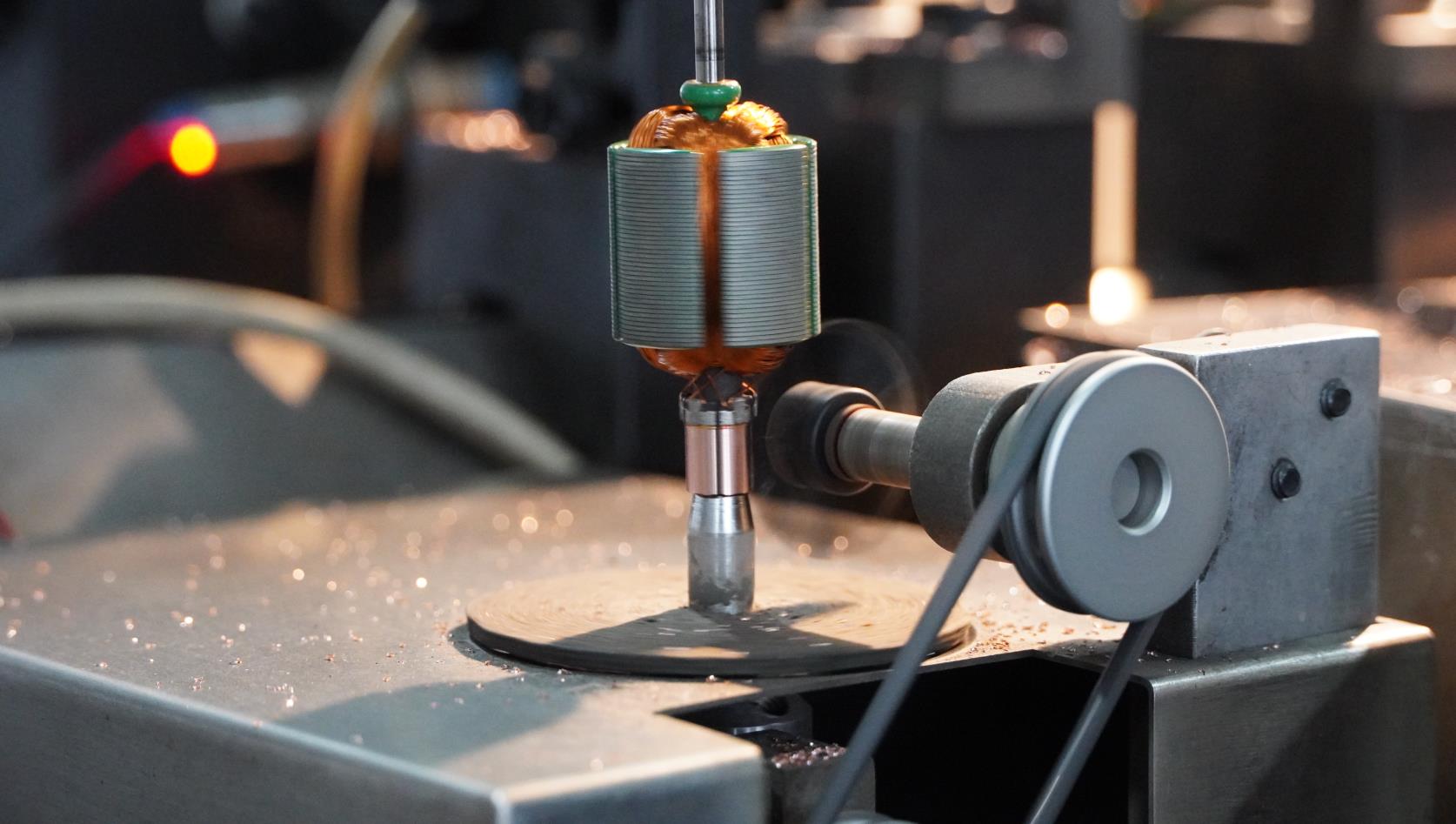
Commutator Cleaning
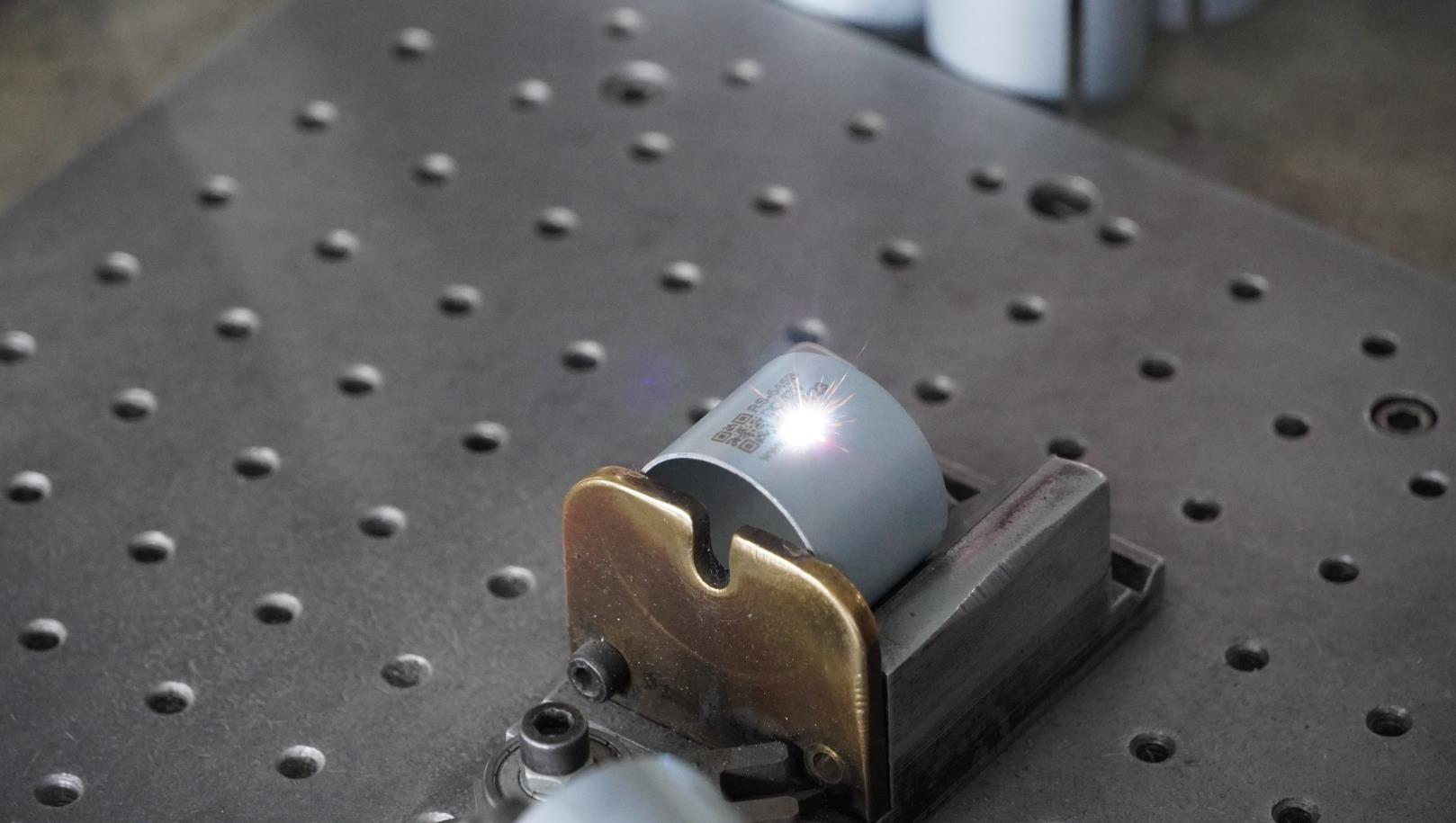
Laser Labeling
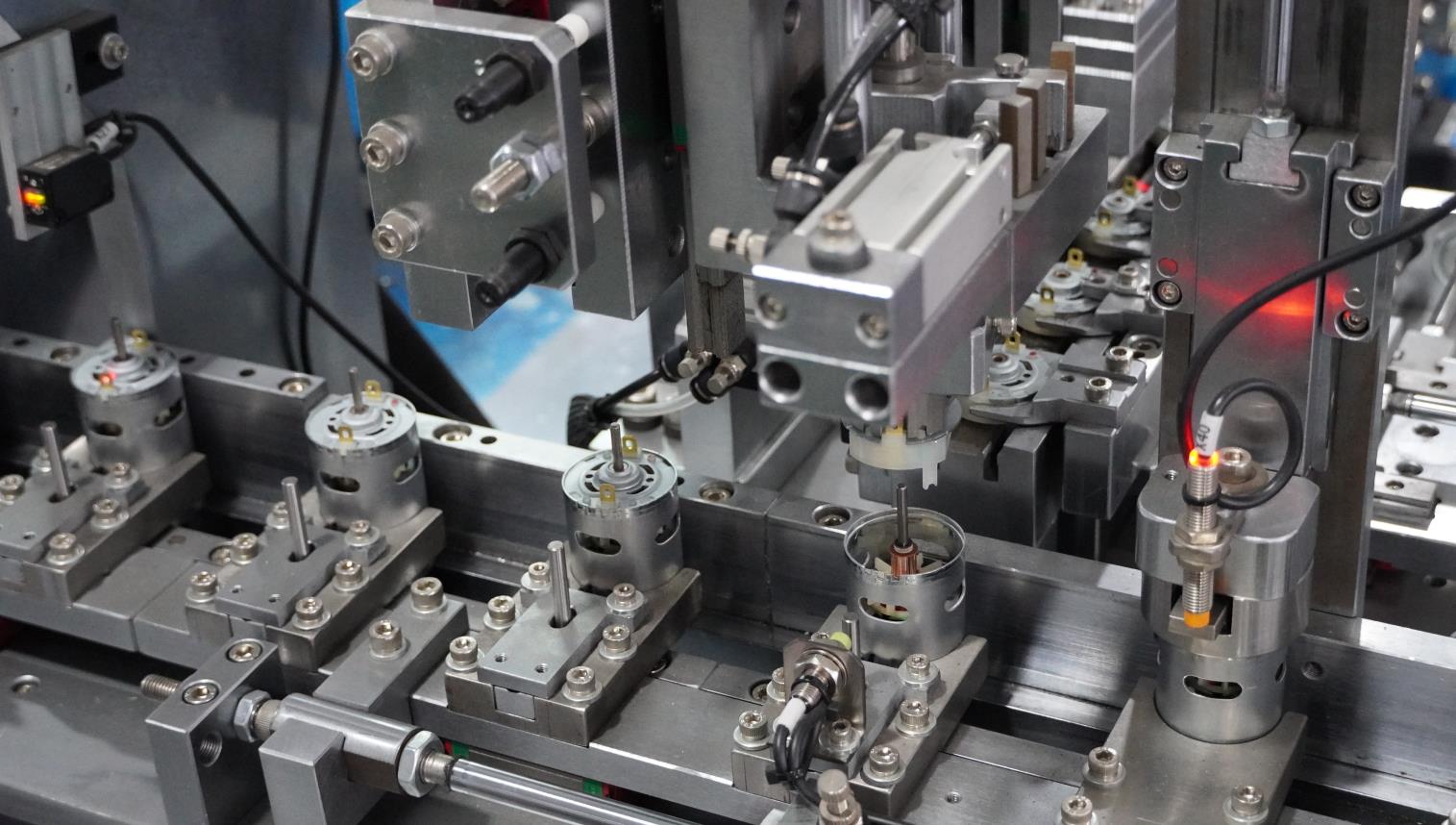
Assembling
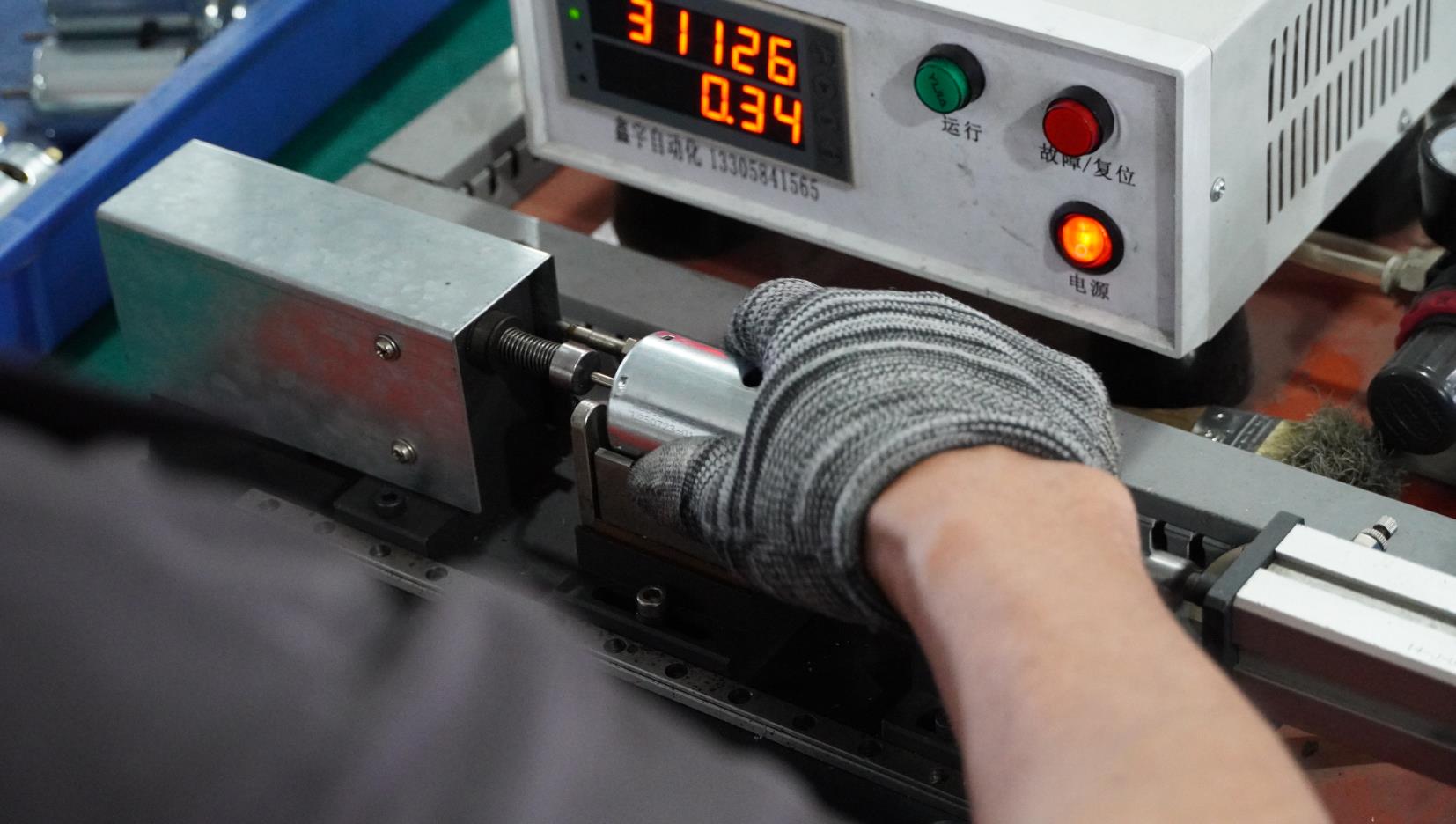
Speed Current testing
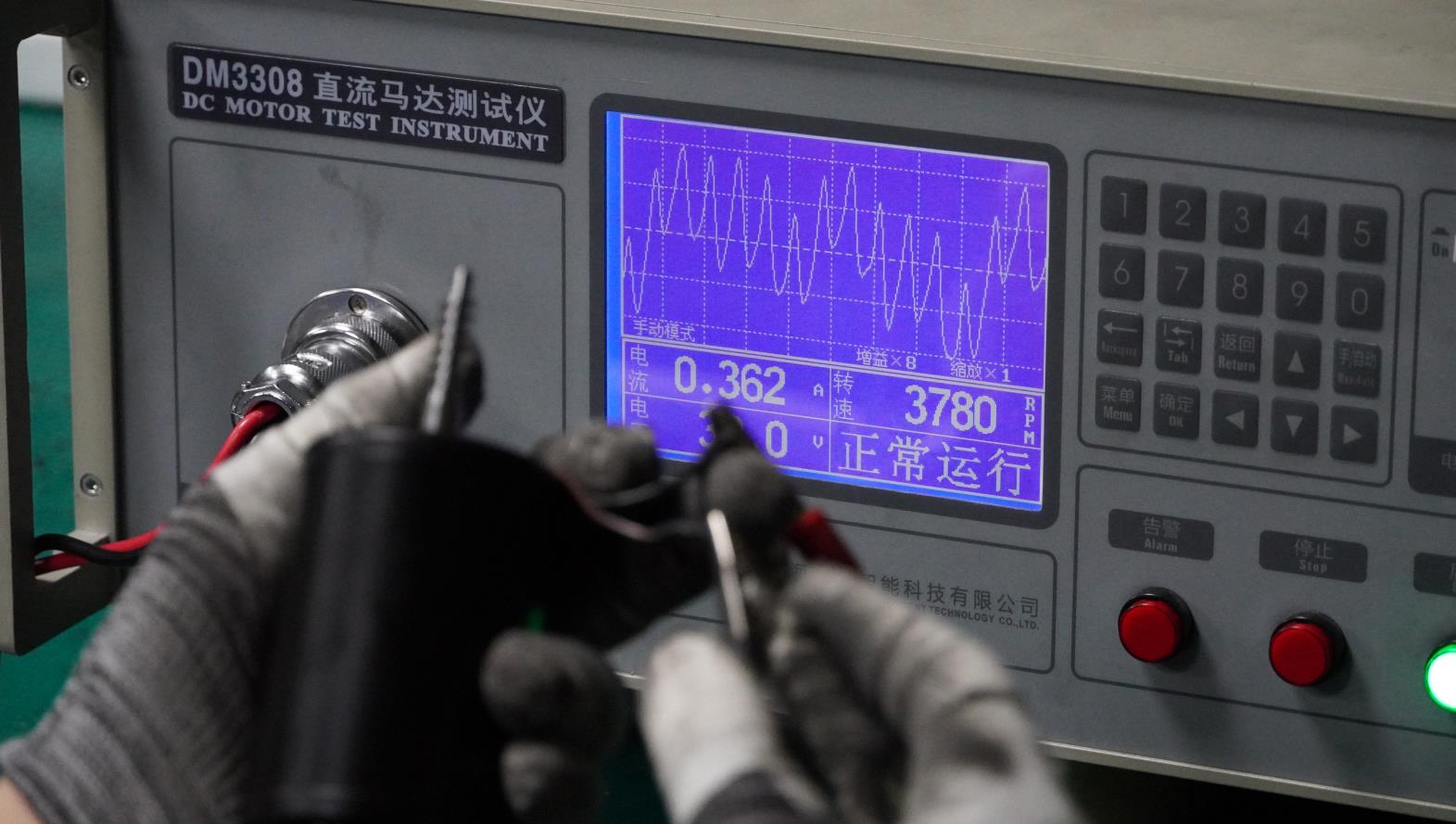
Waveform Testing
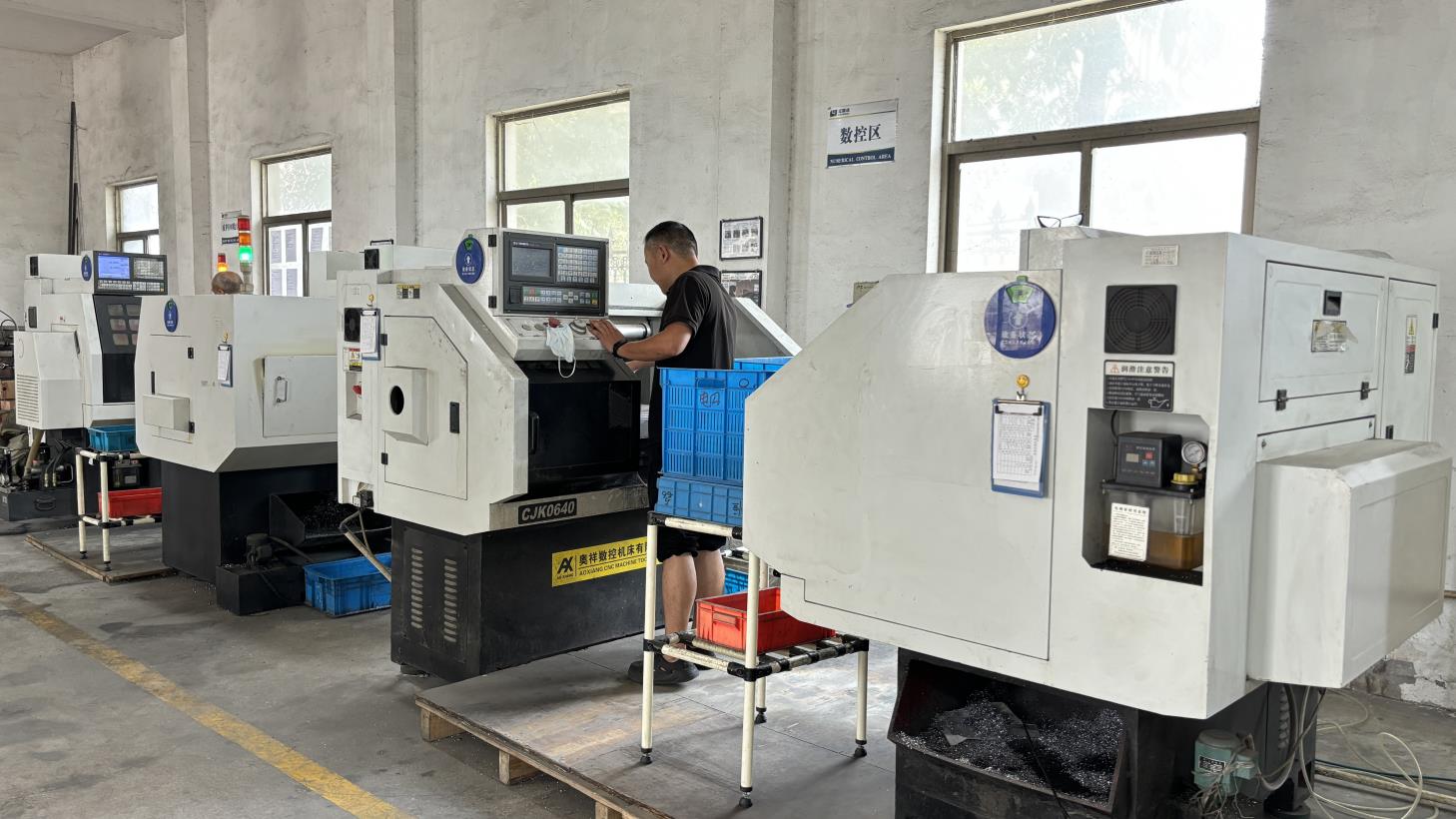
CNC lathe
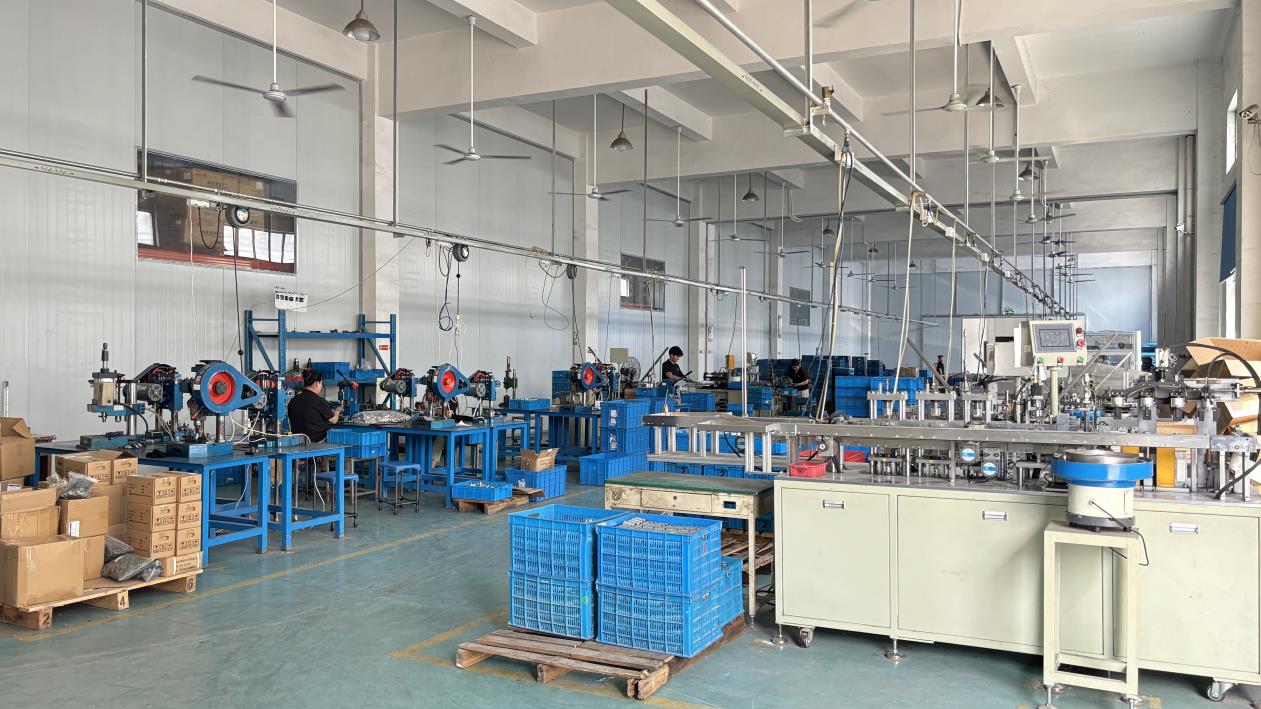
Pre-installation Equipment
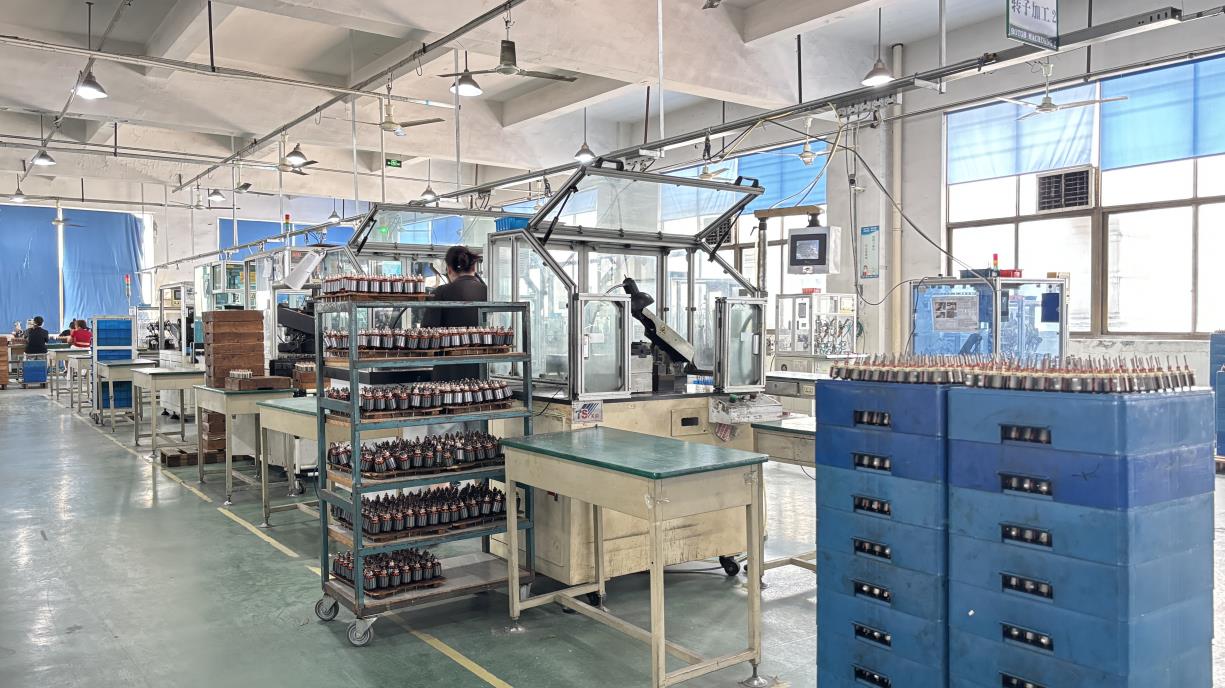
Rotor Production Equipment
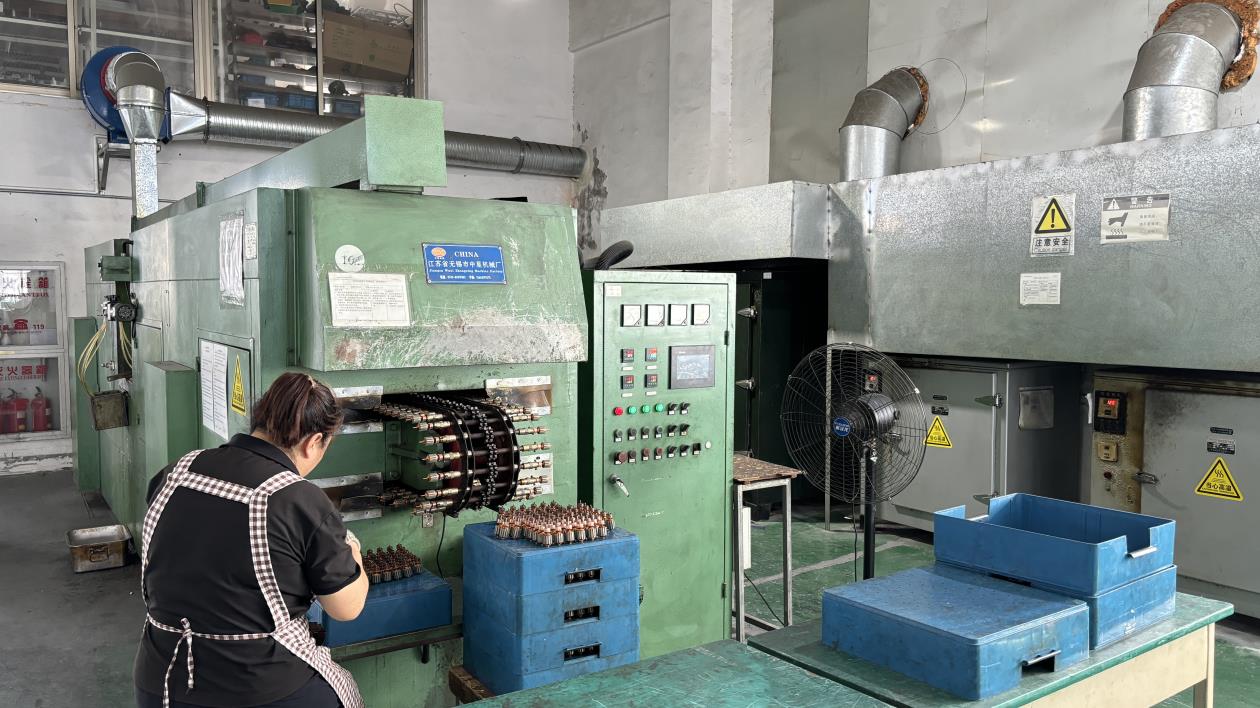
Fully Automatic Paint Drip Machine
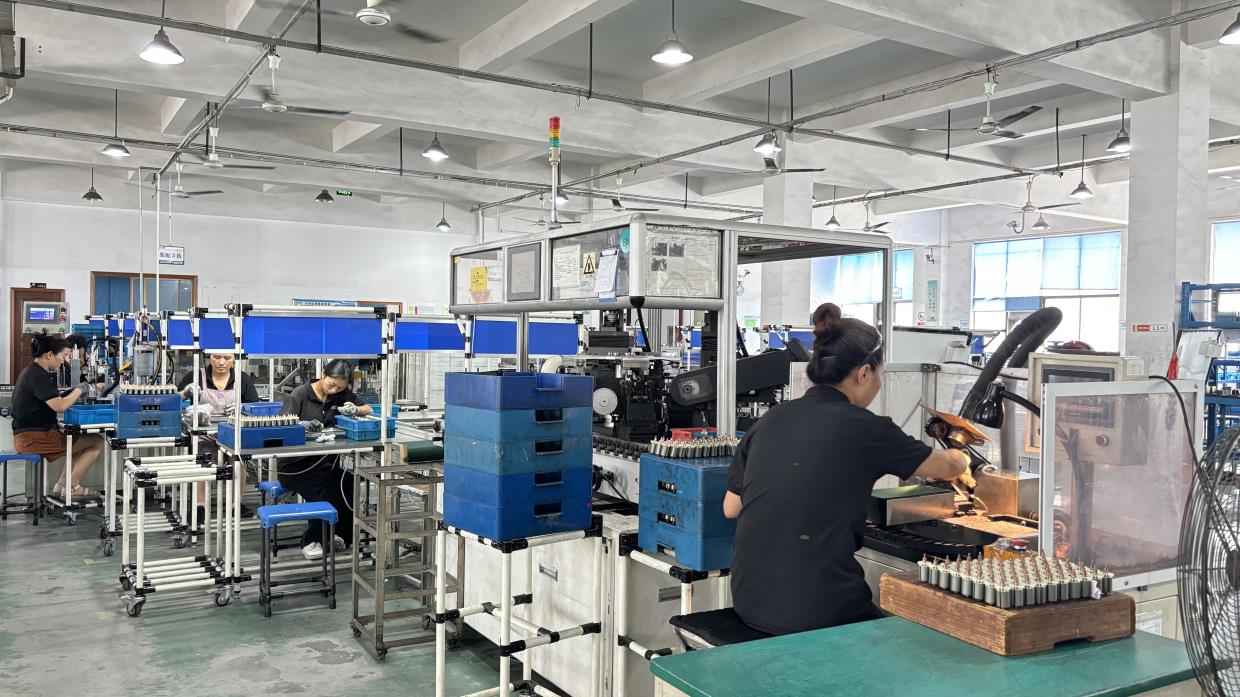
Motor Assembly Line
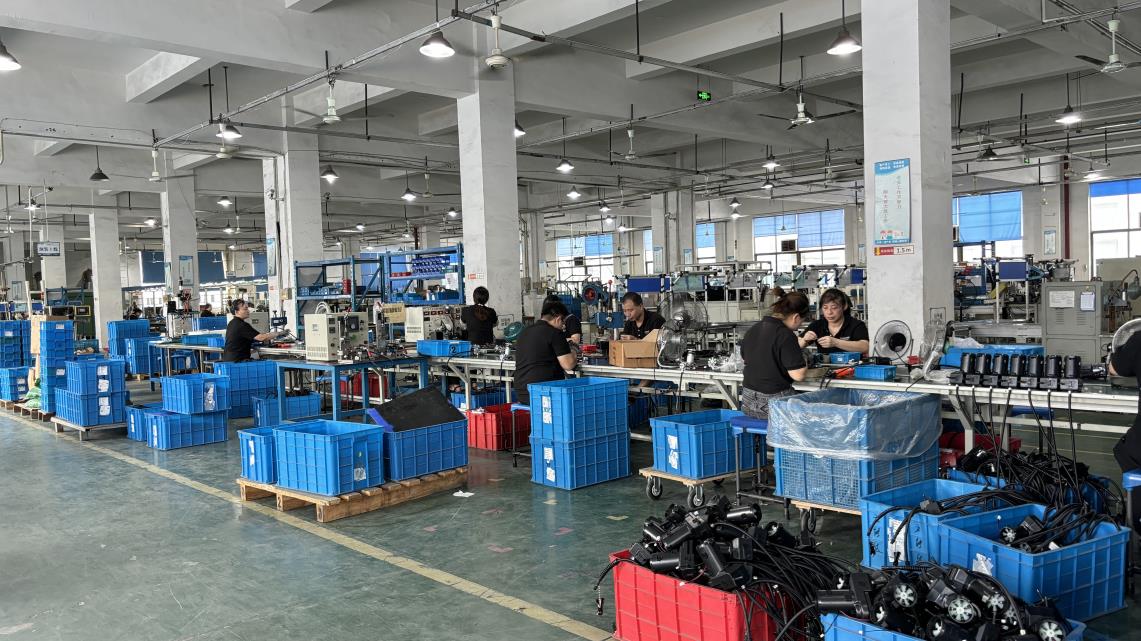
Extension Assembly Line
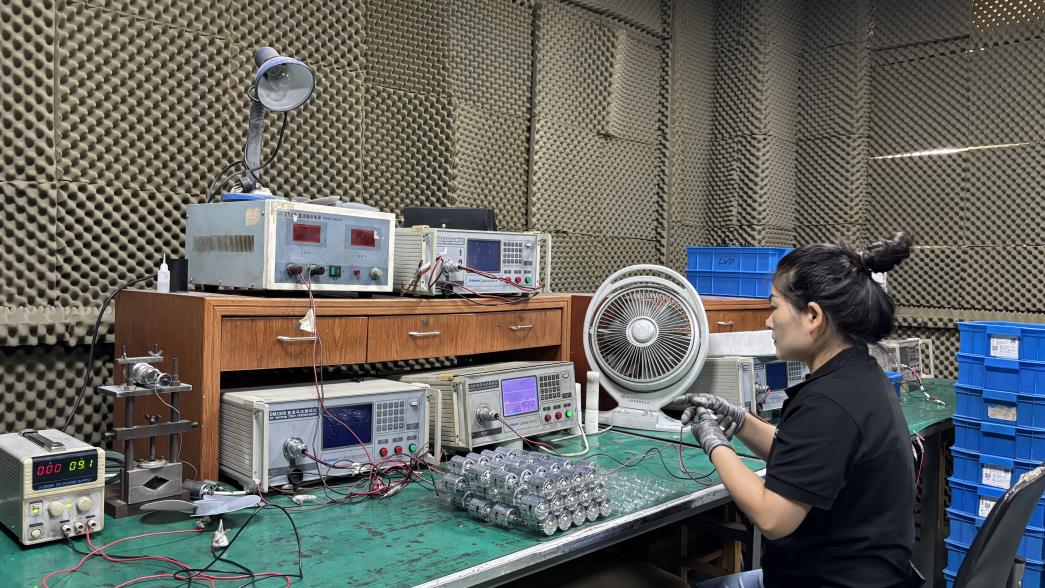
Silent Test Room
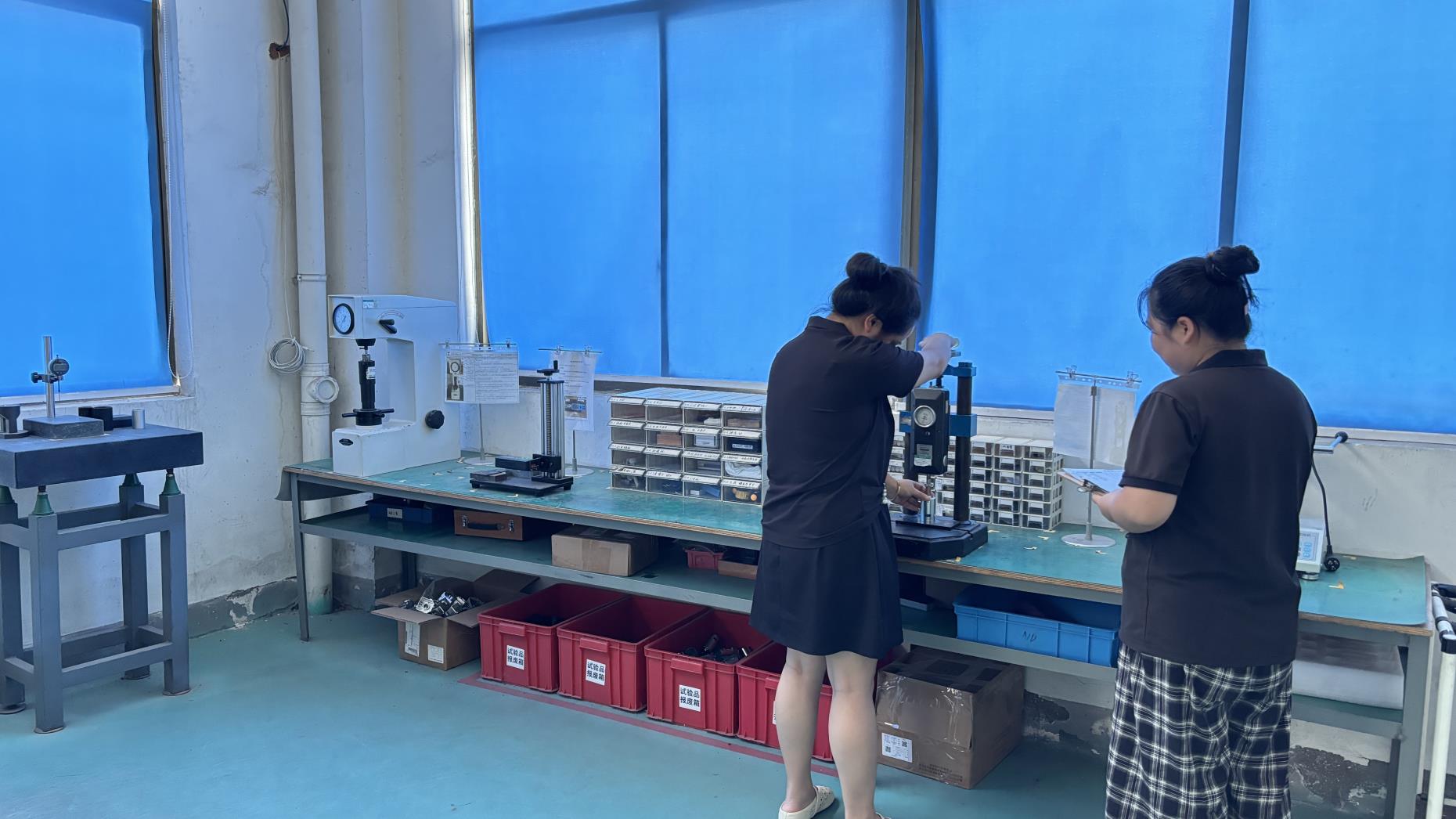
Precision Testing Equipment
As a global OEM/ODM manufacturer, TQC Micromotor optimizes internal motor geometries, winding specifications, and brush materials based on specific target industries and geographic regulatory demands:
In medical bed mechanisms, surgical recliners, and patient lifters, the primary requirements are high silent torque and absolute failsafe locking characteristics. The L4073 series, operating at DC 24V, features custom winding insulation that meets IEC 60601 medical grade directives. By matching this motor with high-ratio gear assemblies, medical equipment builders achieve self-locking properties, ensuring the bed cannot slip even during a power outage.
From coffee bean grinders (utilizing high-torque 120V RS5512 motors) to roller shutters (using L4073 or RS655DZ), consumer systems require motors to maintain high starting torque to overcome static friction while keeping acoustic noise below 45 dB. TQC utilizes custom carbon brush compositions and rubber damping mounts to minimize resonance and high-frequency noise spikes in home environments.
Automotive subsystems demand thermal endurance under the hood. Motors like the RS540/RS545 are designed to withstand temperatures ranging from -40°C to 125°C. Their mechanical brushes are designed for thousands of cycles of activation (e.g., electronic throttle valves, steering columns, active suspension control, and power tailgates).
Bilge pumps and remote agricultural sprayers use permanent magnet motors due to their high power density. The RS7712 and RS7512 models offer robust casing protection to survive high moisture loads and resist oxidation in harsh marine environments.
Looking ahead, TQC is charting a technical path focused on hybridization, environmental compliance, and digitization:
Choosing a reliable motor supplier goes beyond a catalog selection. High-volume manufacturing requires deep R&D integration. When you partner with TQC Micromotor, our engineers collaborate with your design team through a structured process:
We calculate the exact copper wire thickness and number of turns required to match your target speed, torque, and current limitations at your specific operating voltage.
Custom shaft dimensions, D-cuts, cross-holes, thread details, and tailored mounting flanges to guarantee seamless physical integration into your mechanical housing.
Integrating varistors, capacitors, or choke coils to suppress electromagnetic interference (EMI) and meet CE EMC directives right out of the box.
Get answers to the most common engineering queries regarding PMDC brushed motor application, thermal limits, and performance tuning.
We integrate customized internal LC filter networks, including varistors and disk-capacitors, right onto the commutator backplane. These components absorb high-frequency spark transients, suppressing both conducted and radiated electromagnetic emissions down to the limits set by standard EN 55014.
The main limiting factors are mechanical wear of the brushes, commutator erosion, and bearing degradation. Operating the motor at high voltages, high temperatures, or in high-vibration environments can accelerate this wear. Using premium carbon brush alloys and dynamic rotor balancing helps optimize motor life under harsh conditions.
Our 120V motors (such as the RS7712 and RS5512) are designed to run on DC voltage. To connect them to standard domestic 120V AC wall outlets, you need to use a simple, low-cost bridge rectifier circuit to convert the AC input into rectified DC.
Skewing the rotor slots relative to the shaft axis alters the magnetic interaction between the rotor teeth and the stator magnets. This helps distribute the magnetic forces more evenly, reducing cogging torque (or "magnetic detent") and resulting in smoother rotation, less vibration, and quieter operation.
We run every rotor through automated dynamic balancing machines. The machine measures any offset weight down to the milligram, and then precisely adds balance paste or removes small amounts of material from the lamination stack to ensure minimal vibration and whisper-quiet operation at high speeds.
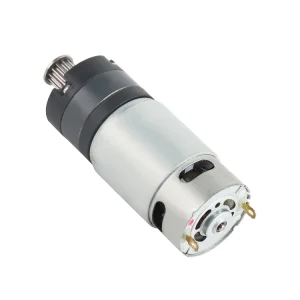
From planetary gear reduction systems to micro-actuators, explore our tailored configurations designed to handle demanding torque requirements.