TQC Micromotor
TQC Micromotor
TQC Micromotor
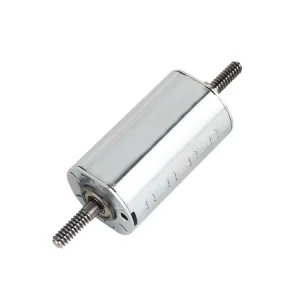
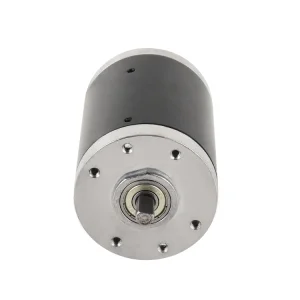
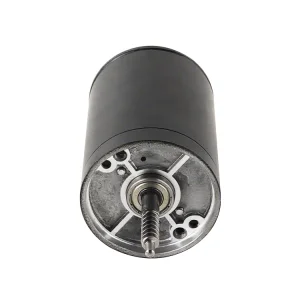
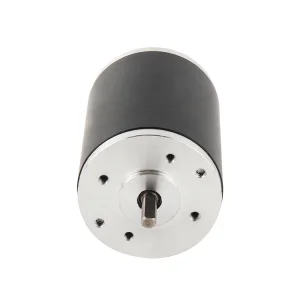
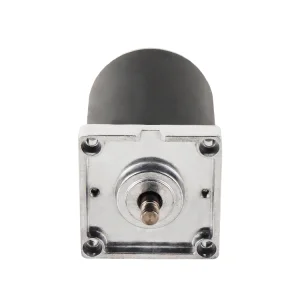
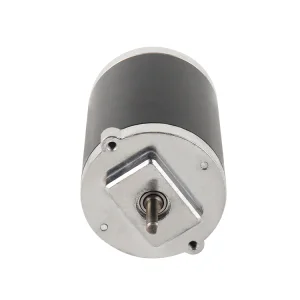
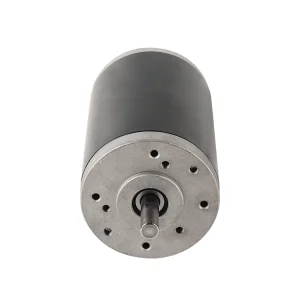
Our leading portfolio of high-efficiency, permanent magnet brushed motors engineered to satisfy the high standards of Korean technology brands, featuring robust design, built-in safety configurations, and long lifespans.
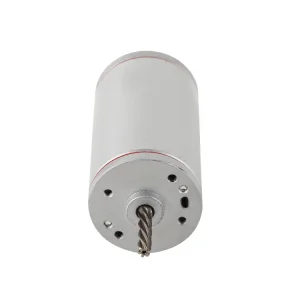
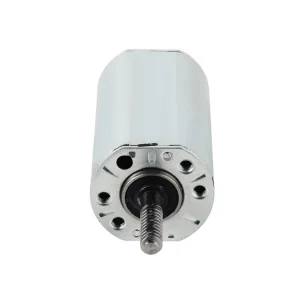
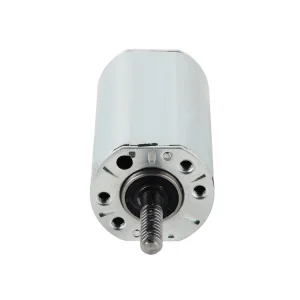
South Korea stands as a global beacon for high-tech integration, particularly within smart city projects like Songdo and the redevelopment of metropolitan areas in Seoul and Incheon. Modern Korean residential architecture requires seamless integration of automated shading, intelligent HVAC dampers, smart door locks, and dynamic air purification systems. Brushed DC motors represent the core of these mechanisms, providing high starting torque to actuate motorized curtains and vents quietly and reliably. For architectural applications, our L3873 and LF4580 series are customized with specialized low-noise carbon brushes and precision skewed rotors to guarantee operations below 35dB(A), meeting strict residential acoustic standards.
Korea's vast coastline and established shipyards in Busan, Ulsan, and Mokpo fuel a highly demanding domestic market for marine and leisure craft components. Marine environments pose immense operational hurdles, including high humidity, salt spray, and extreme vibration. Heavy-duty bilge pumps, cabin ventilation, motorized winches, and windscreen wipers must operate reliably under these conditions. Our permanent magnet brushed DC motors, such as the LF4575 24V with integrated electromagnetic brake, ensure safety in marine structures. The custom anti-corrosion coatings on the motor frames, combined with IP55 to IP65 ingress protection configurations, prevent salt-water degradation and copper winding oxidation, ensuring long-term operational resilience.
As South Korean conglomerates like Hyundai and Kia pivot aggressively toward electric vehicles (EVs), the demand for reliable, cost-effective micro-drives has surged. Brushed DC motors are widely deployed in auxiliary systems where brushless counterparts are cost-prohibitive or structurally redundant. Key applications include active grille shutter (AGS) systems, EV thermal management valve actuators, electronic parking brake (EPB) lock mechanisms, and power trunk doors. The ability to deliver massive torque within a compact frame size is crucial. By optimizing winding density and magnetic flux path layouts, TQC Micromotors provides high peak torque models that operate flawlessly under extreme cold (-40°C) and heat (+105°C) environments common to automotive applications.
When selecting a micro-drive for precision applications, design engineers often weigh Brushed DC against Brushless DC (BLDC) systems. While BLDC motors excel in speed control and longevity, brushed motors remain highly relevant due to their simple design, high torque density, linear speed-torque curves, and cost-effectiveness. Below is our engineering roadmap for maximizing efficiency and reliability in high-torque brushed DC designs.
The torque density of a brushed motor is heavily dependent on the magnetic flux density within the air gap. We utilize high-grade Neodymium-Iron-Boron (NdFeB) and anisotropic ferrite permanent magnets. This allows our motors (such as the L78122 and L83110 series) to deliver exceptional power output (exceeding 95W and 107W respectively) within tight envelope sizes. By modeling the magnetic circuit using Finite Element Analysis (FEA), we optimize the arc shape of the magnets to eliminate cogging torque, resulting in smoother rotation at low speeds.
The primary factor determining the operational life of a brushed DC motor is the brush-commutator interface. We offer two brush configurations to match different operational environments:
For applications where load hold or emergency stops are critical (such as automated sliding doors, vertical actuators, or safety-critical marine winches), integrated electromagnetic brakes are necessary. The LF4575 is a premier example of design integration, incorporating a fail-safe electromagnetic brake directly onto the 38mm motor frame. When power is cut, the brake engages instantly to hold the shaft securely in place, preventing back-driving and damage to the drive train.
At TQC Micromotor, we believe that global innovation shouldn't be limited by size. For two decades, we have dedicated ourselves to a single, relentless pursuit: designing, engineering, and manufacturing high-performance micro-drive solutions that keep modern industries moving forward. Based in China, we operate a state-of-the-art, ISO9001-certified production facility specializing in Micro DC Motors, DC Gear Motors, and Brushless DC Motors (BLDC).
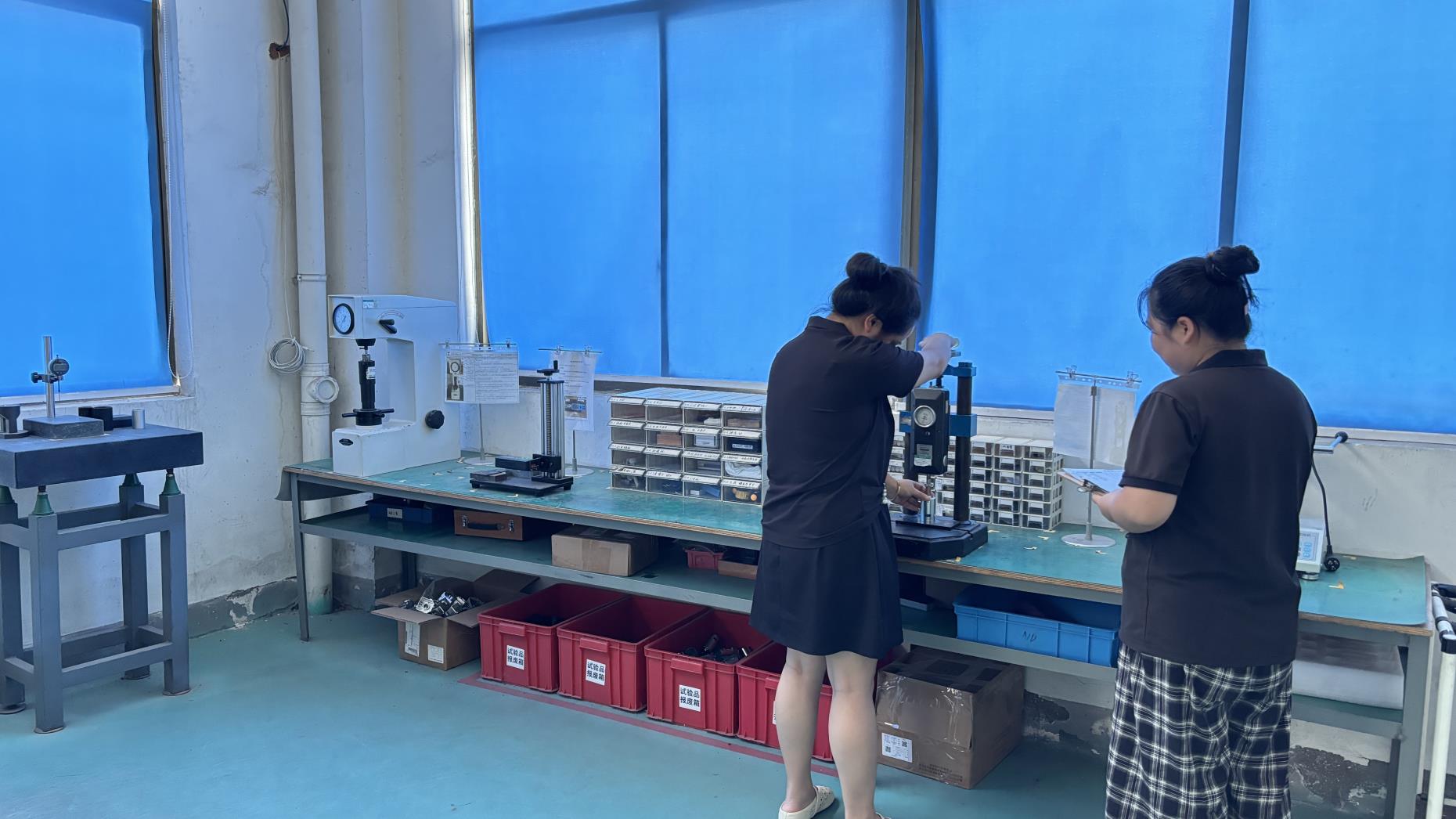
The name TQC represents our foundational pillars: Top Quality & Customization. We understand that applications like smart home automation, medical devices, automotive electronics, and precision robotics demand uncompromised reliability. That is why every TQC micro motor is built with an exceptional power-to-size ratio, ultra-low noise acoustics, and an extended operational lifespan, backed by strict 100% in-house quality control and international certifications (CE, RoHS, REACH).
We don’t just supply standard hardware; we act as a strategic R&D partner. With a robust engineering team holding multiple industry patents, TQC thrives on solving complex mechanical challenges through flexible OEM/ODM custom solutions. From custom shaft configurations and custom voltage tuning to specialized bespoke gearheads, we turn your technical blueprints into high-volume, cost-effective reality.

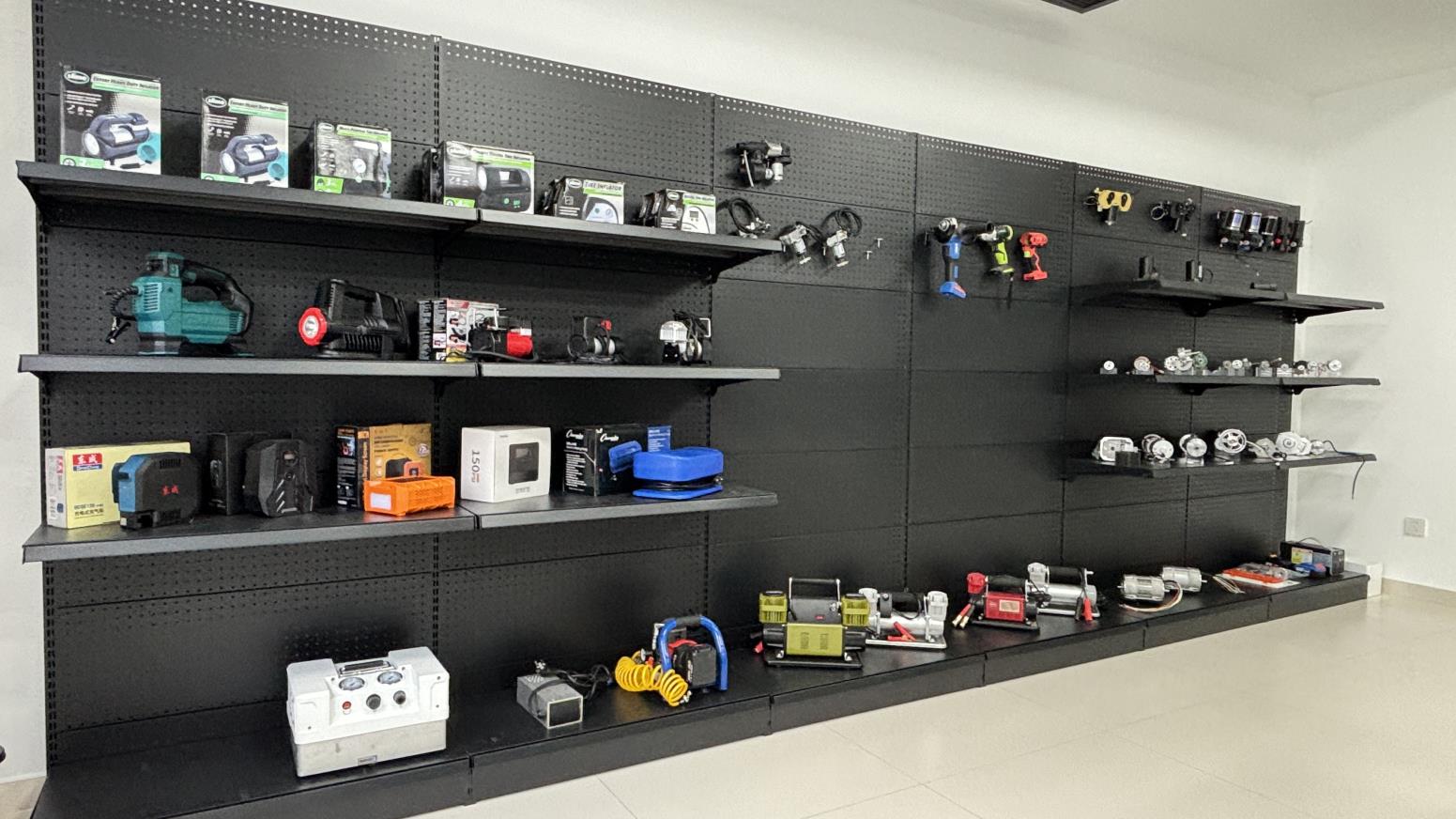
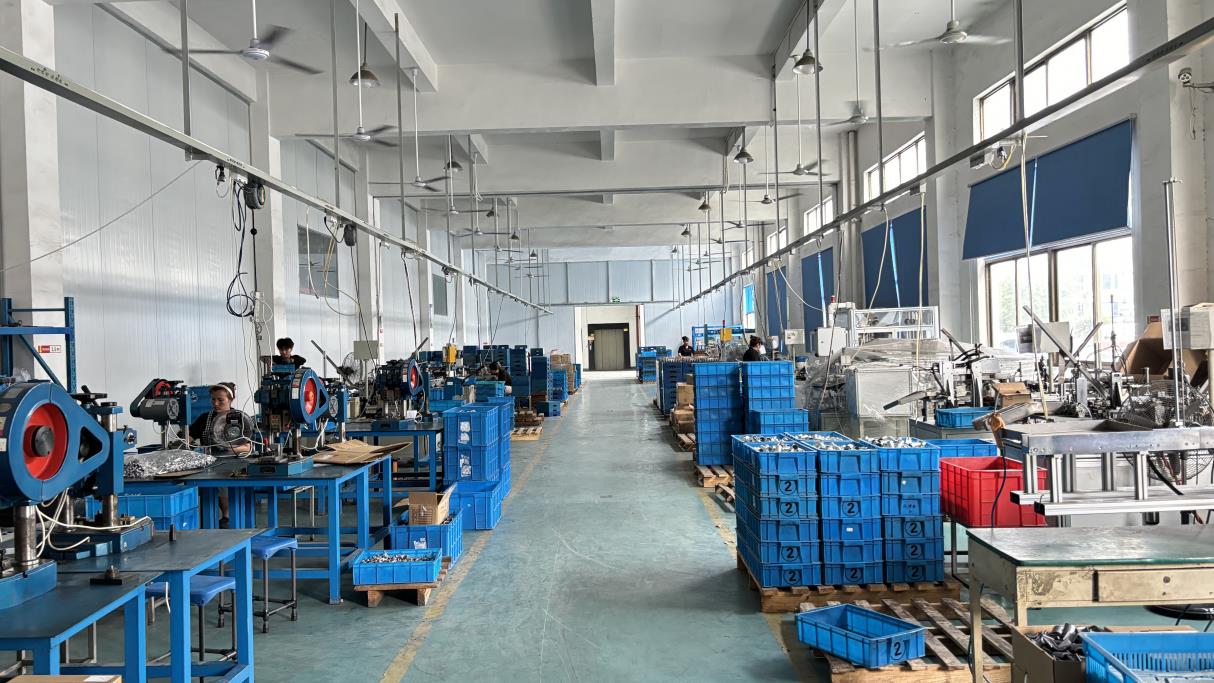
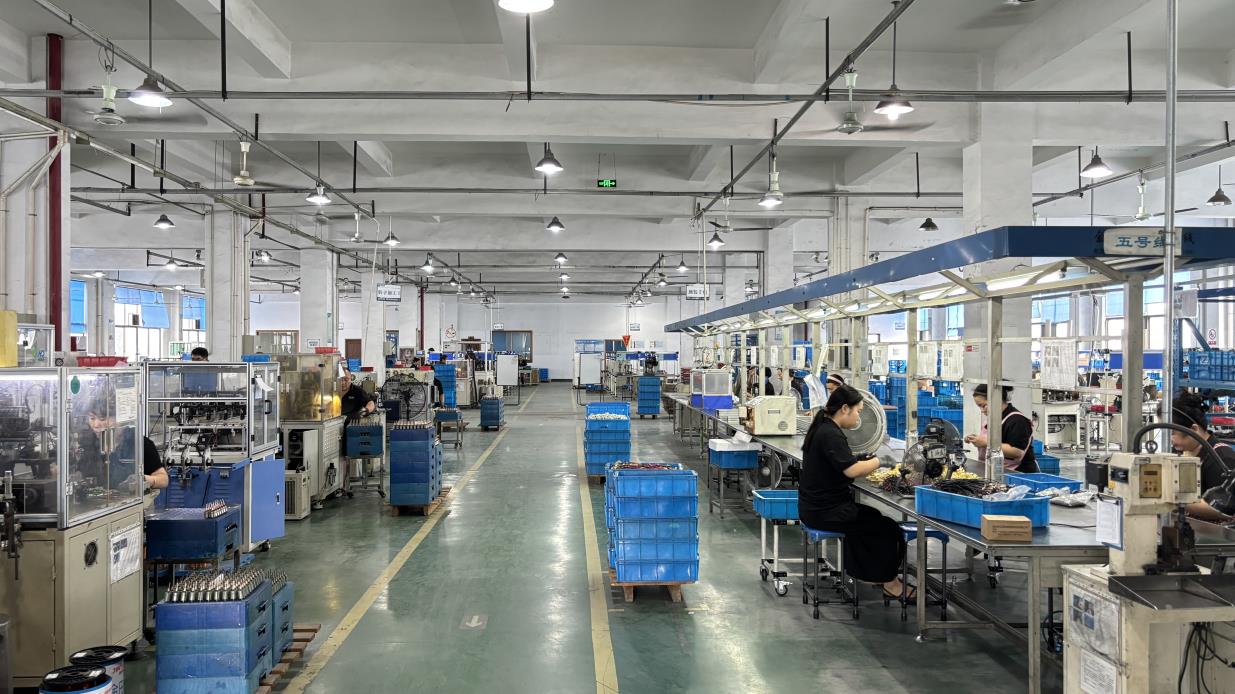
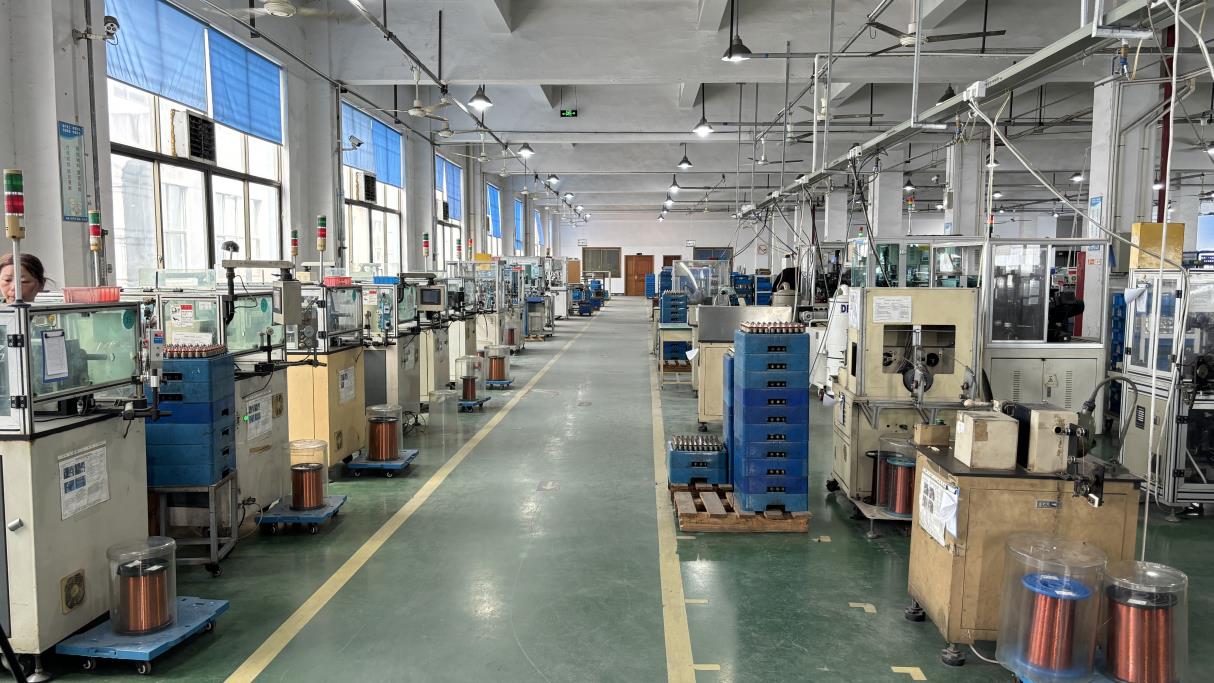
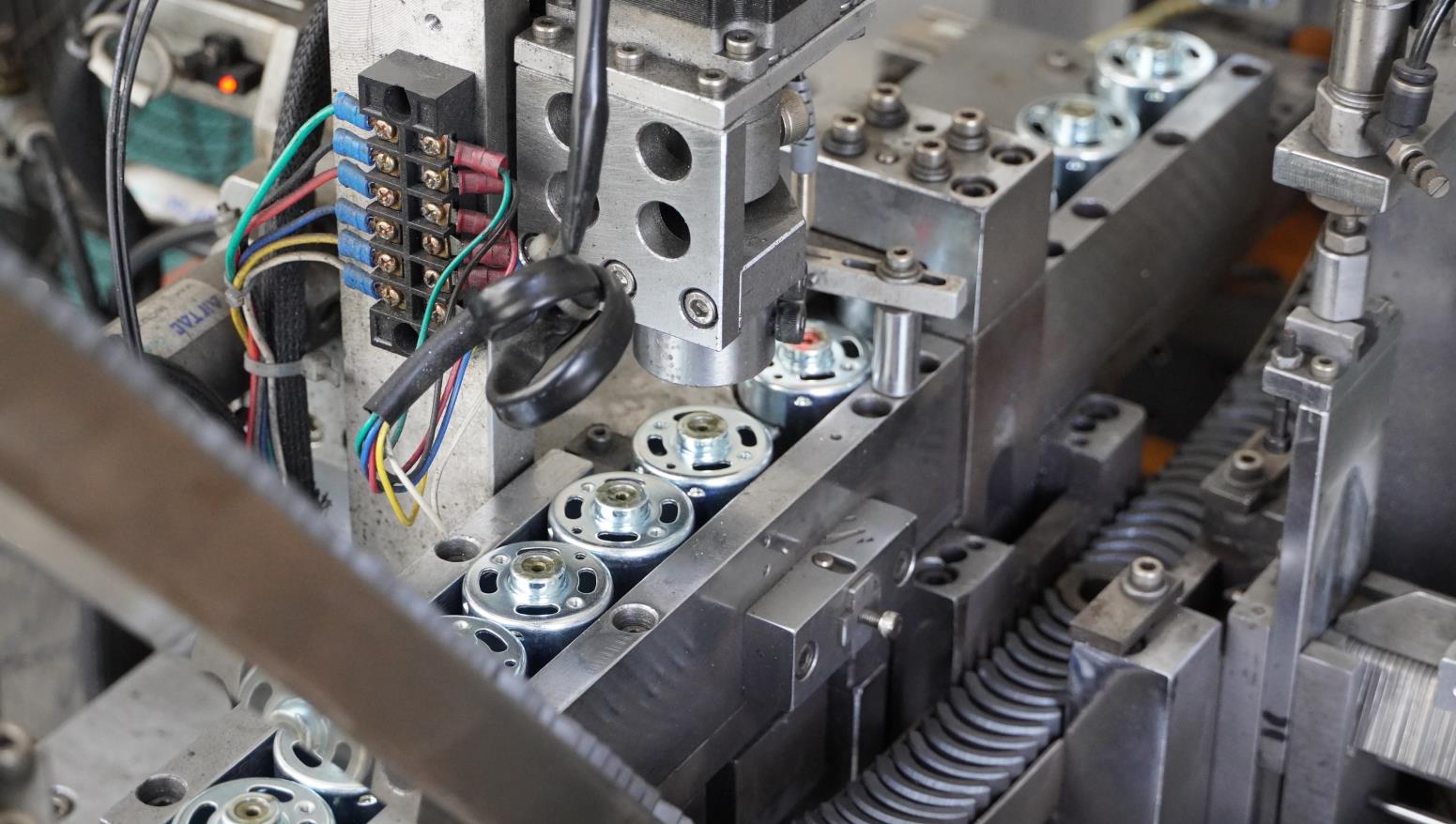
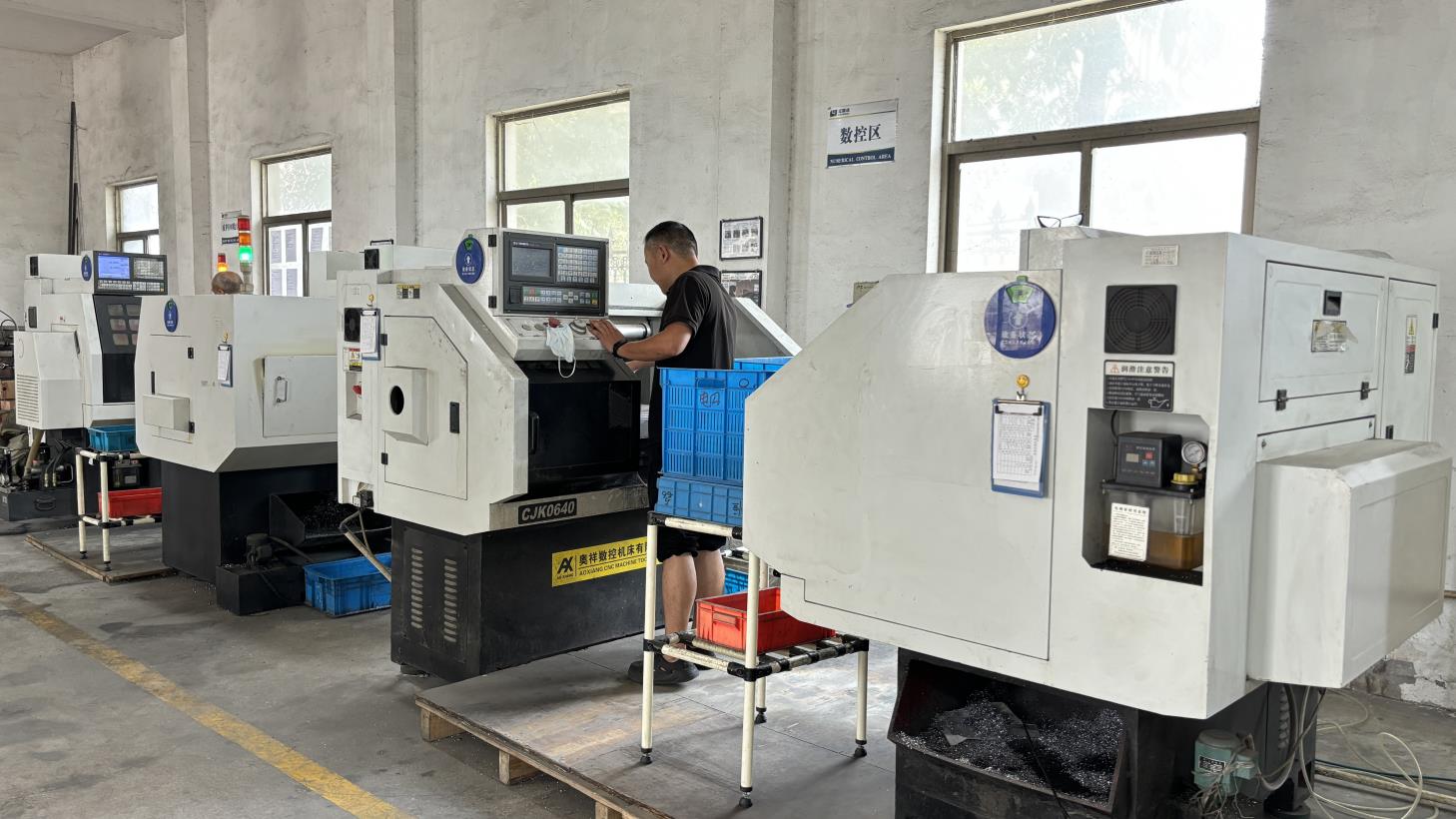
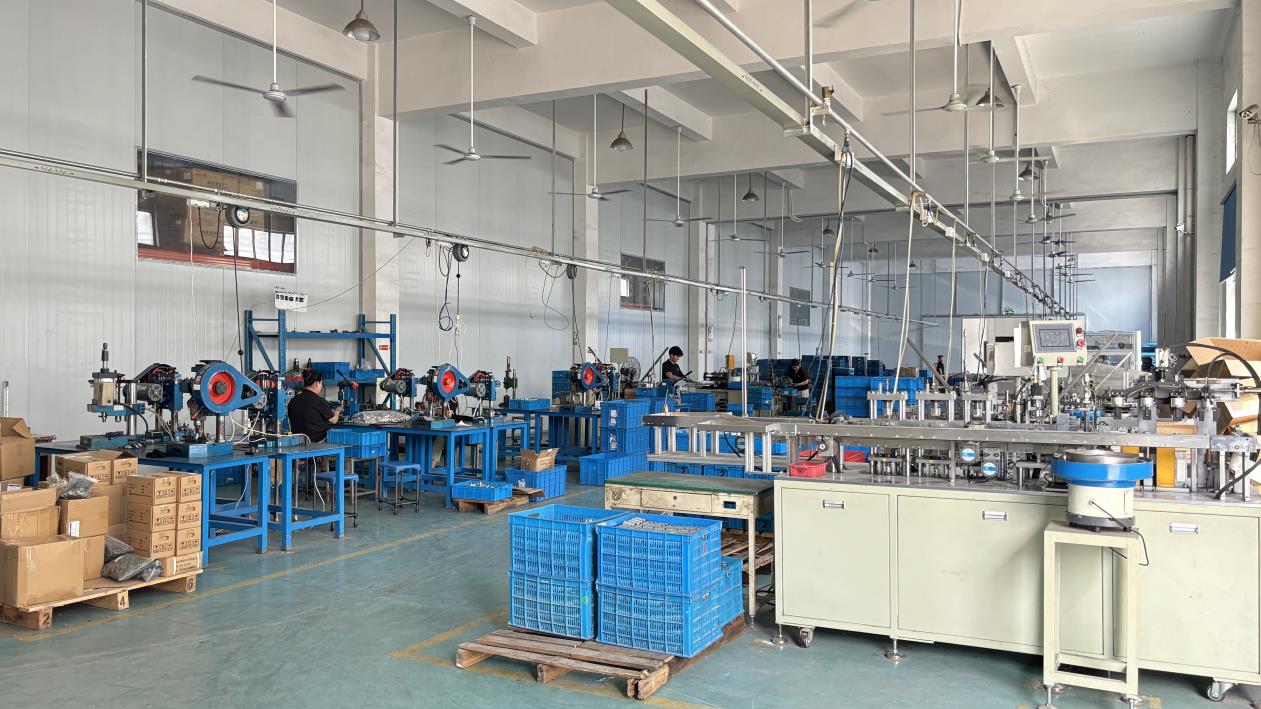
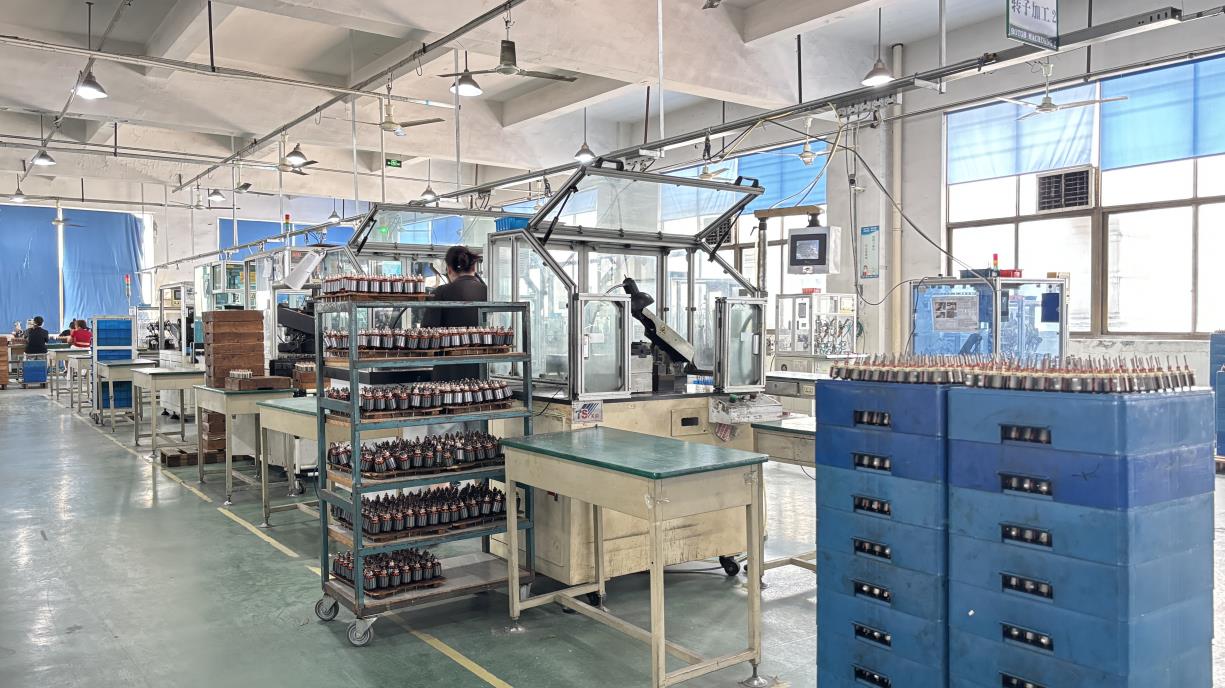
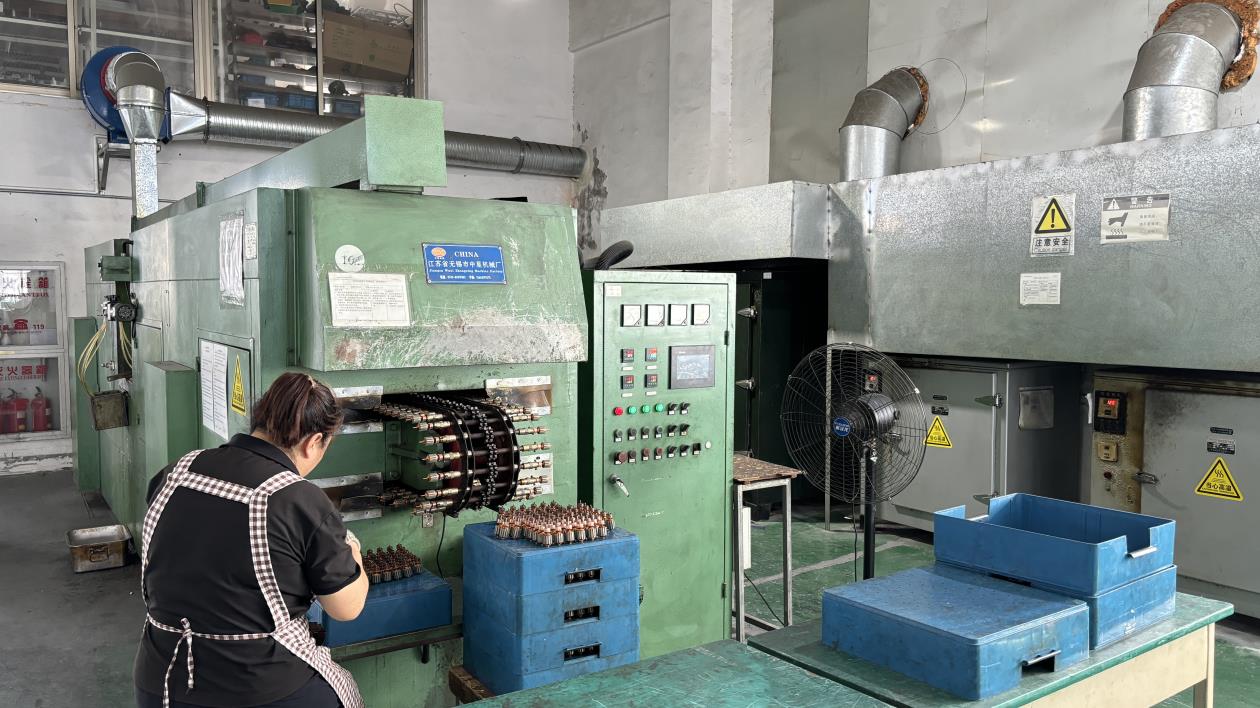
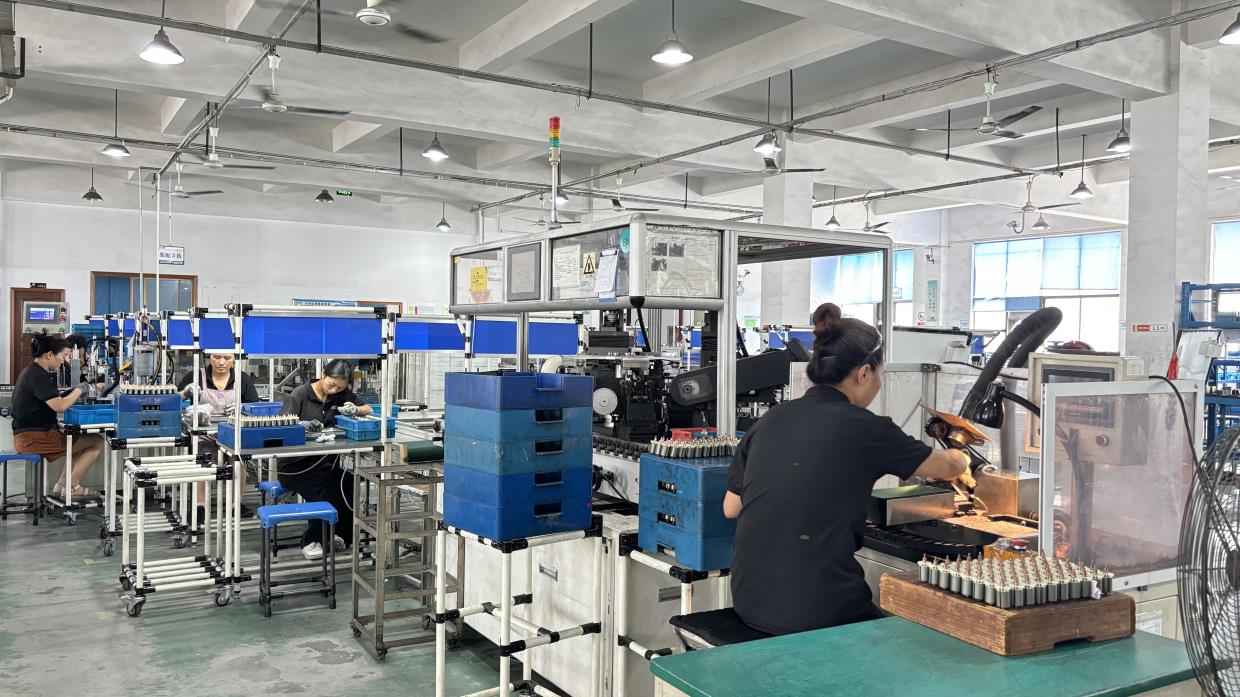
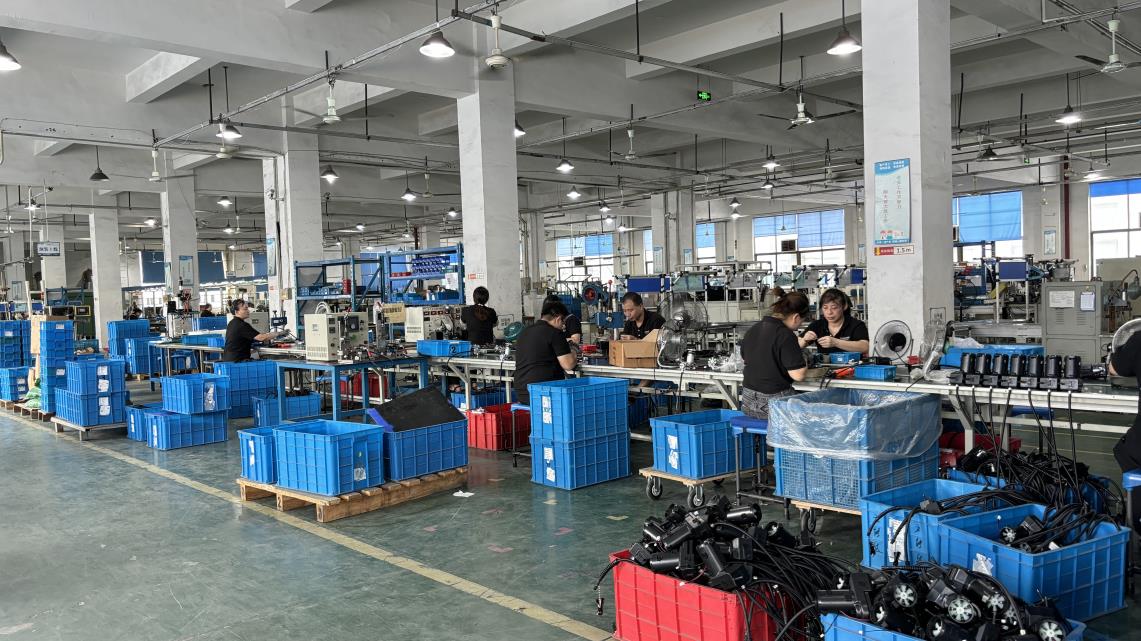
In global manufacturing, lead time, design iteration cycles, and supply chain predictability are critical metrics. TQC Micromotor's advanced manufacturing hub in China, combined with strategic geographical proximity to the South Korean market, offers several distinct logistics and engineering advantages:
Located in mainland China's primary manufacturing corridors, we leverage daily shipping schedules from major shipping ports like Shanghai, Ningbo, and Shenzhen to Korea's main logistics ports (Incheon, Busan, and Pyeongtaek). Maritime transit takes between 1.5 to 3 days, making it comparable to regional overland logistics and significantly reducing warehouse holding costs for Korean buyers.
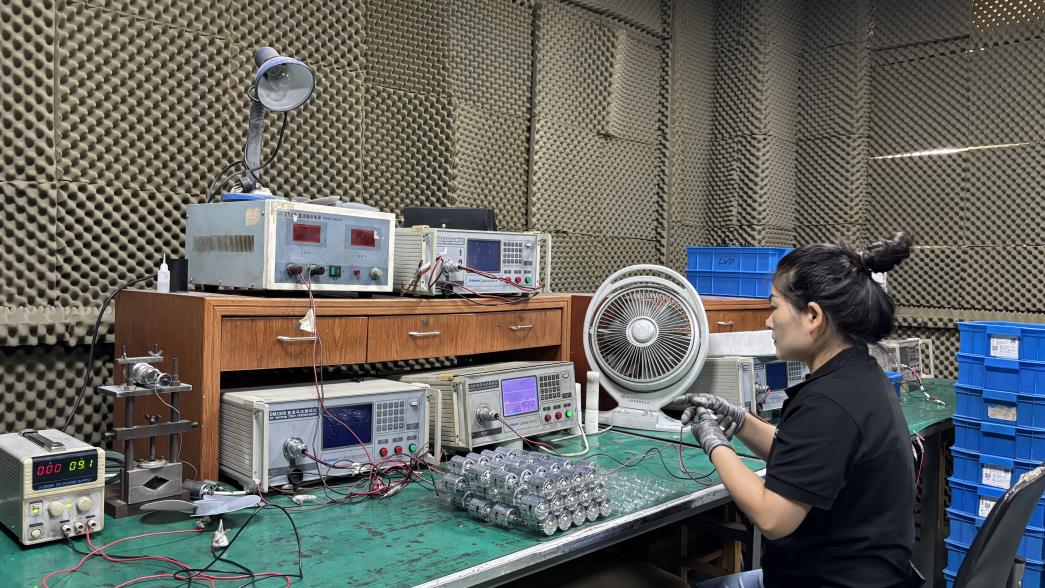
Our proximity allows for rapid sample delivery and design validation. Engineering teams in Incheon or Gyeonggi-do can collaborate with TQC's R&D department via live video testing inside our silent chambers, receive custom physical prototypes within 7 to 10 working days, and swiftly transition projects to mass manufacturing.
Every industrial market has unique operating requirements. Whether tuning winding resistances for specific voltages (e.g. 6.2V, 12V, 18V, 24V, 30V, 55V), mounting customized shaft profiles (D-cuts, knurls, splines), or integrating specialized gearboxes, we adapt our designs to fit directly into your application footprint.
Importing motors into South Korea requires strict adherence to environmental safety, materials purity, and electromagnetic compatibility standards. TQC Micromotor maintains rigorous compliance across all production lines:
KC (Korea Certification) Standards: Where application-specific guidelines demand certification, we support our clients with full electrical, isolation, and thermal runaway reports to facilitate the KC approval process for consumer appliances, household robotics, and smart home fixtures.
RoHS and REACH Compliance: To align with the Korea-RoHS (Act on Resource Circulation of Electrical and Electronic Equipment and Vehicles), all raw materials—ranging from high-purity copper windings and steel shafts to low-noise graphite brushes—are tested and certified free of restricted hazardous substances (such as lead, mercury, and cadmium).
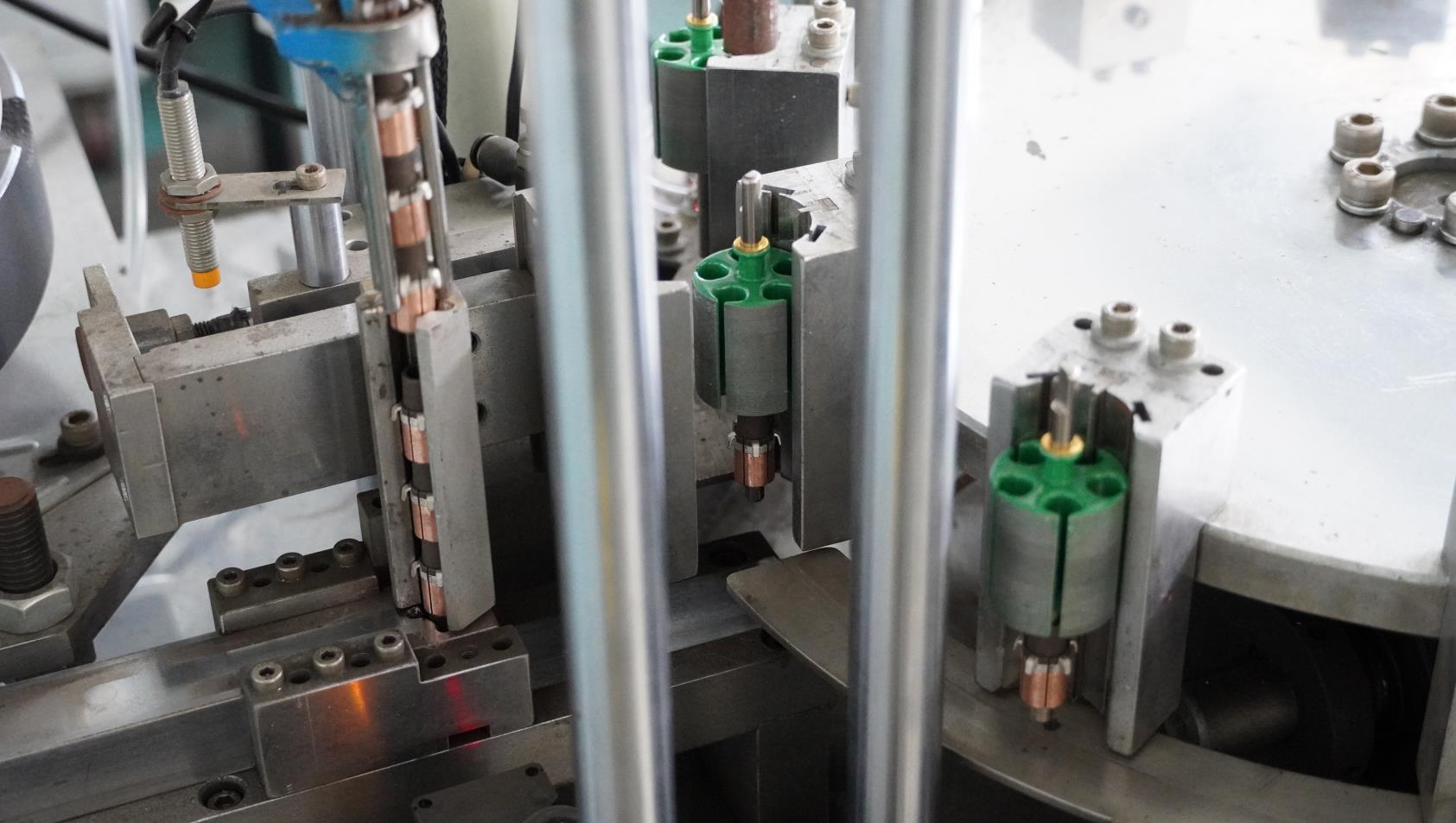
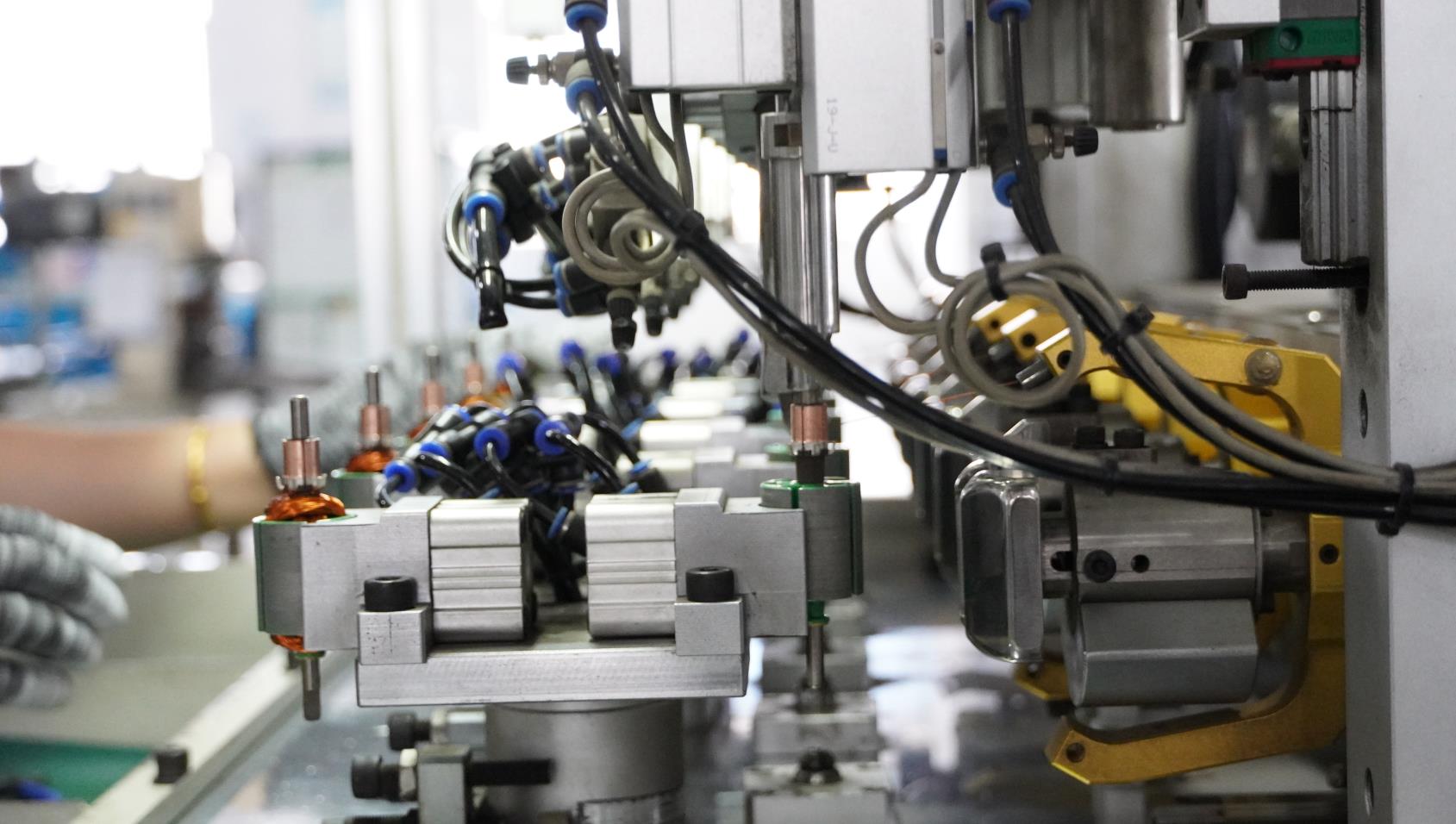
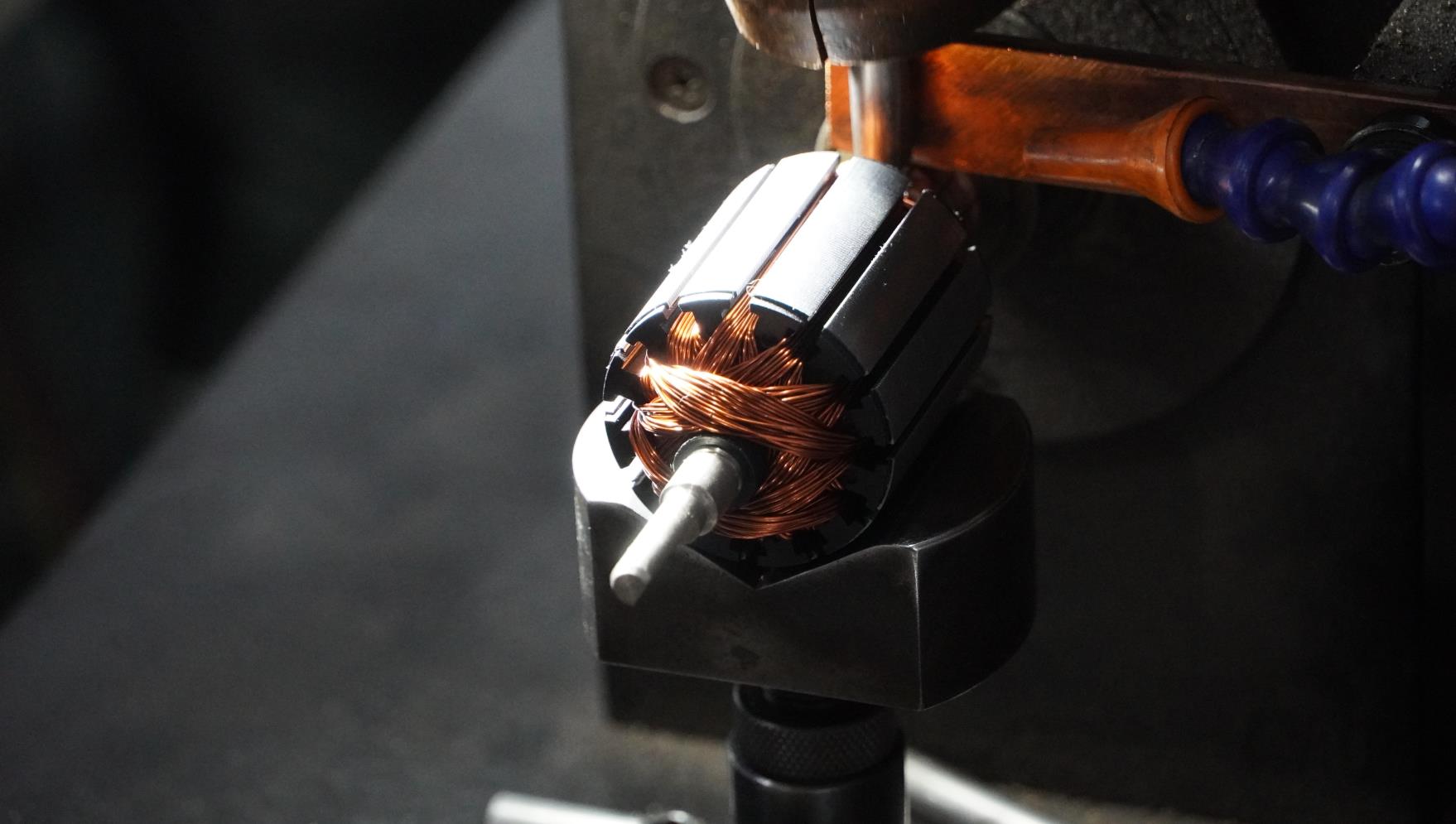
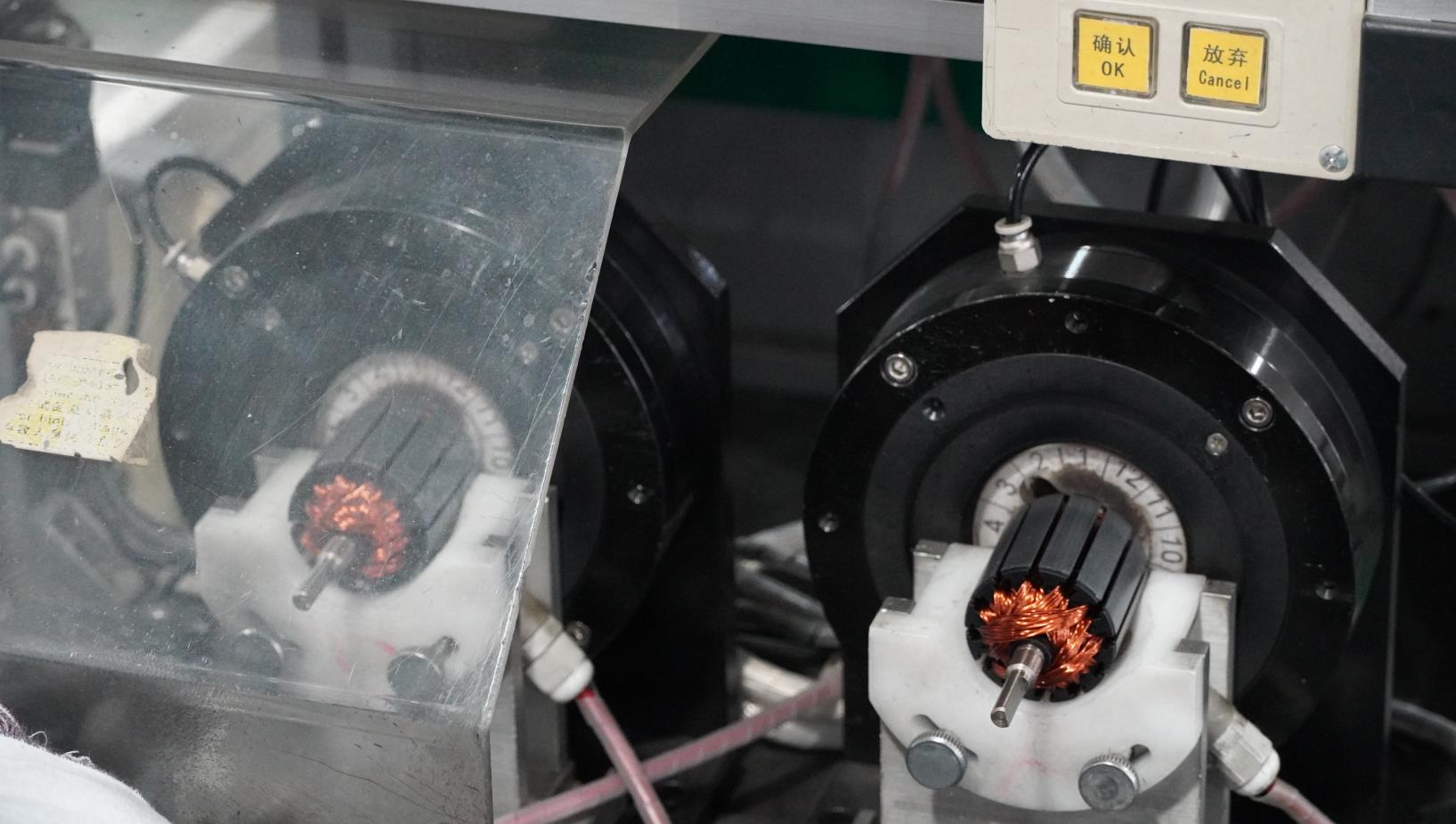
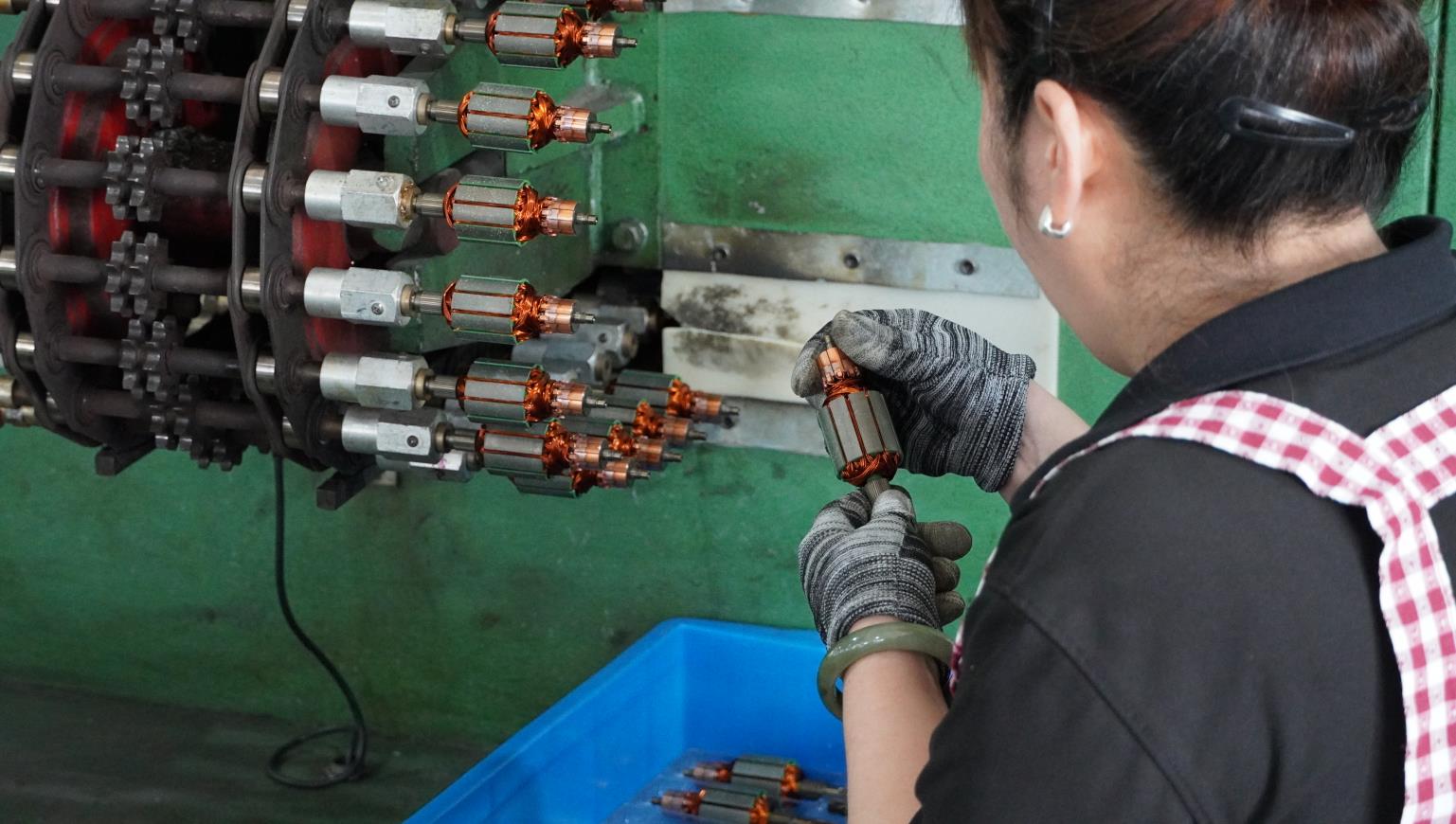
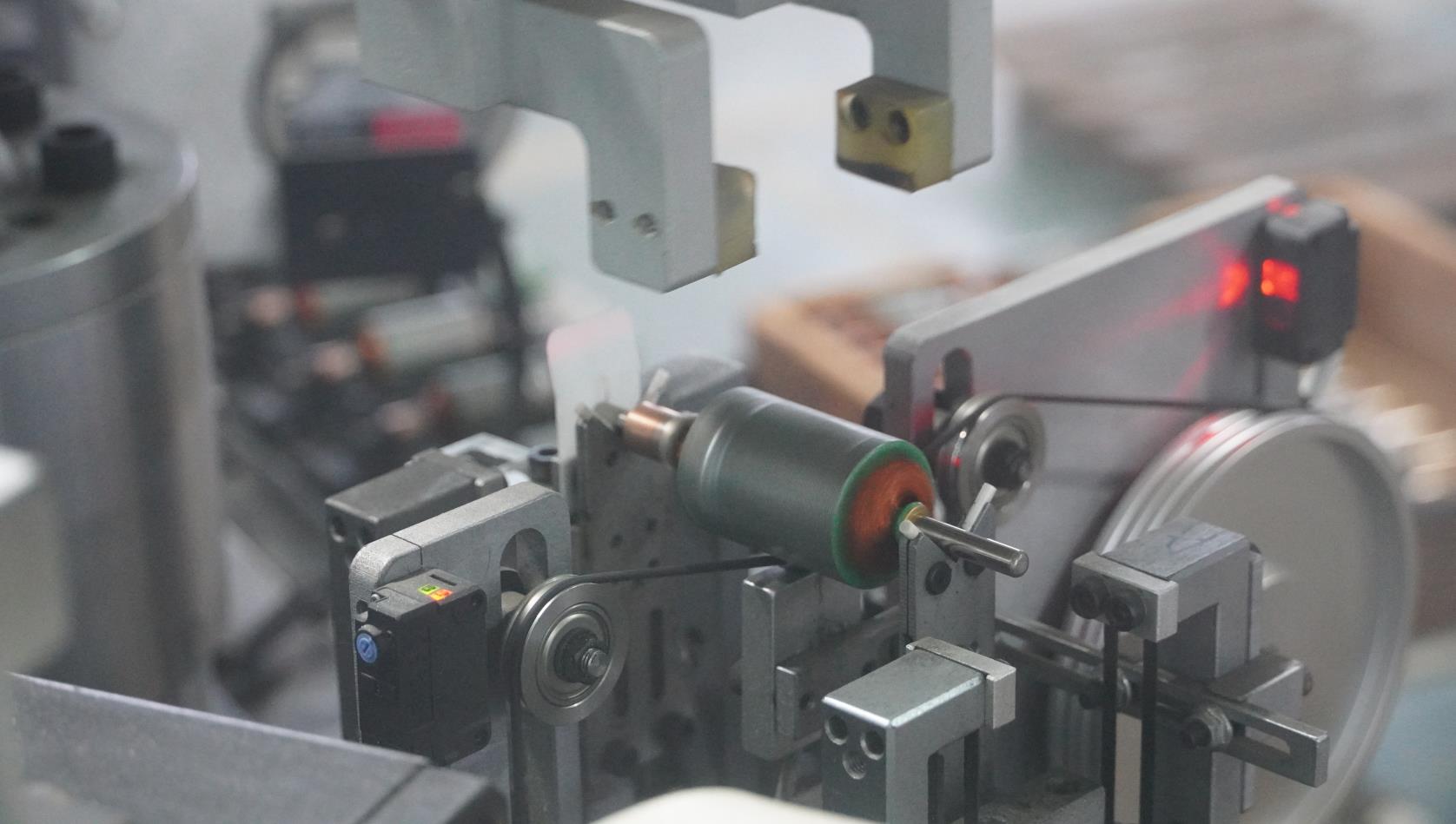
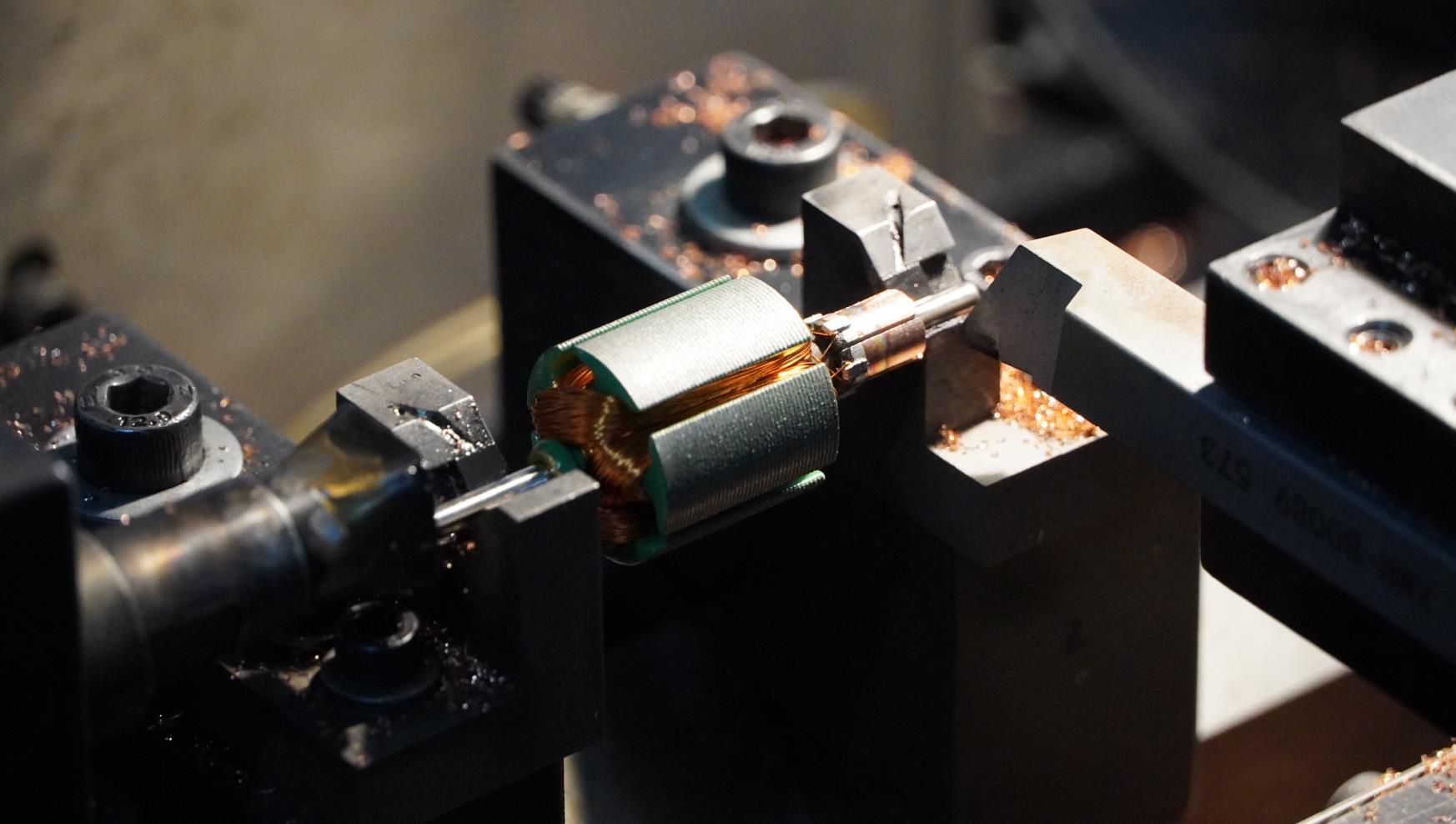
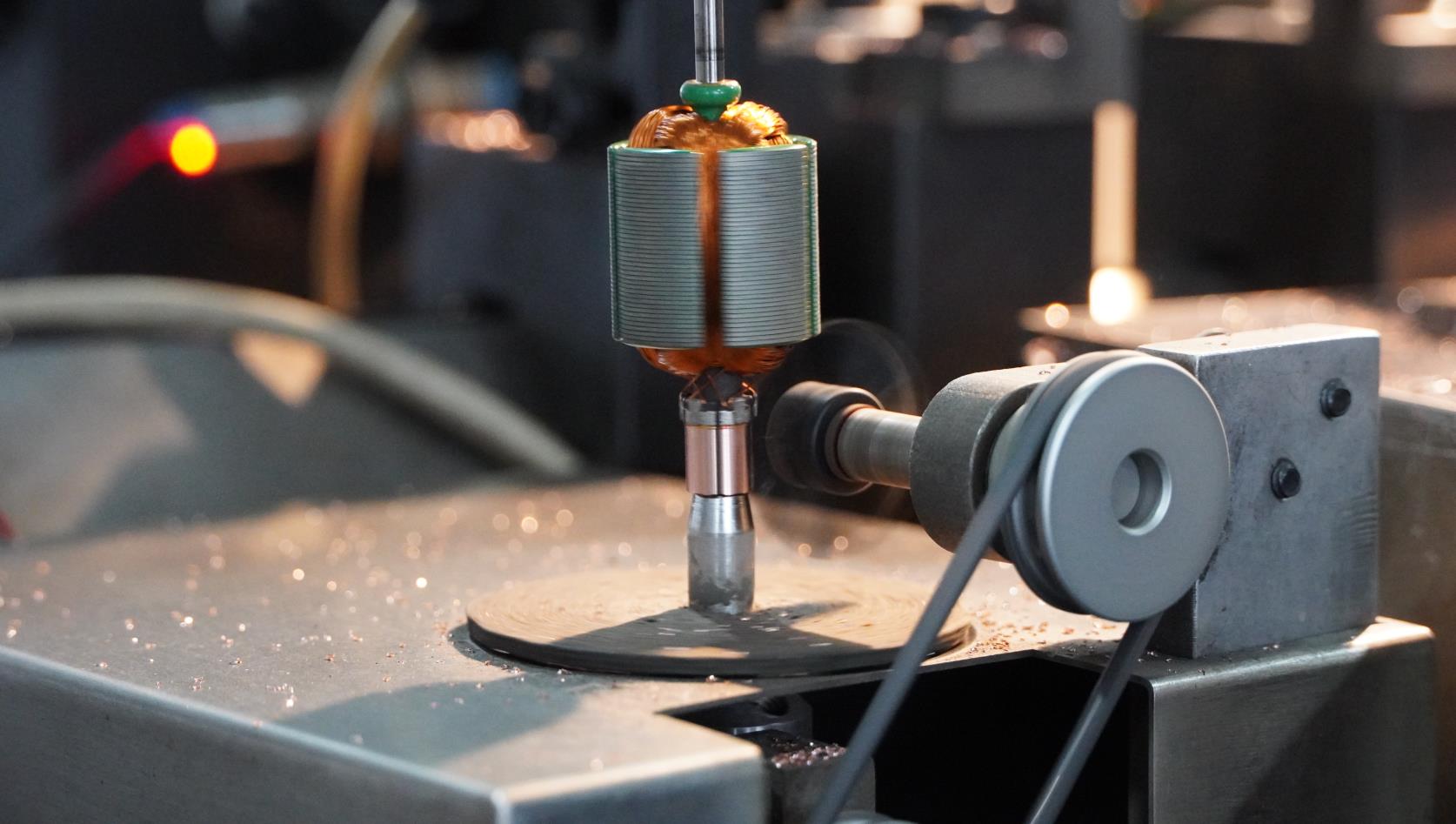
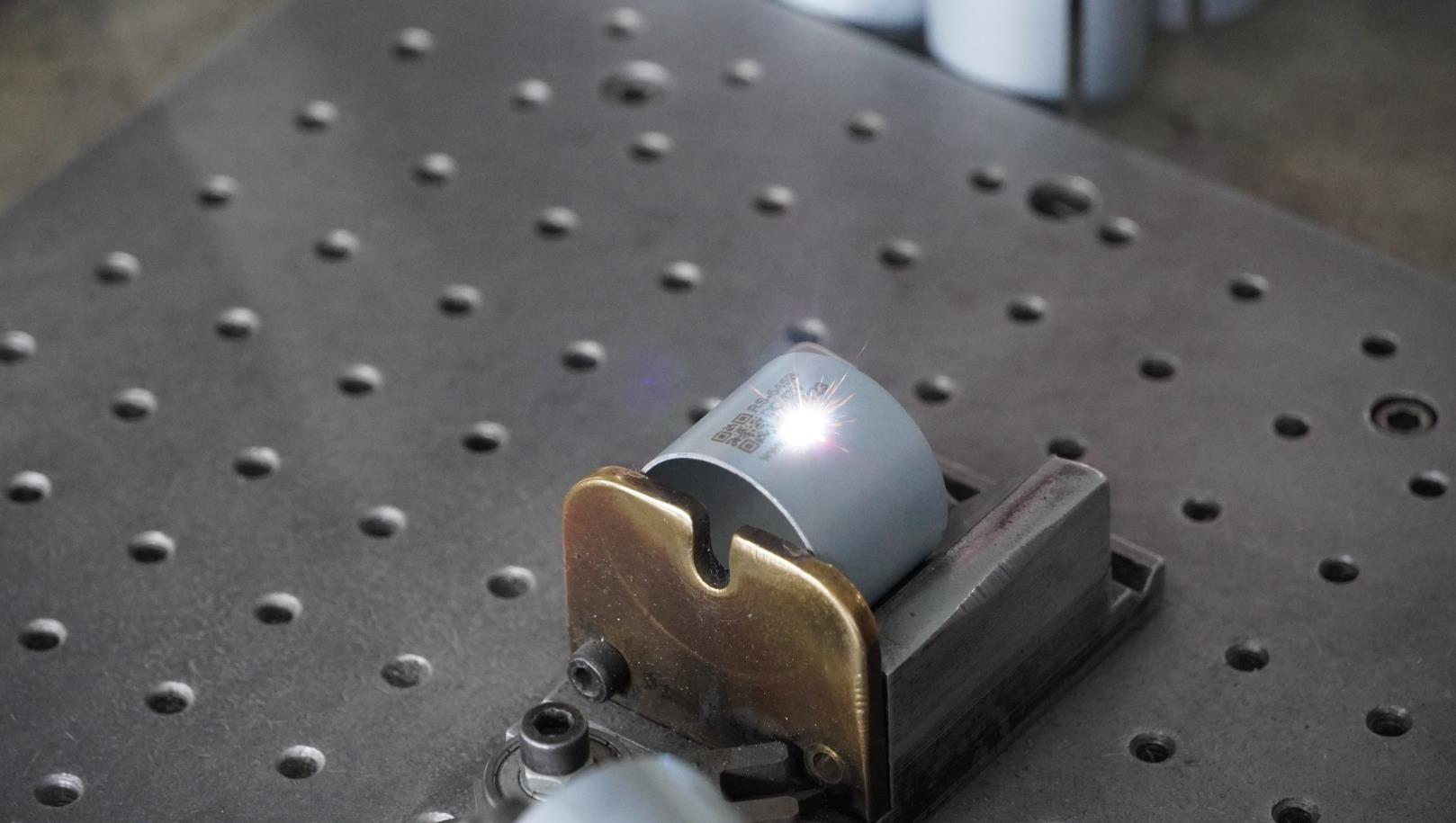
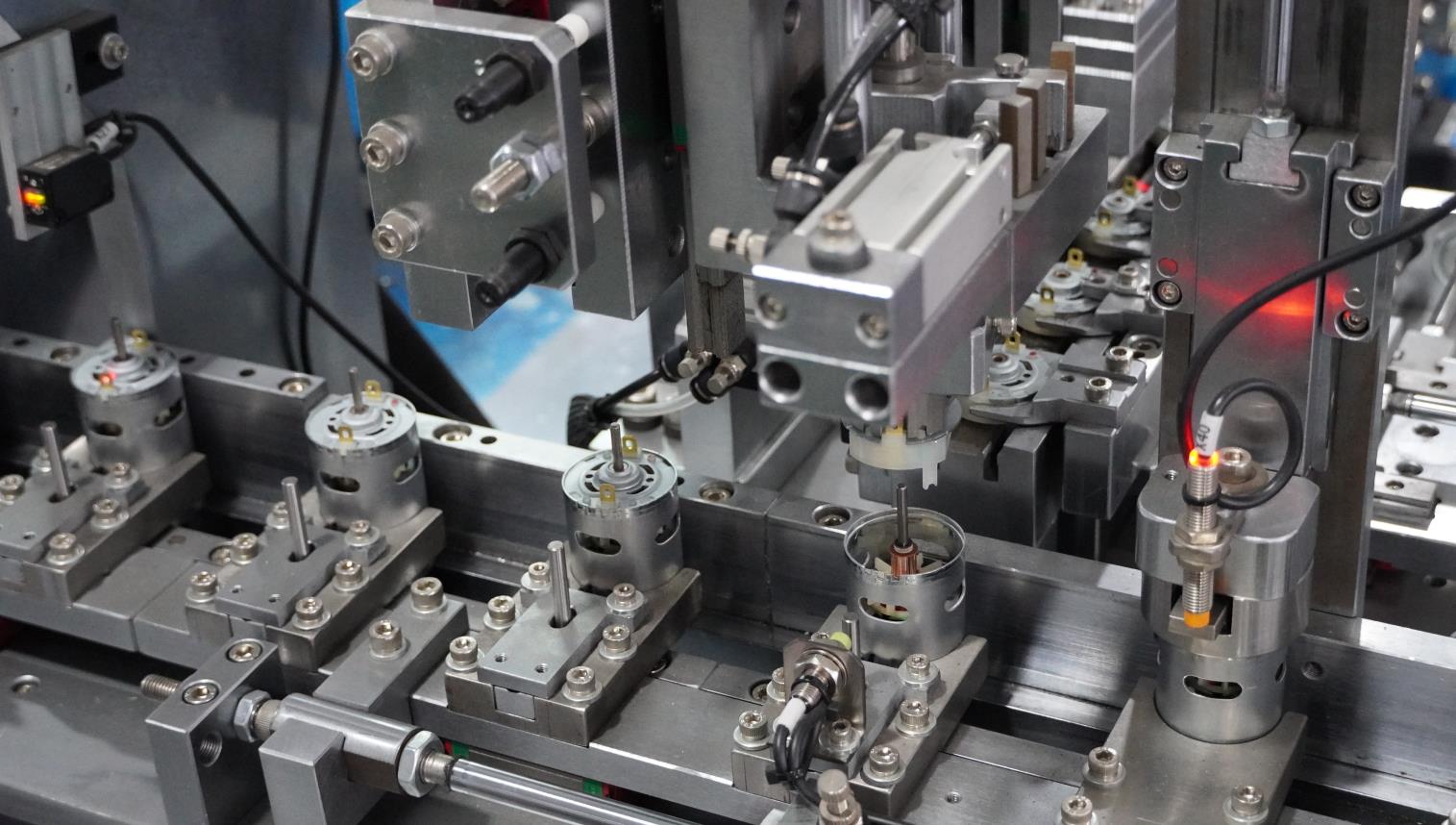
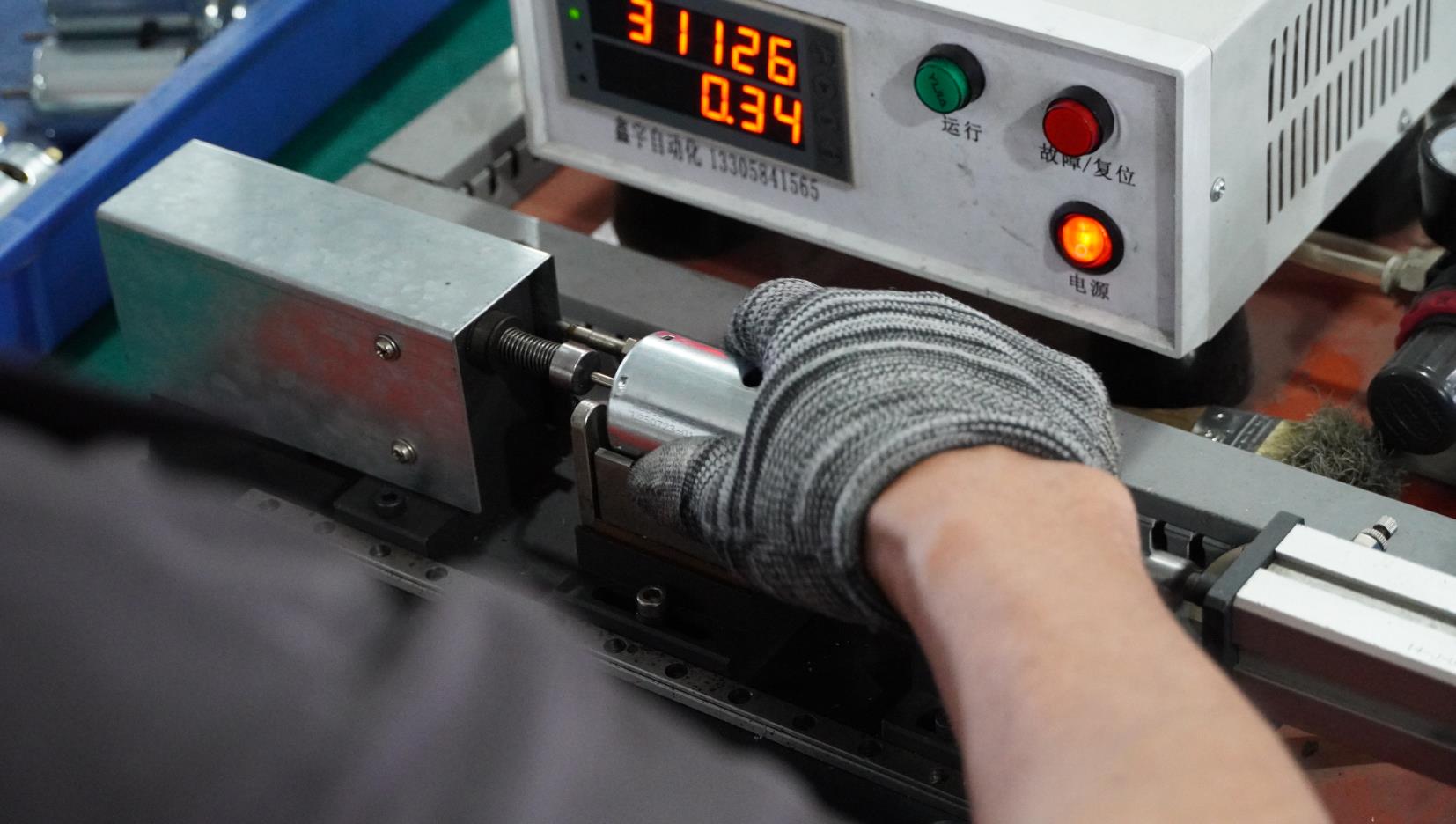
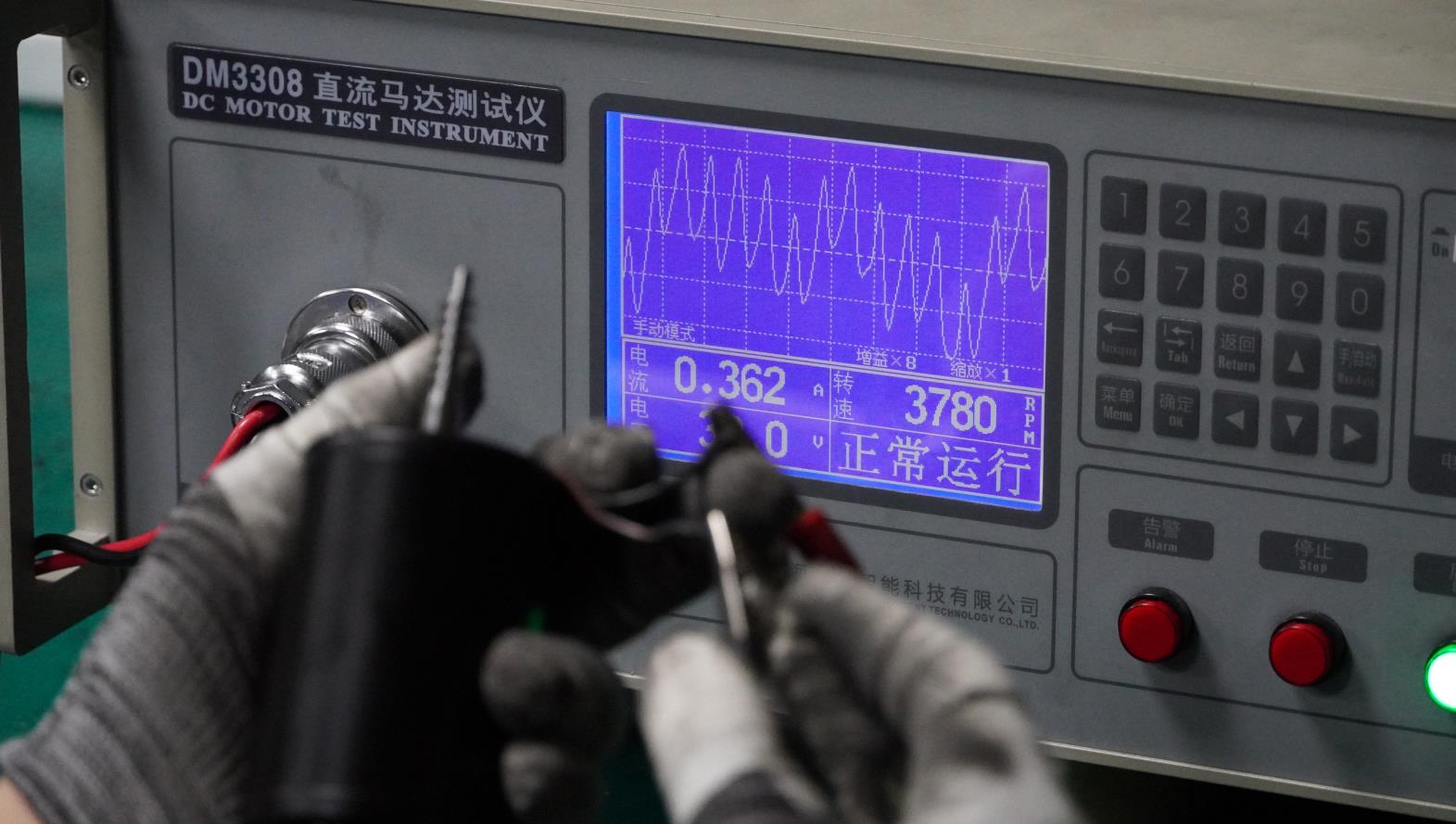
ISO 9001:2015 Operations: Every step of the production sequence—from stator assembling to commutator fine turning, spot welding, dynamic balancing, and noise verification—is monitored, logged, and subject to 100% inspections in our silent test facilities.
Explore our comprehensive range of high-torque, permanent magnet DC motors. Ideal for smart appliances, leisure boat systems, ventilation fans, and industrial automation components across South Korea.
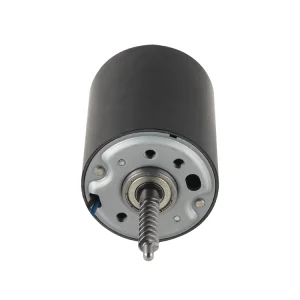
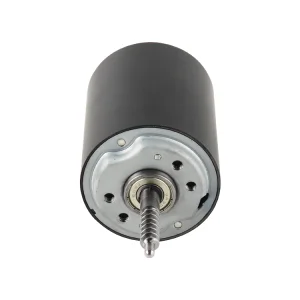
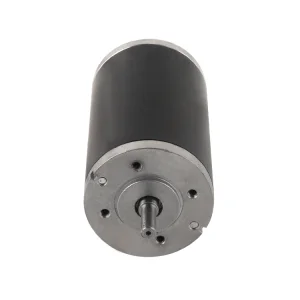
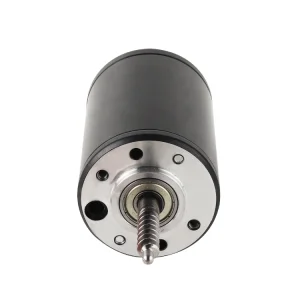
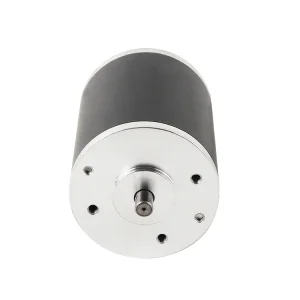
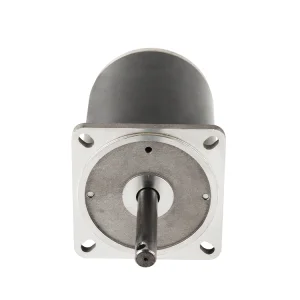
For maritime applications (such as yacht cabin fans, bilge pumps, or wiper systems used along Korea's coastal zones), we recommend copper-graphite brush compositions. These brushes offer excellent electrical conductivity and self-lubrication, preventing moisture film build-up and carbon corrosion on the commutator. For low-current signal sensors, gold or silver alloy precious metal brushes are selected to minimize contact resistance.
The lifespan of a brushed DC motor is primarily limited by brush wear. Under standard operating conditions, our high-performance carbon brush motors achieve between 2,000 to 4,000 operational hours. By matching the brush spring force to prevent mechanical friction and using high-purity copper bars on the commutator, we minimize wear. Operation profile, startup frequency, and thermal dissipation also affect longevity.
Yes, customized mechanical interfaces are a core specialty of our OEM/ODM service. We can modify the motor frame configuration, mount customized flanges, adjust mounting screw thread sizes (such as metric threads commonly used in Korea), and machine custom output shafts (D-cuts, spline shafts, or integrated pulleys) to match your existing system assemblies perfectly.
Brushed DC motors are selected for smart home actuators (like automated curtain drives and ventilation doors) because they do not require complex and expensive electronic drive controllers. They offer linear speed-torque curves and high starting torque immediately upon voltage application. This simplifies circuit design, reduces system costs, and avoids high-frequency electromagnetic interference (EMI) that can disrupt domestic Wi-Fi or IoT networks.
To comply with EMC standards in Korea, we integrate internal suppression components directly inside the motor housing. This includes metal-oxide varistors (MOVs) to clamp voltage spikes, bypass capacitors to filter high-frequency noise, and ferrite choke rings. In medical applications, we shield the motor frame and offer custom twisted-pair cabling to isolate RF leakage.
The integrated electromagnetic brake provides active locking safety. When the power supply is cut, the spring-loaded brake mechanism instantly clamps the motor shaft, preventing rotation. This is critical for vertical loads, automotive latch mechanisms, and marine equipment where back-driving due to external gravity or wind could damage the internal gearbox or compromise user safety.
Yes, our standard designs support temperature ranges from -20°C to +70°C. For automotive applications or cold-storage automation in Korea, we substitute the internal lubrication grease, bearing seals, and magnet adhesives with specialized low-temperature materials, allowing reliable startup and performance down to -40°C.
We offer flexible shipping terms including FOB, CIF, and DDP to Korea. Transit time from our China production hub to ports in Incheon, Busan, or Pyeongtaek is usually 2 to 3 days by sea. Lead times for standard volume production runs are typically 3 to 4 weeks, with expedited prototype builds completed within 7 to 10 working days.