TQC Micromotor
TQC Micromotor
TQC Micromotor
Explore high-torque brushed DC motors, miniature permanent magnet drives, and panel-mount variants built for extreme reliability.
Uncovering the macroeconomic drivers, production shifts, and engineering demand shaping the micro-drive landscape.
In the modern industrial ecosystem, control is no longer just about speed; it is defined by the precise negotiation of force—commonly quantified as torque. A torque adjust motor represents a sophisticated category of electromotive devices engineered to deliver variable, programmable, or highly stable torque outputs irrespective of load variations. From the delicate tensioning required in filament winding to the robust thrust dynamics of automotive actuators, the global commercial status of these motors has entered a paradigm shift. Historically, simple brushed motors were relegated to steady-state operations. However, the contemporary industrial framework demands intelligent, feedback-driven micro-drives capable of responding instantly to changing resistance.
Currently, the Asia-Pacific region, led by advanced manufacturing powerhouses like China, Japan, and South Korea, dominates the supply side of the torque adjust motor value chain. China has transitioned from a high-volume manufacturing center to a pioneer in precision micromotors, integrating advanced robotics and automated quality testing directly into assembly lines. In Europe and North America, the demand is highly focused on localized applications requiring specialized certifications (e.g., ATEX for hazardous environments, FDA-compliant medical grade devices, and automotive AEC-Q100 standards). This geographic distribution of expertise highlights the critical importance of selecting a manufacturing partner that combines low-cost manufacturing capabilities with rigorous, certified quality assurance.
Looking forward, the global market for torque adjust micromotors is projected to expand significantly, driven by the rapid growth of autonomous delivery systems, medical robotic systems, and high-efficiency home appliances. As energy efficiency regulations (such as IE4 and IE5 standards) tighten globally, the transition from legacy motor architectures to energy-efficient, custom-engineered permanent magnet DC (PMDC) and brushless DC (BLDC) motors has become a commercial necessity.
An engineering breakdown of how torque is managed, configured, and optimized at the factory level.
Achieving variable torque in a micro DC motor requires adjusting the fundamental electromagnetic equations that govern its operation. Torque ($T$) is directly proportional to the armature current ($I_a$) and the magnetic flux ($\Phi$) generated by the stator magnets, governed by the equation $T = K_t \Phi I_a$, where $K_t$ is the motor torque constant. To modify torque properties at the factory level, manufacturers utilize several technical pathways:
| Methodology | Physical Execution | Primary Benefit | Key Application |
|---|---|---|---|
| Armature Winding Geometry | Adjusting wire gauge (AWG) and the number of turns per slot on the rotor. | Customizes the motor torque constant ($K_t$) and internal resistance. | High-speed automotive actuators. |
| Magnetic Flux Engineering | Utilizing different grades of magnets (Ferrite, NdFeB, SmCo) or altering shell thicknesses. | Increases maximum stall torque without expanding physical envelope dimensions. | Compact surgical robotics & aerospace actuators. |
| Mechanical Gear Integration | Integrating precision worm gearboxes or planetary gearheads. | Multiplies torque output while lowering output speed (RPM). Fits compact spaces. | Smart home automation (curtains, lock bolts). |
| Dynamic Voltage Tuning | Modulating input voltage or using Pulse Width Modulation (PWM) controllers. | Enables real-time torque adjustment during active operations. | Smart fan ventilation, automated conveyor feeders. |
At TQC Micromotor, these physical variables are customized for each production run. By controlling the mechanical and electrical variables simultaneously, engineers can design a motor that outputs high torque at low speeds without overheating. This optimization protects critical system parts and prevents premature failure of the carbon brushes or commutator segments.
How strict quality management systems and automated production technologies ensure performance continuity across production batches.
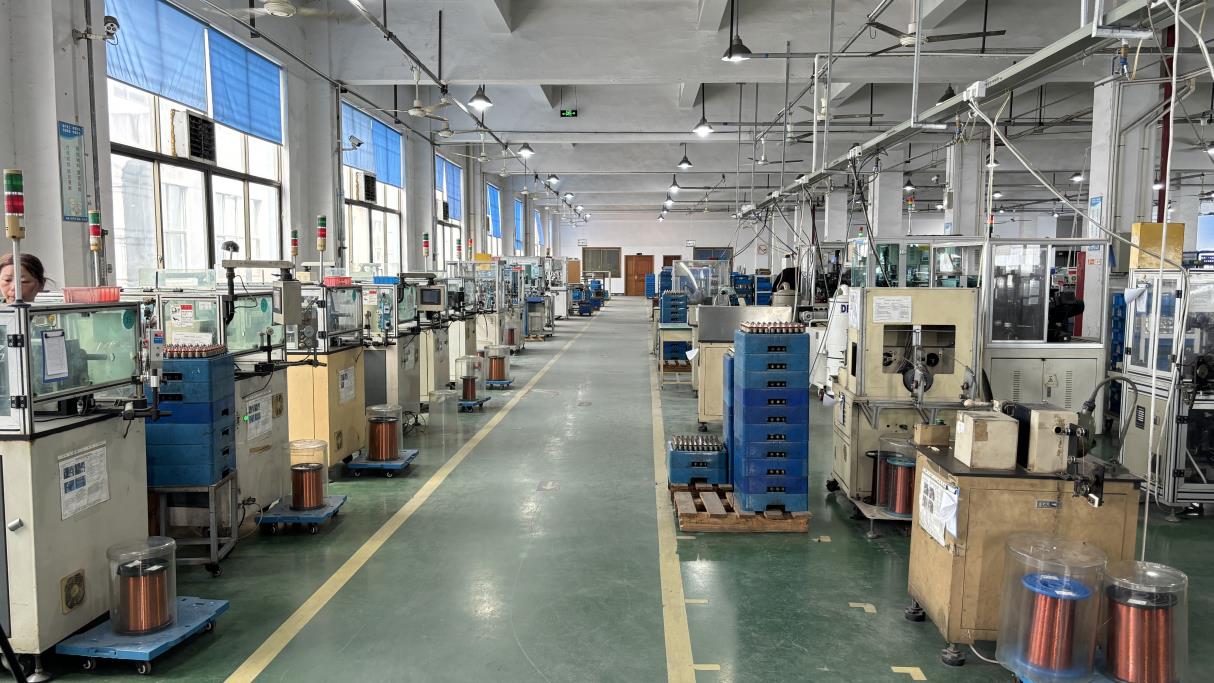
At TQC Micromotor, we believe that global innovation shouldn't be limited by size. For two decades, we have dedicated ourselves to a single, relentless pursuit: designing, engineering, and manufacturing high-performance micro-drive solutions that keep modern industries moving forward. Based in China, we operate a state-of-the-art, ISO9001-certified production facility specializing in Micro DC Motors, DC Gear Motors, and Brushless DC Motors (BLDC).
The name TQC represents our foundational pillars: Top Quality & Customization. We understand that applications like smart home automation, medical devices, automotive electronics, and precision robotics demand uncompromised reliability. That is why every TQC micro motor is built with an exceptional power-to-size ratio, ultra-low noise acoustics, and an extended operational lifespan, backed by strict 100% in-house quality control and international certifications (CE, RoHS, REACH).
We don’t just supply standard hardware; we act as a strategic R&D partner. With a robust engineering team holding multiple industry patents, TQC thrives on solving complex mechanical challenges through flexible OEM/ODM custom solutions. From custom shaft configurations and custom voltage tuning to specialized bespoke gearheads, we turn your technical blueprints into high-volume, cost-effective reality.
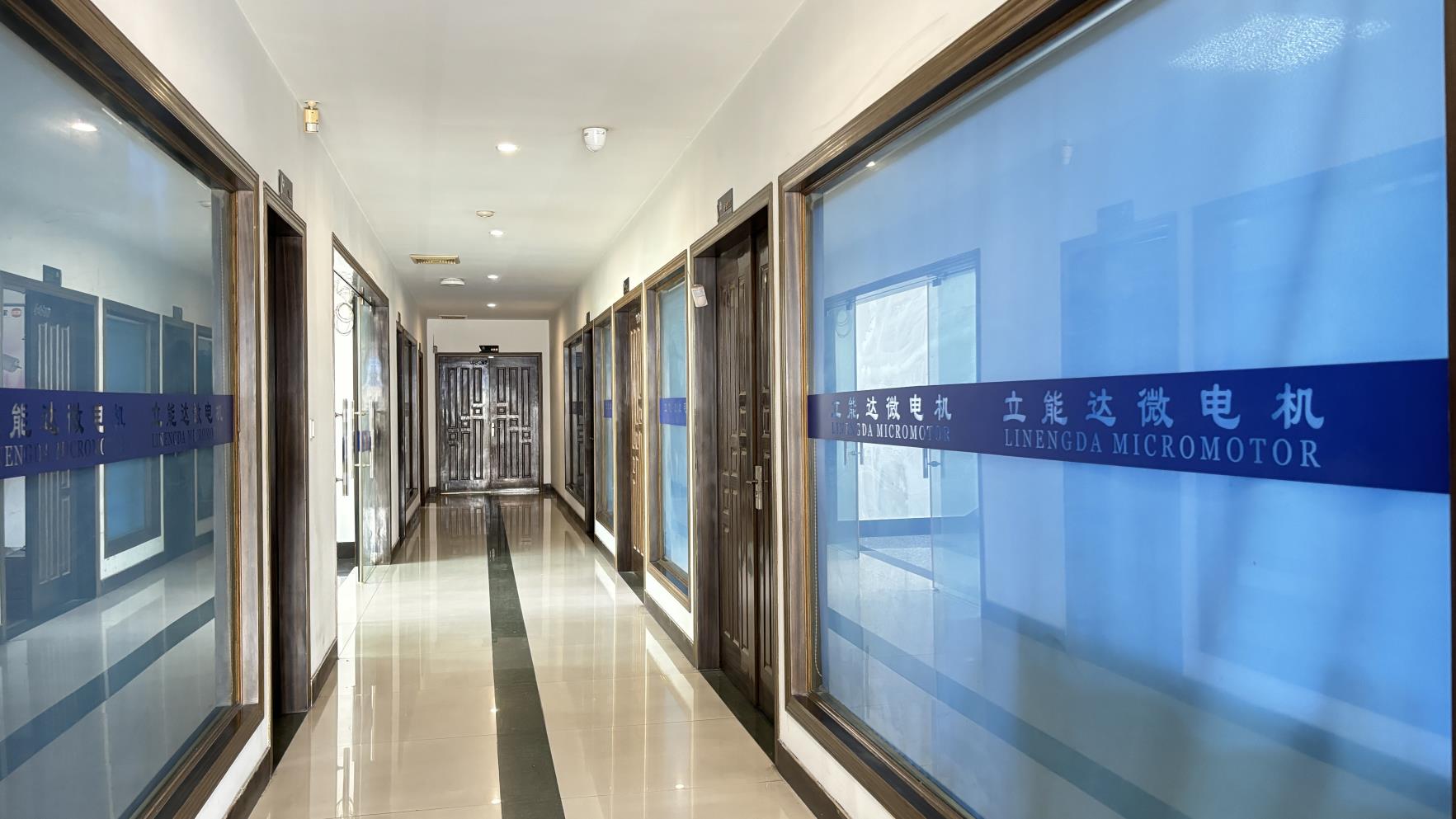
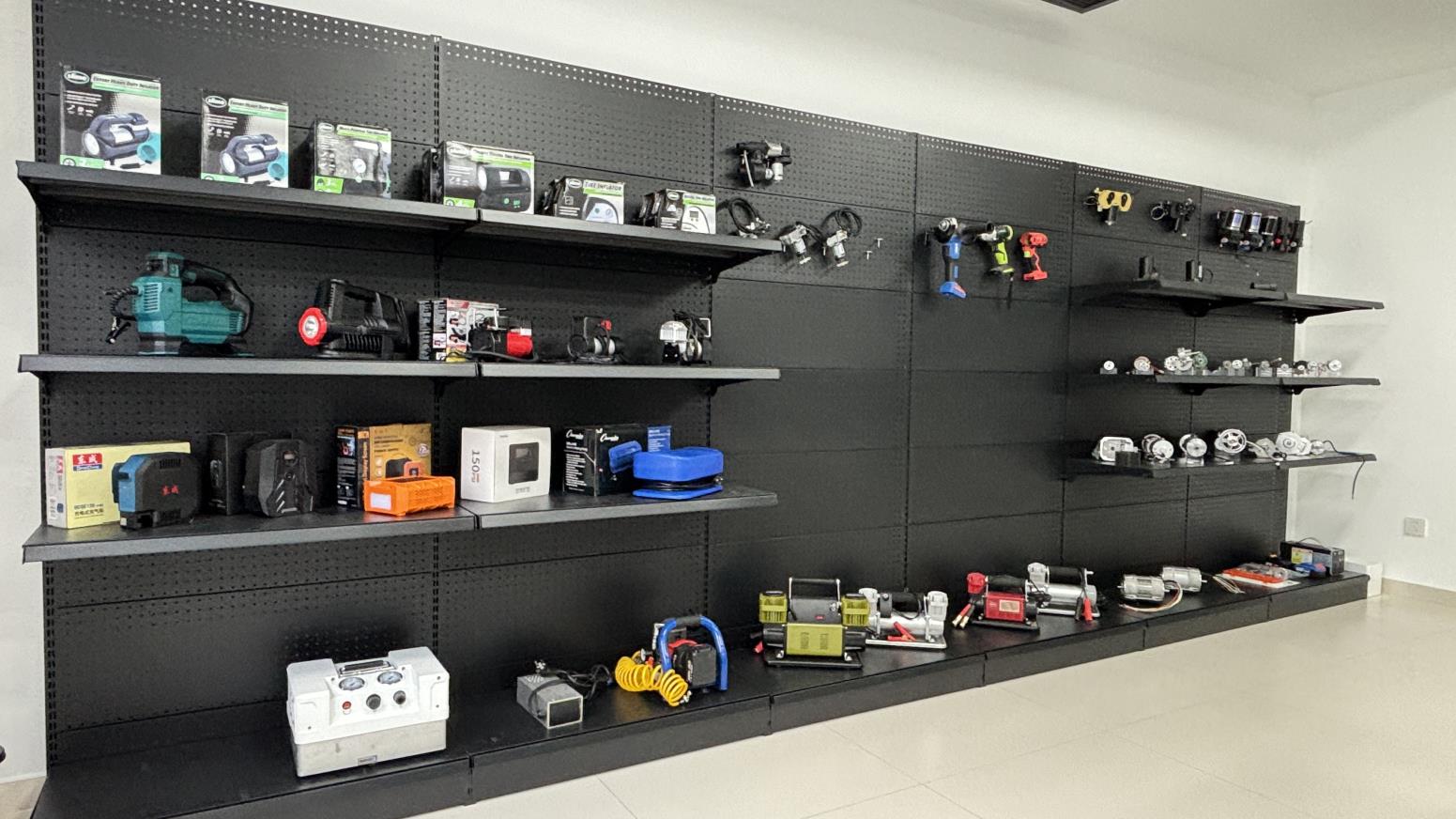
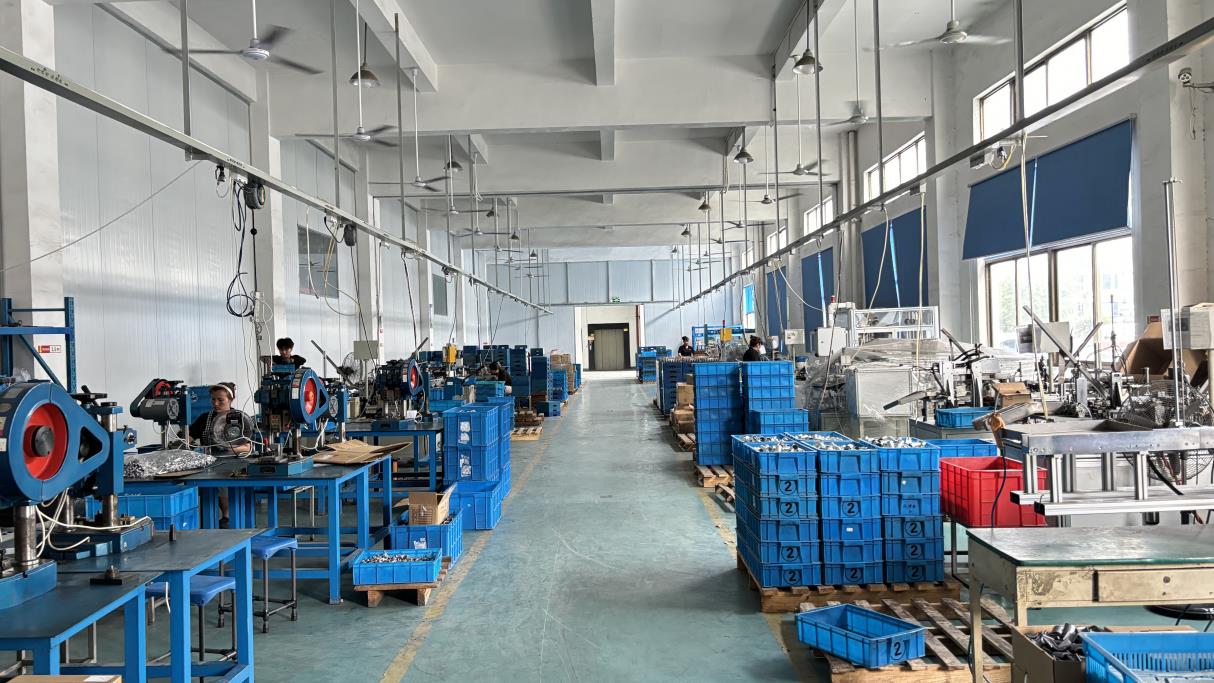
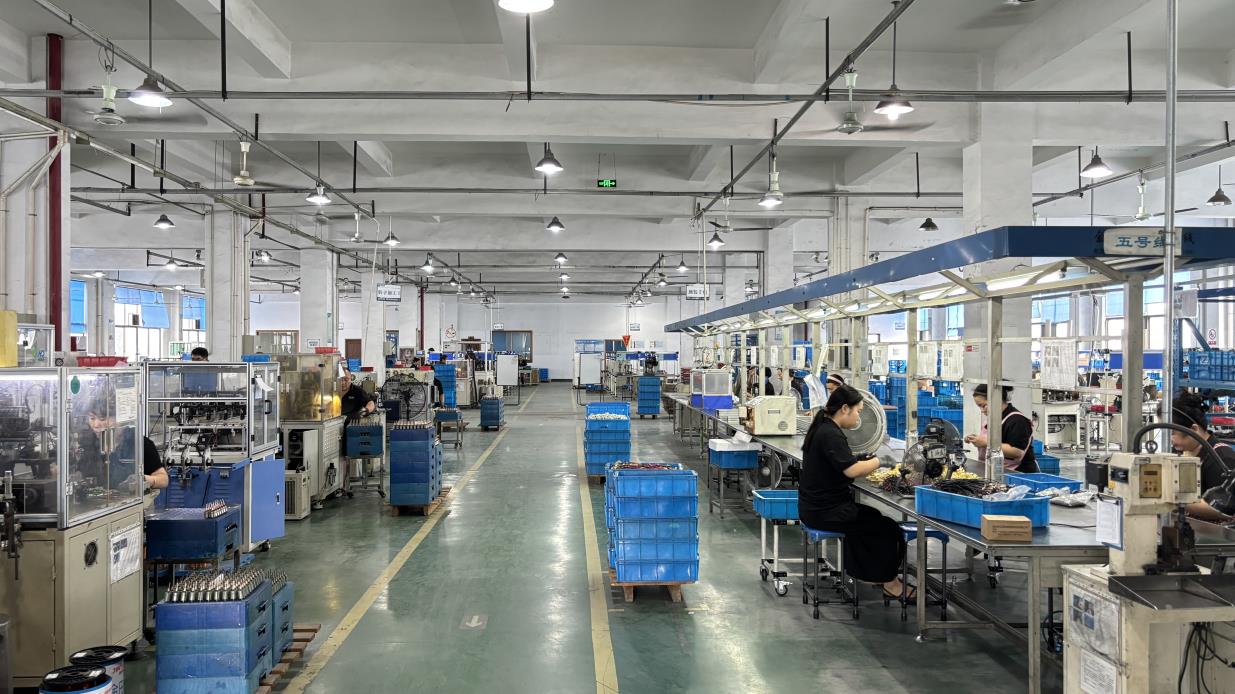
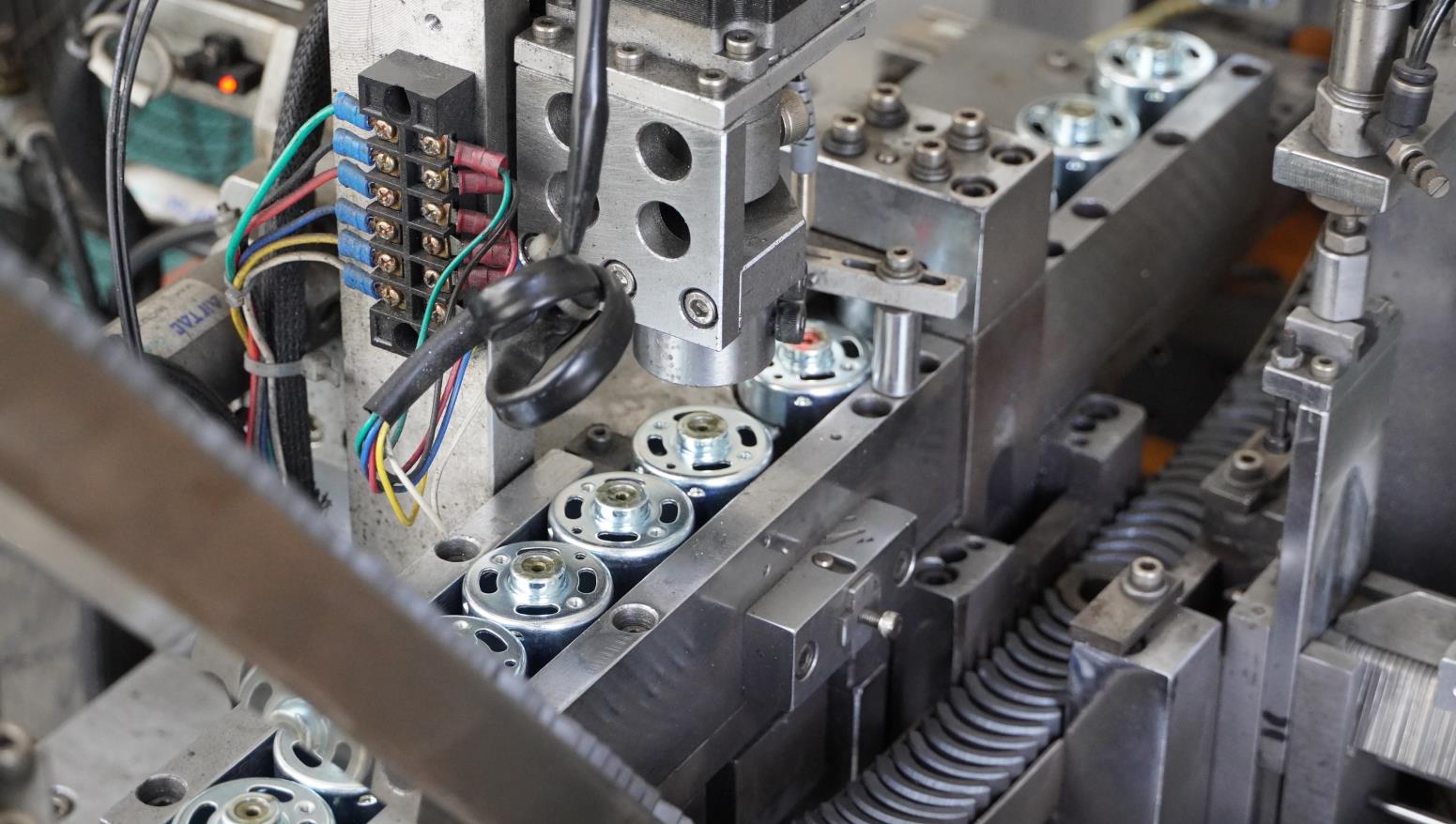
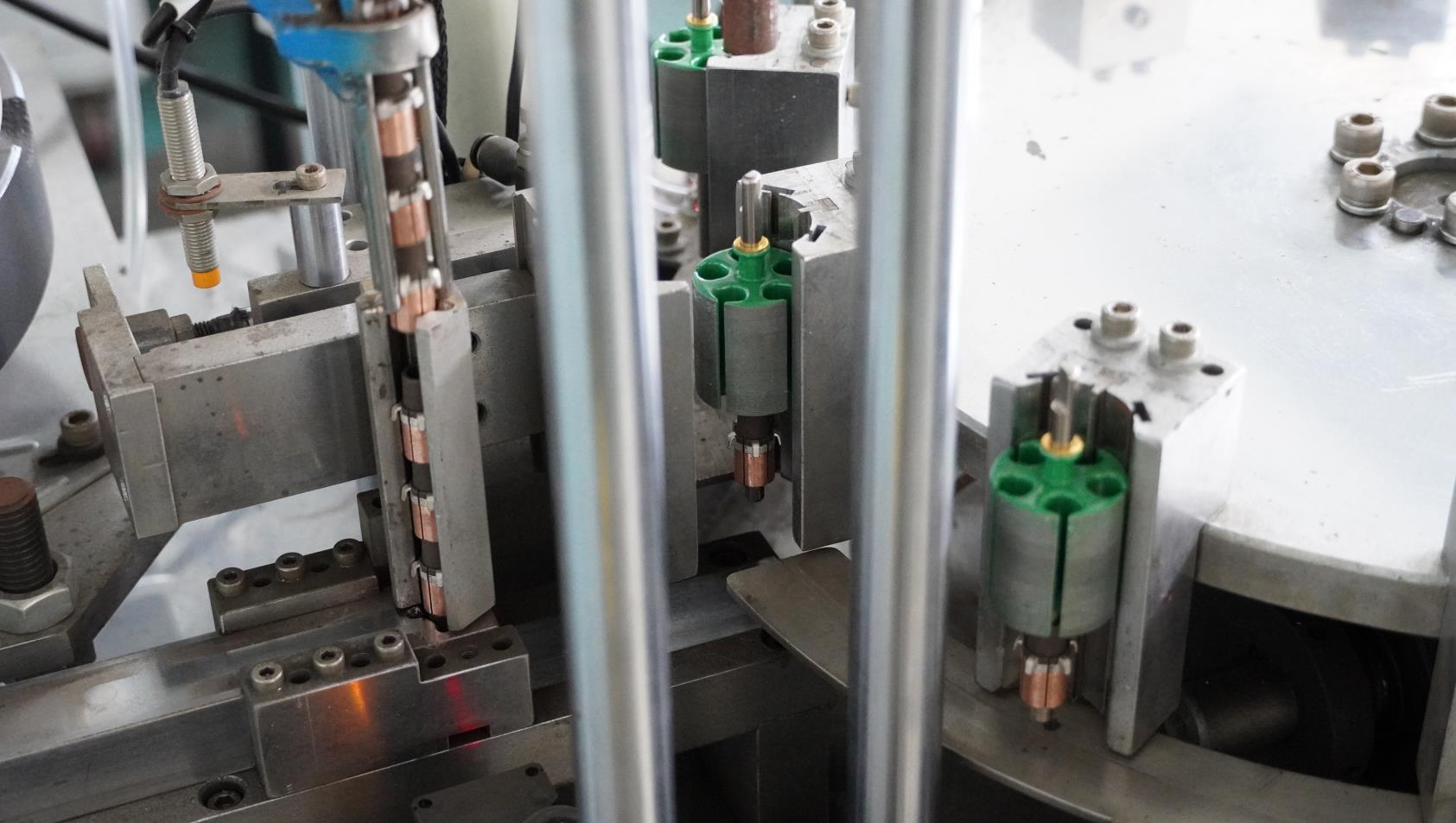
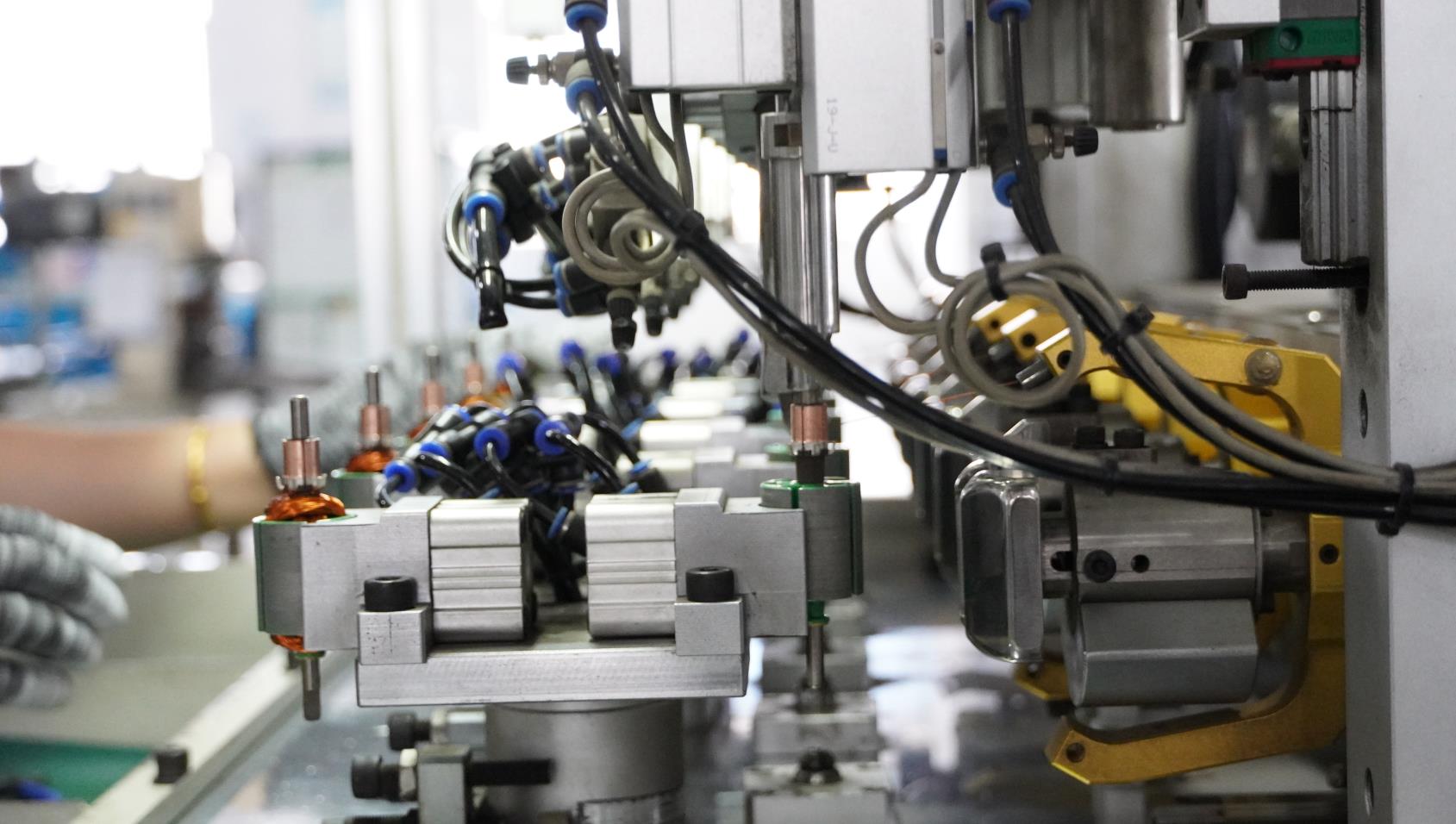
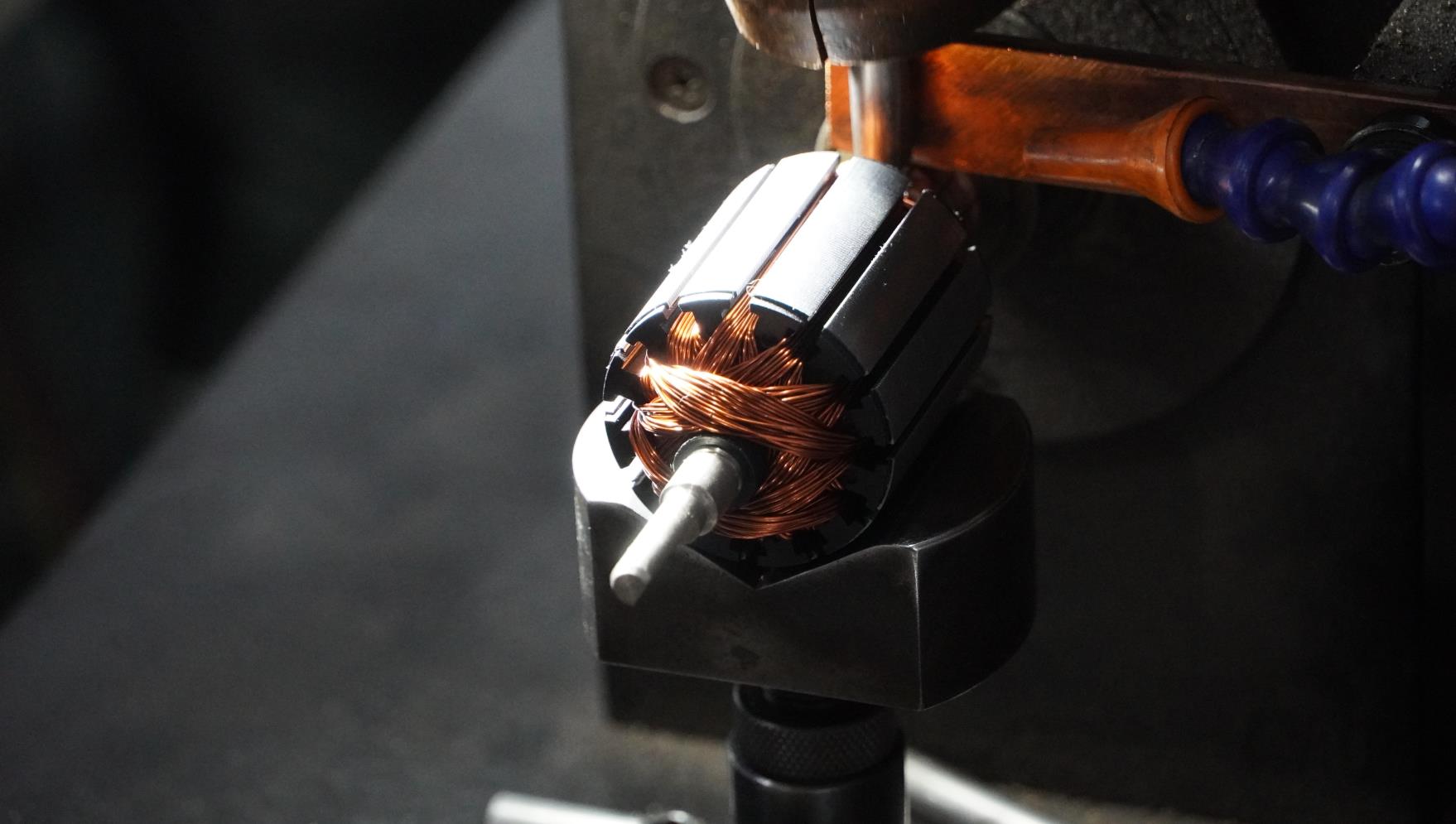
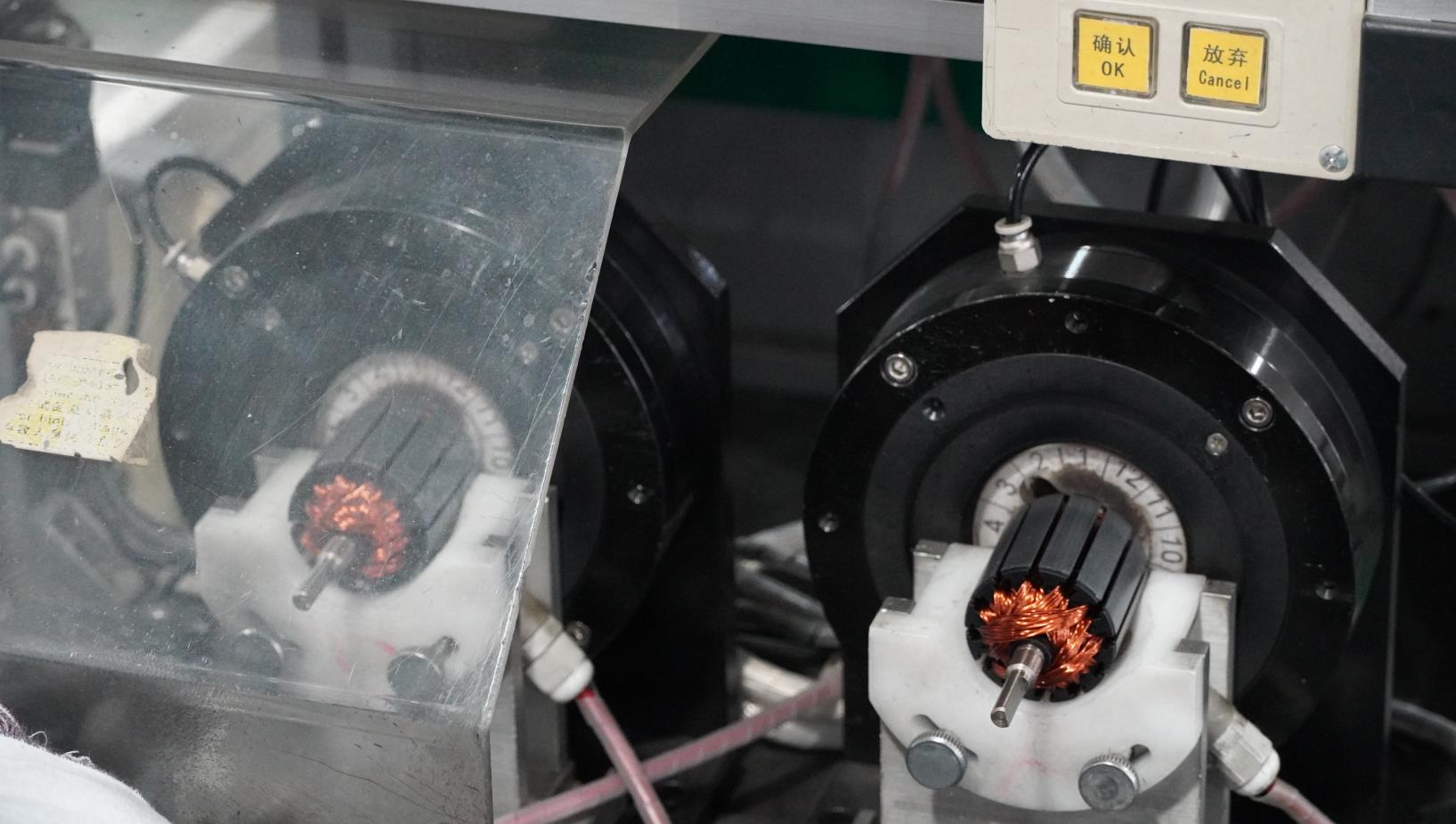
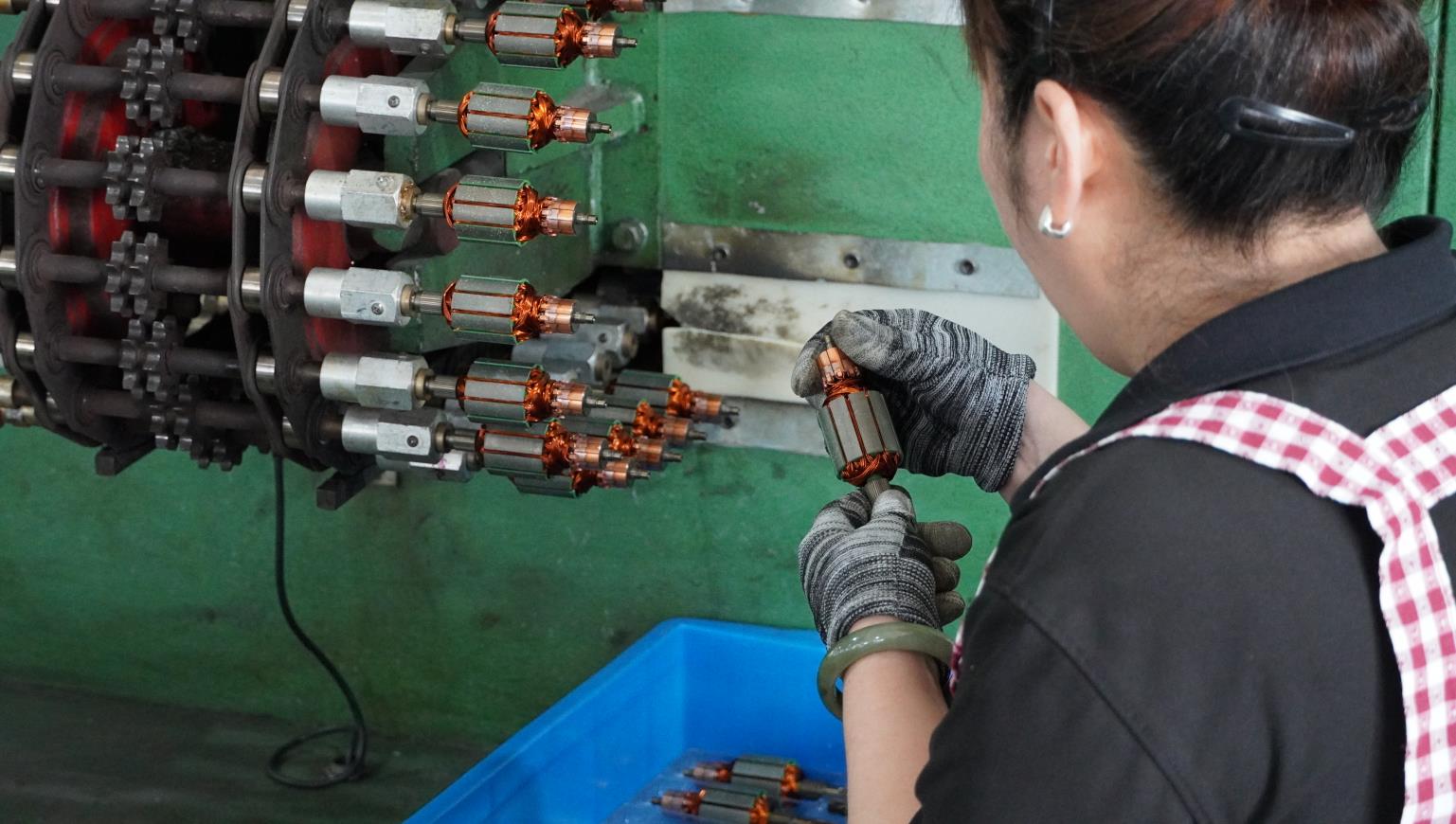
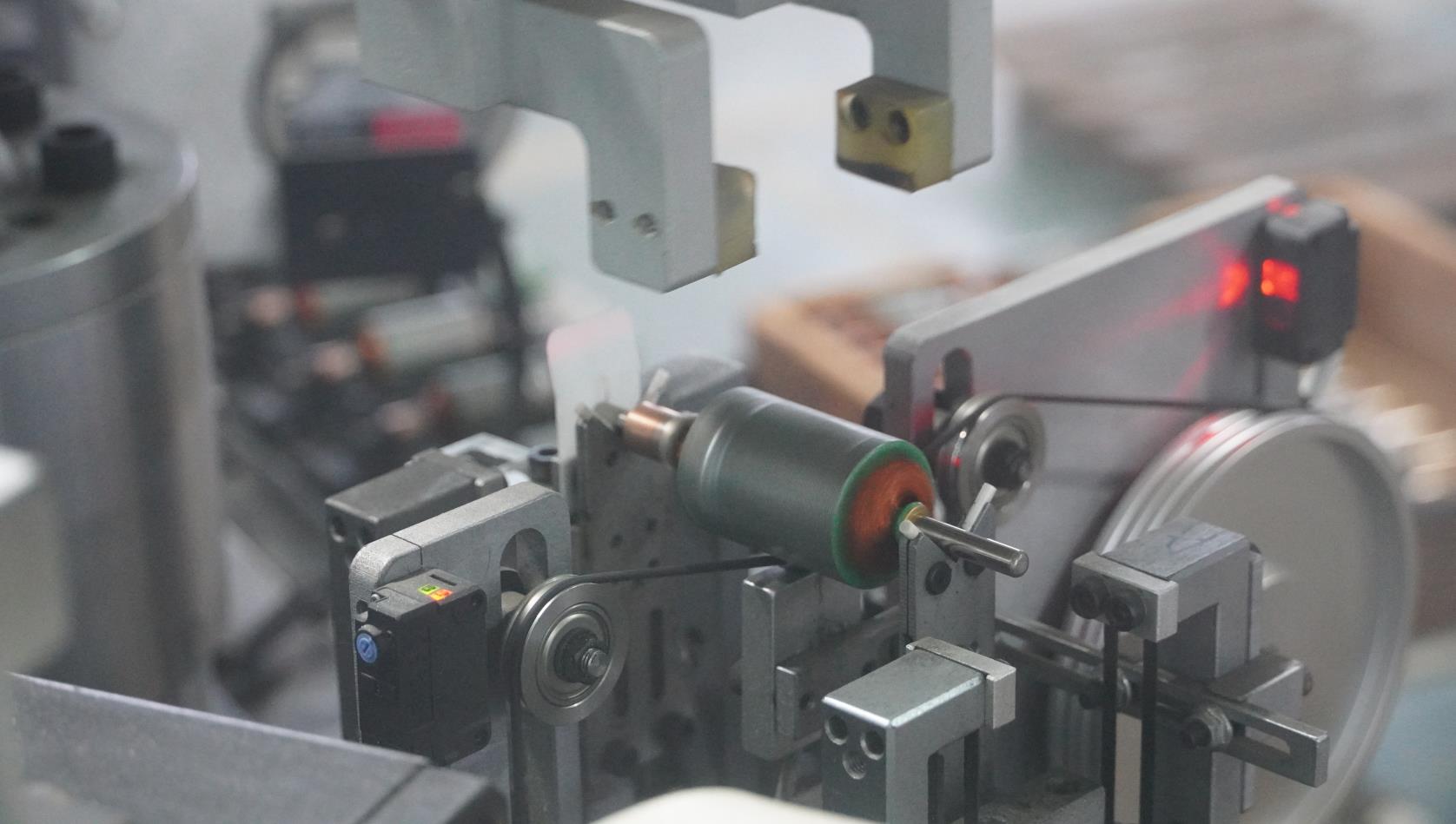
Take an inside look at our advanced assembly lines, testing chambers, and precision CNC machinery.

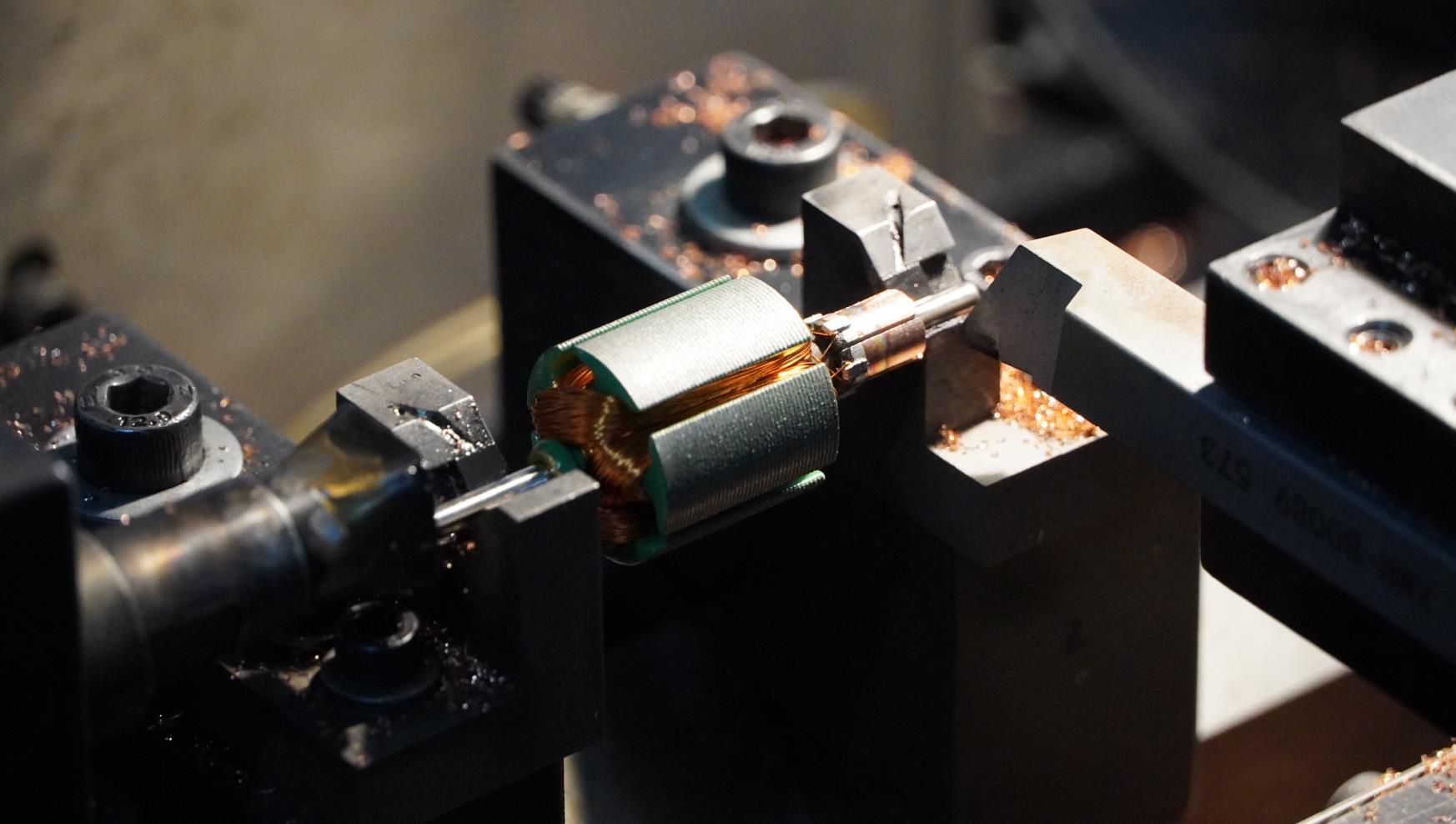
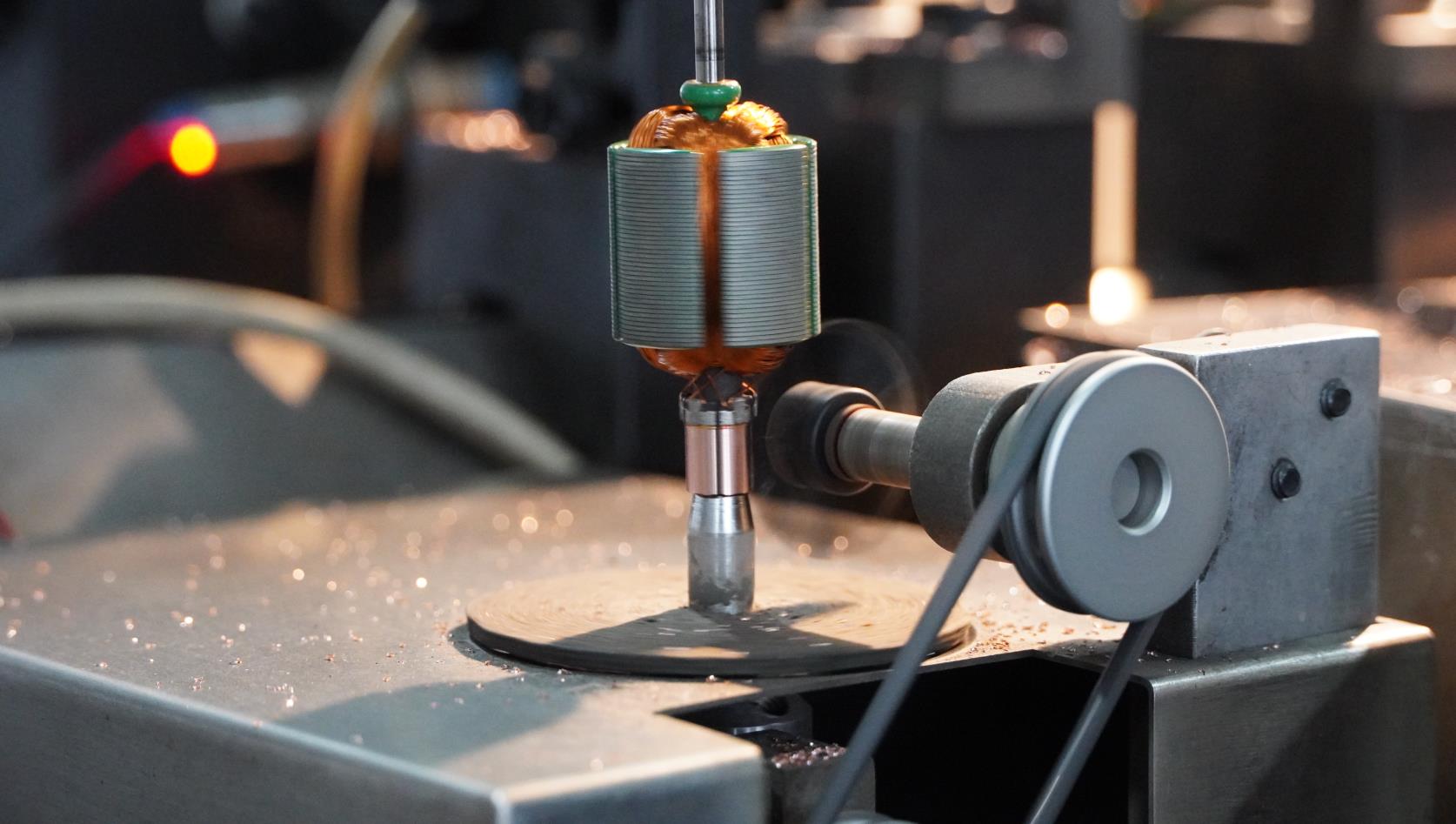
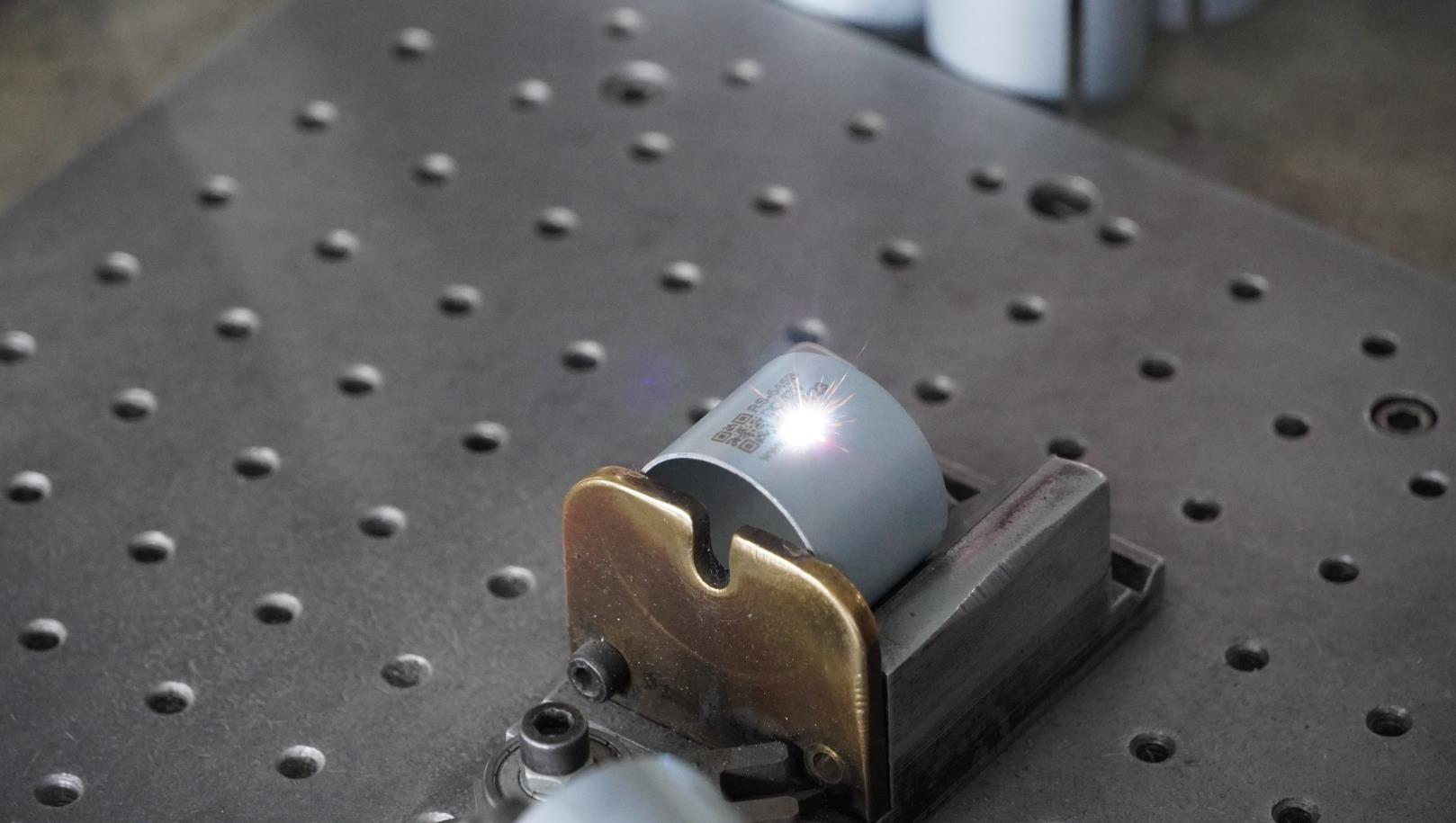
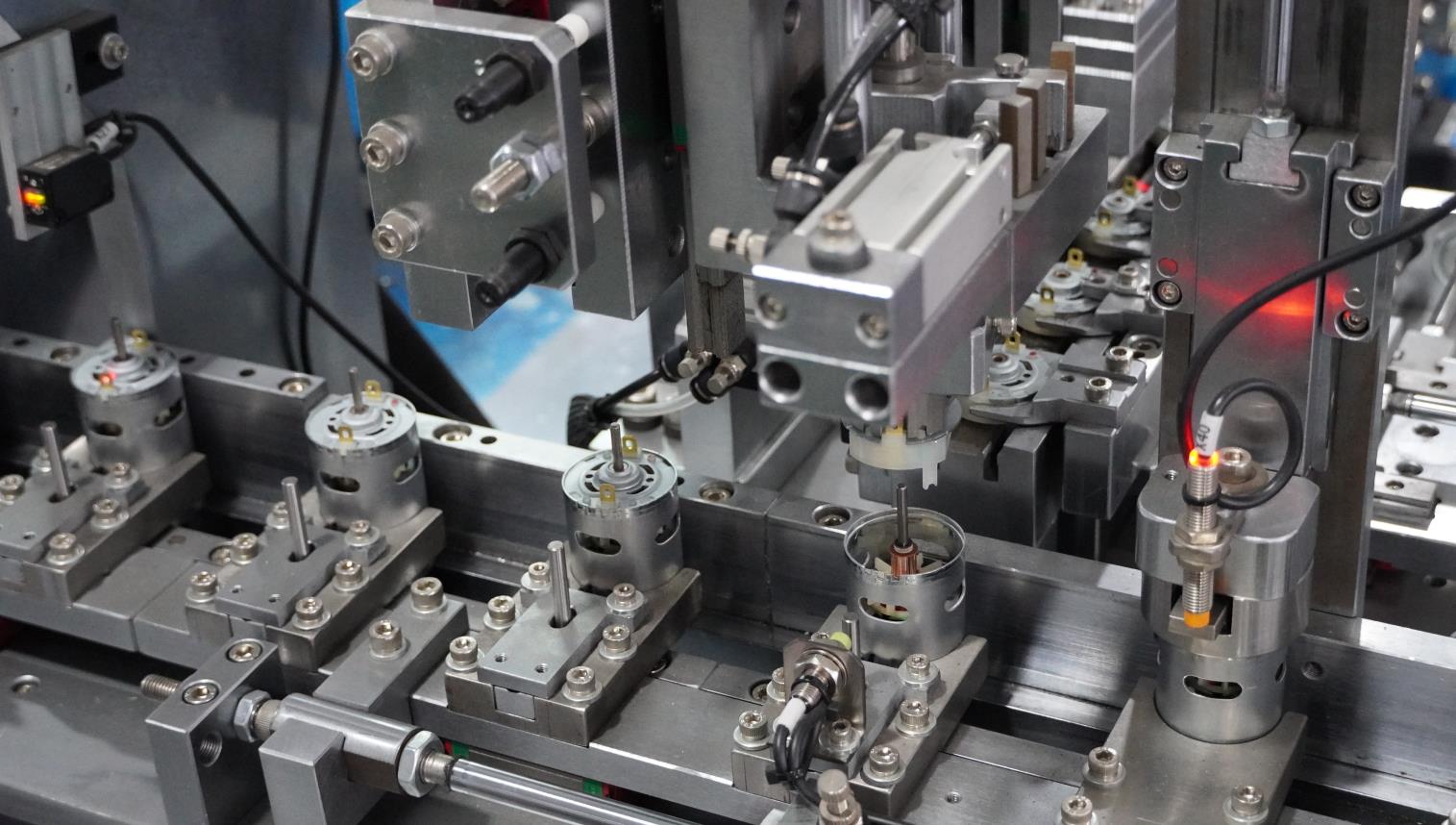
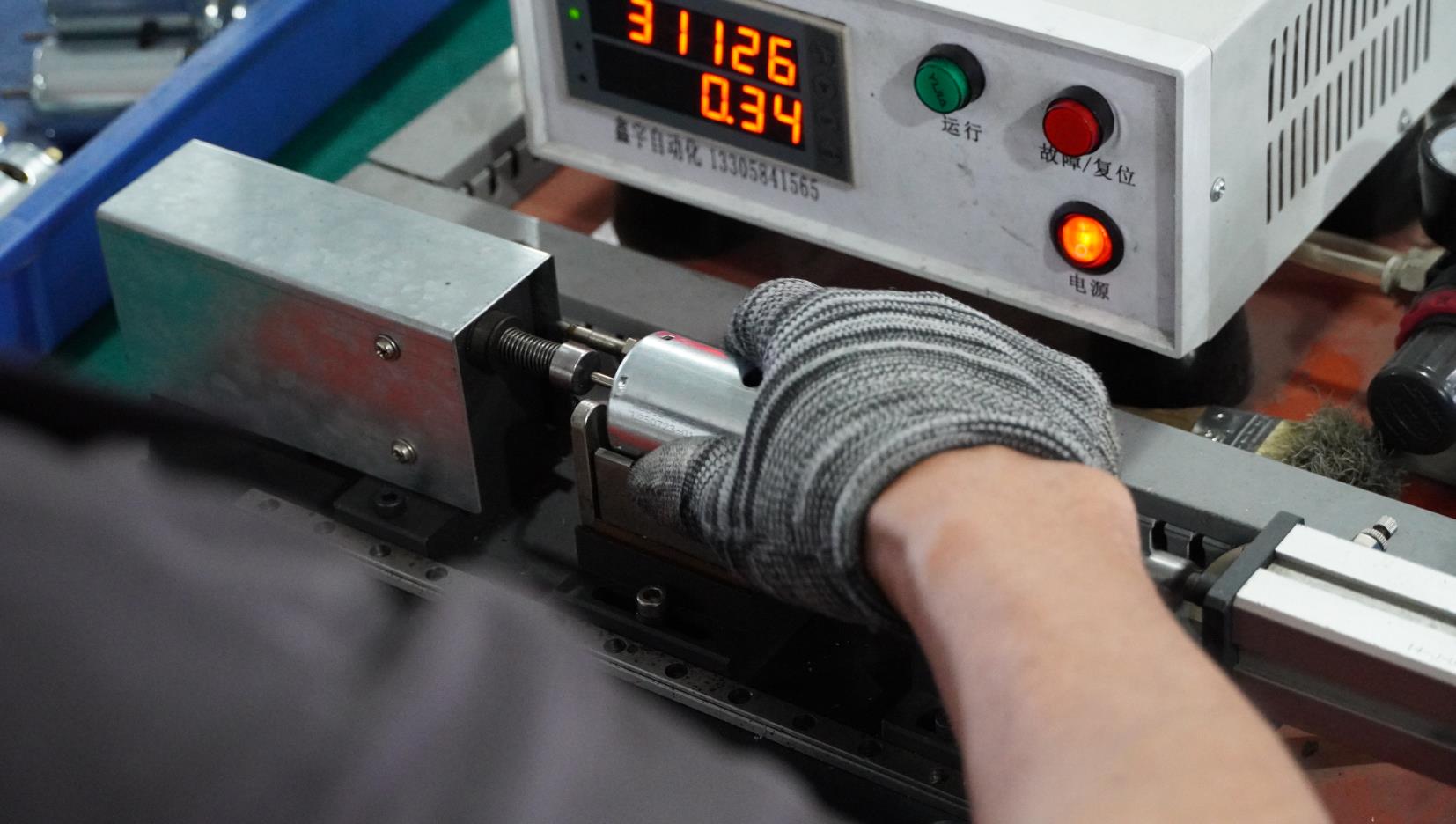
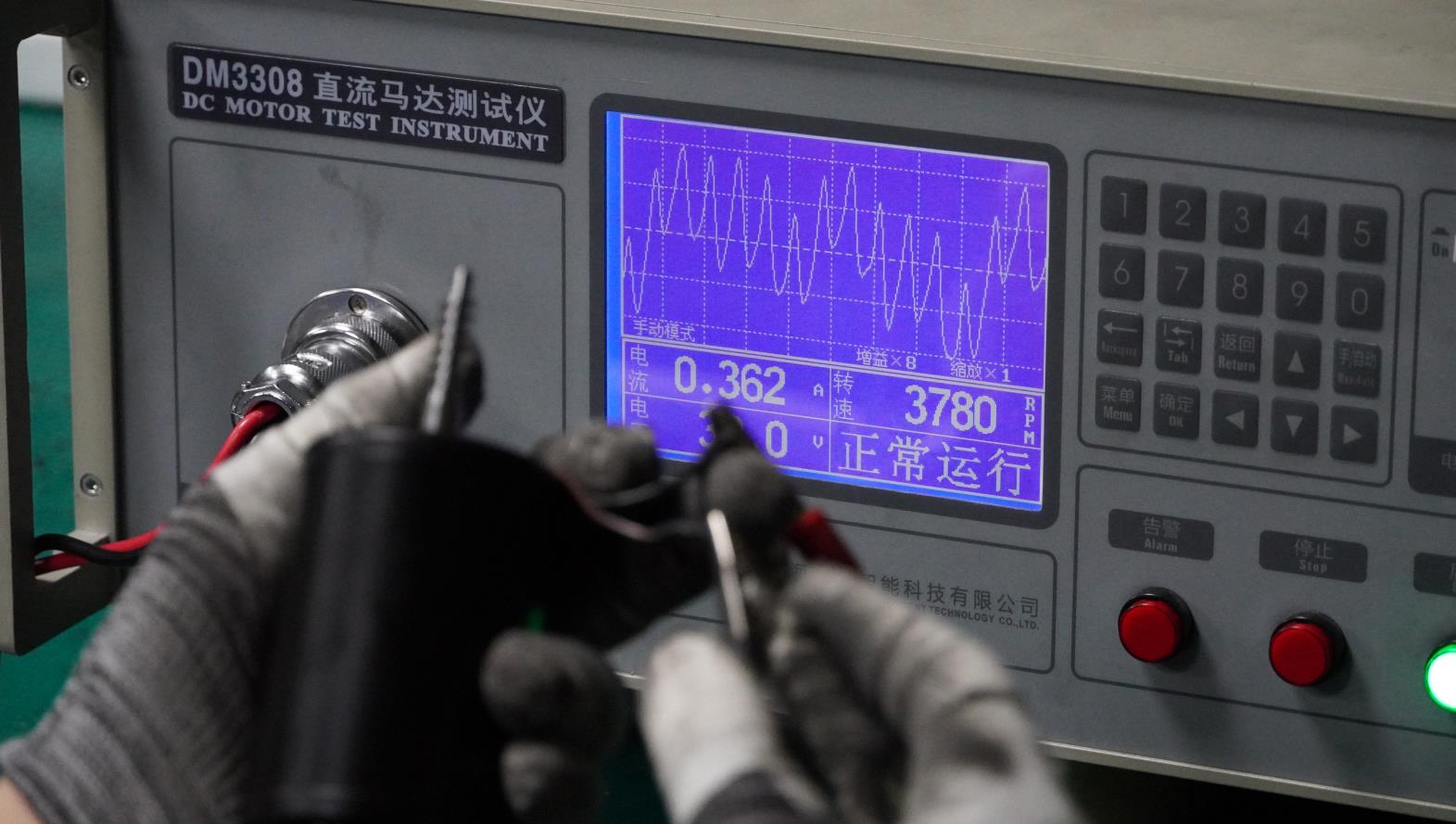
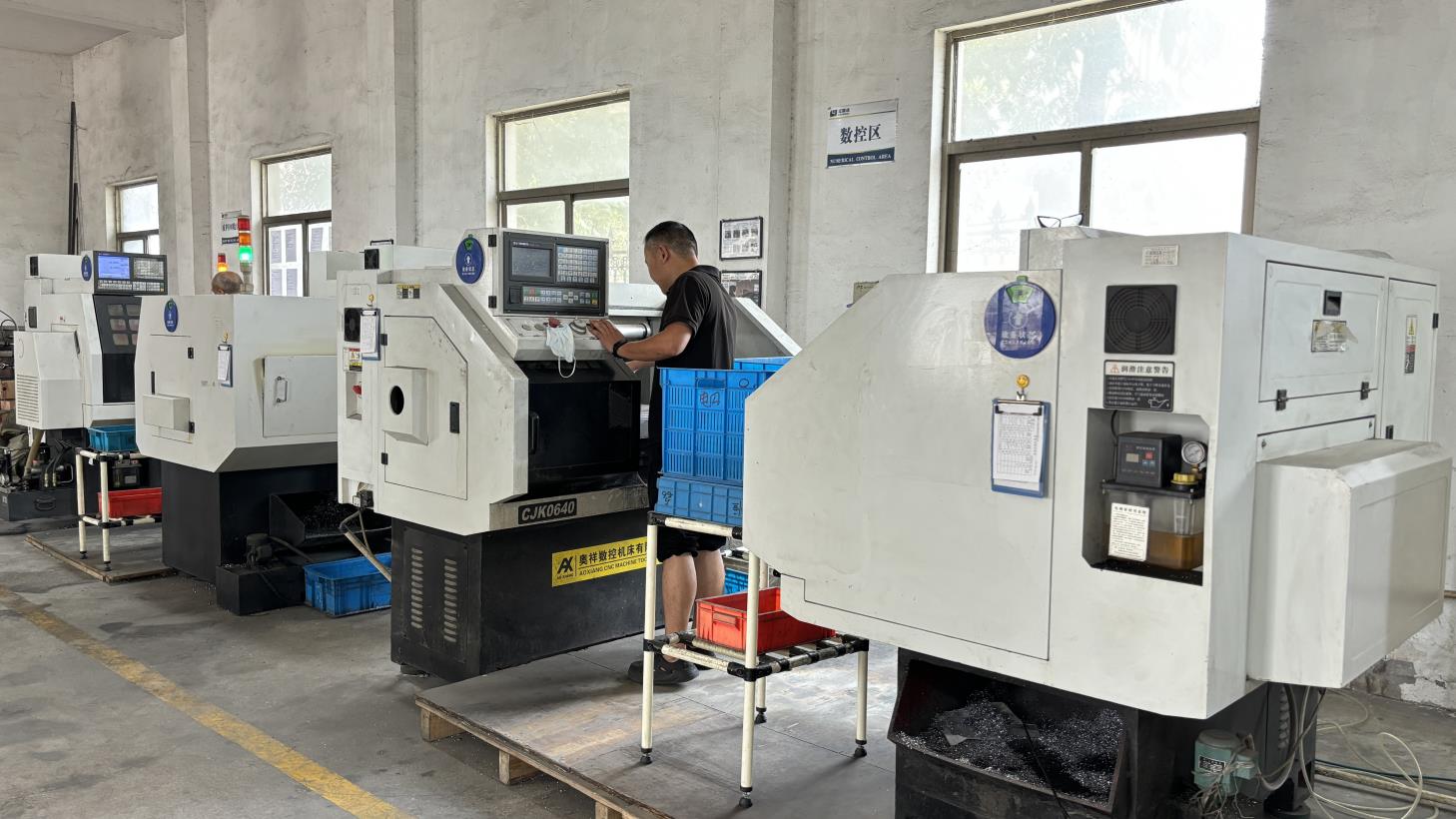
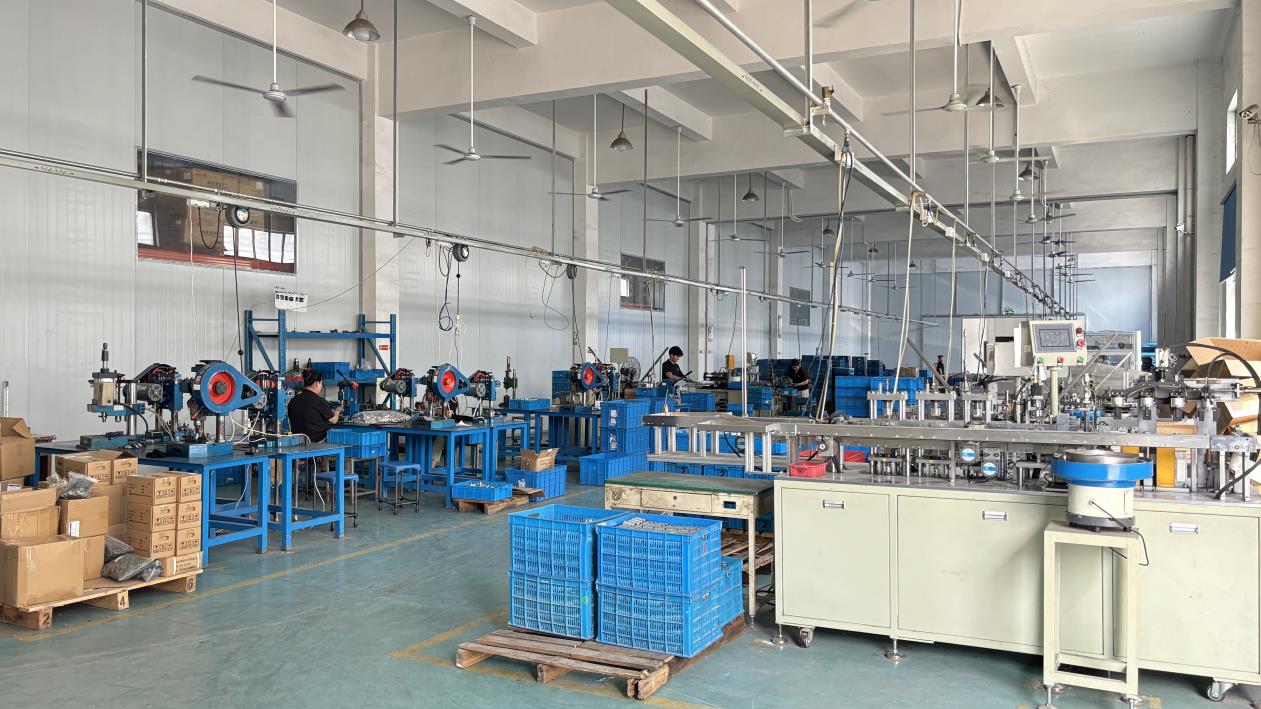
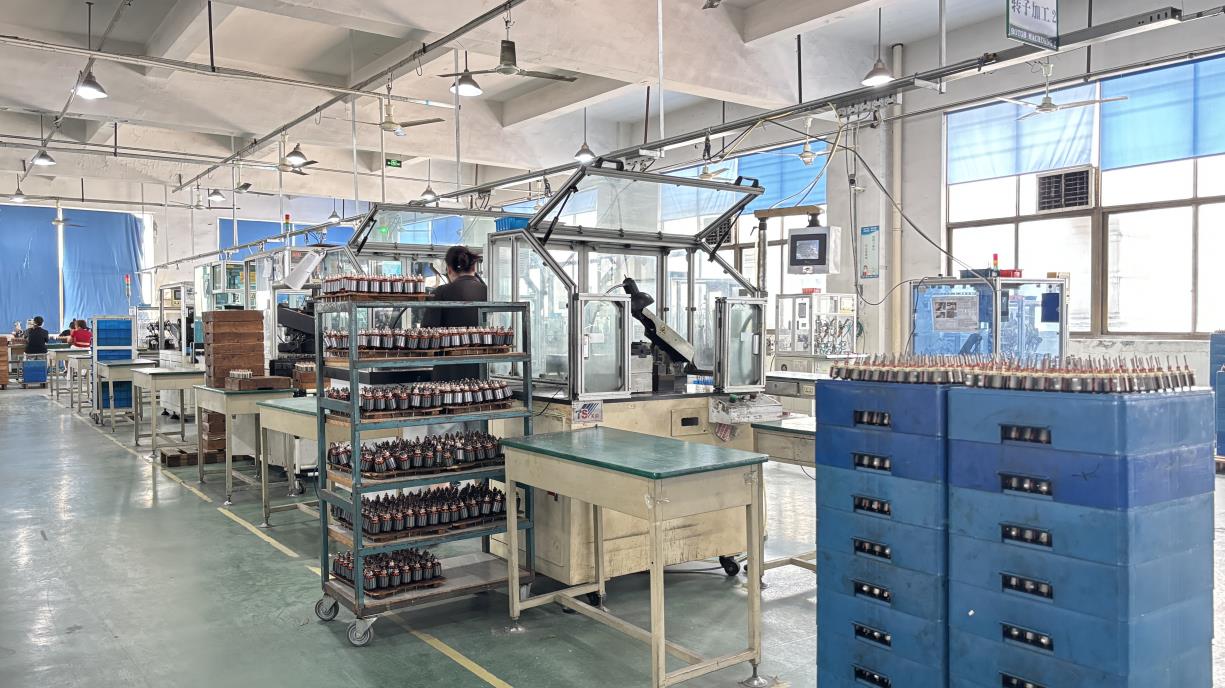
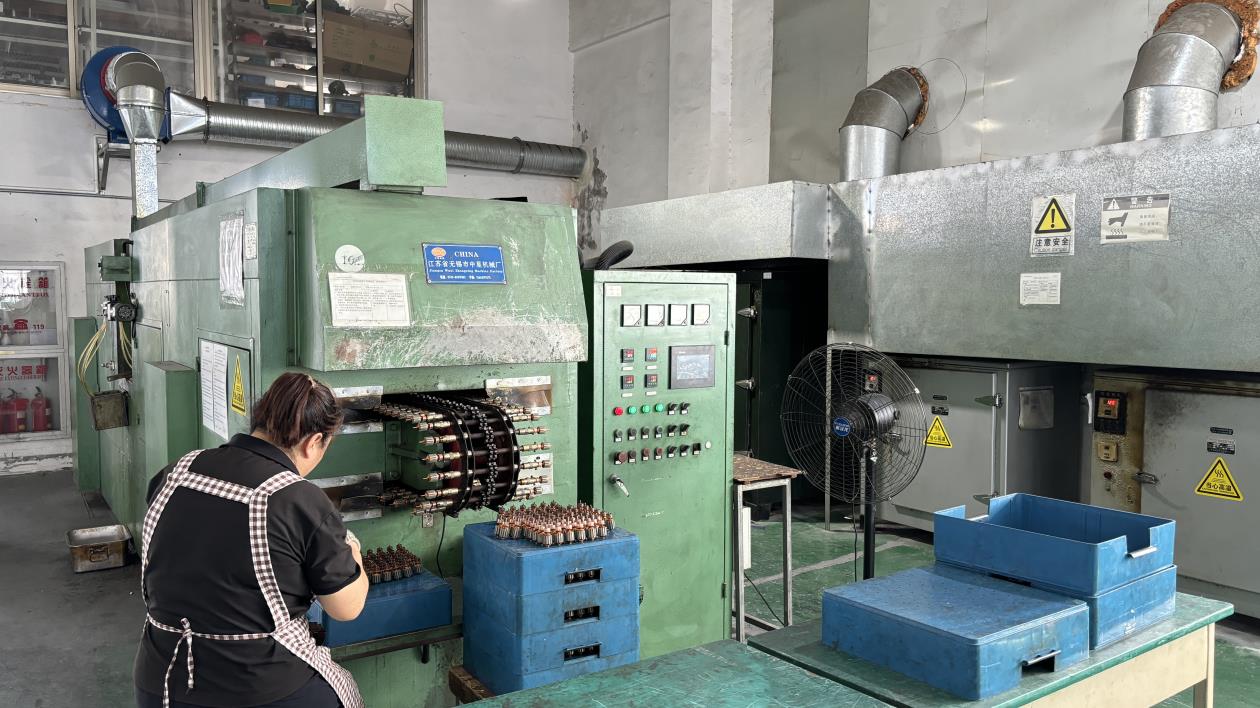
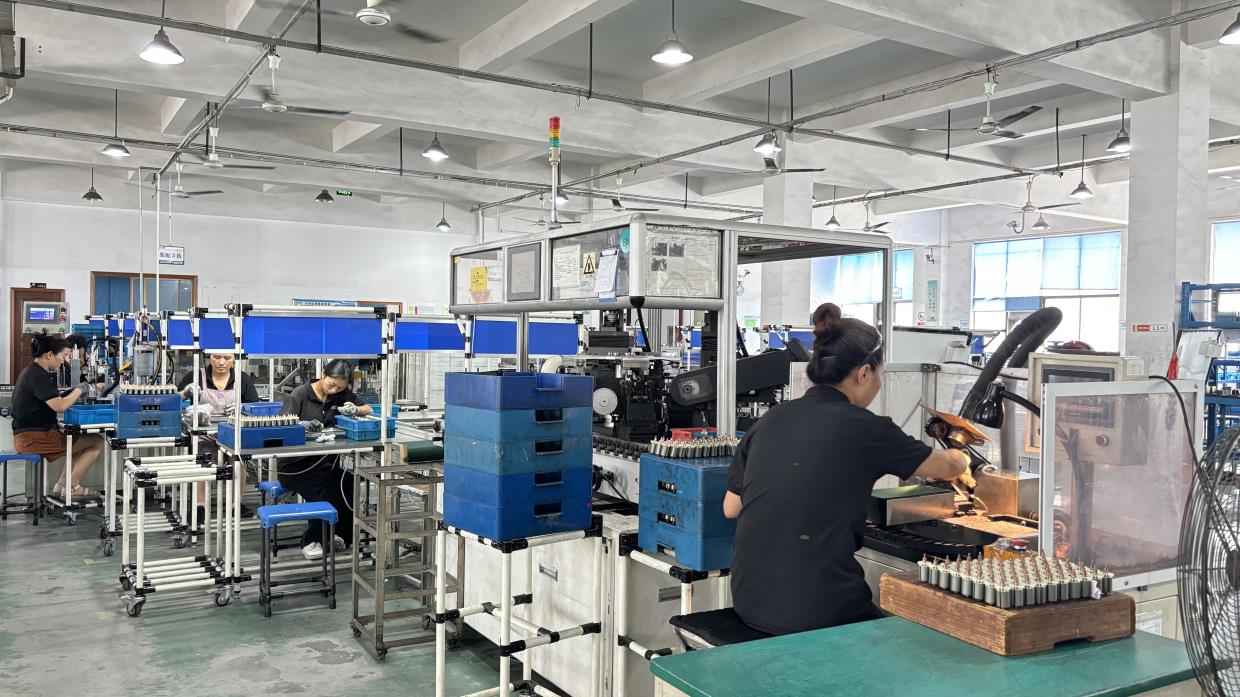
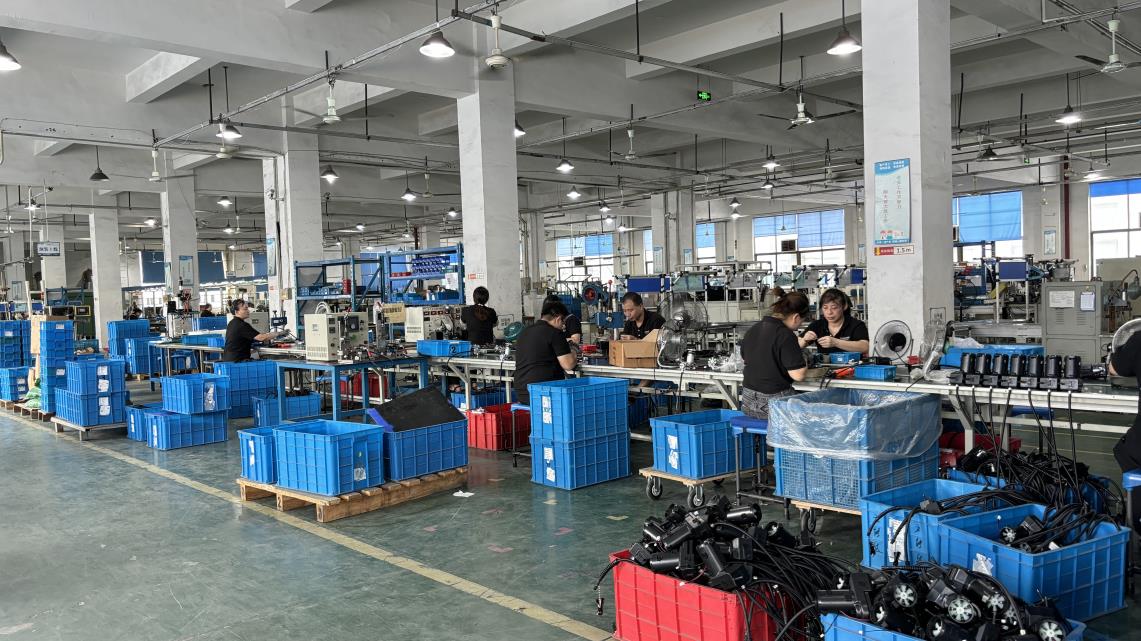
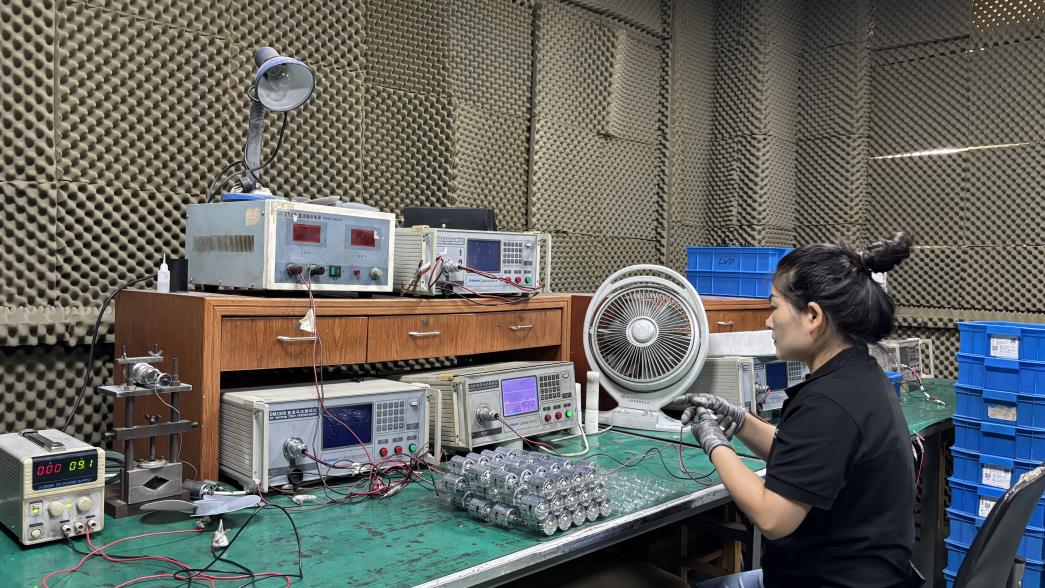
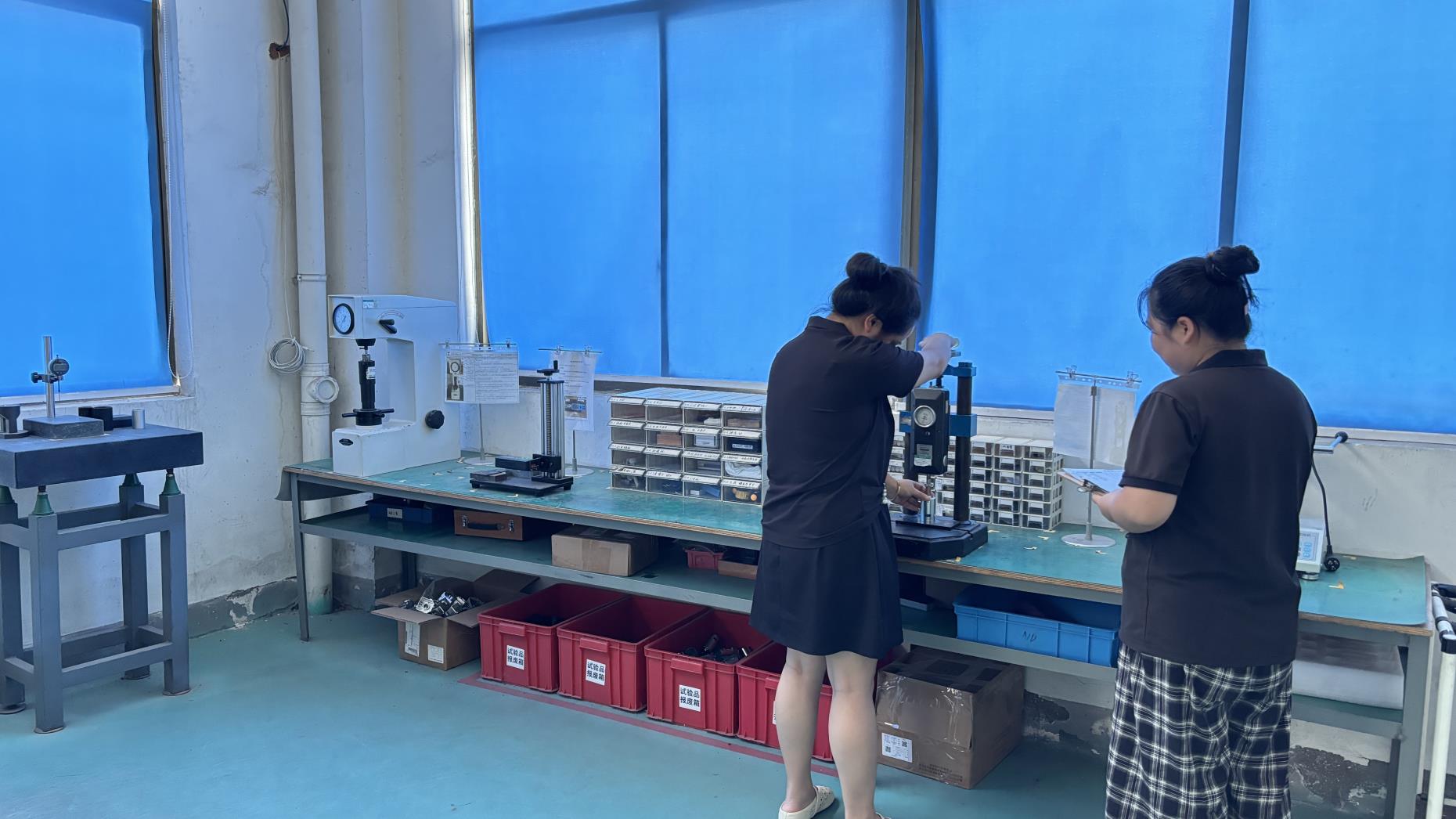
Critical shifts in raw materials, mechanical integration, and digital feedback networks transforming the next generation of micro drives.
Modern micro-drives are transitioning away from open-loop systems. By integrating Hall-effect encoders or optical sensors directly into the motor cap assembly, real-time current regulation can adapt output torque instantly when load thresholds are reached. This prevents motor stalls and increases equipment life.
Custom formulations of rare-earth permanent magnets allow motors to run at higher temperatures without demagnetization. Advanced thermal-conductive potting compounds and slot-filling insulation resins allow higher current limits, effectively boosting torque performance while maintaining structural safety.
OEMs are increasingly requesting motors pre-assembled with integrated planetary or worm gear configurations. This shift reduces system compliance issues, eliminates misalignment problems between shafts during assembly, and guarantees the designated torque rating is delivered to the output point.
How specialized micromotors resolve critical operating engineering requirements across real-world environments.
Every operating environment has unique design challenges. Standard motors off the shelf rarely meet these specific requirements without compromise. Below are three primary localized applications where tailored torque profile motors solve specific engineering challenges:
Get professional, engineering-focused answers to common queries regarding torque adjustments, testing, and selection.
Explore customized worm gearbox motors, high-speed micro PMDC drives, and specialized high-torque variants.