TQC Micromotor
TQC Micromotor
TQC Micromotor
Explore our high-precision engineered solutions customized for diverse commercial applications
Bridging the Gap Between Nanoscale Space and Macro Power Output
At TQC Micromotor, we believe that global innovation shouldn't be limited by size. For two decades, we have dedicated ourselves to a single, relentless pursuit: designing, engineering, and manufacturing high-performance micro-drive solutions that keep modern industries moving forward. Based in China, we operate a state-of-the-art, ISO9001-certified production facility specializing in Micro DC Motors, DC Gear Motors, and Brushless DC Motors (BLDC).
The name TQC represents our foundational pillars: Top Quality & Customization. We understand that applications like smart home automation, medical devices, automotive electronics, and precision robotics demand uncompromised reliability. That is why every TQC micro motor is built with an exceptional power-to-size ratio, ultra-low noise acoustics, and an extended operational lifespan, backed by strict 100% in-house quality control and international certifications (CE, RoHS, REACH).
We don’t just supply standard hardware; we act as a strategic R&D partner. With a robust engineering team holding multiple industry patents, TQC thrives on solving complex mechanical challenges through flexible OEM/ODM custom solutions. From custom shaft configurations and custom voltage tuning to specialized bespoke gearheads, we turn your technical blueprints into high-volume, cost-effective reality.

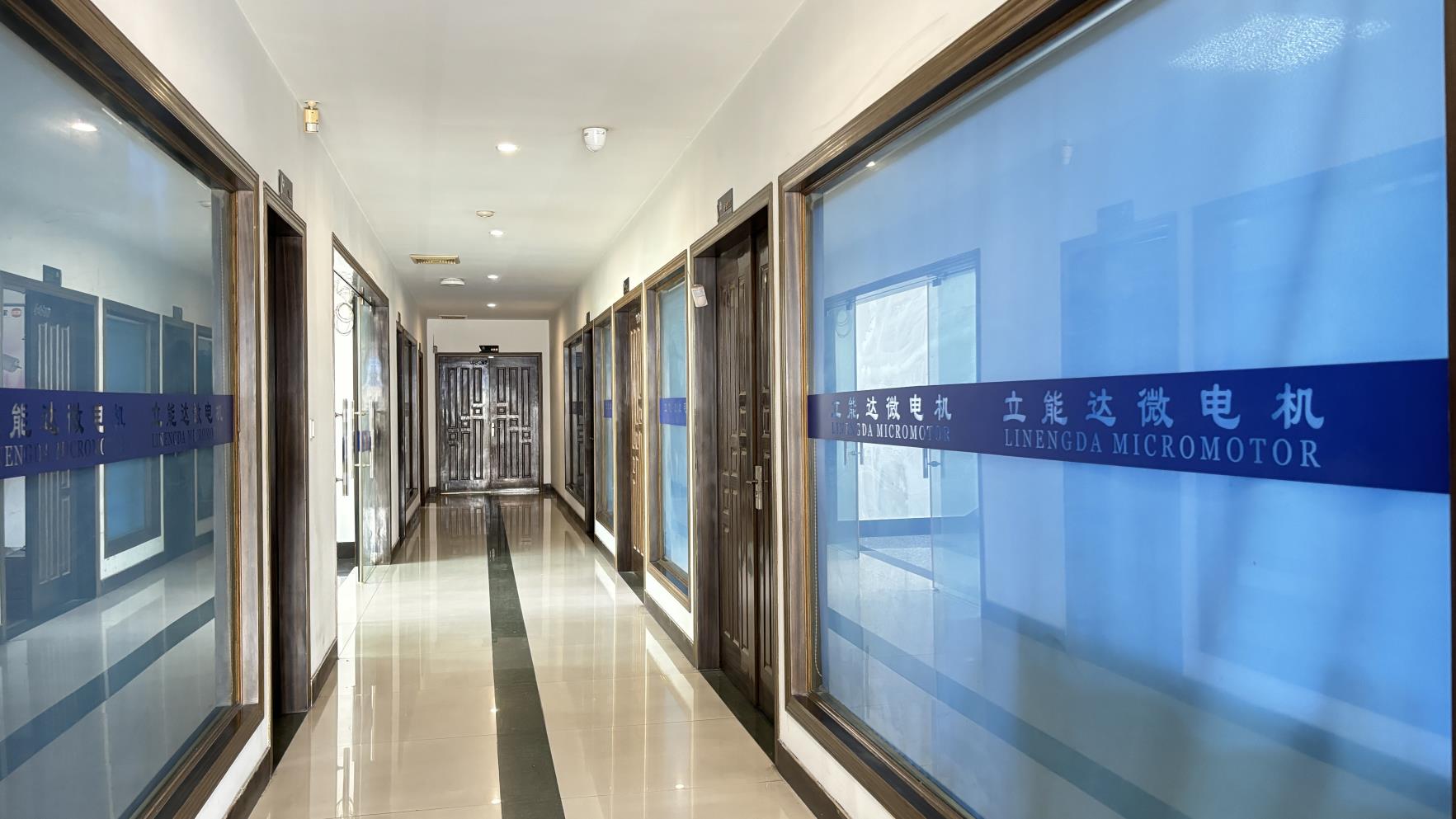
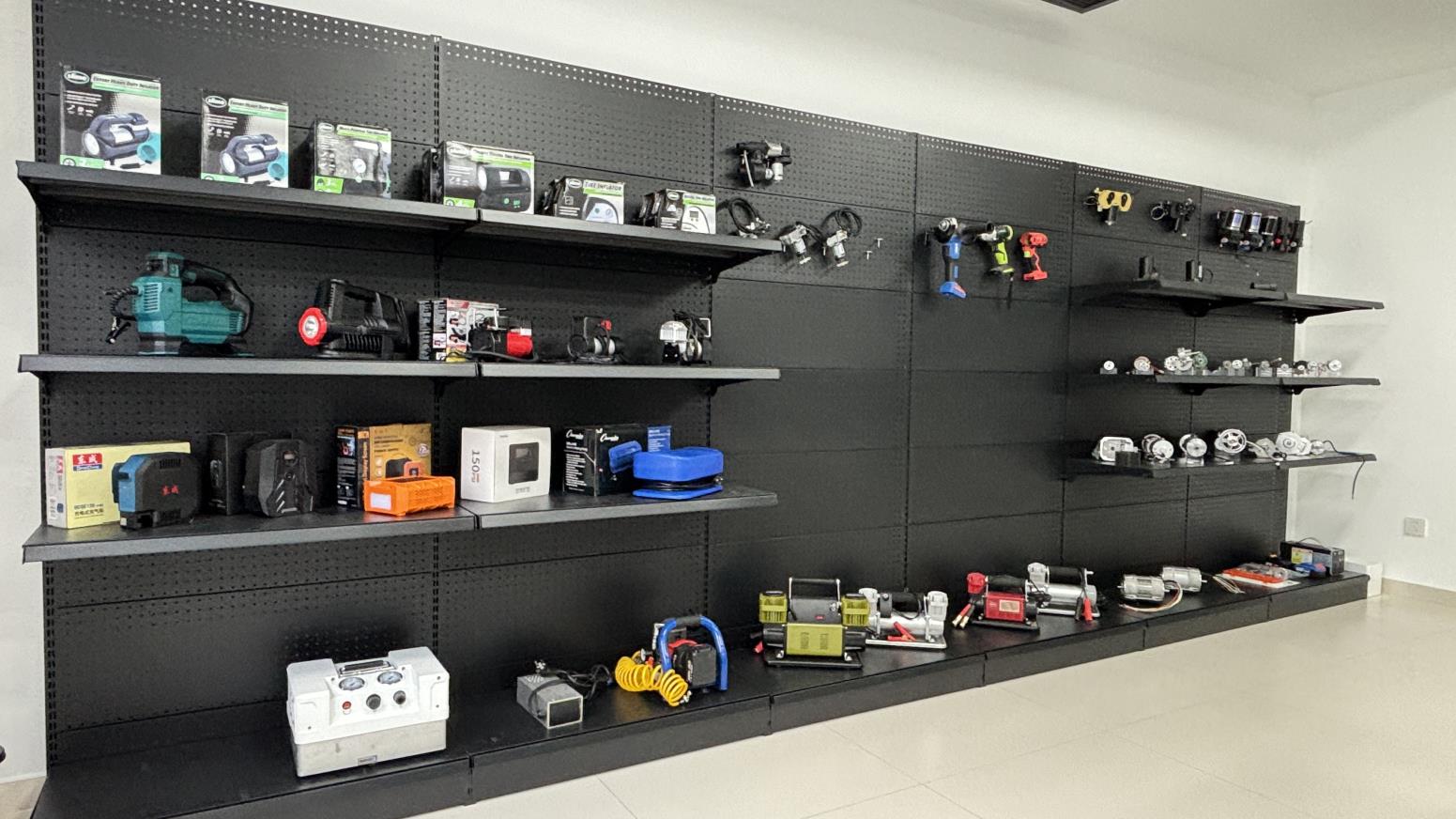
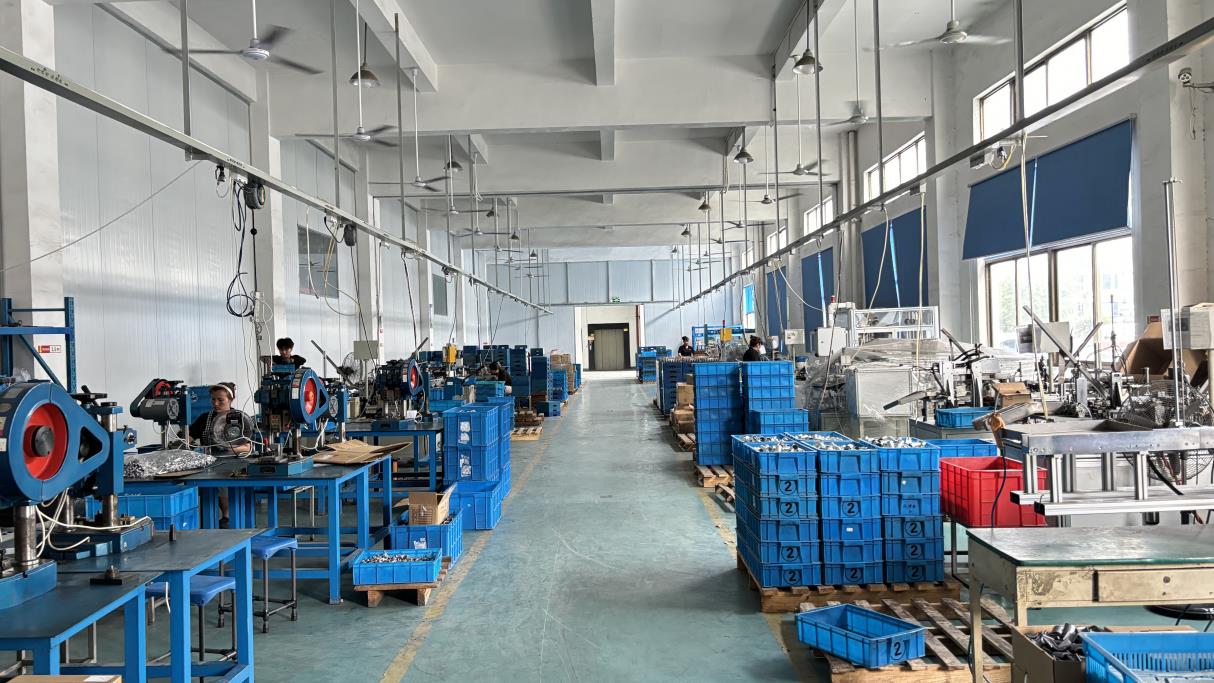
In the highly technical field of micro-electromechanical systems (MEMS) and DC gear motor development, sourcing managers often find themselves drowned in generic catalogues lacking practical parameter validation. Our mission is to provide complete transparency. Below, we lay out the raw physical considerations, mechanical workflows, and customization pipelines that determine how a Meta Gear Motor performs under thermal, acoustic, and kinetic loads over a 5,000-hour operational cycle.
Understanding the Global Demand Shifts in High-Precision Actuation
The global micro-motor market is undergoing a structural paradigm shift. Driven by the fast-paced adoption of IoT, autonomous mobile robots (AMRs), decentralized medical care systems, and carbon-neutral home automation, the requirements for drive systems have moved past simple rotational power. Designers today look for integrated "Meta Gear Motors" — modular systems that consolidate motor, encoder, controller, and high-ratio gearing into a singular, space-optimized package.
Minimizing mechanical footprint while maximizing continuous and peak torque output is the primary goal. Leveraging high-coercivity NdFeB magnets and optimized slot fill factors allows TQC motors to achieve up to 30% higher torque than standard models of equivalent frame size.
With battery-powered appliances and off-grid IoT sensors becoming standard, optimizing the electrical input-to-mechanical output ratio is critical. TQC engines minimize eddy current losses and optimize magnetic flux routing to extend battery runtimes.
Smart homes and medical devices operate in human-centered environments. Reducing high-frequency harmonics requires precise rotor dynamic balancing, skewing stator laminations, and utilizing polymer-metal hybrid gearboxes to dampen gear meshing resonance.
Step-by-step visual map showing how raw components are engineered into high-performance drives
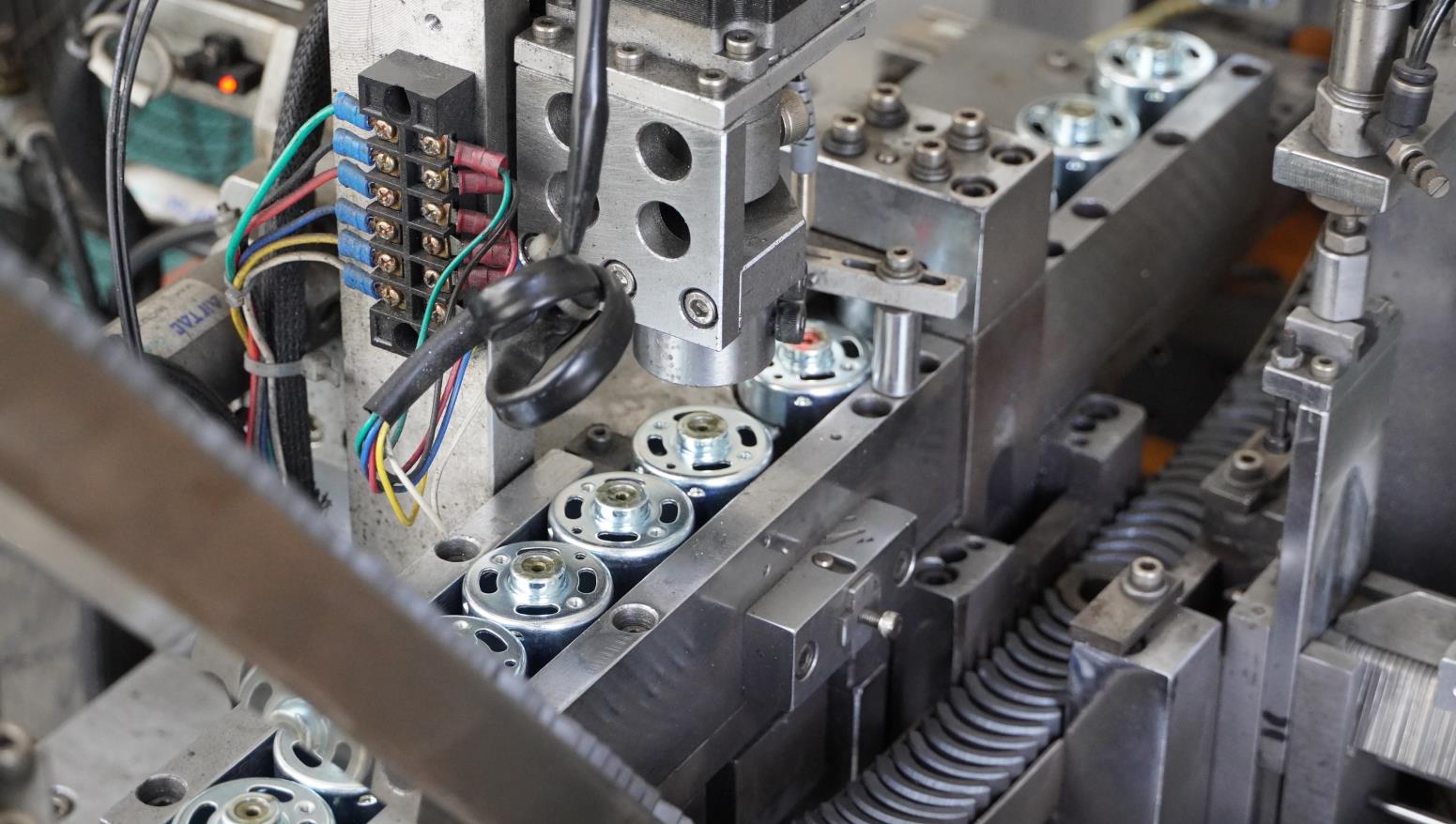
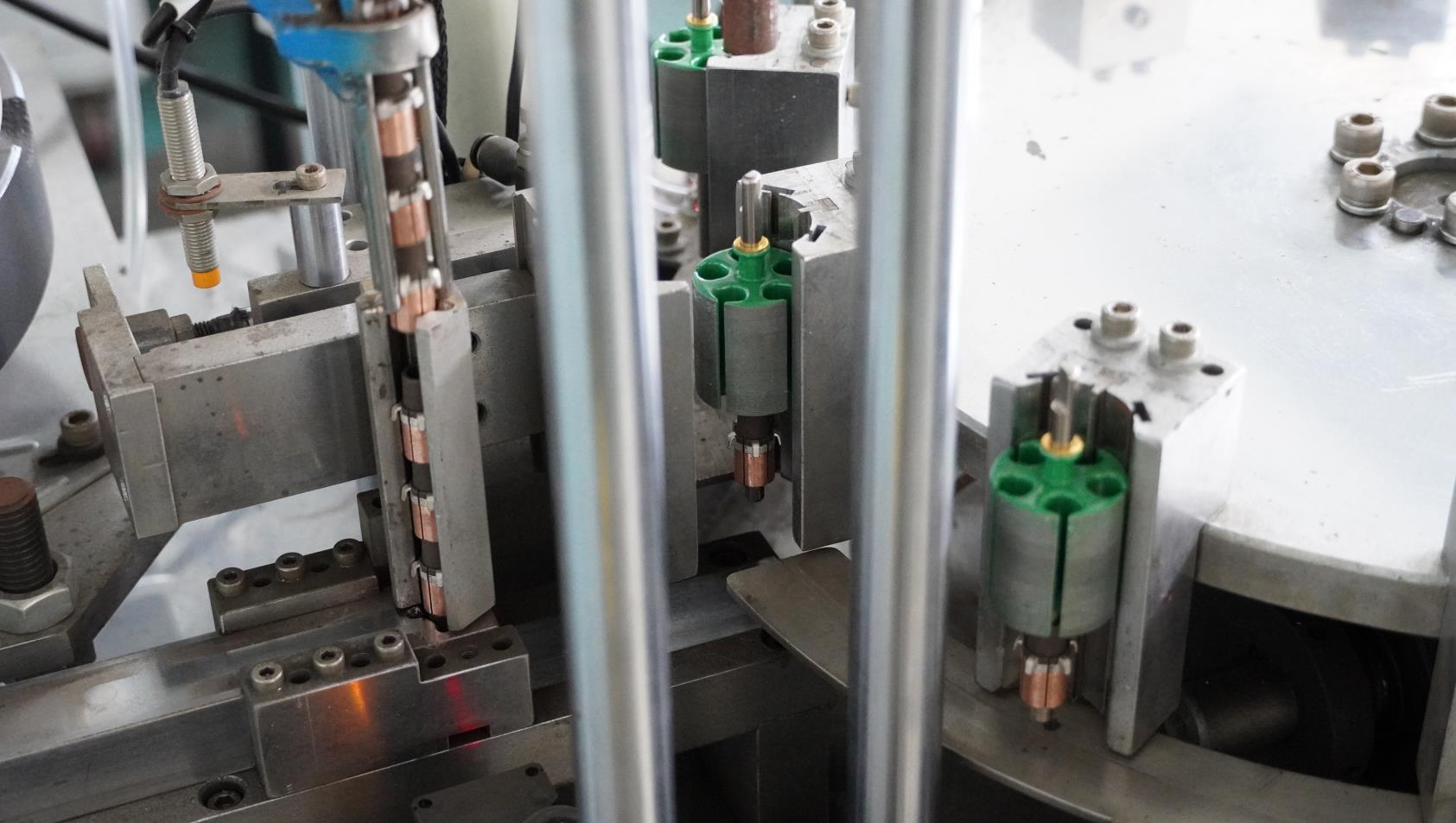
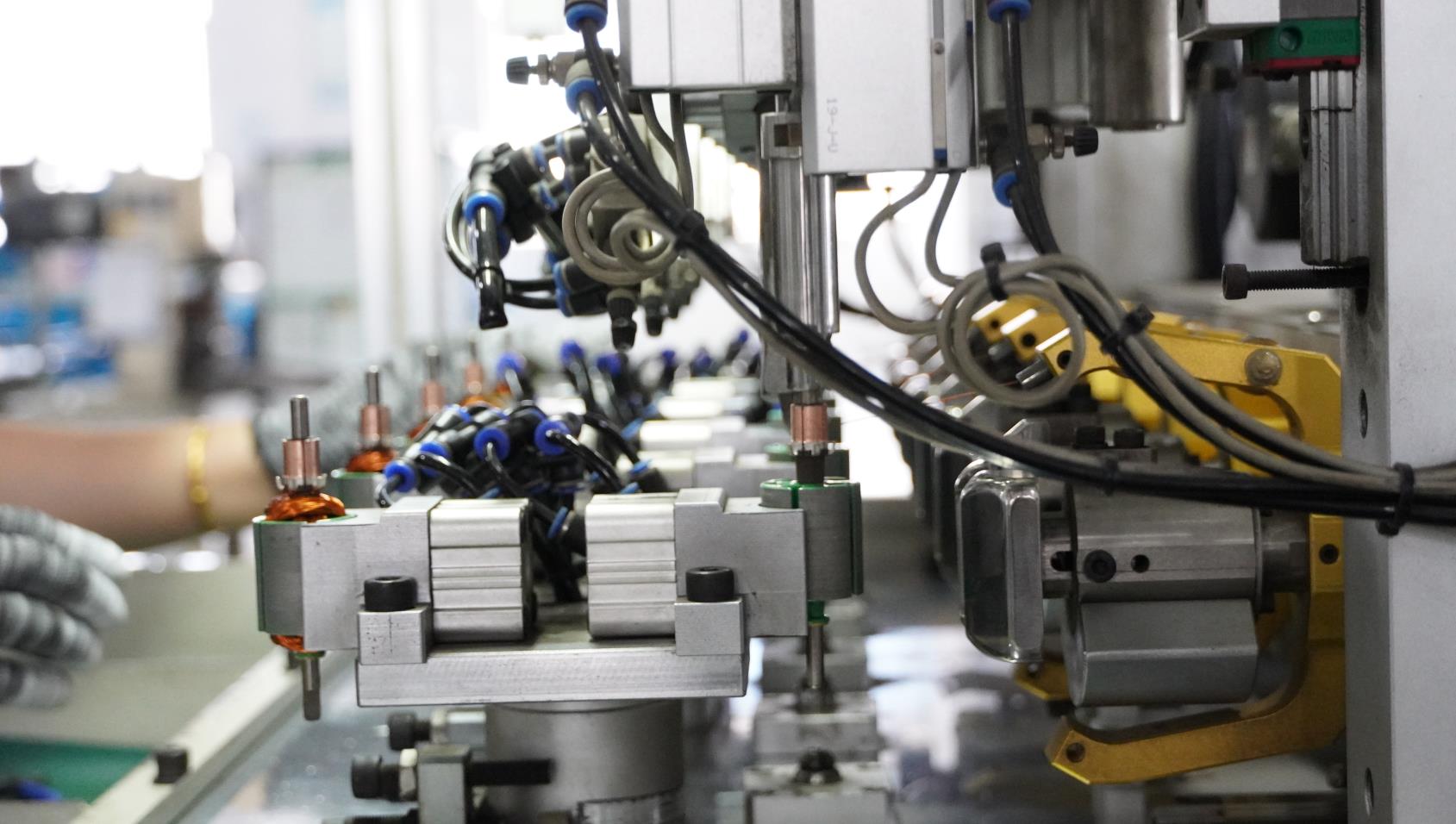
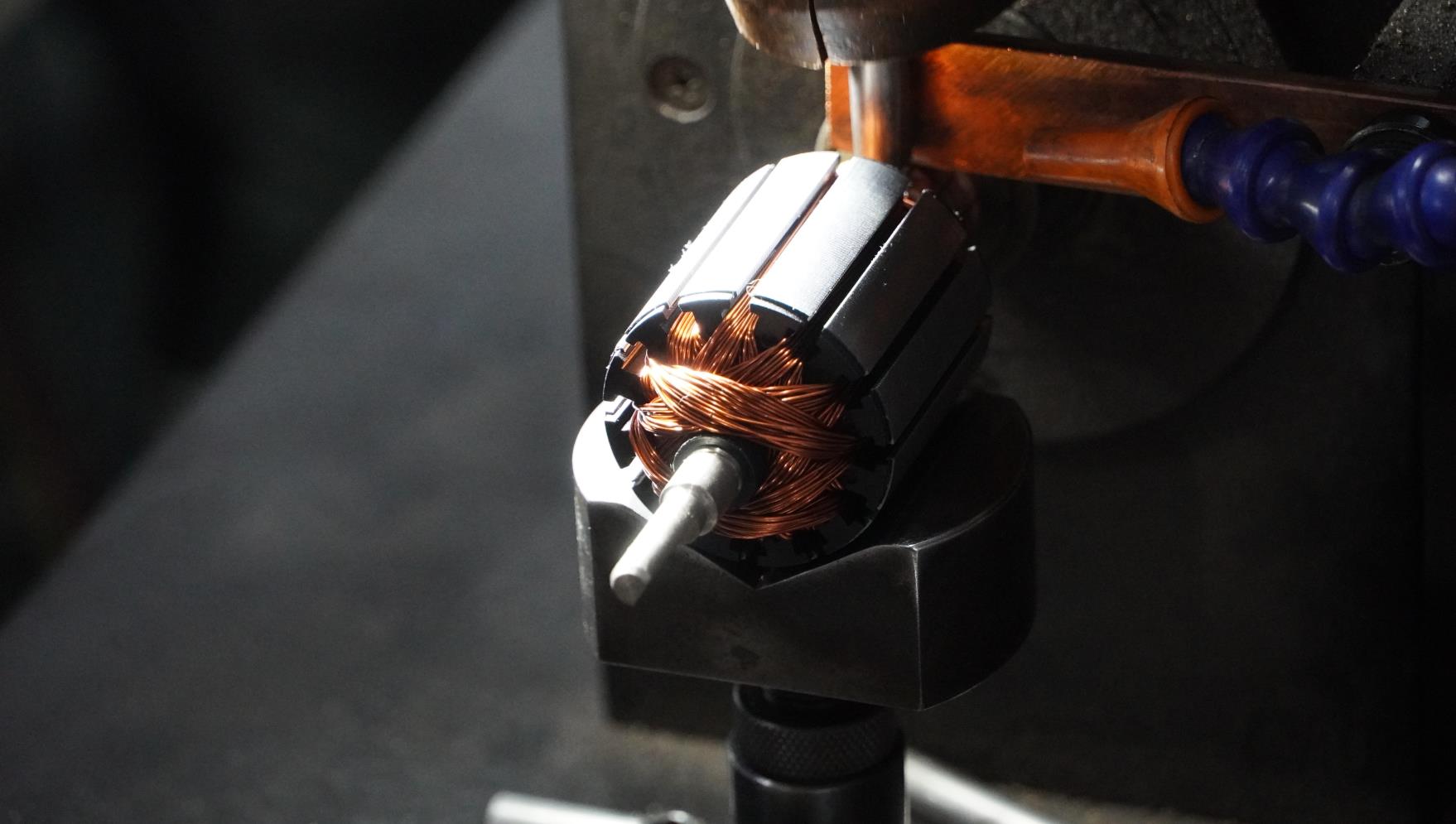
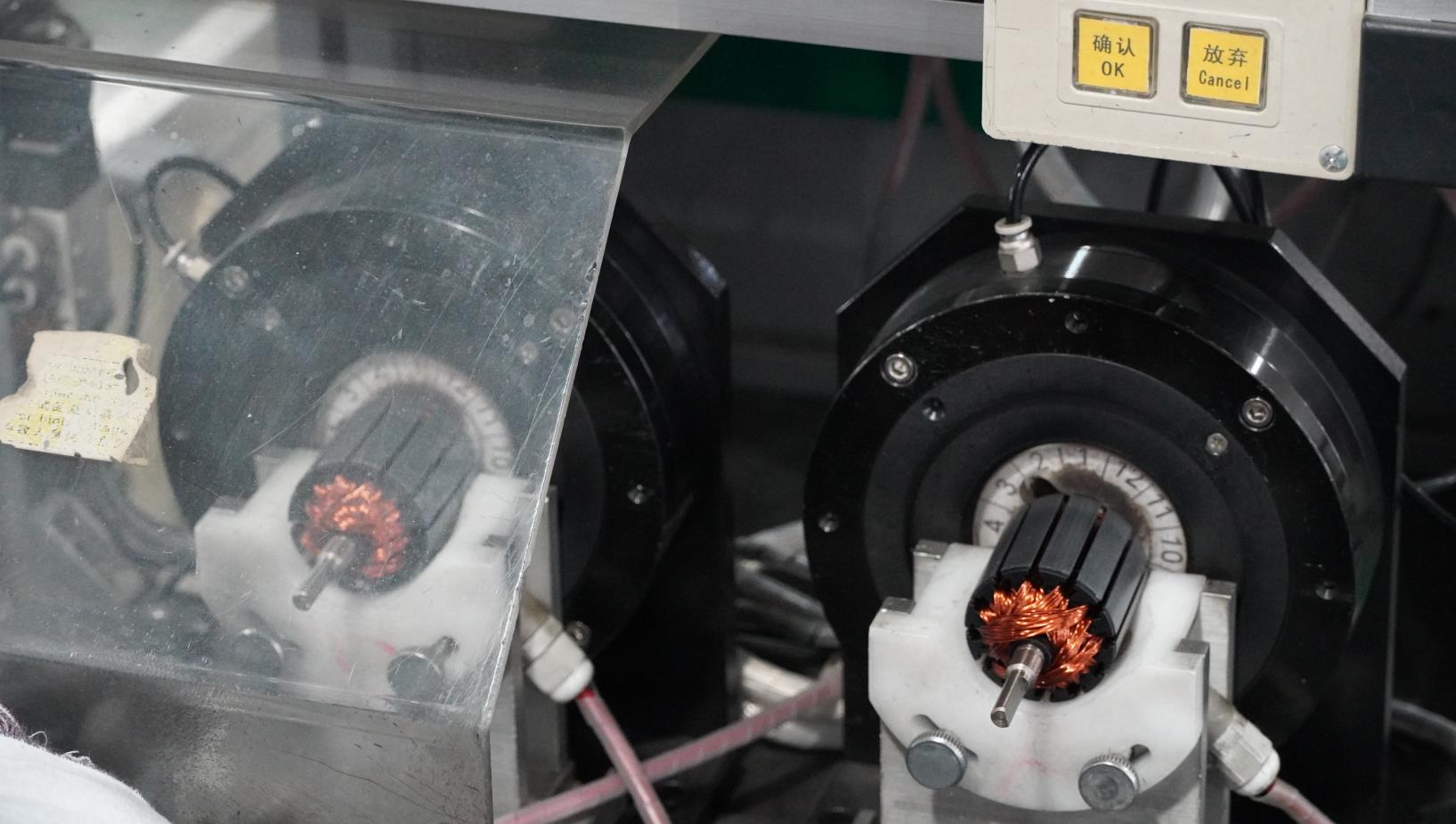
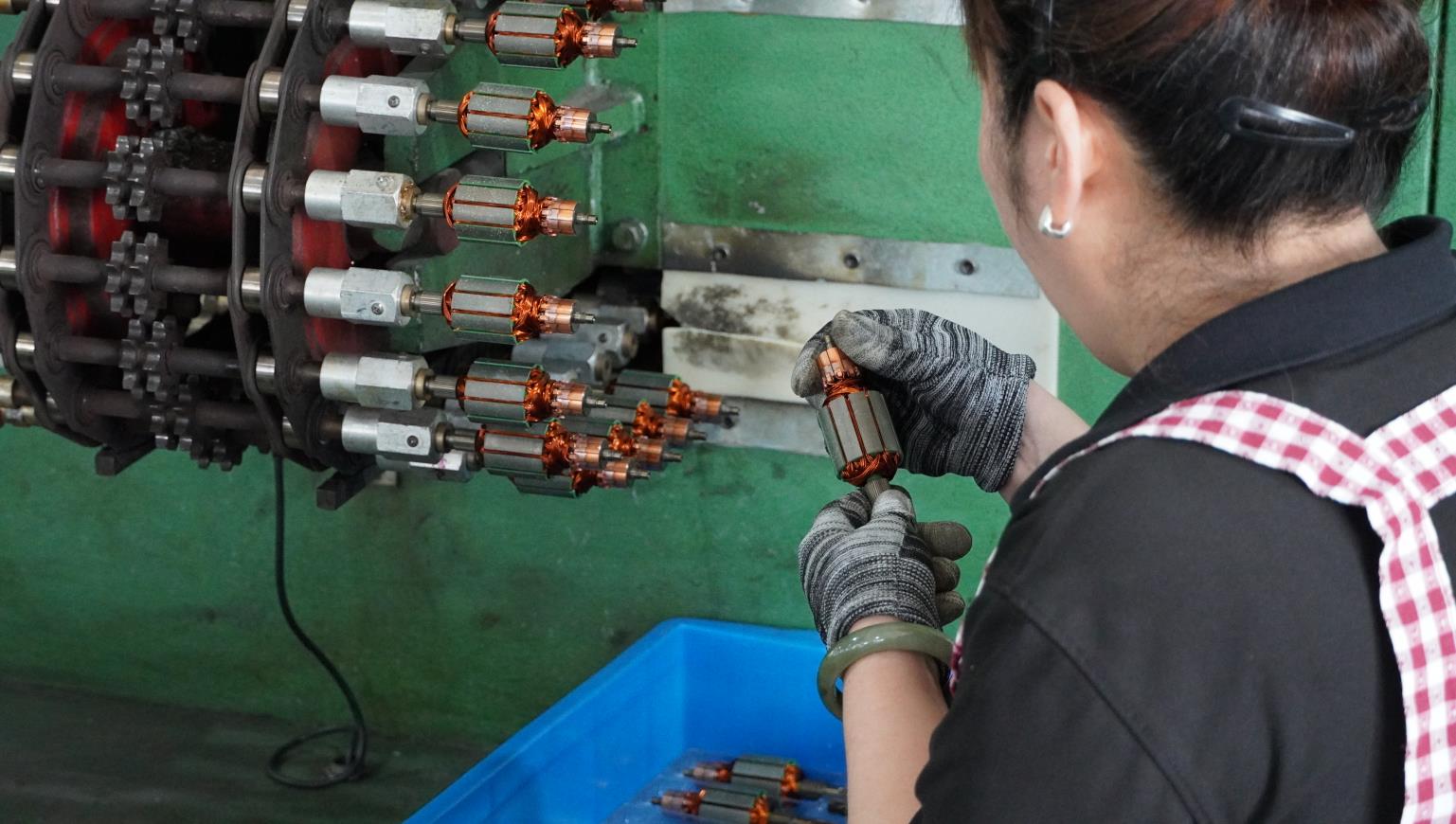
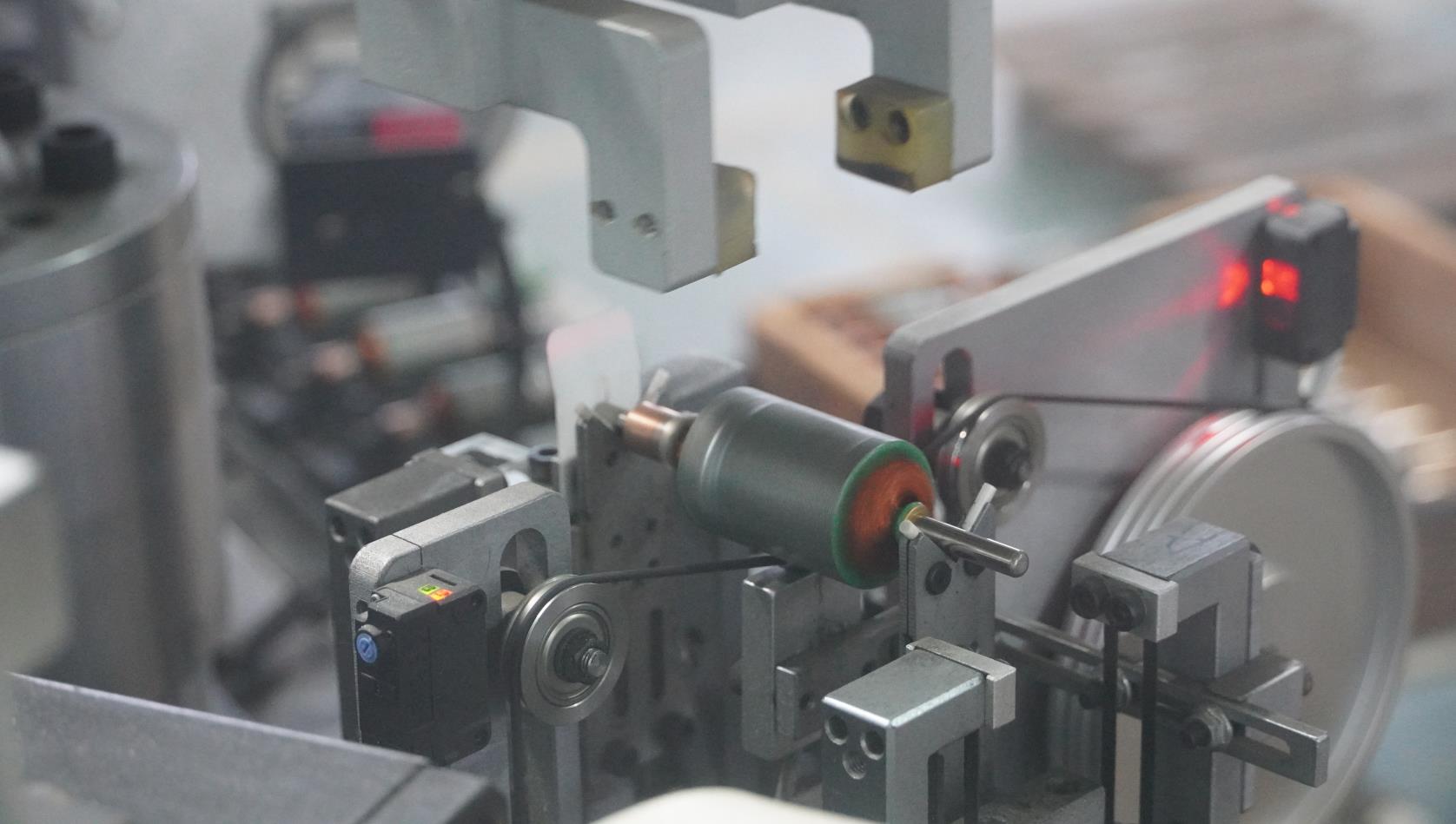
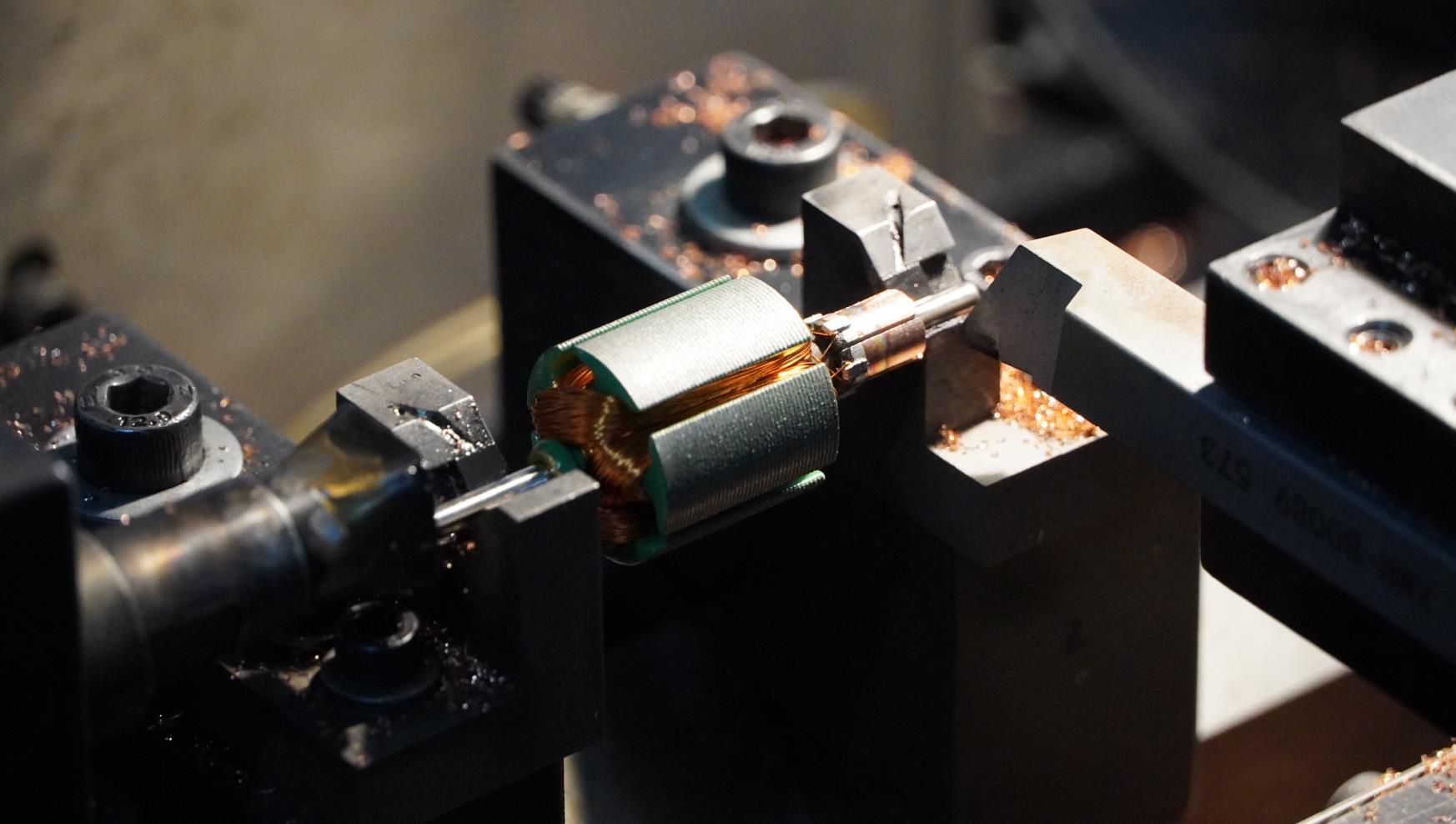
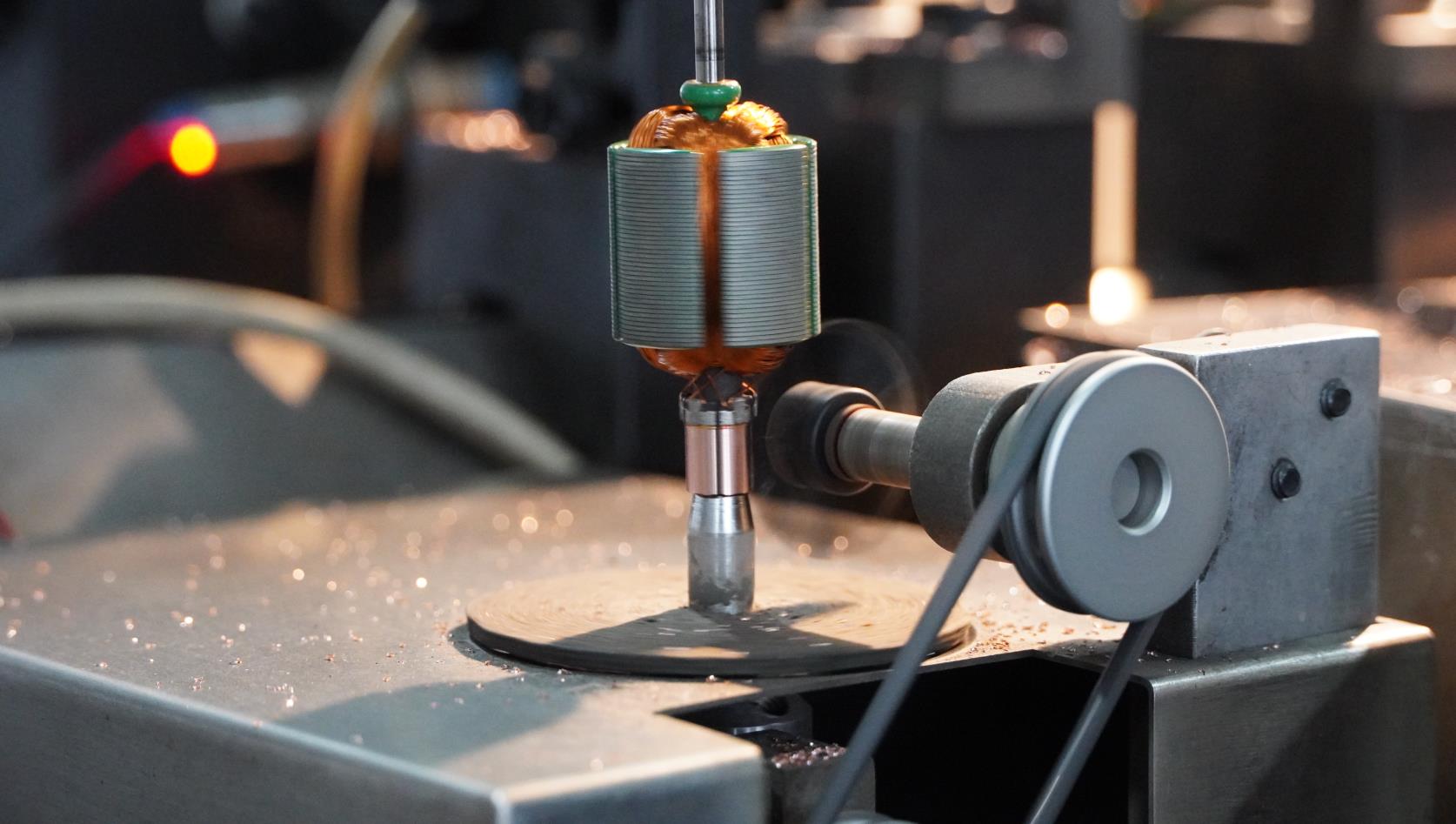
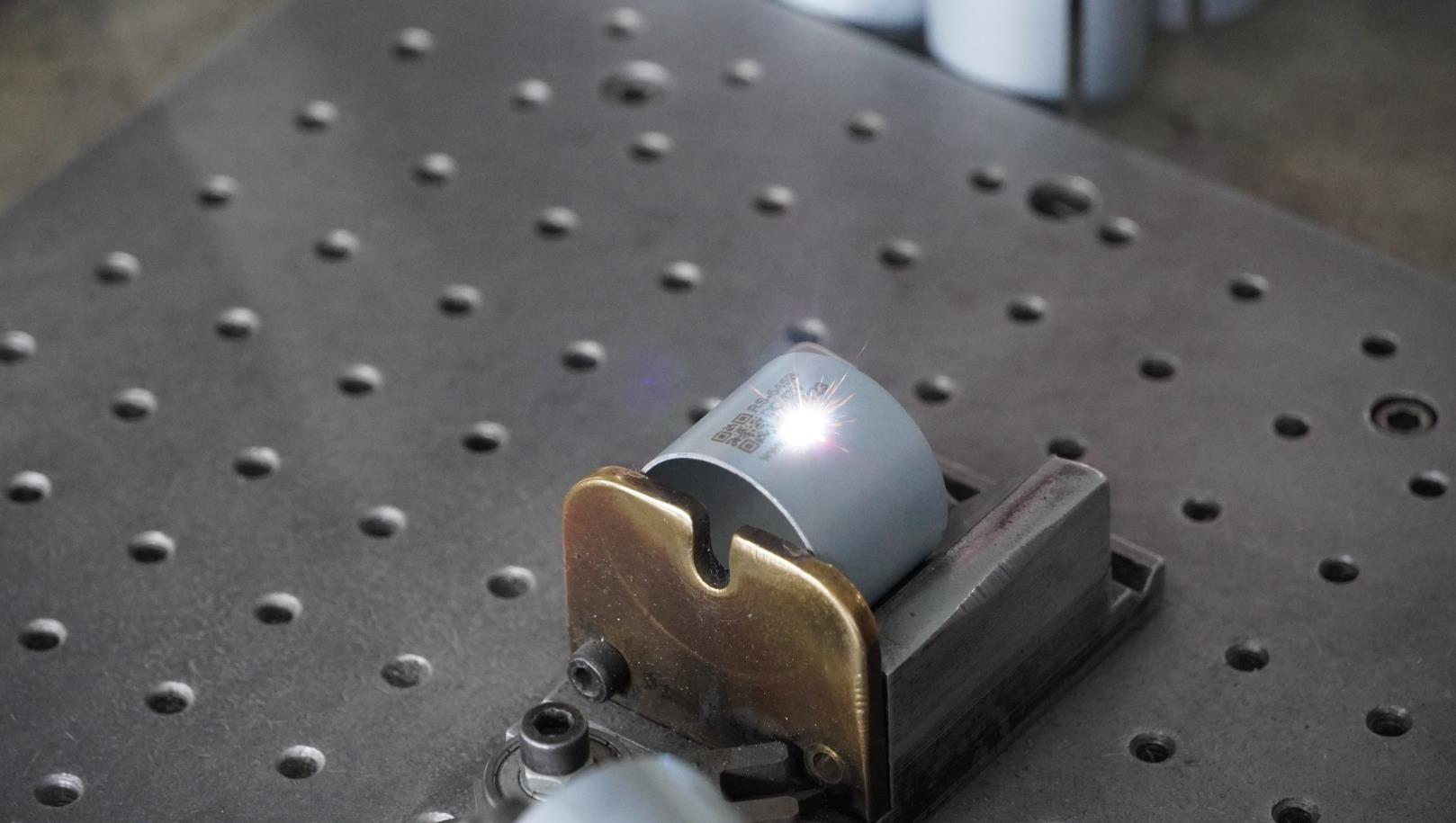
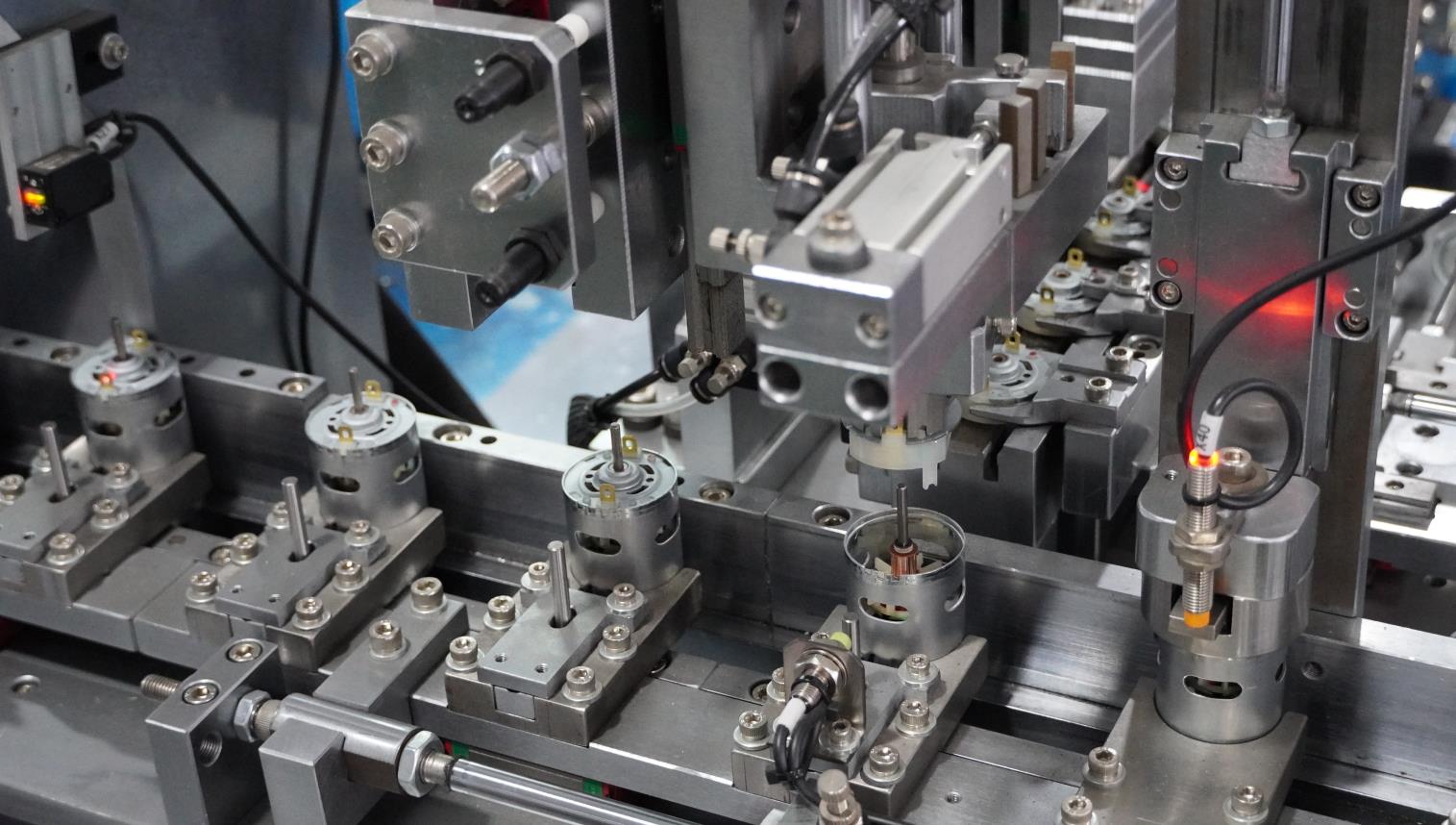
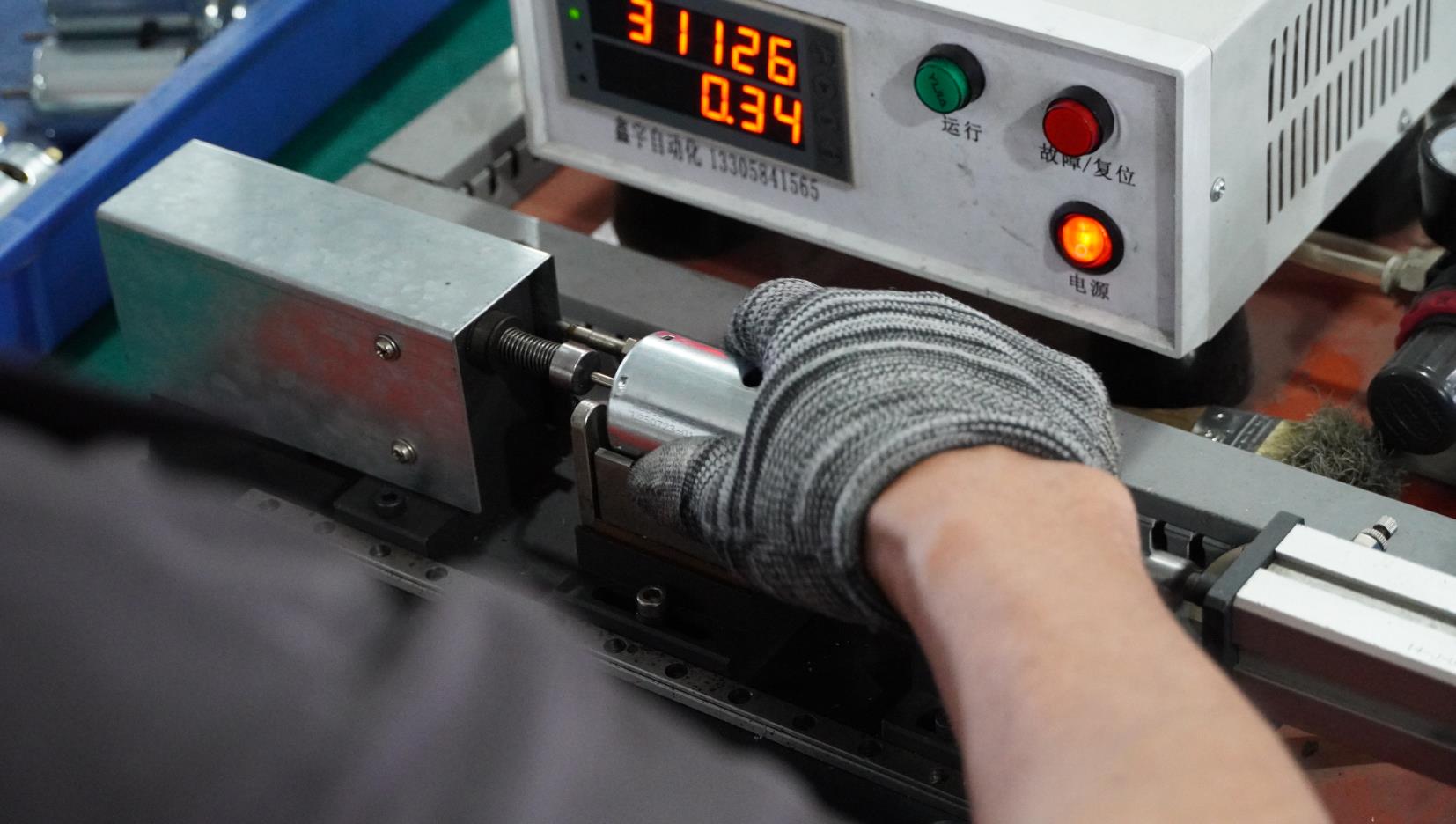
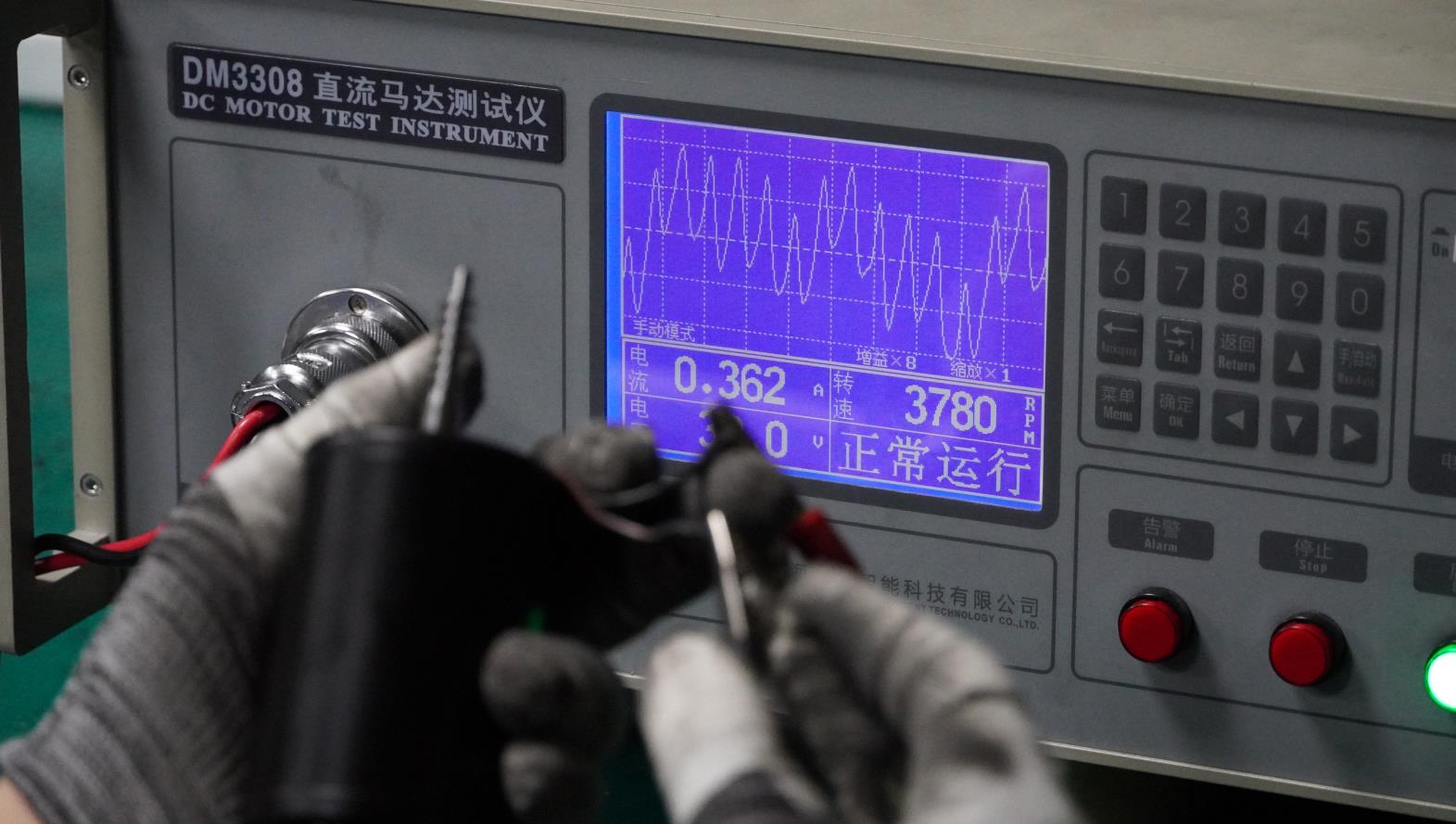
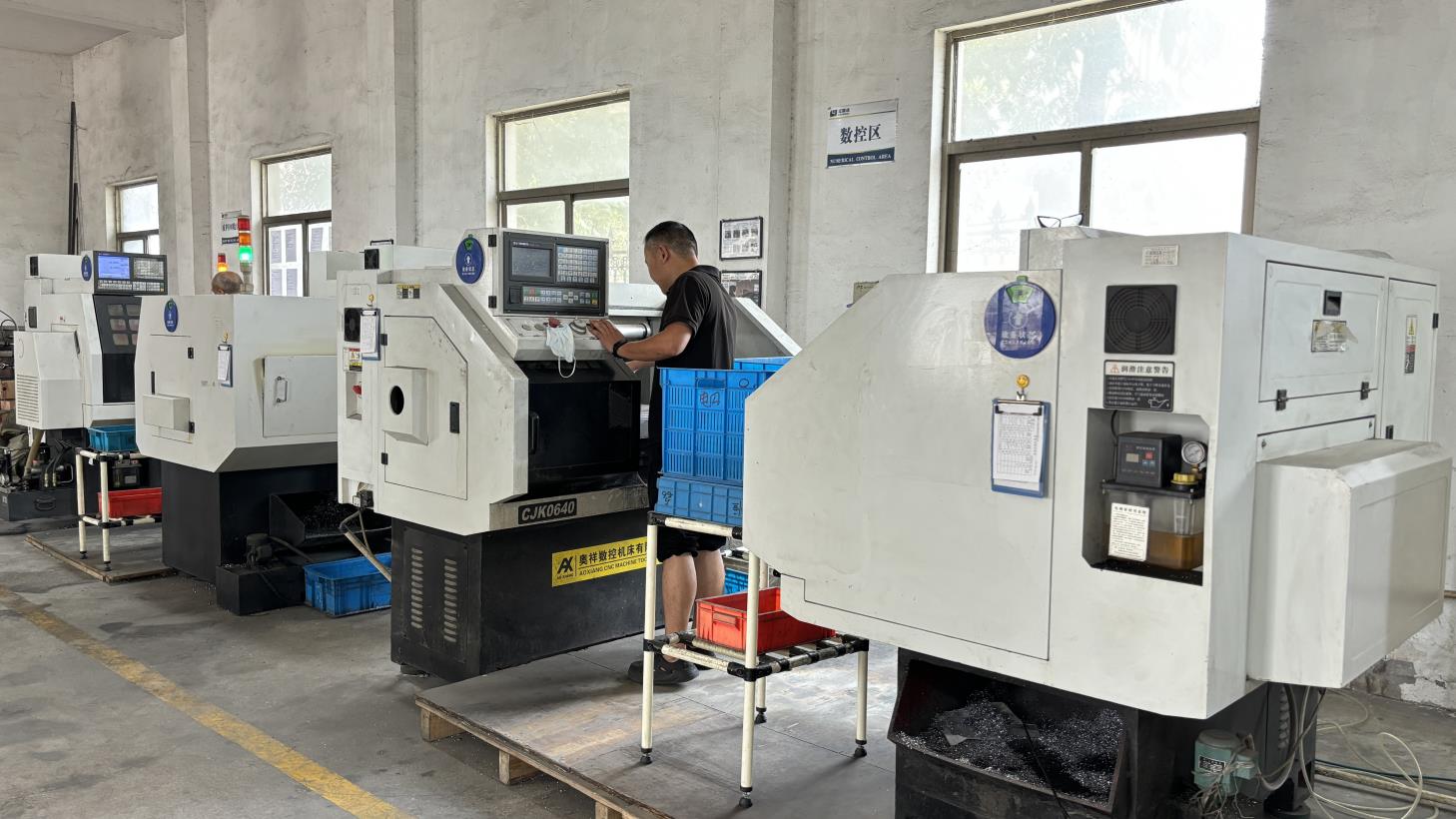
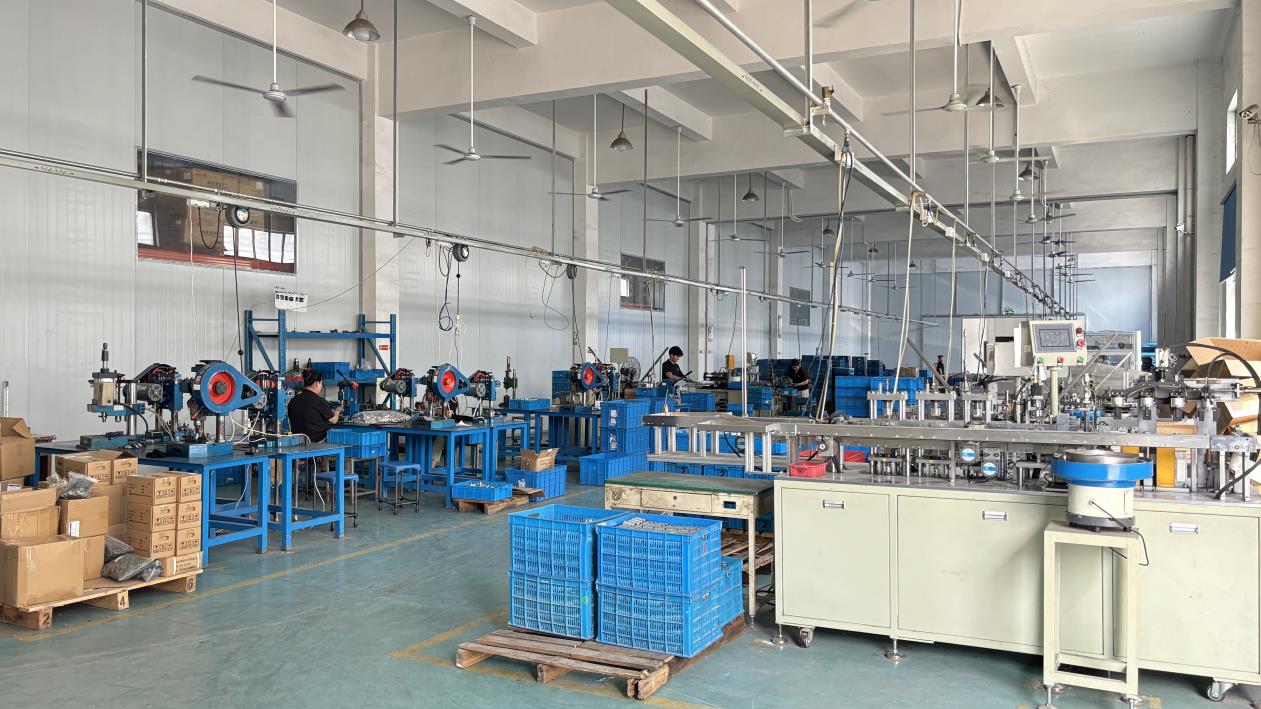
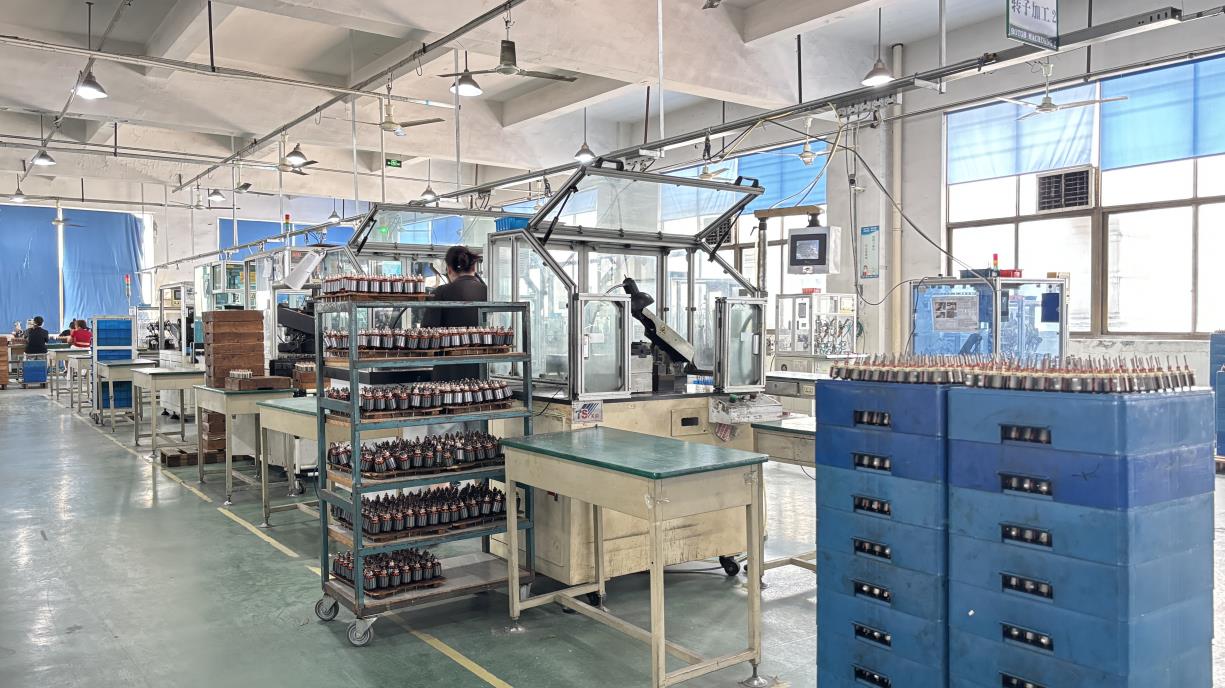
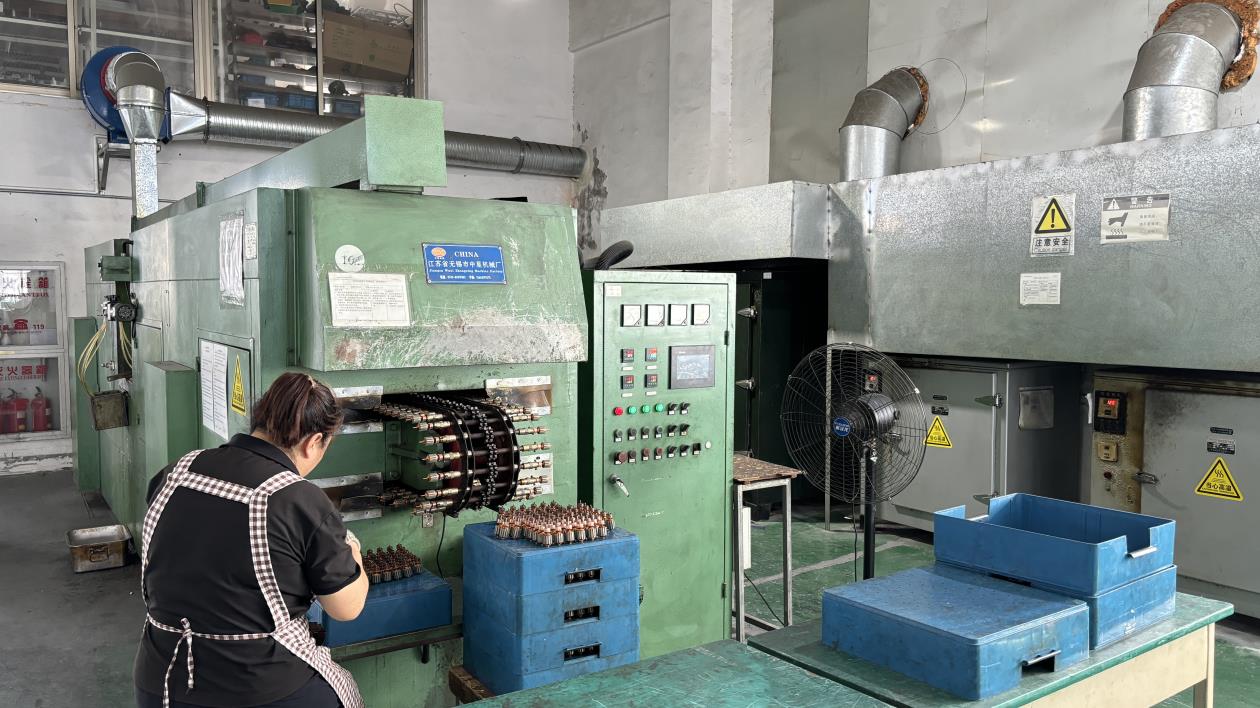
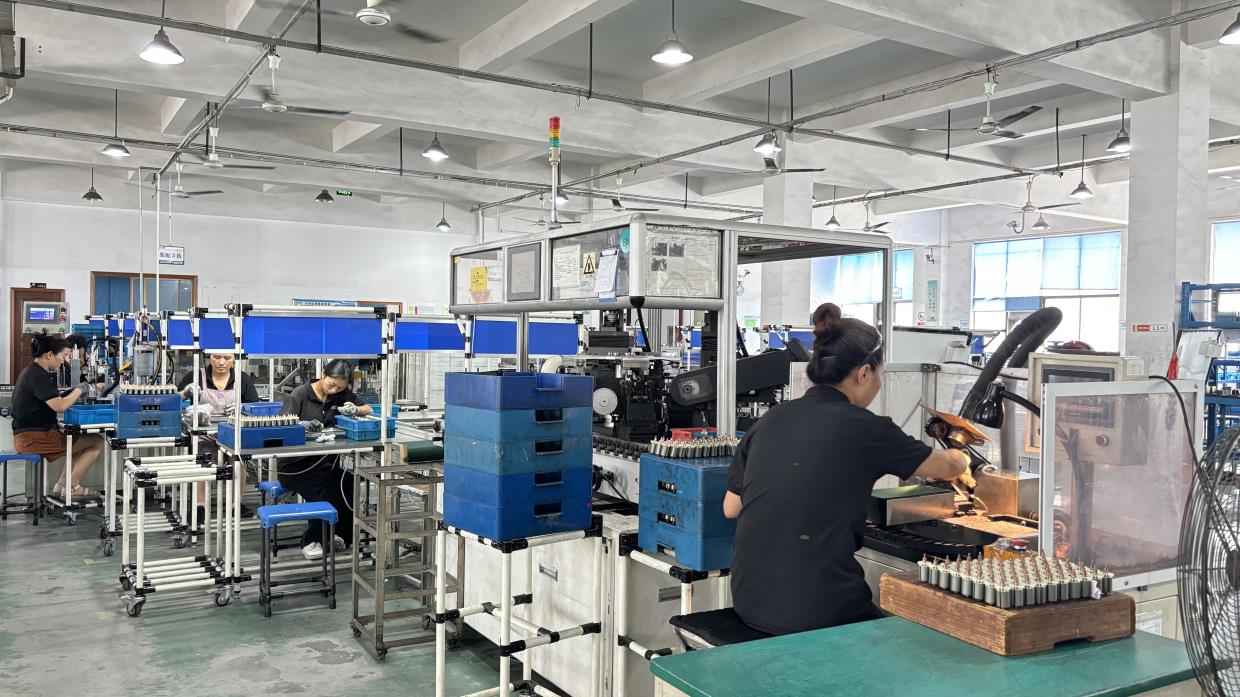
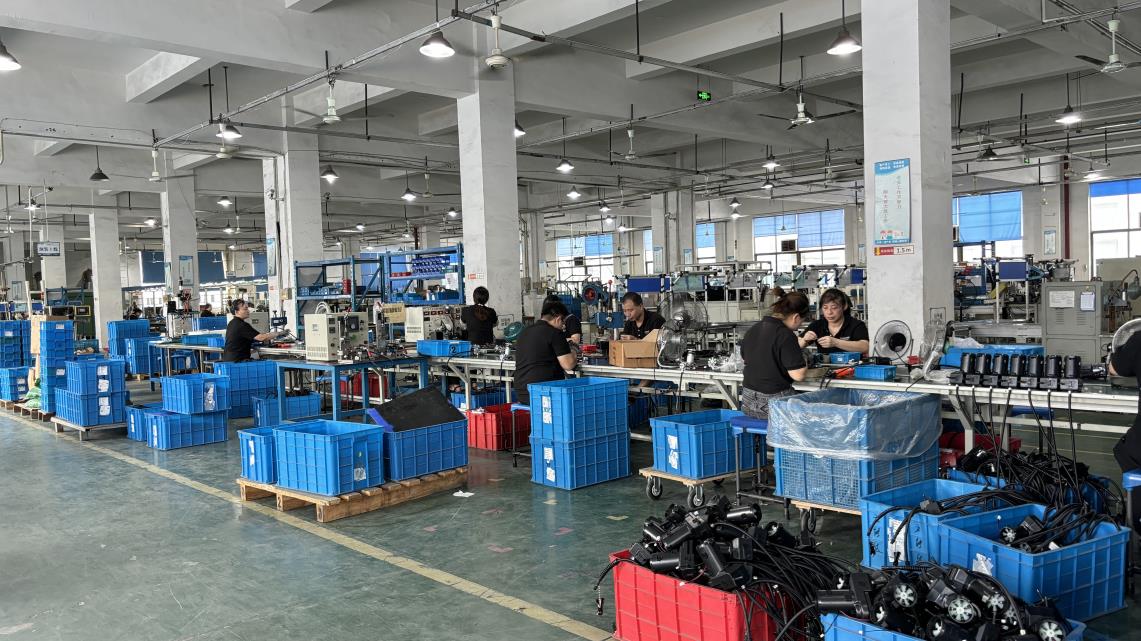
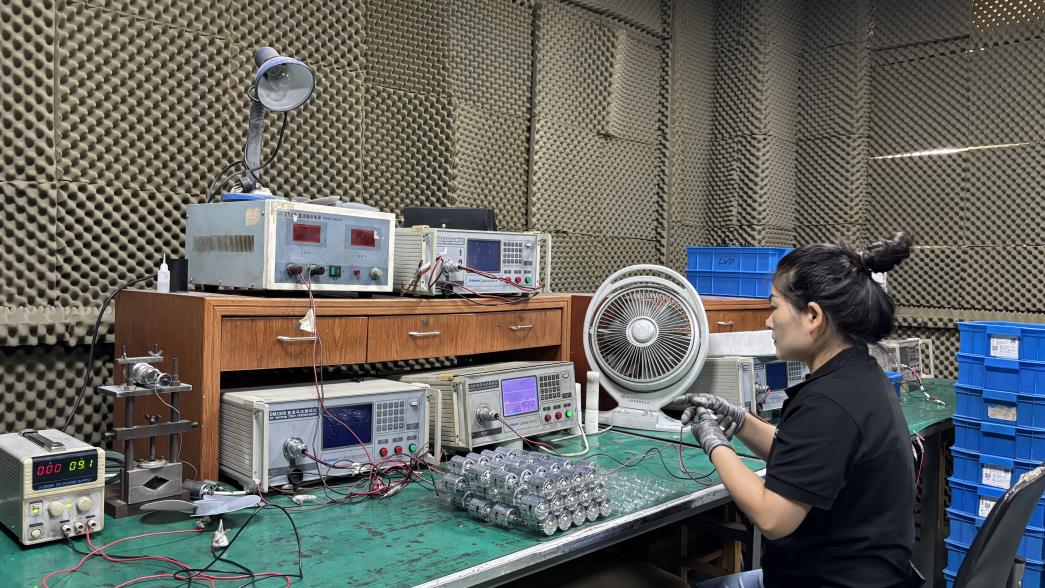
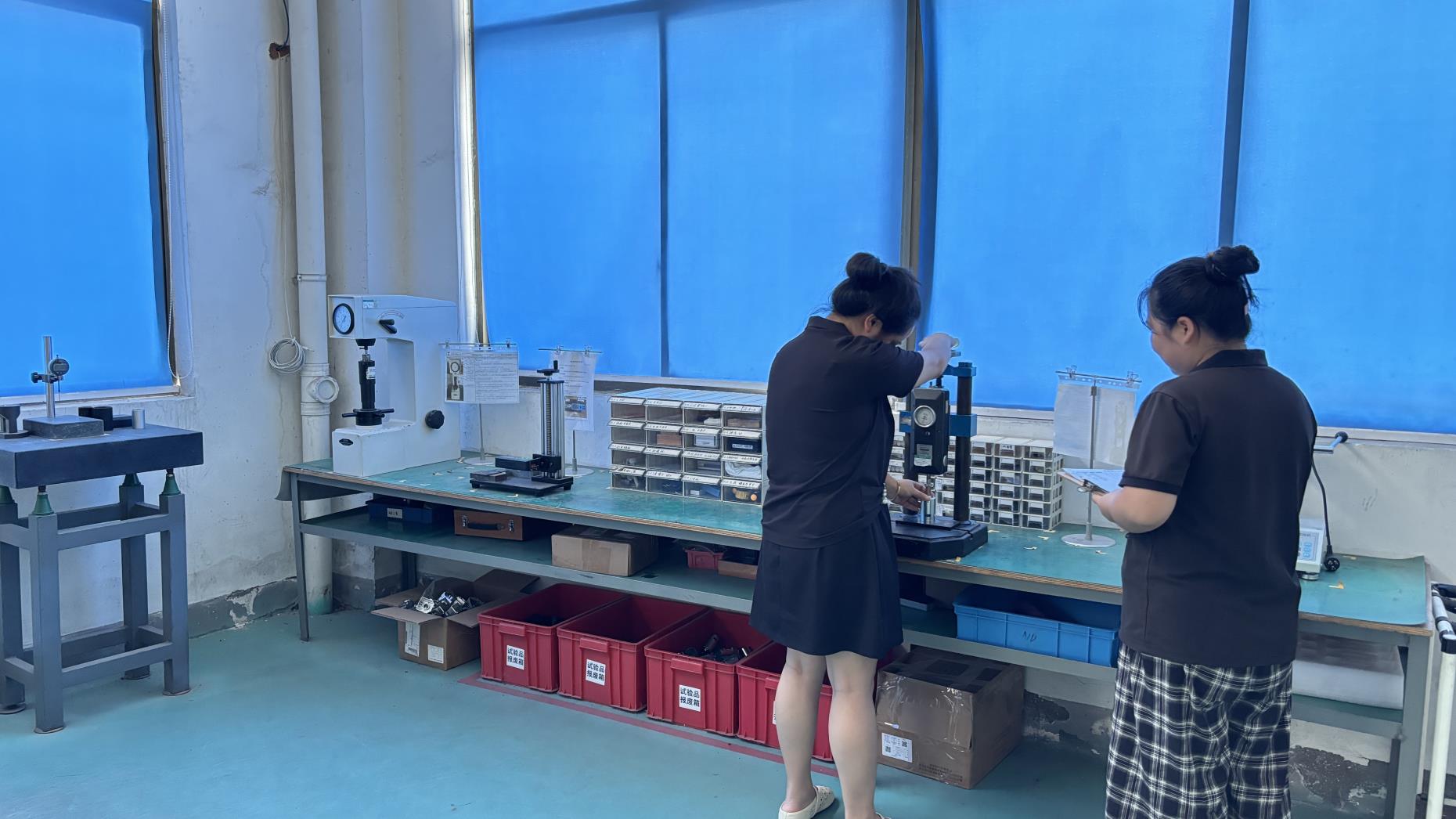
Every unit passes through 18 testing gates from basic rotor insulation treatment to final waveform verification. Quality is built into the process, not just inspected afterward.
How TQC Electromechanical Solutions Power Global Industrial Verticals
Challenge: Home automation drives (window actuators, rolling blinds, motorized TV lifts) require extreme torque at low rotational speeds, running silently underneath background ambient sound thresholds (typically <38 dBA).
Solution: The use of 120V high-voltage DC brushed systems (such as the LND RS7712 or the RS7812) combined with customized worm gearboxes provides self-locking capabilities and optimized gear tooth pitch profiles, dampening structural resonance while maintaining high locking torque.
Challenge: Clinical peristaltic pumps and lab automation actuators require smooth, ripple-free torque output at variable lower RPM ranges to prevent fluid pulsation and component fatigue.
Solution: By applying the L6492 high-torque 24V brushed DC motor with custom stator winding, TQC minimizes torque ripple. Advanced Commutator Fine Turning ensures clean, consistent brush contact, reducing electrical noise (EMI) that could interfere with nearby sensitive medical imaging sensors.
Challenge: Autonomous cleaning appliances (LIDAR rotations, drive wheels, side brushes) operate under space constraints and require high power-to-weight ratios to maximize battery charge cycles.
Solution: The L4290 LND 24V dynamic permanent magnet motor delivers up to 3400 RPM within a highly compact 42mm frame. Coupled with specialized dual-channel Hall effect encoders, it provides precise closed-loop speed control for accurate path navigation.
Challenge: Industrial heavy-load transport drives, including motorized wheelchairs and automated guided vehicles (AGVs), require high starting torque and robust mechanical holding brakes.
Solution: TQC developed the JP70BL Brushless 24V Gearbox Motor, combining a brushless architecture (virtually eliminating wear components) with a high-efficiency worm reducer to handle high shock loads and provide safe electromagnetic braking.
Pioneering the Next Phase of Micro-Drive Evolution (2025–2030)
As industrial automation demands smaller and more integrated systems, TQC's engineering R&D is focused on three technology horizons:
Developing built-in micro-drives for BLDC motors that estimate rotor position via back-EMF feedback. This removes the need for physical Hall sensors, reducing both cost and wiring complexity while enhancing reliability in harsh environments.
Implementing sintered steel and advanced polymer gears to handle higher shock loads. This optimization achieves lower noise signatures and ensures dry-lubrication longevity across extreme operating temperatures (-40°C to +85°C).
Integrating basic micro-sensors within the motor frame to monitor current signature changes and thermal profiles. This enables cloud-based predictive maintenance, alerting operators to potential wear before failure occurs.
Ensuring Seamless International Procurement & Integration
Exporting custom electromechanical systems requires meeting complex local regulations. TQC Micromotor guarantees compliance with major global frameworks:
We work closely with client engineering teams to configure standard architectures for specific requirements:
Deep-dive technical answers to help engineering and sourcing teams make informed decisions
Explore our full range of high-torque, high-voltage, and customized gearboxes