TQC Micromotor
TQC Micromotor
TQC Micromotor
High-torque efficiency and smart control mechanisms designed to scale global commercial and residential applications.
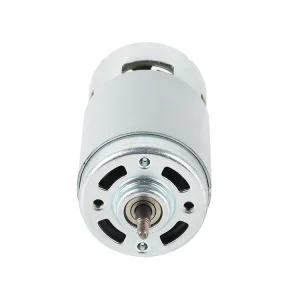
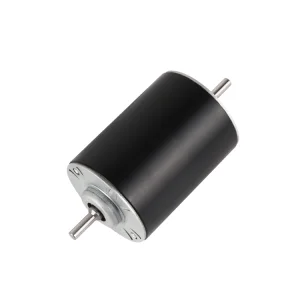
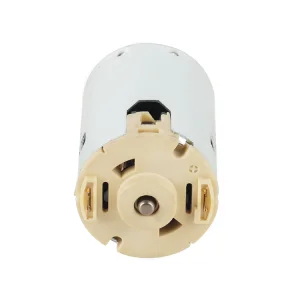
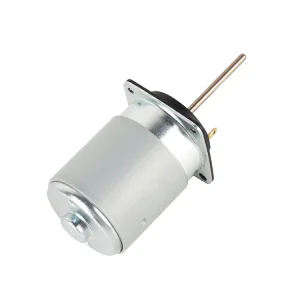
The global industrial landscape is undergoing a massive shift towards automation, higher torque densities, and optimized electric motor mechanisms. Historically, standard alternating current (AC) induction motors dominated factories and domestic appliances due to their direct grid-connection simplicity. However, modern efficiency mandates, such as the IE3, IE4, and IE5 energy-efficiency directives, are forcing global buyers to reevaluate their drive selection. This shift has placed Chinese manufacturing at the epicenter of motor development, transforming standard AC Motor factory capabilities into advanced micro-drive production units specializing in high-performance permanent magnet motors, brushless DC (BLDC) solutions, and highly customized fractional horsepower systems.
As a premier hub for mechanical engineering, TQC Micromotor has spent two decades pioneering custom motor architectures. Through precision stator assemblies, dynamic balancing, and structural design iterations, we bridge the gap between traditional industrial AC motor applications and space-constrained, high-torque micro-motion solutions. In an era where compact sizing and optimized acoustic signatures are crucial, our engineering paradigms ensure that global OEMs receive drive systems that fit exact torque-speed envelopes while minimizing electrical consumption.
Purchasing departments and engineering divisions look at different factors when choosing electric motor suppliers. While engineers focus on nominal torque, back-EMF, and thermal performance, procurement teams evaluate long-term supply chain security, quality-to-cost ratios, and local import regulations. When looking for the *China Best AC Motor Manufacturer & Factories*, buyers are often seeking to upgrade system designs from inefficient AC shaded-pole or split-phase motors to permanent magnet or electronically commutated (EC) BLDC motors to meet strict international environmental standards.
The shift from traditional grid-fed AC induction motors to low-voltage DC and BLDC options in residential appliances (such as smart vacuum cleaners, robotic sweepers, and ventilation systems) is driven by the need for advanced digital speed control, integrated sensor feedback, and vastly improved power-to-weight ratios. The table below details the performance comparison between traditional motors and modern micro-drives.
| Motor Technology Type | Typical Efficiency Range | Acoustic Footprint | Control Complexity | Primary Industrial Use-Cases |
|---|---|---|---|---|
| Standard Shaded-Pole AC | 15% - 30% | Moderate to High | Low (Constant Speed) | Legacy fans, small kitchen appliances, blowers. |
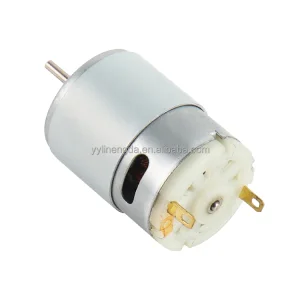
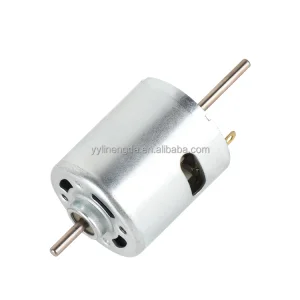
| Permanent Magnet Brushed DC (PMDC) | 65% - 80% | Low to Moderate | Low (Simple voltage adjustment) | Automotive actuators, smart locks, home automation. |
| Brushless DC (BLDC) / EC | 80% - 92% | Ultra-Low | High (Requires ESC/Driver) | Robotic vacuums, precision medical pumps, high-end HVAC. |
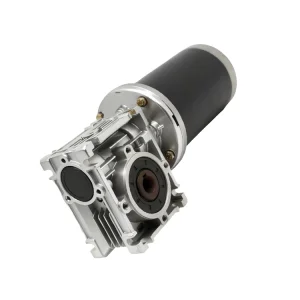
| Worm Gearbox DC Motors | Varies based on Gear ratio | Optimized Low | Medium | Automated windows, marine positioning, barrier gates. |
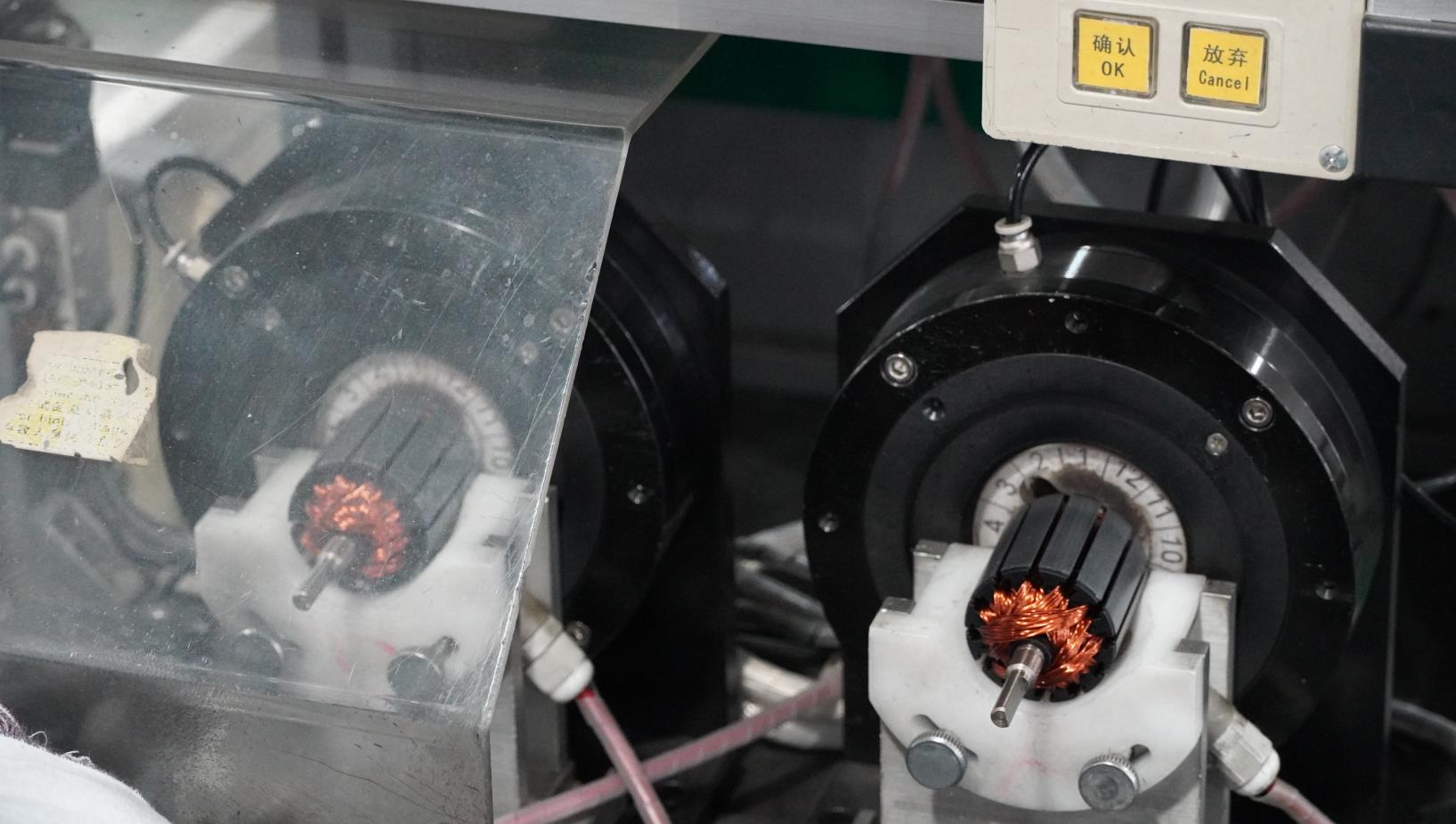
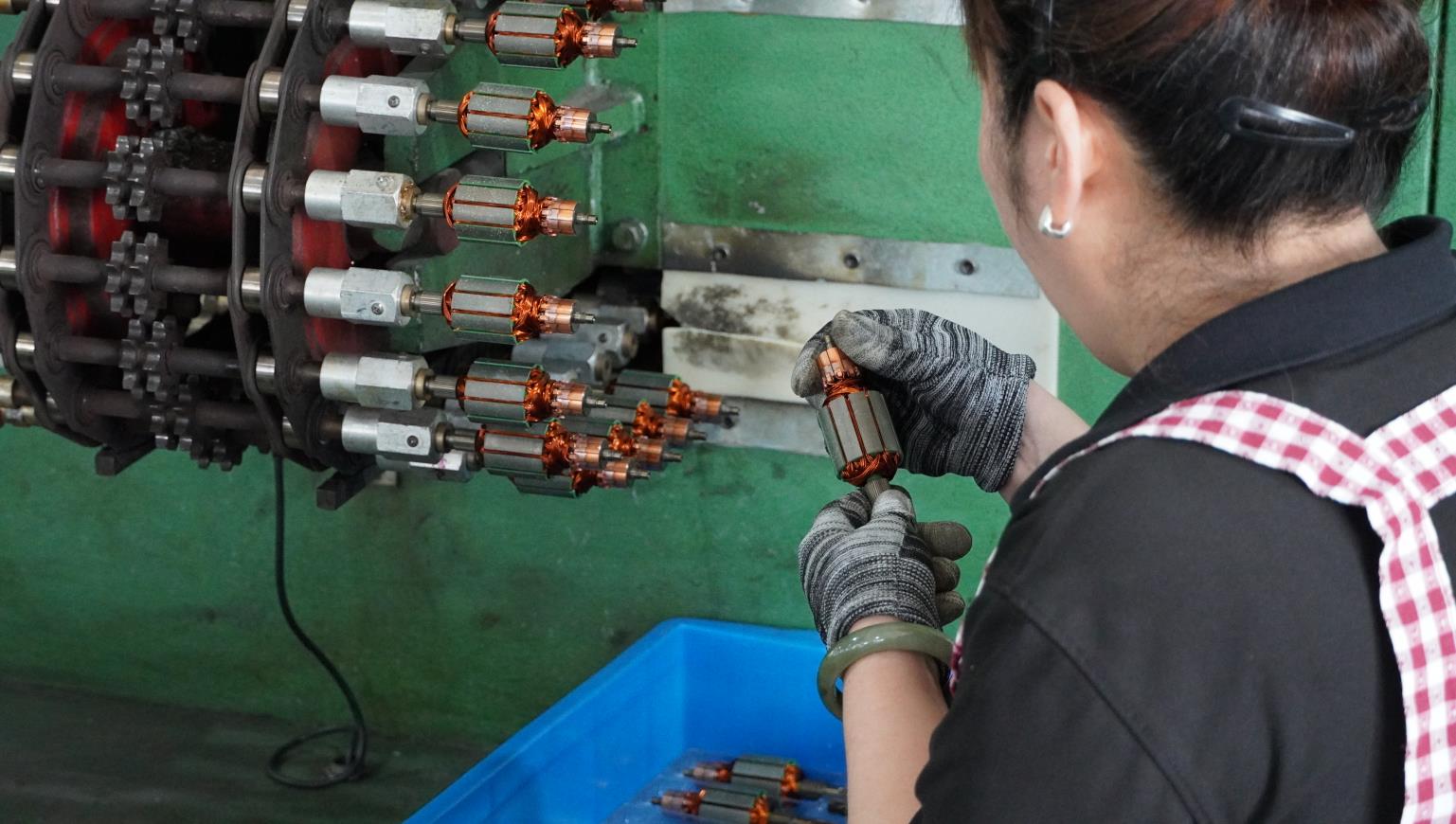
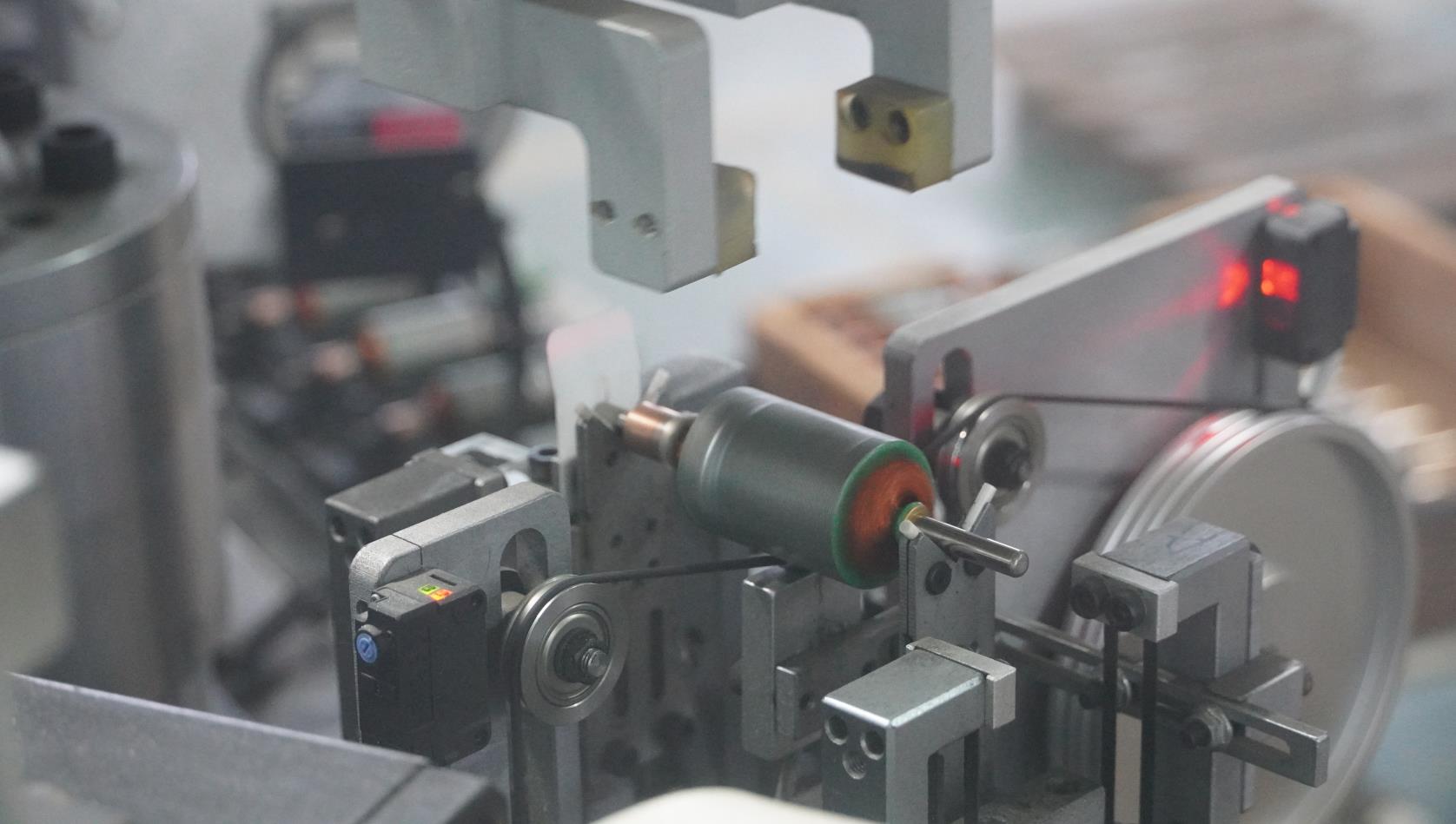
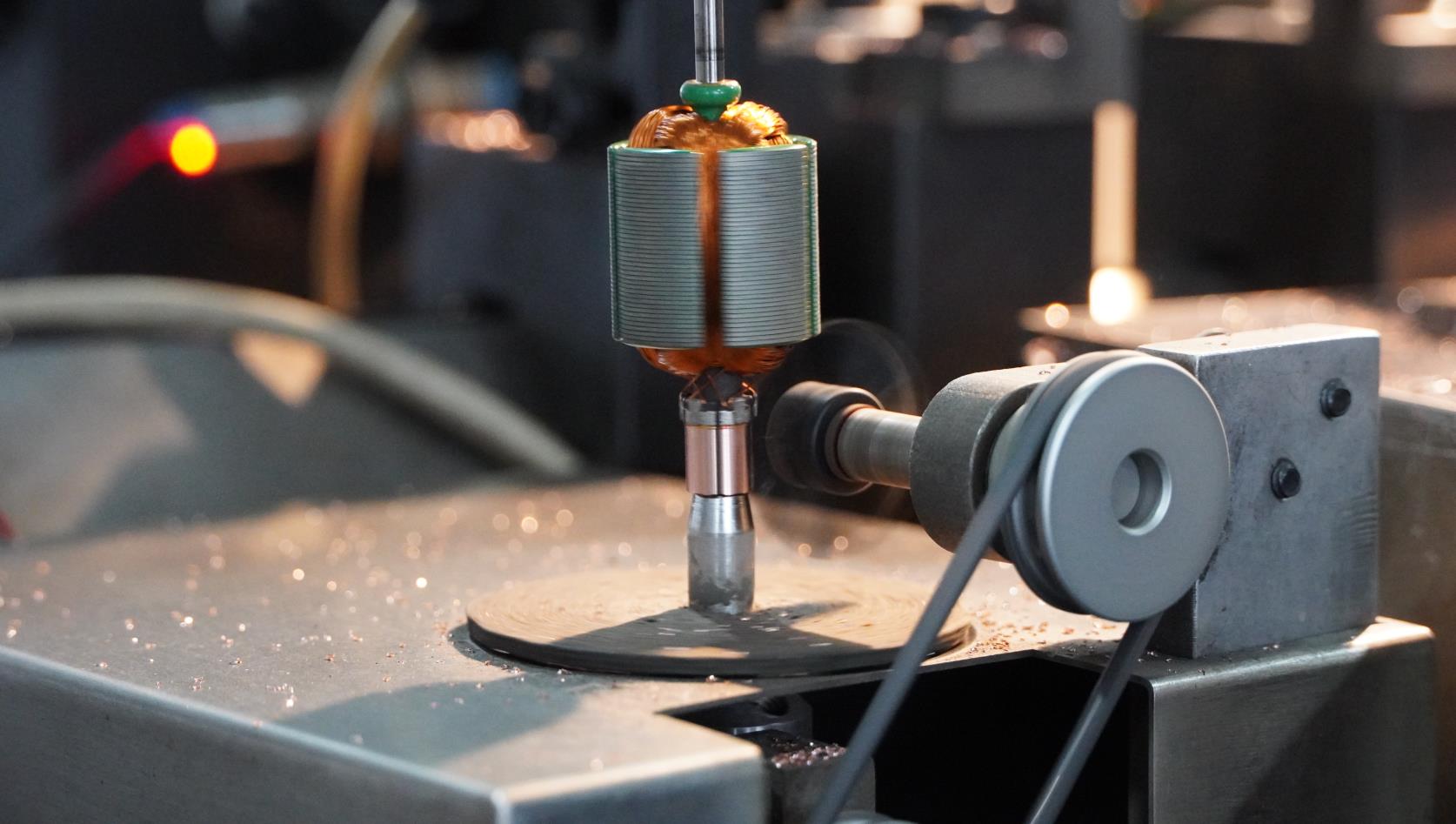
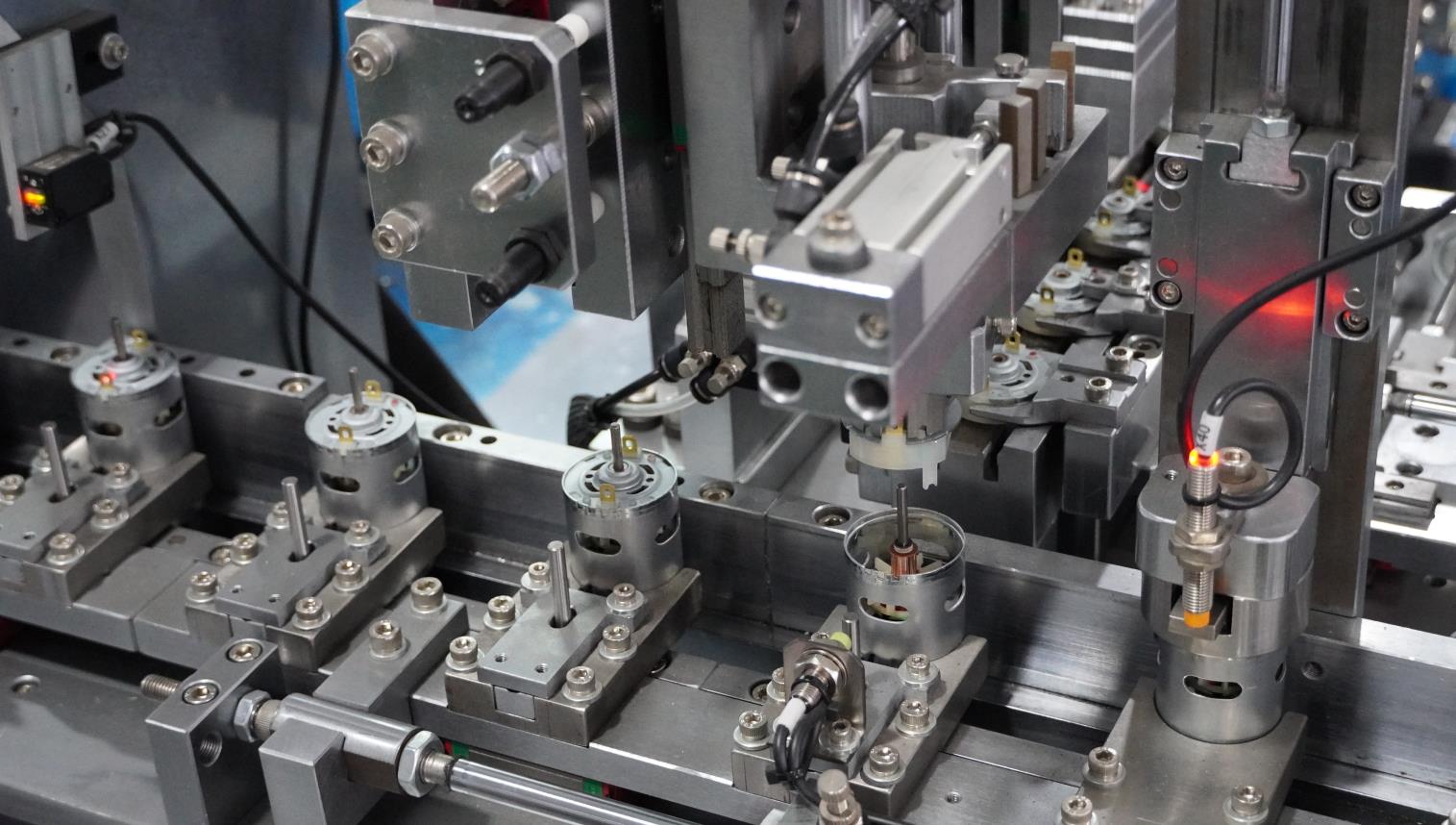
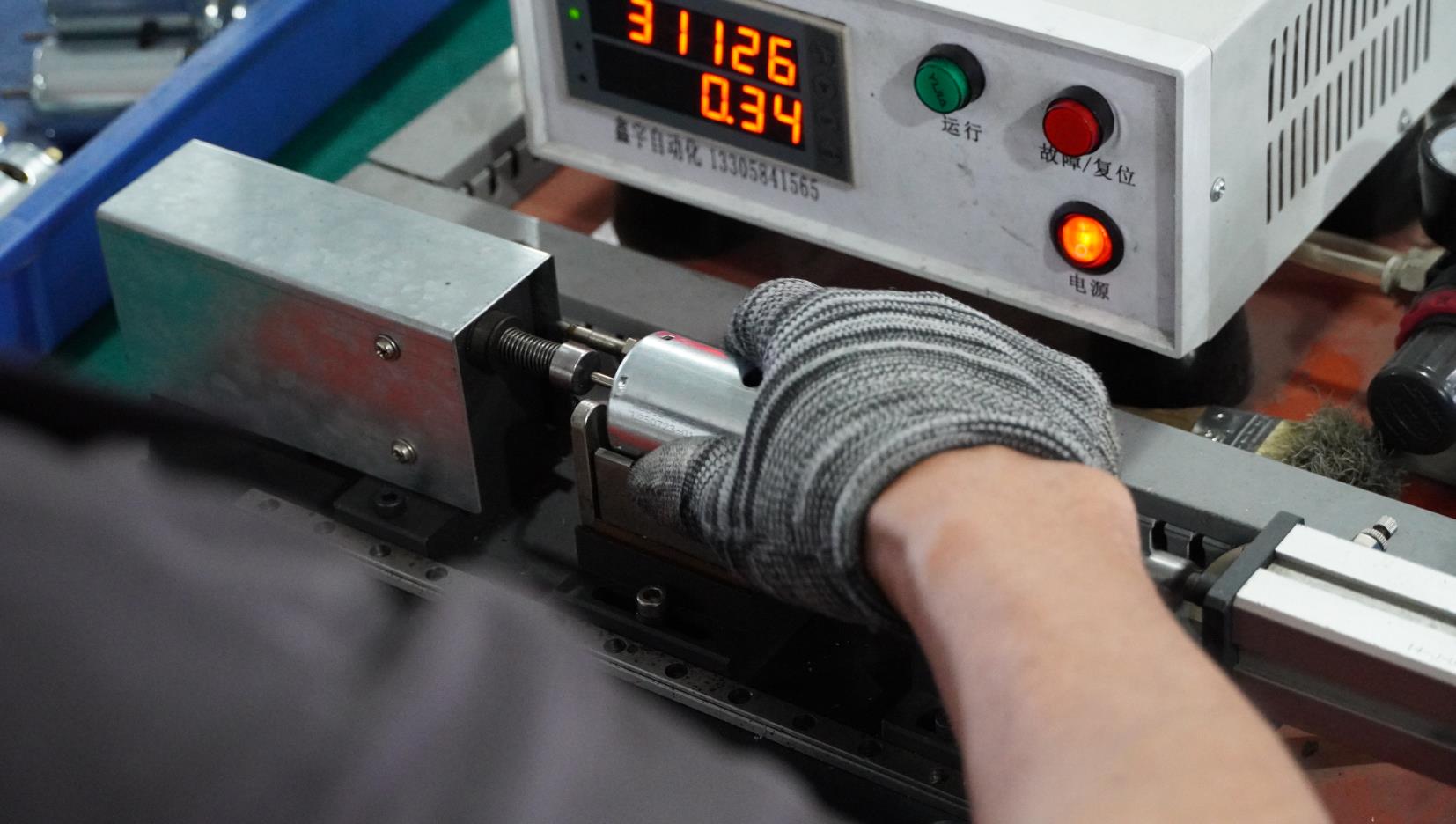
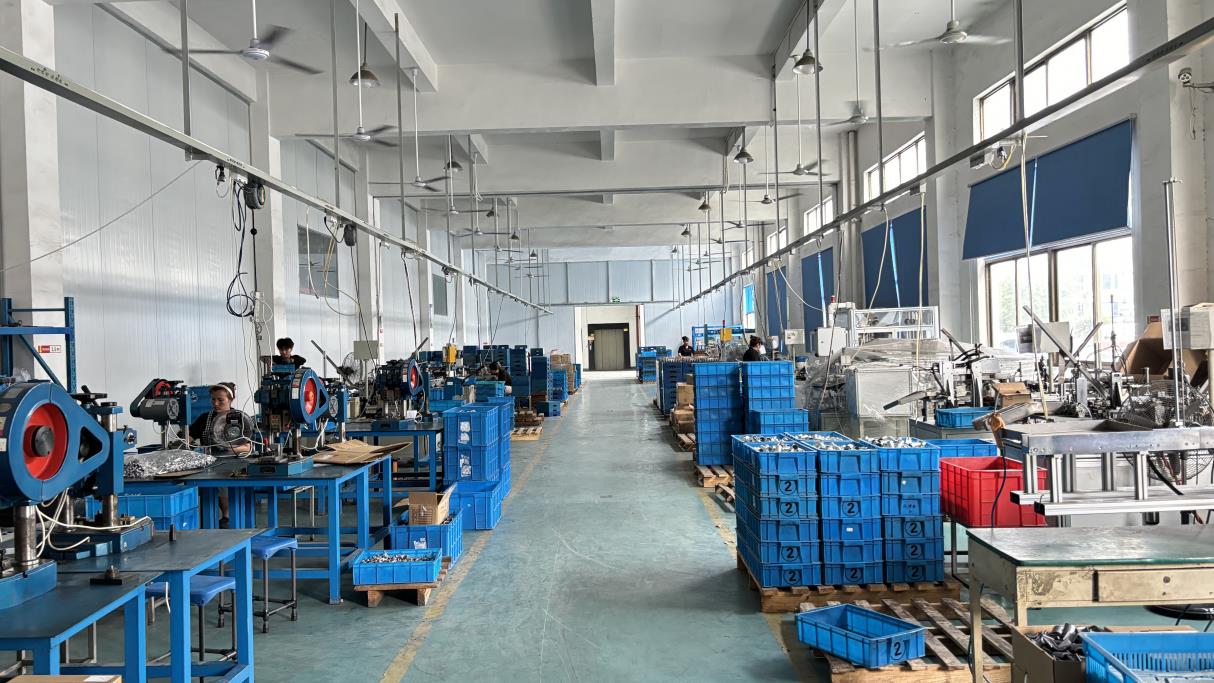
To maintain a competitive edge, Chinese manufacturing facilities have integrated Industry 4.0 standards. Advanced manufacturing is no longer just about fast production; it relies on automated stator winders, computerized dynamic balancing setups, and automated testing equipment. This level of automation reduces human error, guarantees batch-to-batch consistency, and ensures that critical parameters like insulation resistance, coil resistance, and armature balance remain within strict tolerances.
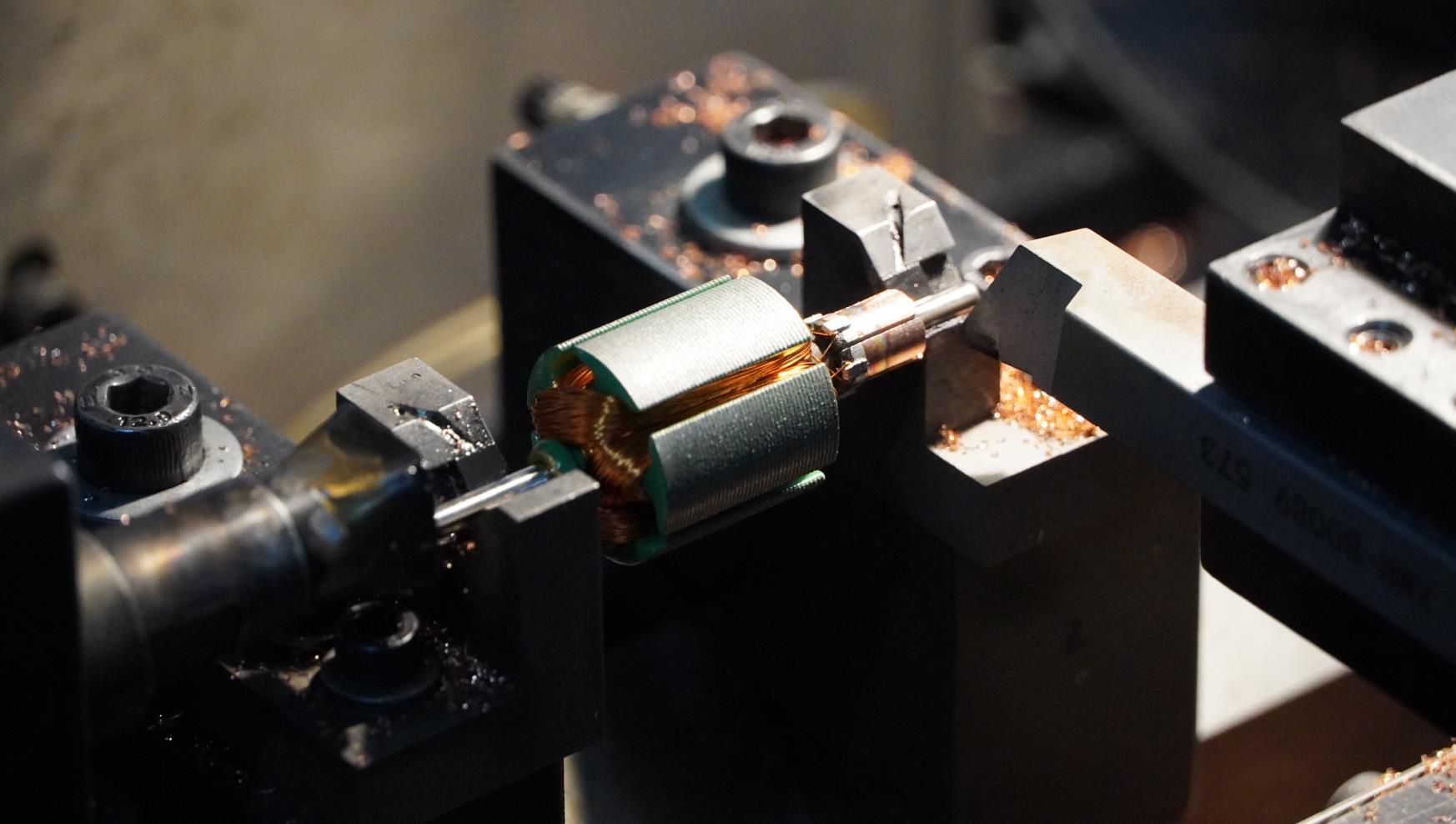
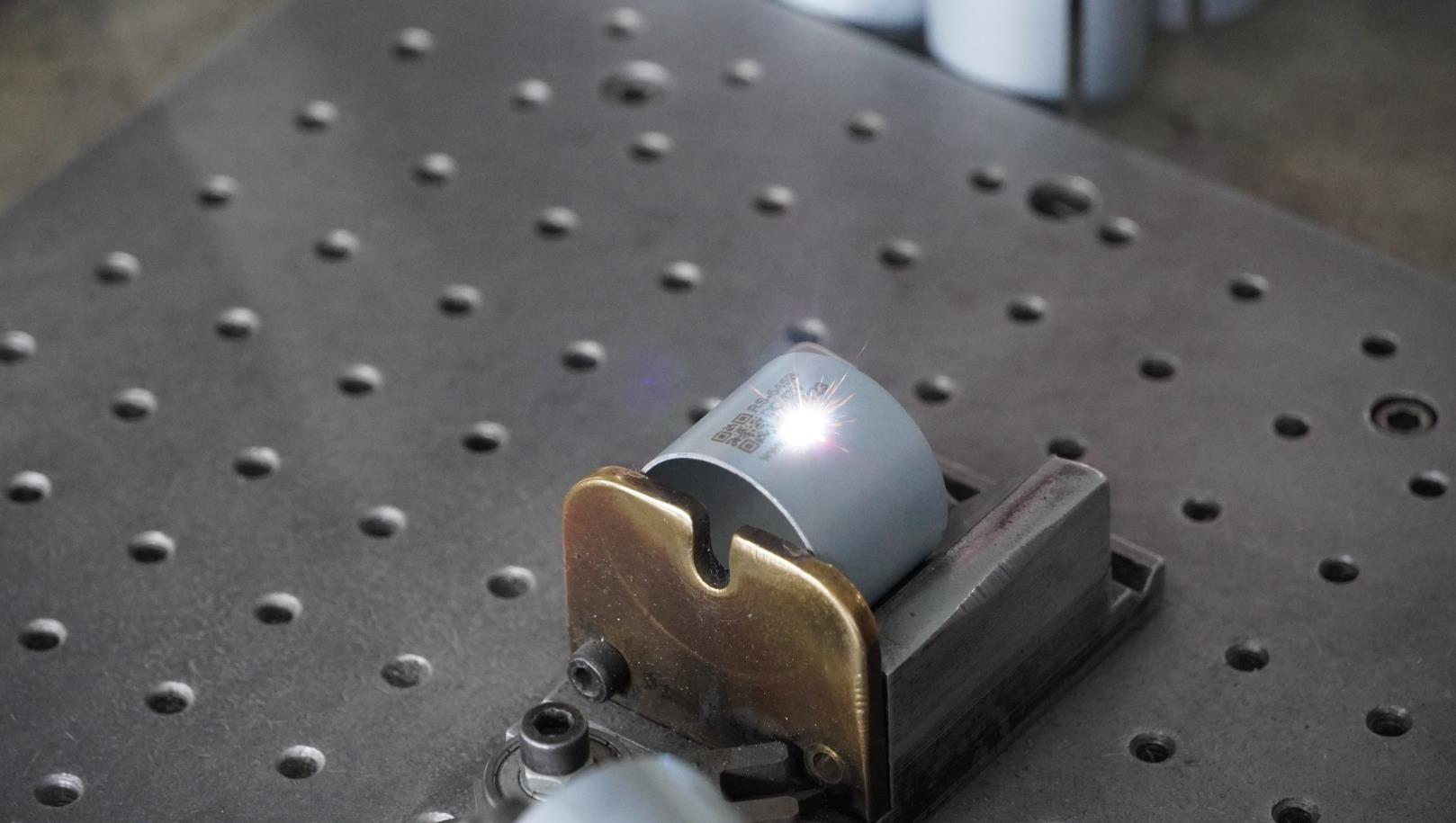
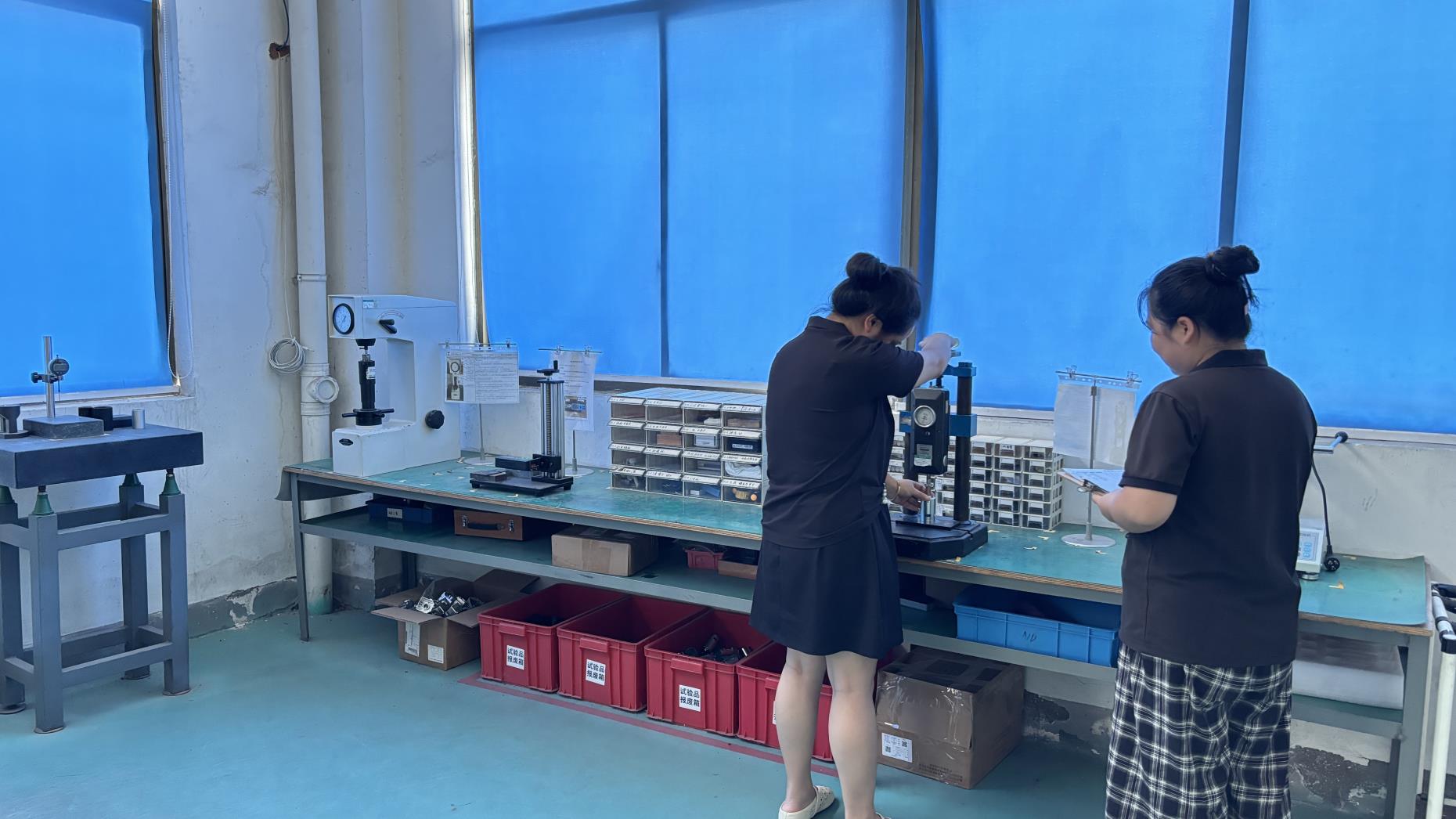
At TQC Micromotor, our production floors utilize state-of-the-art winding technology, spot welding machines, and CNC lathing systems. The manufacturing workflow is strictly monitored from stator assembly to final acoustic testing in dedicated silent rooms. By using automated diagnostic systems, we inspect every rotor for turn-to-turn insulation defects, dynamic balance anomalies, and commutator precision before final assembly. This level of quality assurance ensures that our motors operate reliably under heavy workloads and varying environments.
Computerized tension control systems lay copper wire with exact slot-fill optimization, preventing hot spots and ensuring balanced winding resistance across all poles.
By detecting sub-milligram weight imbalances, our automatic balancing equipment modifies rotor profiles to eliminate high-speed vibration and bearing wear.
Diamond-tooled lathe systems smooth the copper-commutator interface, reducing brush friction, arc discharges, and electromagnetic interference (EMI).
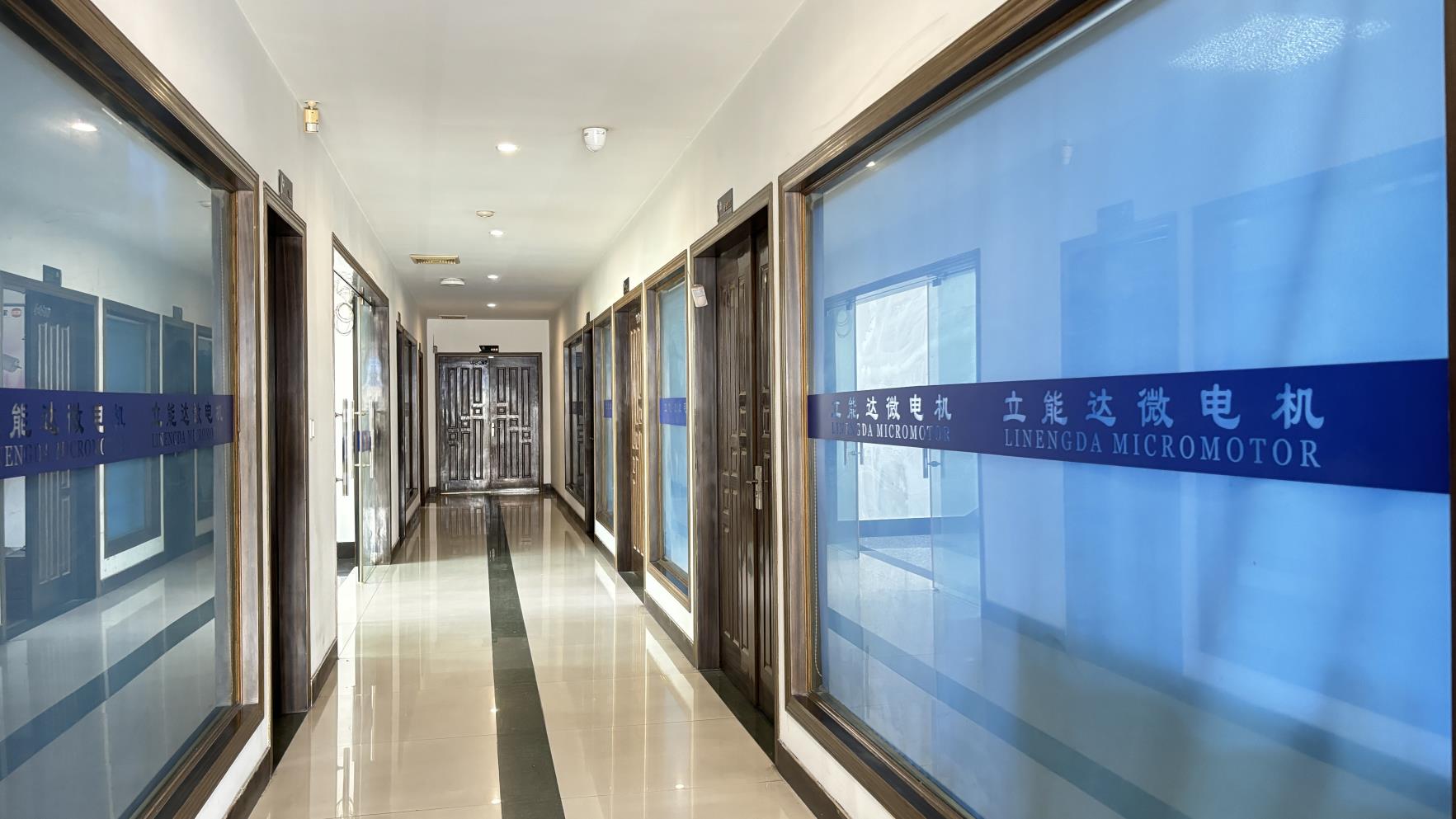
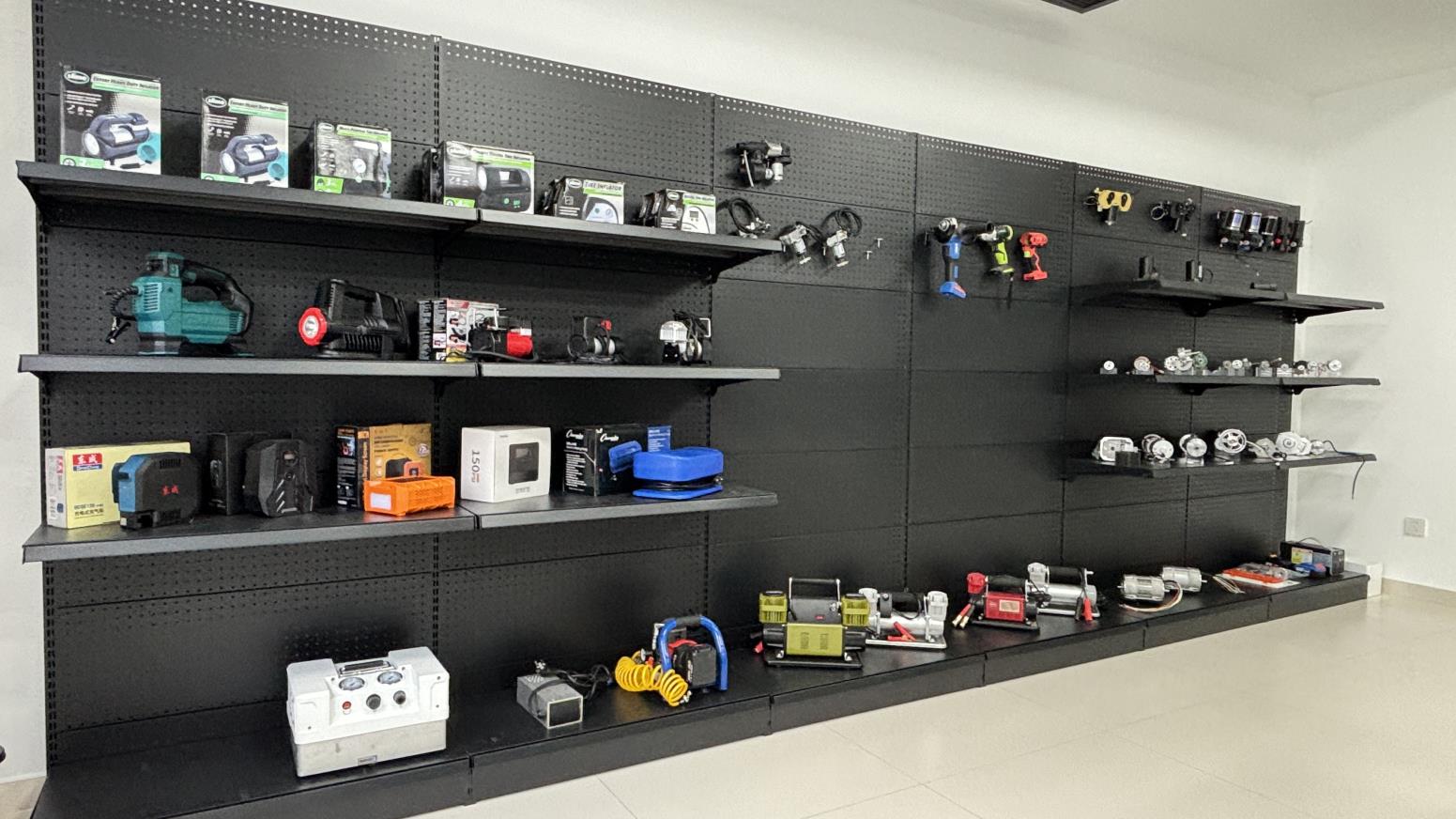
Explore the steps within our certified facility where raw materials are turned into precision micro-drives.
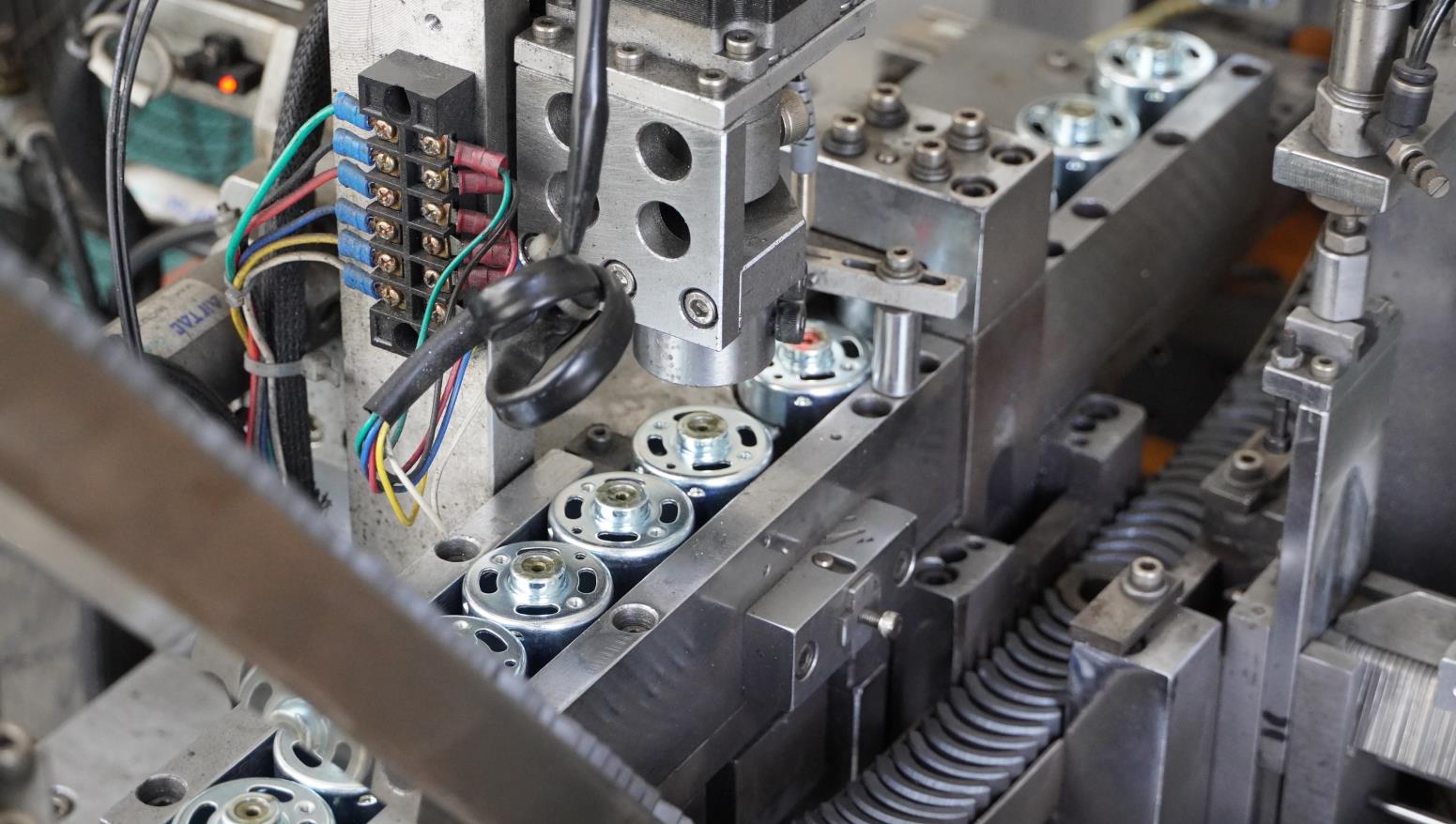
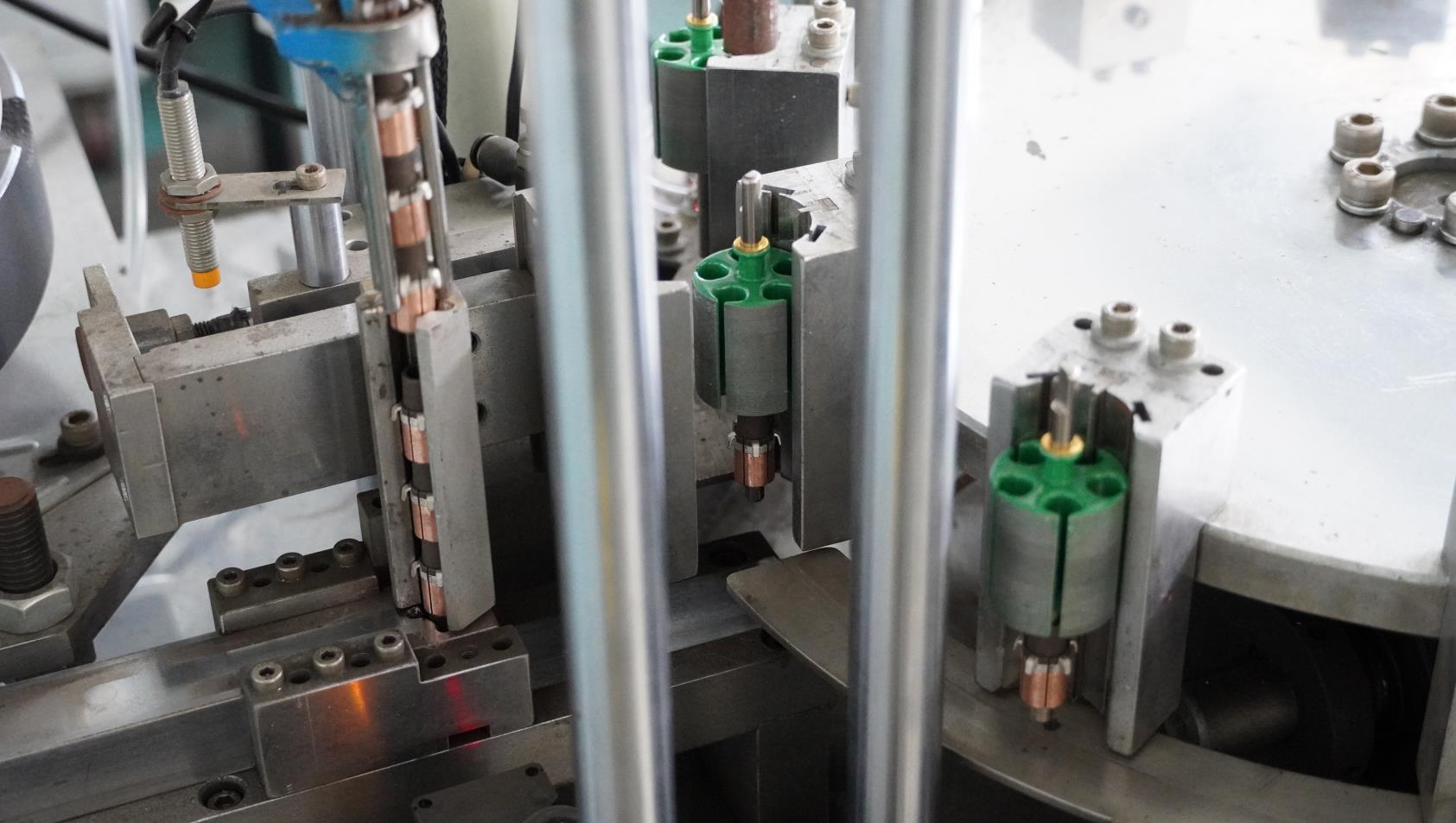
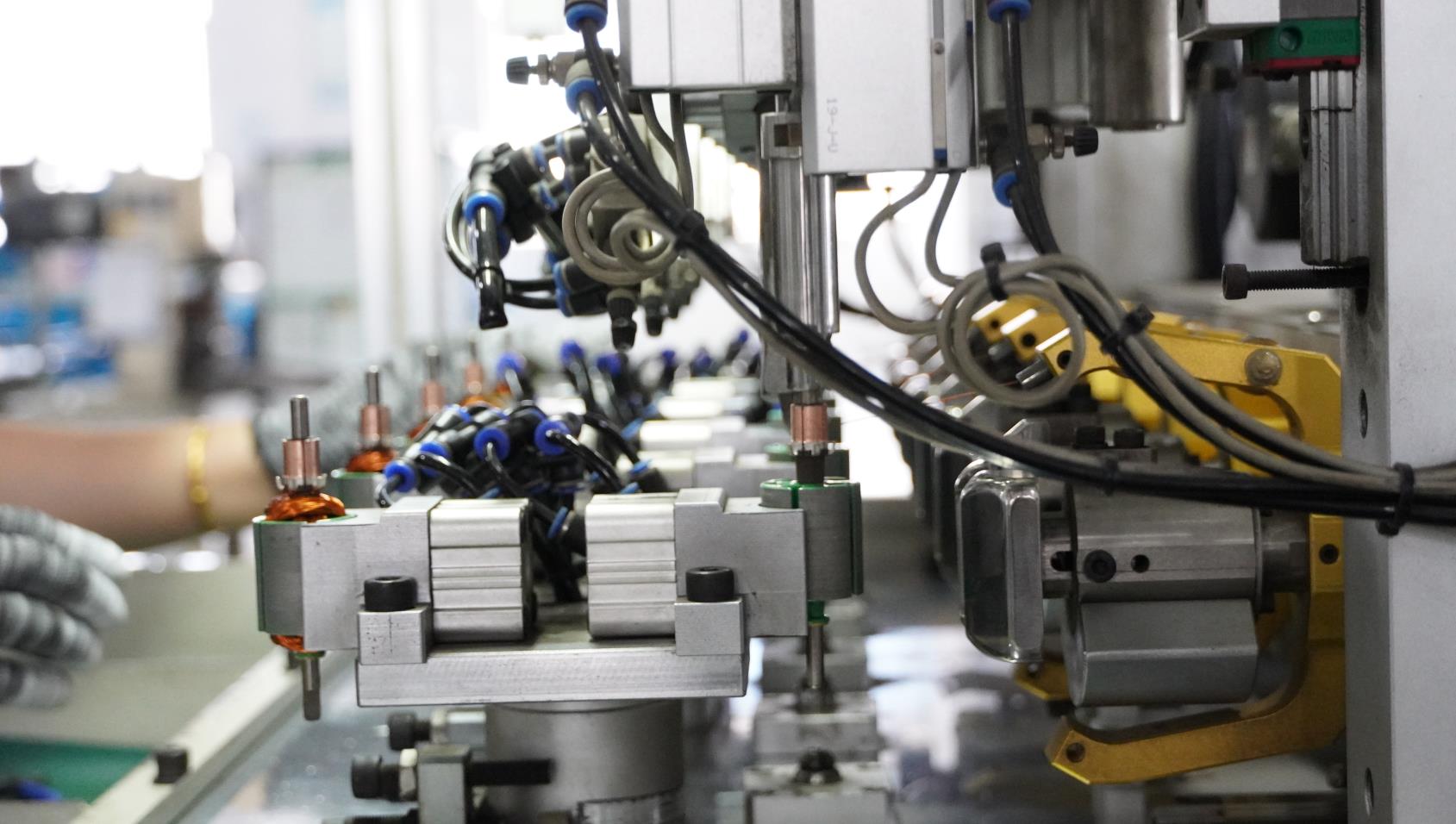
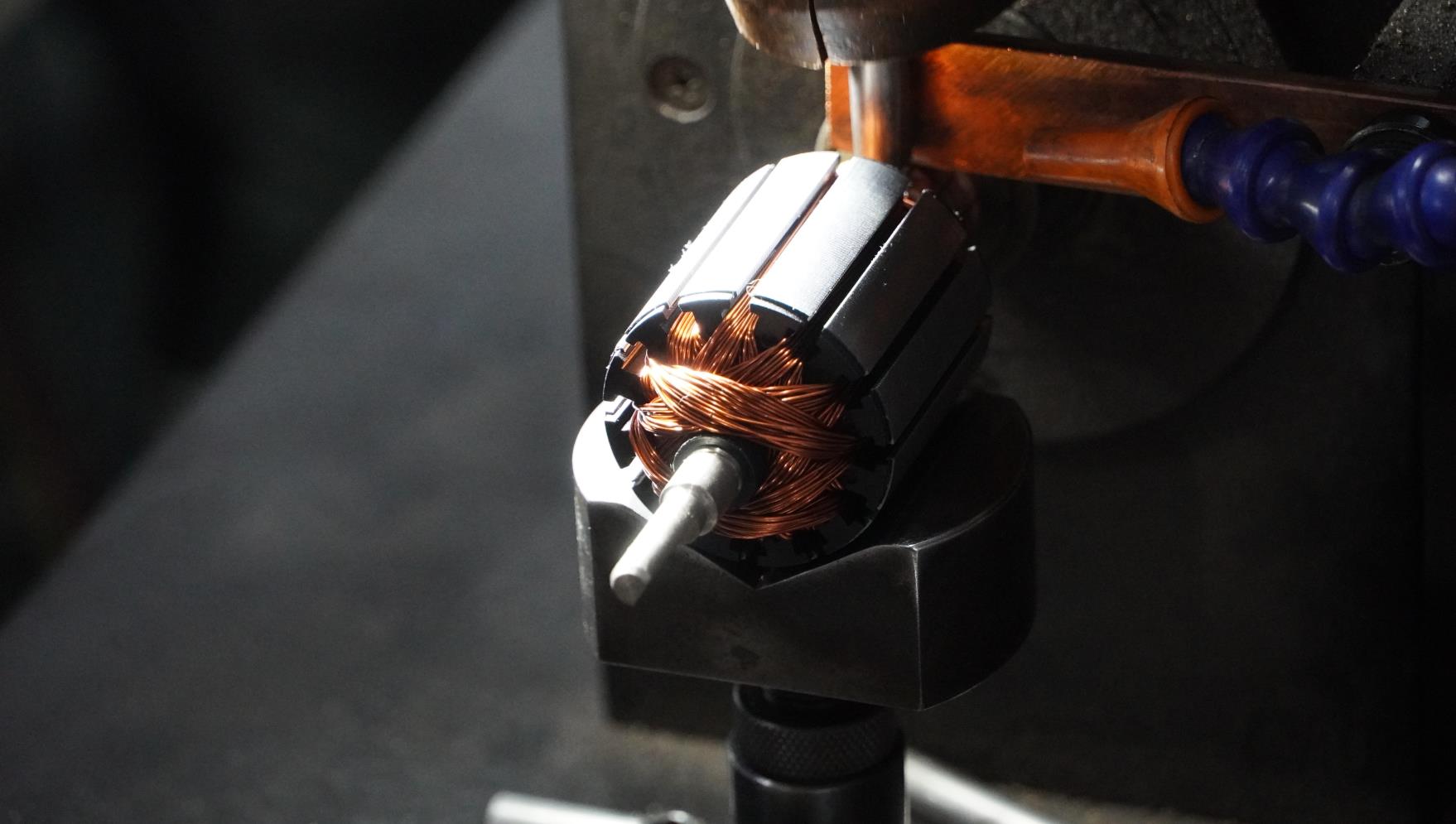
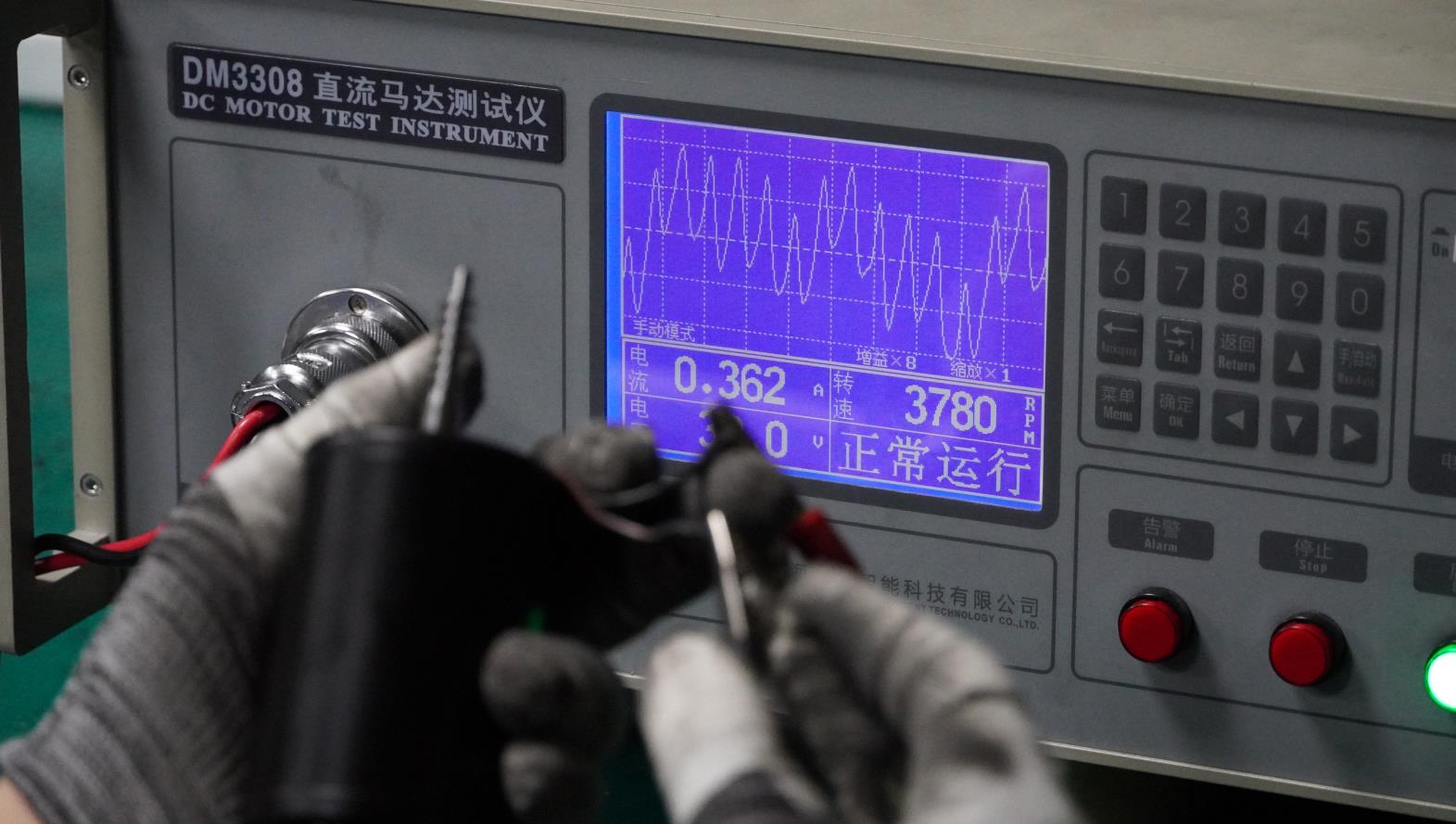
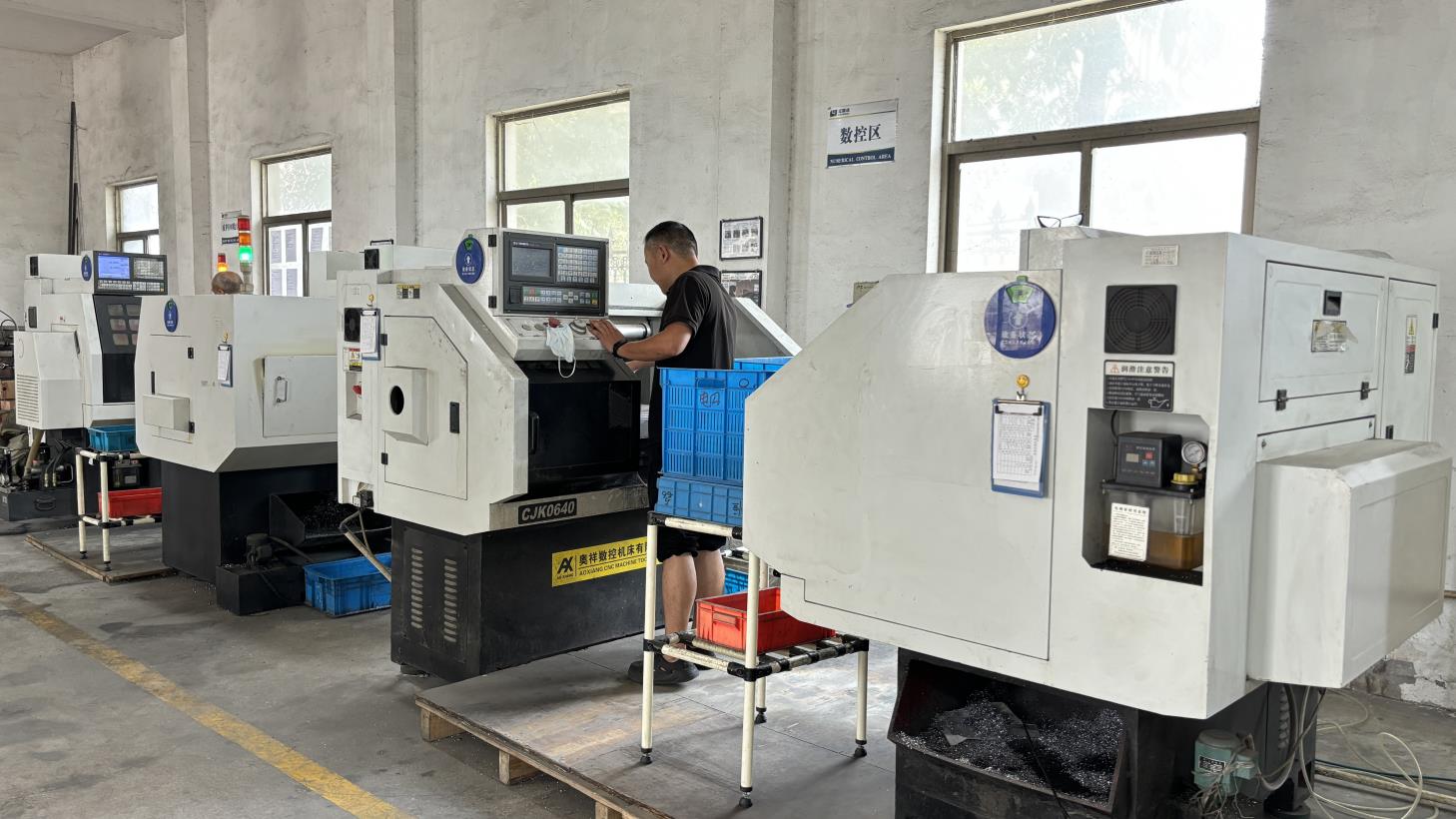
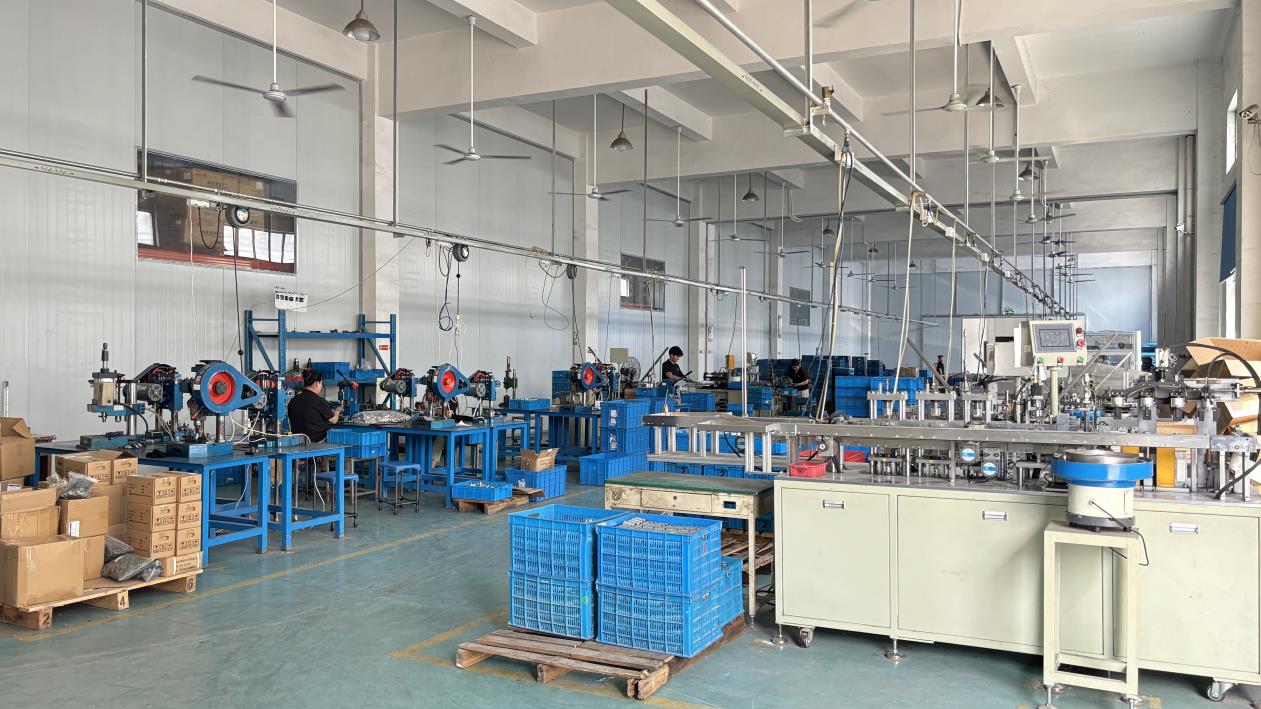
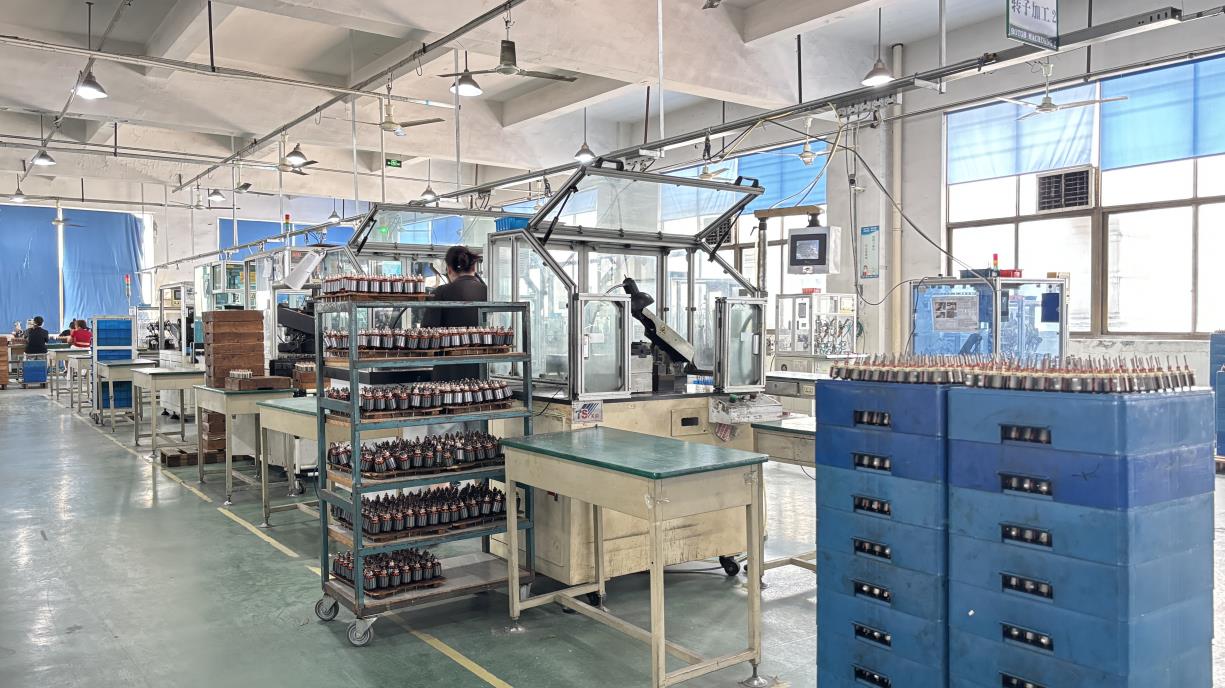
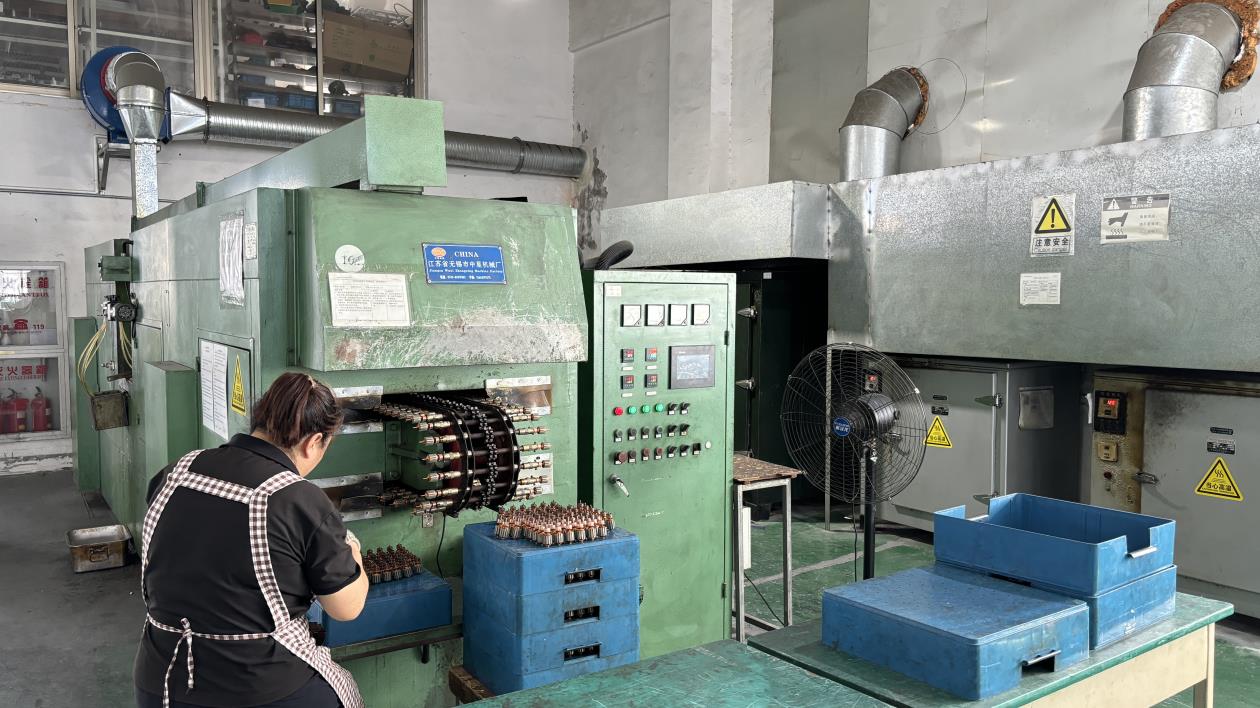
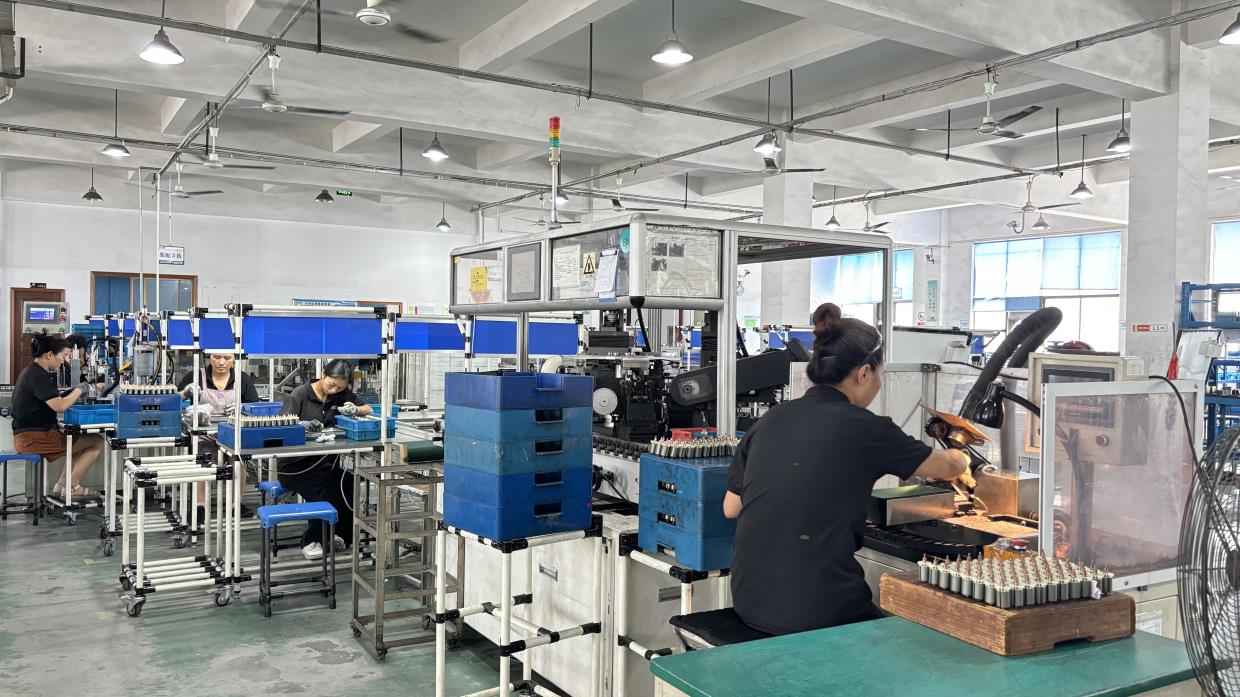
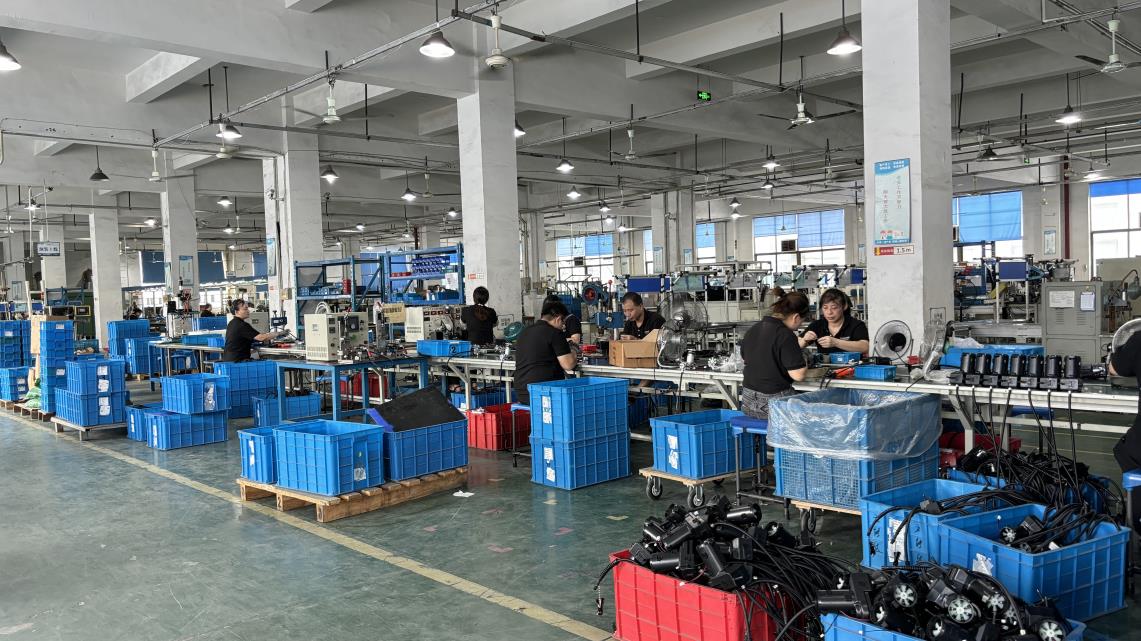
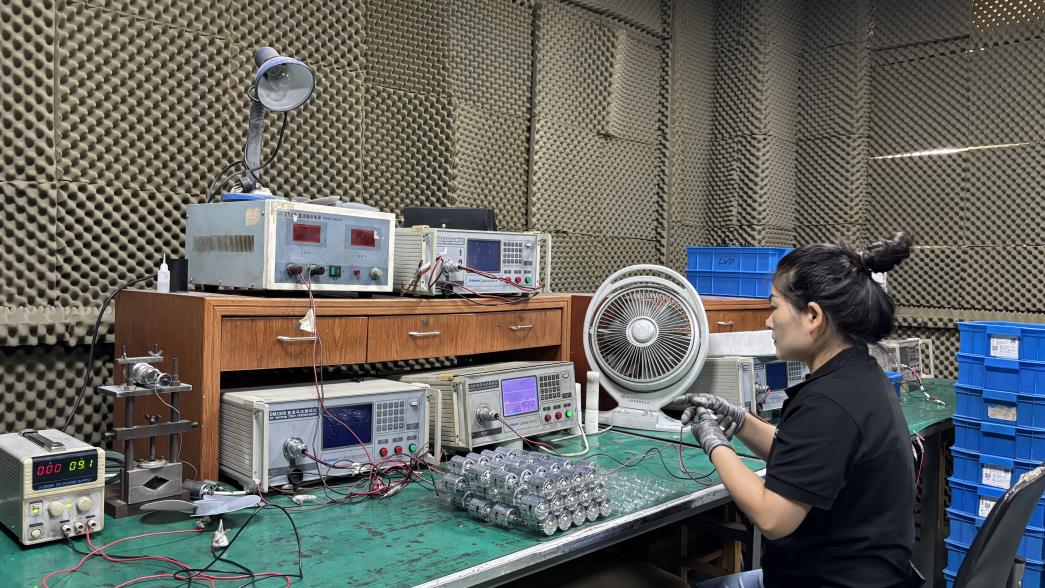

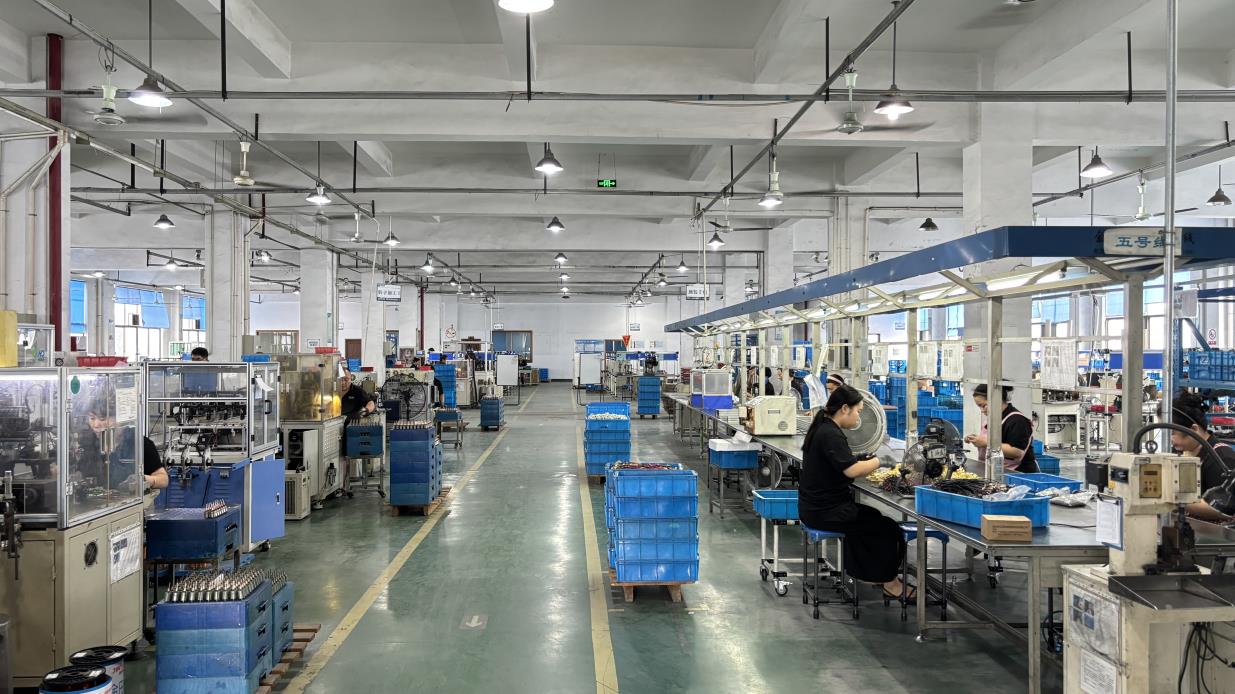
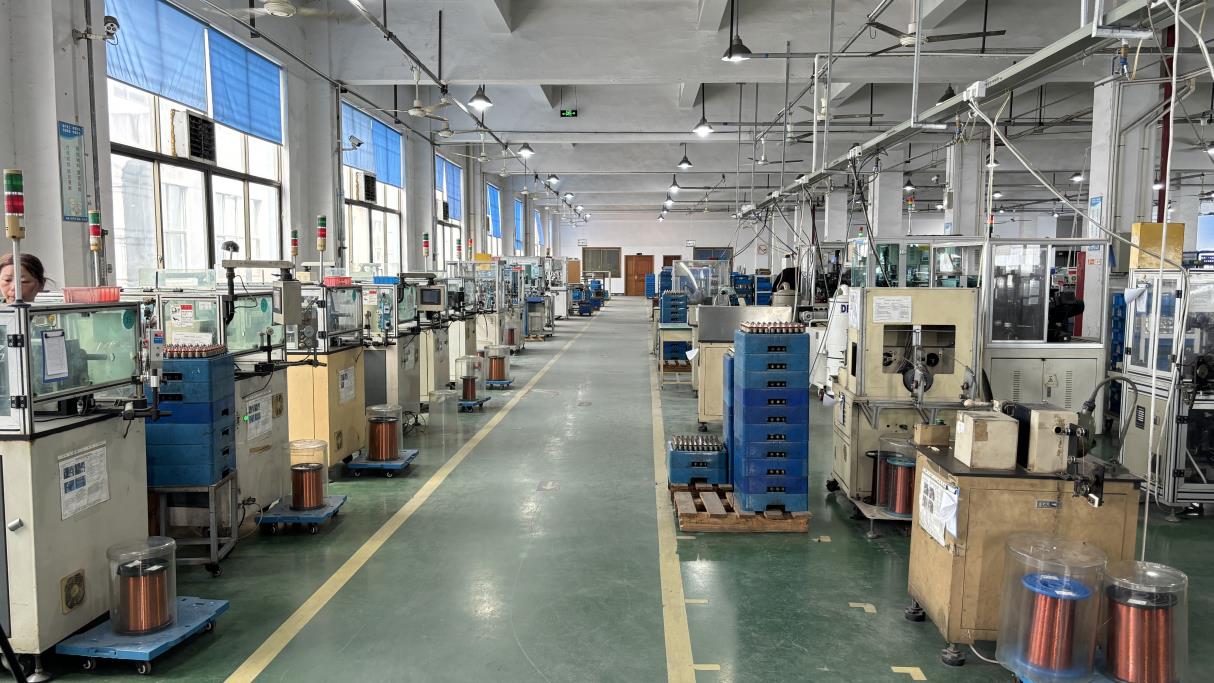
Industrial clients rarely find an off-the-shelf motor that fits their application perfectly. Variations in mounting profiles, shaft dimensions, input voltage ranges, speed curves, and thermal tolerances require a collaborative design approach. TQC Micromotor functions as a strategic R&D partner, helping engineers translate specifications into cost-effective production designs.
Our ODM/OEM capabilities cover several key areas:
TQC micro-drive systems are utilized across various industries:
1. Smart Home Automation: Modern residential vacuum cleaners, robotic floor sweeps, smart curtains, and motorized blinds demand high reliability in a small footprint. Standard micro-brushed PMDC motors (like our 42mm and 28mm frame sizes) provide the necessary high starting torque for vacuums and silent gear reduction systems for automated drapes.
2. Automotive Actuators: Automotive systems rely on micro-drives for door locks, mirror positioning, seat adjustments, and HVAC dampers. These applications require long duty cycles, resistance to temperature extremes, and stable operations under variable loads.
3. Marine and Outdoor Applications: Outdoor systems, such as marine thrusters, motorized boat hatches, and water pumping installations, require corrosion-resistant shafts and sealed enclosures to protect against dust, salt, and humidity.
Key technical and logistical information to assist with your next sourcing evaluation.
Explore our full line of brushed, geared, and custom permanent magnet solutions for international markets.