TQC Micromotor TQC Micromotor

What Are the Top Mini DC Motor Suppliers Worldwide?

Time:2026-09-06 Author:Sophia
0%

Mini DC Motor suppliers sit at the intersection of precision engineering, automation, consumer electronics, medical devices, and mobility. Industry research supports this expanding role. MarketsandMarkets’ DC Motor Market report projects growth from approximately USD 18.7 billion in 2023 to USD 29.2 billion by 2028, reflecting strong demand across industrial and commercial applications. Grand View Research also identifies automation, robotics, and compact electronic products as important growth areas for small motor technologies.

The market is crowded.

Leading names include Nidec, Mabuchi Motor, maxon, FAULHABER, Portescap, and Johnson Electric. Their strengths differ. Some focus on high-volume automotive production. Others specialize in low-noise medical equipment, robotic joints, or miniature gearmotor assemblies. A practical supplier comparison should examine torque consistency, operating voltage, efficiency, brush life, gearbox accuracy, customization, and documented quality systems. ISO 9001 certification can support confidence, but it does not replace application testing. Engineers should still inspect samples under real load, temperature, and duty-cycle conditions.

Reports from Fortune Business Insights and Technavio indicate continuing demand for compact motors in automation and portable devices. However, public reports rarely separate Mini DC Motor shipments from broader DC motor categories. That limitation matters. A supplier may appear large while offering limited miniature production capacity. Therefore, this guide evaluates suppliers through technical capability, manufacturing scale, regional support, lead times, and evidence of dependable performance. The “top” choice is not always the biggest. Sometimes, the better partner is the one that answers a detailed drawing quickly and delivers consistent samples.
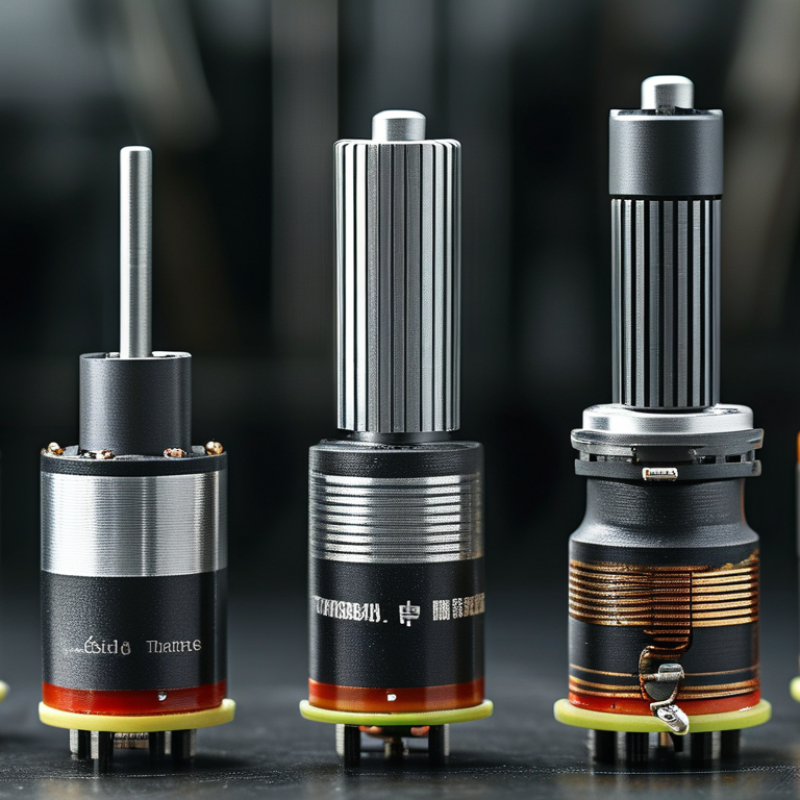
What Are the Top Mini DC Motor Suppliers Worldwide?

What Is a Mini DC Motor and Where Is It Used?

What Are the Top Mini DC Motor Suppliers Worldwide?

What Is a Mini DC Motor and Where Is It Used?

A mini DC motor converts electrical energy into rotary motion through magnetic fields. Its small cylindrical body may power a camera lens, valve, toy, medical pump, or compact ventilation fan. Common versions use brushed or brushless designs. Brushed motors usually cost less, while brushless motors offer longer service life and quieter operation.

The word “mini” is not precise. In engineering practice, designers often define these motors by diameter, voltage, torque, speed, and duty cycle. A 6 mm motor may rotate a precision mechanism, while a 24 mm motor may drive a small pump. The International Energy Agency reports that electric motor systems account for roughly 40% of global electricity consumption, showing why efficiency matters even in small devices. Small losses multiply across millions of products.

Market research also signals strong demand. Grand View Research estimates that the global brushless DC motor market was valued at more than USD 20 billion in 2023, with continued growth expected through the decade. Supplier evaluation should include measured torque curves, stall-current data, thermal tests, noise results, and traceable quality records. I have found that catalog ratings can look impressive but hide short duty cycles. That deserves caution. Custom shafts, connectors, gearboxes, and sampling support often matter more than the lowest quoted price. Relevant sources include the International Energy Agency’s motor-system analysis and Grand View Research’s brushless DC motor market report.

What Are the Top Mini DC Motor Suppliers Worldwide?

What Is a Mini DC Motor and Where Is It Used?

A mini DC motor is a compact electric motor that converts direct-current electrical energy into rotational motion. Common applications include toys, portable mechanisms, small robots, pumps, fans, automotive actuators, and compact industrial equipment.

The chart shows representative nominal voltage classes commonly used in mini DC motor applications. Actual motor specifications vary by design, load, speed, torque, and control requirements.

What Qualities Define a Leading Mini DC Motor Supplier?

What Qualities Define a Leading Mini DC Motor Supplier?

A leading mini DC motor supplier begins with measurable engineering, not attractive promises. Its technical team should provide torque-speed curves, operating voltage ranges, current data, and expected brush life. These details help engineers match a motor with a small pump, valve, robot joint, or handheld mechanism.

Practical experience matters during selection. A dependable supplier tests samples under realistic loads, not only at no-load speed. It checks vibration, startup behavior, noise, temperature rise, and stall current. Production records should identify materials, assembly dates, inspection results, and design revisions. Traceability builds confidence when a small motor fails inside a finished product.

Communication also reveals supplier quality. Engineers should receive clear drawings, tolerance limits, shaft options, connector details, and honest delivery estimates. Customization is useful, but careless changes can damage reliability. A longer shaft may improve installation while increasing vibration. I have seen teams focus on price and overlook gearbox alignment.

That mistake is common.

A serious supplier discusses these risks before mass production. It offers samples from normal production lines, supports verification testing, and responds with evidence rather than vague assurances. Certifications may support credibility, but they cannot replace testing. Even experienced suppliers can miss a problem, especially when application conditions change. Open technical dialogue, documented quality controls, and responsive after-sales support remain stronger indicators than polished sales language.

Who Are the Top Mini DC Motor Suppliers Worldwide?

Who are the top mini DC motor suppliers worldwide? The strongest suppliers are usually specialized manufacturers, integrated motion-control companies, and high-volume OEM producers. They serve medical instruments, robotics, office equipment, toys, automotive actuators, and portable devices. Their advantages differ: some offer extremely small diameters, while others provide higher torque, longer brush life, or faster customization.

Industry rankings are not completely consistent. Grand View Research estimates the global DC motor market will expand steadily through 2030, with demand supported by industrial automation and consumer electronics. MarketsandMarkets also identifies compact motors, efficient designs, and customized motion systems as major growth areas. However, these reports often combine miniature, fractional-horsepower, brushed, and brushless products. That makes direct supplier comparisons imperfect.

A reliable worldwide supplier should publish torque-speed curves, no-load current, stall current, efficiency, noise data, and operating-life results. Suppliers with ISO 9001 systems, traceable testing, and documented material controls deserve closer attention. Regional production capacity matters too. A motor may perform well in a laboratory but fail after dust, vibration, or repeated start-stop cycles. Experienced buyers should request samples, inspect winding quality, and compare measured data with the datasheet. Cost alone is weak evidence. Sometimes, the cheapest quotation hides inconsistent magnets or limited after-sales engineering. The better choice is often the supplier that explains limitations clearly, even when the answer is inconvenient.

How Do Global Suppliers Compare in Products and Capabilities?

Global mini DC motor suppliers differ less by catalog size than by engineering depth. A strong supplier may offer brushed, brushless, gearhead, and coreless designs. Typical miniature products range from low-voltage motors for toys to precision units for medical tools, pumps, and compact actuators. Buyers should compare rated voltage, no-load speed, stall torque, noise, lifetime, and thermal behavior. A small motor can look powerful on paper. It may still overheat inside a sealed enclosure.

The IEA reports that motor-driven systems consume roughly 46% of global electricity. This figure explains why efficiency, control quality, and operating life matter, even in miniature equipment. Suppliers with in-house winding, balancing, gear assembly, and endurance testing usually provide more consistent performance. Independent laboratory testing also strengthens credibility. Look for documented measurements, not optimistic curves. Some suppliers publish only peak values, which makes comparison weak.

Customization separates capable suppliers from simple distributors. Useful capabilities include rapid prototypes, shaft changes, encoder integration, connector options, and automated production inspection. The global DC motor market is projected to expand steadily, according to Grand View Research, supported by automation, mobility, and consumer electronics demand. Yet growth does not guarantee quality. A lower unit price may hide higher vibration, wider tolerances, or difficult replacement planning. That is where many purchasing teams misjudge risk. Comparing samples under identical loads is more reliable than reading catalog claims alone. Supplier transparency remains uneven.

How Can Buyers Choose the Right Mini DC Motor Supplier?

Choosing the right mini DC motor supplier starts with the application, not the catalog.

Define the required voltage, speed, torque, duty cycle, and installation space. Include the real load, not only the ideal laboratory load. A motor may spin well without resistance, then overheat inside a compact device. Ask suppliers for measured performance curves, tolerance data, and sample test results. Small differences matter. Confirm brush life, bearing quality, noise levels, and operating temperature. Request samples from the same production process used for future orders.

Supplier evaluation should include engineering support and quality control. Can the team explain winding choices, gear reduction, and stall-current risks clearly? Can it provide inspection records and traceable batch information? Reliable suppliers usually answer specific questions with evidence, rather than broad promises. Check communication speed, revision control, packaging methods, and response plans for failed samples. Test it loaded. That step is often skipped.

Price deserves careful review. Compare tooling fees, minimum order quantities, lead times, replacement policies, and shipping protection. A low quote can hide inconsistent tolerances or expensive redesign work. Use a simple scorecard, but do not trust it blindly. No scorecard is perfect. A supplier may pass an initial audit and still struggle during volume production. Run a pilot batch, measure noise and temperature, then repeat testing after extended cycles. Keep records, challenge assumptions, and leave room for one uncomfortable finding.

FAQS

: What technical data should a mini DC motor supplier provide?

: The supplier should provide torque-speed curves, voltage ranges, current data, brush life, and temperature limits. Clear numbers matter.

Why should motors be tested under realistic loads?

No-load speed can hide overheating, vibration, weak startup performance, and excessive stall current. Test the actual workload.

What production records indicate reliable quality control?

Useful records include material details, assembly dates, inspection results, and design revision histories. Traceability reduces uncertainty.

How can buyers evaluate communication quality?

Suppliers should explain drawings, tolerances, shaft sizes, connectors, delivery estimates, and technical risks clearly. Vague answers are warning signs.

What customization options may improve a motor application?

Common options include shaft changes, connector adjustments, encoder integration, gear assemblies, and rapid prototypes. Changes need testing.

What problems can careless customization create?

A longer shaft may simplify installation but increase vibration or alignment stress. Small changes can create large problems.

How should buyers compare different mini DC motors?

Compare samples using identical loads, voltage, duty cycles, noise limits, and temperature conditions. Catalog claims alone are insufficient.

Do certifications guarantee motor reliability?

Certifications support credibility, but they cannot replace application testing and endurance checks. Even experienced suppliers can miss problems.

What capabilities suggest stronger manufacturing consistency?

In-house winding, balancing, gear assembly, automated inspection, and endurance testing usually improve consistency. Nothing is perfect.

Why does efficiency matter in miniature motors?

Motor-driven systems consume substantial electricity globally, making efficiency, control quality, and service life important. Small motors still waste energy.

Conclusion

A Mini DC Motor is a compact electric device that converts direct current into mechanical motion, making it suitable for applications such as consumer electronics, medical instruments, smart home products, toys, automation equipment, and portable machinery. Its small size, efficient performance, controllable speed, and reliable operation allow engineers to integrate it into products where space and energy consumption are limited.

Leading Mini DC Motor suppliers are distinguished by consistent quality, precise manufacturing, customization capabilities, technical support, and dependable delivery. Global suppliers may differ in motor types, torque ranges, voltage options, production capacity, testing standards, and ability to develop solutions for specialized applications. Buyers should compare product specifications, operating life, efficiency, noise levels, sample quality, certification, communication, pricing, and after-sales service before making a decision. The right supplier should offer a balanced combination of performance, reliability, flexibility, and long-term cooperation value while matching the buyer’s technical and commercial requirements.

Sophia

Sophia

Sophia is a dedicated marketing professional with an exceptional depth of knowledge about her company's products and services. With a keen understanding of market trends and customer needs, she crafts insightful blog posts that not only inform but also engage readers, enriching the company’s online......