TQC Micromotor TQC Micromotor

Top Micro Electric Motor Applications for Global Buyers?

Time:2026-06-19 Author:Charlotte
0%

Micro Electric Motors are essential components across various industries. Their compact size and efficiency make them ideal for modern applications. Many global buyers seek these motors for diverse uses, including automotive, aerospace, and consumer electronics.

In the automotive sector, Micro Electric Motors enhance vehicle functionalities. These motors power window mechanisms, seat adjustments, and even climate controls. Their reliability is crucial, yet buyers often face challenges in sourcing quality products.

Aerospace applications rely on precise performance. Micro Electric Motors control critical systems, ensuring safety and efficiency. Buyers must navigate a complex market to obtain motors that meet stringent standards. Understanding these dynamics helps in making informed purchasing decisions.
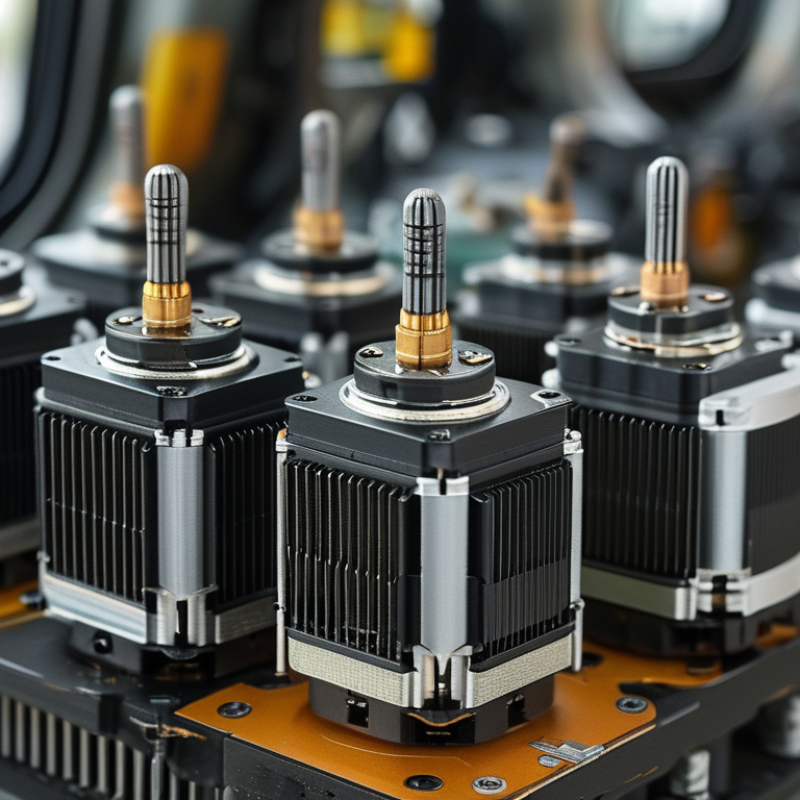
Top Micro Electric Motor Applications for Global Buyers?

Top Micro Electric Motor Applications Across Various Industries

Micro electric motors have found diverse applications across various industries, showcasing their versatility and efficiency. In healthcare, these tiny motors power medical devices like surgical instruments and imaging equipment. Their precision enhances patient outcomes, while compact size allows for seamless integration. This shift towards miniaturization creates new challenges—manufacturers must balance performance with durability.

In the automotive sector, micro electric motors drive small systems such as window regulators and seat adjusters. These components enhance user experience while optimizing energy consumption. However, the reliance on advanced materials prompts questions about ongoing sustainability. Adapting production practices remains essential for environmental responsibility.

For consumer electronics, these motors enable smooth operation in gadgets like drones and smartphones. They contribute to innovations that make devices smaller and more efficient. Still, the rapid pace of technology leads to frequent changes in design and function. Keeping up with trends demands agility from manufacturers, pushing the limits of micro motor technology.

Key Features and Benefits of Micro Electric Motors in Different Sectors

Micro electric motors are revolutionizing various industries with their small size and efficiency. These motors are essential in sectors like automotive, healthcare, and robotics. Their lightweight nature allows for compact designs, enabling manufacturers to innovate without constraints. The precision of micro electric motors facilitates high performance in applications such as medical devices and precision instruments.

In automotive applications, micro motors drive systems like power windows and mirror adjustments, enhancing user experience. Their reliability and durable construction reduce maintenance costs over time. In the healthcare domain, these motors power miniature pumps and tools, crucial for life-saving equipment. The ability to operate efficiently at low power increases device usability while minimizing energy consumption.

When considering micro electric motors for your projects, pay attention to the specifications. Efficiency ratings and torque output are vital metrics. Don’t overlook the importance of proper installation. A poorly integrated motor can lead to subpar performance. Ensure your suppliers can demonstrate their expertise and reliability, as this will impact your product's success.

Market Trends and Growth Opportunities for Micro Electric Motors

Micro electric motors are transforming various industries, showcasing remarkable market trends. These small yet powerful devices are increasingly found in consumer electronics, automotive systems, and medical devices. Market demand for precise control and energy efficiency drives innovations in motor design. As industries strive for miniaturization, micro motors provide essential solutions, from robotics to HVAC systems.

Growth opportunities arise from advancements in technology. Emerging markets are keen on integrating micro electric motors into new applications. The rise of electric vehicles is an excellent example. Automakers are adopting micro motors for auxiliary systems, enhancing vehicle performance and efficiency. Furthermore, the demand for automation in manufacturing processes boosts the need for reliable micro motors.

However, challenges remain. Producers must focus on scalability and cost-effectiveness. The supply chain can also be a hurdle, impacting delivery timelines. These factors may influence market stability, requiring continuous assessment. Buyers should weigh these complexities while exploring innovative applications for micro electric motors, ensuring they remain at the forefront of technological evolution.

Challenges and Considerations in Choosing Micro Electric Motors

Choosing the right micro electric motor requires careful consideration. Buyers must assess various factors to ensure they select the most suitable model. One major challenge is the motor's size. Many applications require compact designs without compromising performance. This trade-off can be tricky. Buyers might encounter issues with torque and speed if the mismatch occurs.

Another consideration is efficiency. With rising energy costs, efficiency has become paramount. Motors should operate optimally to reduce energy consumption. However, higher efficiency often comes with a higher price tag. Buyers should balance initial costs with long-term savings. Performance requirements also pose challenges. Some applications may demand high precision or rapid response times. It’s essential to match the motor's capabilities with the application’s needs.

Quality and reliability also play significant roles in decision-making. Poor performance or early failures can lead to costly repairs and downtime. Ensuring the motor meets industry standards may require thorough research. Many buyers overlook the importance of supplier reputation. Engaging with experienced suppliers who understand technical specifications can significantly impact outcomes. This exploratory process may reveal findings that alter initial choices.

Future Innovations and Developments in Micro Electric Motor Technology

The advancements in micro electric motor technology are reshaping various industries. It is estimated that the micro motor market will reach $29 billion by 2027, growing at a compound annual growth rate of approximately 7.5%. This growth reflects a rising demand in sectors such as automotive, electronics, and home appliances.

Future innovations focus on enhancing efficiency and reducing the size of these motors. Companies are exploring new materials such as silicon carbide and advanced magnet technologies. These materials not only boost performance but also minimize energy consumption. For example, switching to more efficient designs can cut energy losses by up to 30%.

However, challenges remain. Regardless of these advancements, the increasing complexity of manufacturing processes raises questions about scalability and cost. Engineers are tasked with balancing performance and affordability, which is no small feat. As micro electric motors become integral to smart technologies and automation, the ongoing development must address these pressing issues.

FAQS

: What are micro electric motors used for in healthcare?

: They power medical devices like surgical tools and imaging equipment, enhancing precision and patient outcomes.

How do micro electric motors impact the automotive sector?

They drive systems like window regulators and seat adjusters to improve user experience and energy efficiency.

What challenges arise from using micro electric motors?

Manufacturers face difficulties balancing performance with durability, especially as miniaturization continues to evolve.

Why is efficiency important when choosing a micro electric motor?

Rising energy costs make efficiency vital. Buyers must consider how it affects both initial costs and long-term savings.

What should buyers assess when selecting a micro electric motor?

Factors include size, performance requirements, efficiency, and the motor's compatibility with the intended application.

How does market demand influence micro electric motor design?

Demand for precise control and energy efficiency drives innovative designs and applications across various industries.

What role does supplier reputation play in choosing a micro electric motor?

Experienced suppliers can provide insights that significantly affect choices, yet many buyers overlook this aspect.

How can emerging markets impact micro electric motor applications?

They are enthusiastic about integrating micro motors into new technologies, particularly in electric vehicles and automation.

What risks do manufacturers face in the micro electric motor market?

Challenges like scalability, cost-effectiveness, and supply chain stability can influence market dynamics and delivery timelines.

What is a common flaw buyers might make in their selection process?

Overlooking motor specifications or the potential for early failures, which can lead to costly repairs and operational downtime.

Conclusion

Micro Electric Motors are increasingly becoming essential components across various industries due to their compact size and high efficiency. They find applications in sectors such as consumer electronics, automotive, and healthcare, where precision and performance are crucial. With the ability to enhance product functionality and reduce energy consumption, these motors offer significant benefits, making them a preferred choice for manufacturers looking to innovate.

The market for Micro Electric Motors is witnessing robust growth driven by advancements in technology and a rising demand for automation. However, potential buyers must navigate challenges such as selecting the right motor for specific applications, considering factors like torque, speed, and sustainability. Looking ahead, innovations in Micro Electric Motor technology promise to further expand their applications, paving the way for smarter and more energy-efficient solutions in the future.

Charlotte

Charlotte

Charlotte is a seasoned marketing professional with a deep understanding of the company's portfolio and a passion for elevating its presence in the market. With a keen eye for detail and a commitment to excellence, she ensures that our professional blog is regularly updated with insightful articles......