TQC Micromotor
In recent years, the demand for gear motors has surged due to advances in automation and robotics. A gear motor combines the functions of a motor and a gearbox, providing high efficiency in converting energy. According to a report by MarketsandMarkets, the global gear motor market is projected to reach USD 25.5 billion by 2025, growing at a CAGR of 5.6%. This trend drives many global buyers to explore options from China, where manufacturing capabilities are robust.
Chinese manufacturers offer a variety of gear motors, known for their competitive pricing and innovative designs. However, challenges exist. Quality control can vary significantly, raising concerns for buyers dependent on consistency. Collaboration with reputable suppliers is crucial for ensuring reliability. Though the potential for saving costs is appealing, buyers must navigate these risks wisely.
The complexity of selecting the right gear motor demands careful consideration of specific project needs and efficiency standards. Missteps can lead to operational inefficiencies and increased costs in the long run. In seeking the best gear motors from China, buyers should balance cost savings with quality assurance to make informed decisions.
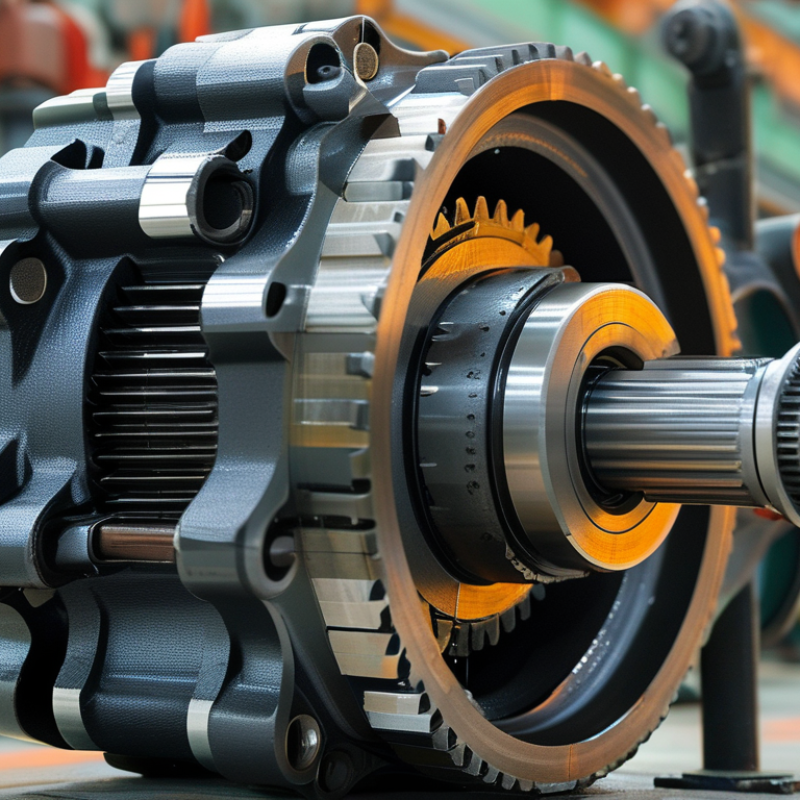
Gear motors play a crucial role in various industries. They combine the functions of a motor and a gearbox, optimizing torque and speed. By adjusting these parameters, gear motors enhance machinery performance in manufacturing, robotics, and automation. The importance of these motors cannot be overstated.
In industrial settings, gear motors are essential for driving conveyor belts and cranes. They ensure reliability and precision, contributing to overall efficiency. However, not all gear motors are created equal. Some may have design flaws or inadequate power ratings, leading to performance issues. Buyers must be vigilant and consider their specific needs and applications before making a purchase.
Moreover, the selection of gear motors involves understanding torque requirements and speed ratios. Miscalculations can result in machine failures or inefficiencies. Working with experts can provide valuable insights, helping to navigate these complexities. Ultimately, the right gear motor can dramatically impact operational success, but making informed choices is vital.
When selecting gear motors, specific features play a crucial role.
Consider the output torque; it determines how much work a motor can perform. A high torque rating is essential for demanding applications, making the motor more effective. Equally important is the gear ratio. It impacts speed and efficiency. A well-optimized gear ratio can enhance performance while minimizing energy loss.
Another key aspect is the motor’s build quality. Durable materials contribute to reliability and longevity. Look for motors with corrosion resistance, especially for harsh environments. Pay attention to the motor’s noise level as well. While some operations may tolerate noise, quieter motors are often preferred for sensitive environments.
Finally, consider the motor's size and weight. Compact designs save space and ease installation. However, smaller motors might compromise power, necessitating a careful balance. Reflecting on these features helps in making informed choices, ensuring that the selected gear motor meets specific needs without overspending.
When exploring the gear motor market, Chinese manufacturers stand out for their innovative designs and reliability. Numerous companies focus on producing high-quality gear motors for various applications. Some manufacturers excel in precision engineering, while others prioritize cost-effectiveness. It’s crucial for buyers to assess their specific needs before choosing a supplier.
In evaluating these manufacturers, it’s essential to consider their production capabilities and quality control measures. Many firms maintain strict standards and invest in advanced testing equipment. However, some may still struggle with consistency across batches. Buyers should inquire about certifications and past performance. Requesting samples can also provide insight into a manufacturer's reliability.
Another aspect to reflect on is customer support. While many companies offer technical assistance and timely responses, experiences can vary. It’s beneficial to read reviews or testimonials from other clients. This helps potential buyers make informed decisions based on real-world experiences. Engaging with multiple suppliers fosters better choices tailored to specific requirements.
When selecting gear motors from China, it's vital to assess both performance and price. A recent industry report indicates that efficiency varies widely. High-quality gear motors typically achieve an efficiency rate of 85% to 90%. However, some options may fall below this threshold, impacting long-term operational costs.
The cost of gear motors largely depends on specifications and materials used. On average, buyers can expect prices to range from $50 to $300. Motors with advanced features or higher torque ratings will generally command higher prices. This price differential can complicate budgeting for manufacturers.
Tip: Always compare multiple suppliers. You can find significant differences in performance and price. Additionally, investing in more reliable motors can save money over time.
While many buyers prioritize low costs, focusing solely on price may lead to regrets. Performance issues might arise from low-quality motors. Poor performance translates into higher maintenance costs and reduced efficiency. Understand the balance between upfront costs and long-term reliability to make informed decisions.
The landscape of gear motor technology is evolving rapidly. Innovators are focusing on energy efficiency and compact designs to meet global demands. This shift is essential as industries seek sustainable solutions. As more manufacturers in China embrace modern technologies, buyers should take note of these trends.
Energy-efficient gear motors are gaining traction. These motors consume less power and produce less heat, improving overall performance. With the rise of automation, the demand for smaller, more powerful gear motors is increasing as well. Buyers should consider how compact designs can enhance their applications and save space.
**Tip:** Always assess energy consumption before purchasing. This approach can lead to significant savings over time.
Another trend is the integration of smart technologies into gear motors. Incorporating sensors and IoT capabilities allows for real-time monitoring. This enhances performance and longevity, and data analytics can optimize operations. However, these advancements may increase initial costs, which requires careful evaluation.
**Tip:** Evaluate the long-term return on investment for smart gear motors. Initial costs can be offset by increased efficiency.
As we look to the future, collaboration among manufacturers, engineers, and buyers will become even more crucial. Sharing insights and experiences can facilitate innovation, ultimately benefiting all parties involved. However, challenges remain, particularly around standardization and compatibility. It's vital to stay informed and adaptable in this fast-paced environment.
: Gear motors combine a motor and a gearbox, optimizing torque and speed for better performance.
They enhance machinery performance, ensuring reliability and precision in processes like manufacturing and automation.
Understand torque requirements and speed ratios. Miscalculations can lead to machine inefficiencies or failures.
Consider output torque, gear ratio, build quality, noise level, size, and weight for effective performance.
A well-optimized gear ratio enhances speed and efficiency while minimizing energy loss, leading to better results.
Durable, corrosion-resistant materials are essential, especially for motors used in harsh environments.
Evaluate their production capabilities, quality control measures, and consistency across batches before making a decision.
Good customer support aids in problem resolution. Experiences vary, so it’s wise to read reviews before choosing a supplier.
Yes, requesting samples allows buyers to gauge a manufacturer's reliability and product quality before purchasing.
Often, buyers overlook specific application needs, leading to unfit purchases and wasted resources.
Gear motors play a crucial role in various industrial applications, providing efficient power transmission and motion control. In the competitive landscape of manufacturing, understanding the key features and performance metrics of gear motors is essential for global buyers. This article outlines the significant attributes to consider when selecting gear motors, highlights leading manufacturers from China, and compares their performance and pricing.
Moreover, it discusses emerging trends and advancements in gear motor technology, offering insights into the future of this vital equipment in the industrial sector. By assessing these factors, potential buyers can make informed decisions that enhance operational efficiency and support their unique application needs.
