 TQC Micromotor
TQC Micromotor
TQC Micromotor
In the realm of automation and machinery, selecting the right Low Voltage DC Motor can significantly impact efficiency and performance. As industry expert Dr. Emily Clark, known for her extensive research on motor technologies, emphasized, “Choosing the right motor can either make or break your project's success.” This statement reflects the weight of expertise in this field and highlights the importance of informed decision-making.
Low Voltage DC Motors are pivotal in various applications, from robotics to HVAC systems. These motors offer flexibility, energy efficiency, and reliability. However, navigating the options available in the market can be challenging. It is crucial to understand the specific voltage requirements and performance characteristics that best align with your business needs. Some motors excel in high torque, while others prioritize speed or energy savings. The diversity in this market may lead to confusion; businesses must align motor selection with their operational goals.
Many organizations overlook essential details related to customization and adaptability. A cautious approach is needed when evaluating suppliers and their offerings. Balancing cost and quality is vital, yet many businesses fall into the trap of focusing solely on price. This often results in subpar performance and higher maintenance costs in the long run. It's essential to reflect on the most suitable motor for your specific use case to ensure long-term satisfaction and efficiency.
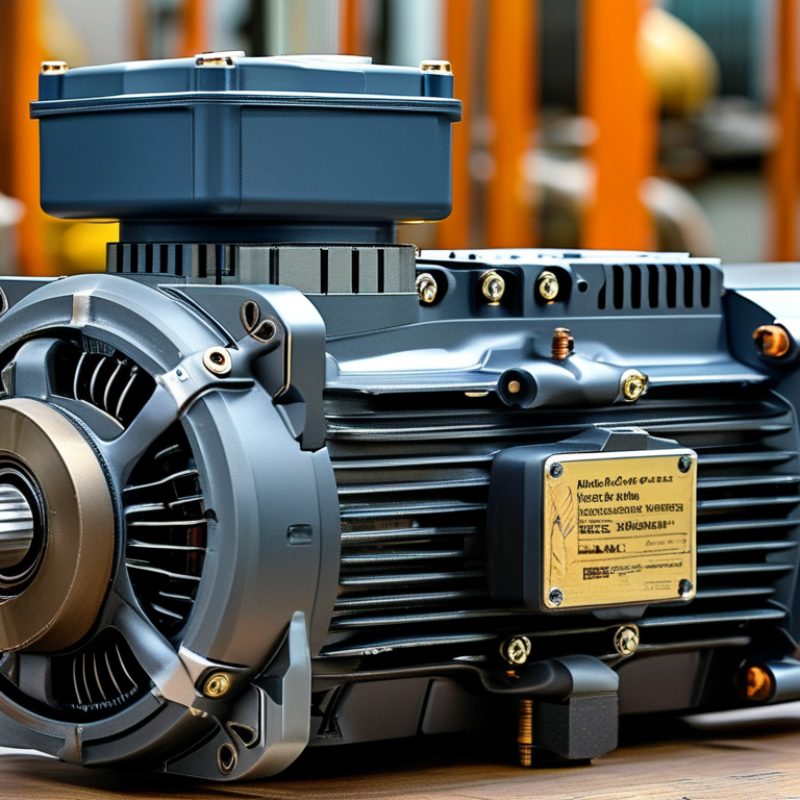
When selecting low voltage DC motors, several key considerations are essential. Understanding the application requirements is vital. Consider the operating environment, required speed ranges, and load capacity. For instance, motors with a power rating of 1-100 watts are commonly used in robotics and automation. According to a recent industry report, around 40% of low voltage DC motors operate within this range.
Efficiency is another critical factor. The average efficiency of low voltage DC motors varies widely, typically between 70% and 90%. Higher efficiency leads to reduced energy costs, which is crucial for businesses aiming for sustainability. Conducting a detailed analysis of expected performance can save significant operational costs over time.
Tips: Always assess the cooling requirements based on the motor's duty cycle. Regular maintenance can enhance motor longevity. Additionally, ensure compatibility with your drive systems to avoid inefficiencies. It’s also important to conduct field tests to validate performance claims against actual usage.
Incorporate feedback from engineers who work with these motors. Real-world insights can highlight potential issues, such as vibration or noise that may not be evident from specifications alone. Engaging with experts in the field can uncover best practices for selection and implementation, ultimately leading to better decision-making.
| Motor Type | Voltage (V) | Max Torque (Nm) | Speed (RPM) | Efficiency (%) | Application |
|---|---|---|---|---|---|
| Brushless DC Motor | 12 | 0.5 | 4000 | 85 | Robotics |
| Brushed DC Motor | 24 | 0.75 | 3000 | 75 | Automotive |
| Coreless DC Motor | 6 | 0.2 | 6000 | 90 | Medical Devices |
| Stepping Motor | 12 | 1.0 | 2000 | 80 | Printing |
| DC Gear Motor | 24 | 1.5 | 150 | 70 | Conveyor Systems |
: Efficiency, torque, speed, and durability are essential. Each metric impacts performance differently based on your application.
Higher efficiency reduces energy consumption. This lowers operational costs and contributes to long-term savings.
Torque indicates load capacity. Motors with higher torque can handle heavier tasks effectively.
Evaluate application needs, ensure compatibility, and consider environmental conditions for optimal performance.
Yes, they can reduce electricity bills significantly. Studies show potential savings of up to 30% in energy consumption.
Regular inspections, proper lubrication, and cleaning are vital. Also, monitor alignment and secure connections to prevent issues.
Ignoring maintenance can lead to unexpected failures. This can cause costly replacements and downtime.
Misalignment or incorrect voltage can cause wear and overheating. Proper installation is crucial for optimal operation.
Ensuring compatibility with existing systems can be tricky. This step may reveal the need for additional replacements.
Keeping track helps detect abnormalities early. This proactive approach prevents performance issues and extends motor lifespan.
Choosing the right Low Voltage DC Motor is crucial for businesses looking to enhance their operations. Key considerations include understanding specific application requirements, available types of motors, and their performance metrics. Various Low Voltage DC Motors serve different purposes, from small-scale applications in robotics to larger systems in industrial automation.
A comparative analysis of performance metrics can help businesses determine the most efficient options, while a cost-benefit analysis reveals the long-term savings associated with investing in these motors. Proper maintenance is also essential to ensure the longevity and reliability of Low Voltage DC Motors, thereby maximizing their performance and reducing downtime. By considering these aspects, businesses can make informed decisions that best suit their operational needs.
