 TQC Micromotor
TQC Micromotor
TQC Micromotor
High Power Motors are essential components in various industries. They drive machinery, enabling higher efficiency and performance. According to Dr. James Thompson, a renowned expert in electric motors, "High Power Motors are the backbone of modern industrial applications." This expertise highlights their importance in today’s technological landscape.
Understanding how High Power Motors function reveals their inner workings. These motors convert electrical energy into mechanical energy through electromagnetic principles. Their design and construction are crucial for maximizing efficiency. For instance, cooling methods and materials significantly impact performance and longevity.
However, not all High Power Motors are created equal. Manufacturers often face challenges in balancing power, size, and thermal performance. This complexity can lead to inefficiencies. As industries evolve, so must motor technology. Continuous improvement and innovation are necessary for meeting future demands.
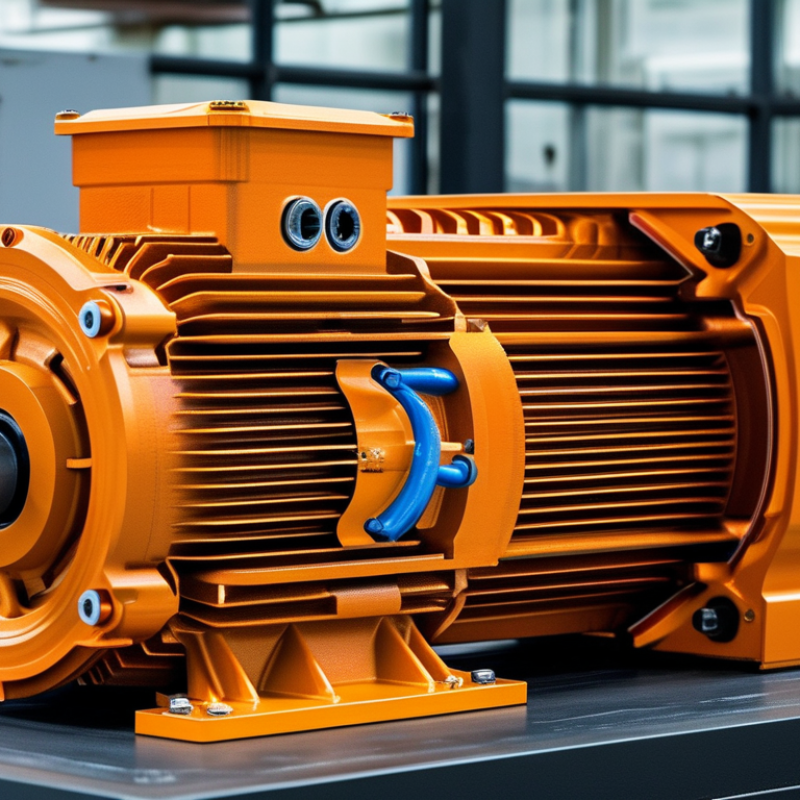
High power motors are essential in various industries. Their design allows them to generate substantial torque and speed. These motors typically have a power rating above 200 horsepower. They are commonly used in applications such as heavy machinery, electric vehicles, and industrial equipment. Understanding their operation is crucial for efficient usage and maintenance.
A high power motor functions based on electromagnetic principles. It uses electrical energy to create magnetic fields. These fields drive the rotor, leading to motion. The construction of the motor includes a stator, rotor, and winding. Each component must withstand significant stress during operation. In some cases, failure in any part may lead to reduced efficiency or complete breakdown. This highlights the need for regular inspections and maintenance.
Selecting the right motor involves understanding specific requirements. Factors such as load, speed, and duty cycle play a role. Misestimation can lead to inefficiencies or even operational hazards. Users must assess their needs carefully. Often, engineers face challenges in aligning motor specs with practical applications. Balancing performance and reliability is key.
| Dimension | Description |
|---|---|
| Power Output | Typically greater than 200 HP (horsepower) |
| Efficiency | High efficiency, often above 90% |
| Applications | Used in industrial machinery, electric vehicles, and heavy equipment |
| Types | DC motors, AC motors (synchronous, asynchronous) |
| Cooling Methods | Air cooling, water cooling, or oil cooling systems |
| Control Methods | Variable frequency drives (VFDs), servo drives |
| Common Materials | Copper for windings, aluminum and steel for housing |
: They convert electrical energy to mechanical energy through electromagnetic induction.
An electric current generates a magnetic field, which interacts with rotor windings, creating torque.
Excessive heat can reduce efficiency and lifespan, making proper cooling essential.
Installation costs can be high, and maintenance demands may increase over time.
They can operate over 90% efficiently, helping reduce energy costs.
Managing workloads is crucial to avoid excessive energy bills during peak loads.
Inspections can identify potential problems early, ensuring reliable performance.
Misalignment or inadequate power supply can lead to motor failures.
Liquid cooling systems are often implemented to mitigate overheating issues.
Facilities may need specific upgrades to accommodate these powerful machines.
A High Power Motor is defined as an electric motor that delivers exceptional output power, typically exceeding standard motor capabilities. These motors are equipped with key components such as robust stators, rotors, and advanced cooling systems that enhance their performance. The principles of operation behind High Power Motors involve electromagnetic principles, which allow for efficient energy conversion and high torque generation.
In various industrial applications, High Power Motors are crucial for driving heavy machinery, facilitating processes in manufacturing, and powering large-scale pumps and compressors. While they offer significant advantages, such as improved energy efficiency and increased productivity, they also present challenges, including the need for specialized maintenance and higher initial costs. Understanding these aspects is essential for leveraging the full potential of High Power Motors in various sectors.
