 TQC Micromotor
TQC Micromotor
TQC Micromotor
In today's competitive marketplace, understanding the intricacies of purchasing a High Performance Motor is critical for global traders. The industry is on a steady upward trajectory, with the market projected to reach $20 billion by 2027, driven by increasing demand in the automotive and aerospace sectors (Source: Market Research Future). With such growth, traders must navigate a landscape filled with options, each promising excellence and efficiency.
Expert insights underscore the significance of informed decision-making in this area. Dr. Sarah Collins, a leading authority in electric motor technologies, emphasizes, "Selecting the right High Performance Motor is not just about specifications; it's about aligning with your operational goals." Her perspective highlights the necessity for traders to think beyond mere numbers. They need to consider the application of these motors and how they fit within a broader technology strategy.
Not all High Performance Motors are created equal. Variability in efficiency, torque, and durability can lead to challenges if not thoroughly evaluated. Recognizing potential pitfalls in quality and performance becomes indispensable. Addressing these facets not only enhances reliability but also fosters trust with clients and partners. To make well-informed choices, traders must weigh their options carefully and look for trusted suppliers with proven track records.
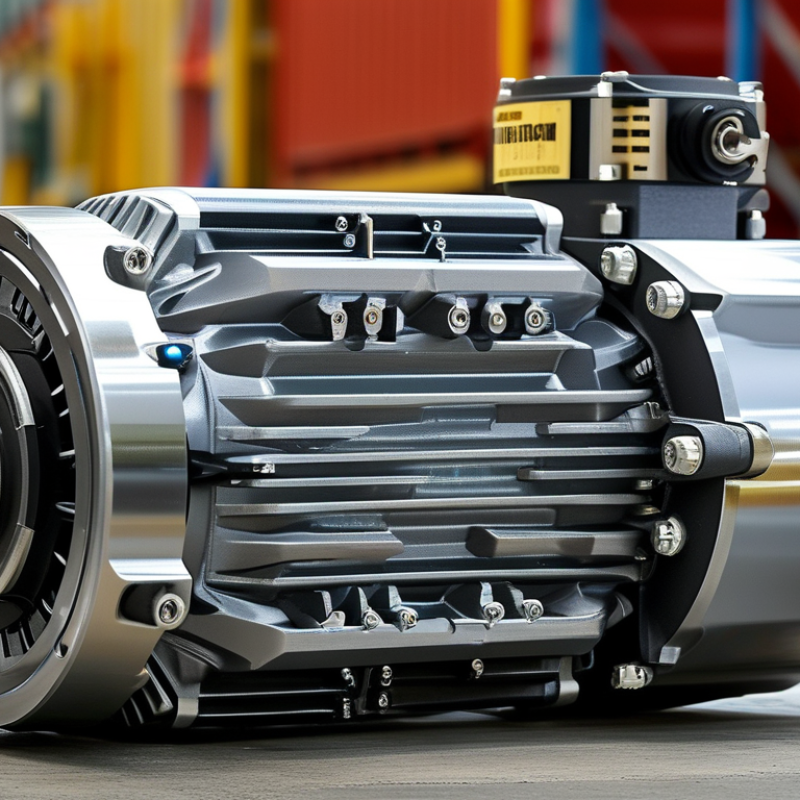
High-performance motors are essential in various industries, from automotive to aerospace. Understanding the basics is key for global traders. These motors are designed for efficiency, durability, and high output. They often deliver power density that can significantly enhance productivity. According to a report by the International Energy Agency, high-performance motors account for about 70% of industrial electricity consumption. This statistic underscores their importance.
When selecting a high-performance motor, key factors include efficiency ratings, torque, and operational temperatures. Efficiency can significantly affect operational costs, especially for businesses with high energy demands. For example, a motor with a 1% increase in efficiency can save thousands of dollars annually on energy bills. However, traders need to understand the potential challenges in supply chains, as sometimes demand exceeds supply capabilities. This imbalance can lead to delays and unexpected costs.
Another crucial aspect is the types of high-performance motors available. The market includes brushed and brushless motors, each with unique advantages. Brushless motors typically have a longer lifespan but may come with a higher initial cost. Research by the Motor & Generator Industry Association indicates that the market for high-performance motors is expected to grow by over 5% each year through 2026. Nevertheless, not all models suit every application, requiring careful consideration and research.
| Motor Type | Power Rating (HP) | Efficiency (%) | Voltage (V) | Speed (RPM) | Torque (Nm) | Cooling Type |
|---|---|---|---|---|---|---|
| AC Induction | 5 | 90 | 460 | 1800 | 30 | Air Cooled |
| DC Motor | 3 | 85 | 240 | 3000 | 15 | Fan Cooled |
| Stepper Motor | 1 | 80 | 48 | 1200 | 0.5 | Air Cooled |
| Brushless DC | 4 | 92 | 220 | 4000 | 25 | Water Cooled |
| Synchronous Motor | 10 | 95 | 480 | 1500 | 40 | Air Cooled |
: Look for motors that provide optimal torque while consuming minimal power for better energy savings.
Motors face harsh conditions. Choosing wear and corrosion-resistant materials can enhance their lifespan.
High noise levels can signal issues. Motors should operate smoothly to minimize disturbances and potential mechanical problems.
AC, DC, and stepper motors each have distinct performance characteristics. Choose based on your specific application needs.
Motors must withstand environmental conditions. Evaluate their specifications to ensure compatibility with temperature and humidity levels.
Regular checks prevent costly downtimes. Maintenance needs should not be overlooked for long-term reliability.
Insights from similar motors provide realistic expectations. Assessing data can guide better purchasing decisions.
Testing can reveal strengths and weaknesses. Comparing multiple units is crucial in understanding true performance.
Balance weight and size with your application needs. Different motor designs can affect operational efficiency.
Specifications can be complex but are vital for successful transactions. A thorough understanding leads to better choices.
The "High Performance Motor Buying Guide for Global Traders" offers a comprehensive overview for those looking to invest in advanced motor technology. It begins by outlining the fundamentals of high performance motors, highlighting their crucial role in various industries. Key features to consider include efficiency, torque, and durability, which are essential for optimal performance.
Furthermore, the guide emphasizes the importance of evaluating motor specifications to ensure compatibility with specific trade needs. It also provides insights into comparing top brands and models, enabling informed decision-making. Finally, traders are informed about navigating international regulations governing motor imports and exports, ensuring compliance and facilitating smoother transactions. This structured approach empowers global traders to make well-informed decisions when purchasing high performance motors.
