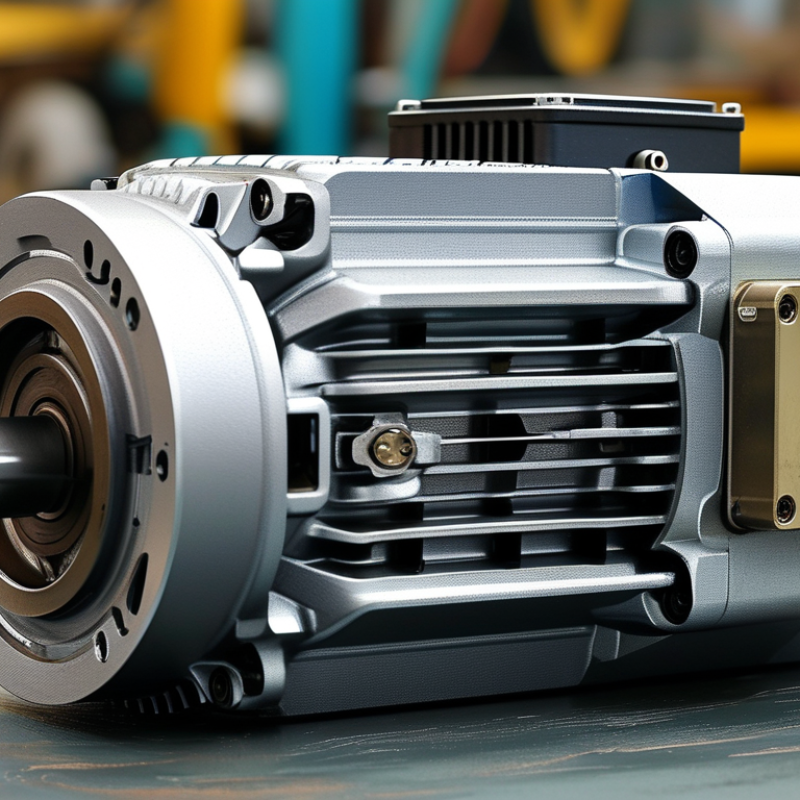
The compact gear motor is revolutionizing various industries with its efficiency and versatility. According to Dr. Emily Park, a leading expert in motor technology, "The compact gear motor offers unmatched power in a small package." This innovation is ideal for applications needing precise motion in tight spaces.
Buyers are increasingly drawn to the benefits of compact gear motors. They provide exceptional torque while remaining lightweight. This feature can improve design flexibility in projects. However, not all compact gear motors are created equal. Some models may lack durability, which is crucial for long-term investment.
Understanding the value of compact gear motors is essential for making informed decisions. With a range of options in the market, buyers must evaluate their specific needs. Investing in a high-quality gear motor can lead to significant performance gains. Still, it's wise to be cautious and conduct thorough research before purchase.
What is a Compact Gear Motor?
A compact gear motor is a powerful yet space-saving device. It combines an electric motor with a gear reduction unit. This combination allows for high torque output in a small design. Many manufacturers use them in robotics, automation, and small machinery. The compact design makes them ideal for tight spaces. Their efficiency is a key advantage.
Buyers appreciate the versatility of compact gear motors. They can serve various applications, from conveyor systems to medical devices. The reduction in size does not compromise power. However, potential buyers should be aware of limitations. Not all compact gear motors offer the same performance. Factors like load capacity and speed variations matter. It's essential to choose a motor that aligns with the specific needs of the application.
Despite their advantages, compact gear motors can also have drawbacks. Installation may require additional components. Maintenance can be tricky, given their small size. Users often overlook these aspects when selecting a motor. Thorough research is crucial to ensure optimal performance. Engaging with experts can provide valuable insights for informed decision-making.
Key Components of Compact Gear Motors
Compact gear motors are integral in various applications, thanks to their unique design and efficiency. Understanding their key components helps buyers make informed choices. A compact gear motor typically consists of a motor, reduction gears, and a housing.
The motor generates power, while the reduction gears decrease the speed and increase the torque. This combination makes them suitable for tasks requiring high torque in limited spaces.
The housing plays a crucial role as well. It protects internal components and provides structural integrity. Many designs include features that mitigate vibration and noise. Buyers should consider gear material, as it affects durability and performance.
Plastic gears can be lighter but may wear out faster. Metal gears are more robust and reliable but add weight.
Another essential aspect is the output shaft. It connects the motor to the load, and its design can impact efficiency. A poorly designed shaft might lead to misalignment, increasing wear and tear over time. Checking specifications, such as torque and speed ratings, is vital. However, it’s not always easy to determine which motor suits your needs best. Buyers must weigh these factors carefully before making decisions.
Advantages of Using Compact Gear Motors
Compact gear motors offer several advantages that make them appealing to buyers. They are often smaller and lighter than traditional motors, maximizing efficiency in space-constrained applications. According to industry reports, the demand for compact gear motors has grown by approximately 15% annually, driven by advancements in automation and robotics. This growth emphasizes their utility in diverse sectors such as manufacturing and automotive.
These motors also provide high torque output relative to their size. This characteristic allows for reduced energy consumption and longer operational lifespans. A recent study indicated that compact gear motors can improve energy efficiency by up to 30%. This not only benefits the environment but also leads to significant cost savings in operational expenses. Buyers can appreciate that these motors are designed with durability in mind, enhancing their reliability in demanding environments.
Despite these benefits, buyers should consider specific applications and environments. Compact gear motors may not suit all situations, particularly where high power levels are essential. They also may have limitations in thermal management under continuous high-stress operations. Assessing the right balance of size, torque, and application needs is vital. Thus, conducting thorough research before purchasing is crucial for making informed decisions.
What is a Compact Gear Motor and Its Benefits for Buyers? - Advantages of Using Compact Gear Motors
| Dimension |
Specification |
Advantages |
| Size |
Compact and Lightweight |
Ideal for space-constrained applications |
| Efficiency |
High Torque Output |
Reduces energy consumption |
| Durability |
Robust Design |
Longevity and less maintenance |
| Applications |
Versatile Use |
Suitable for various industries |
| Installation |
Easy to Integrate |
Simple setup in machinery |
Applications and Industries Utilizing Compact Gear Motors
Compact gear motors are integral to various applications across multiple industries. These motors combine high torque and efficiency in a small form factor. They are widely used in robotics and automation for precise control and motion. In material handling, they drive conveyors, ensuring smooth operations. Additionally, these motors are essential in the automotive sector, powering electric windows and seat adjustments.
Healthcare equipment increasingly relies on compact gear motors. They enable precise movements in devices such as hospital beds and surgical tools. Compact size is vital in this context, as space is often limited in medical settings. Moreover, compact gear motors find applications in consumer electronics, driving mechanisms in appliances like washing machines and elevators.
Tip: When selecting a compact gear motor, consider the torque requirements. Match the motor's specifications to your application's needs to maximize performance.
Another important consideration is heat generation. More power often leads to higher temperatures. This can affect the motor's lifespan and efficiency. Invest in quality components that ensure durability.
Tip: Regular maintenance of gear motors can prevent costly downtime. Monitoring for wear and tear helps maintain reliability.
Tips for Buyers: Choosing the Right Compact Gear Motor
When choosing a compact gear motor, understanding its specifications is crucial. The global gear motor market is projected to grow at a CAGR of 6% from 2021 to 2028. This growth showcases the demand for efficient and space-saving solutions in various industries. Buyers should consider factors like torque, speed, and size, as the right combination can drastically affect performance and energy efficiency.
Selecting a compact gear motor requires careful assessment of your application's needs. High torque ratings are essential for applications requiring significant load handling. For instance, a motor with a torque rating of 50 Nm can support heavier operations without compromising stability. The physical dimensions of the motor should also match your equipment space. If dimensions exceed your expectations, it may lead to installation challenges.
Buyers should seek motors with reliable efficiency ratings. Motors operating above 90% efficiency can significantly reduce energy costs over time. However, it's important to note that not all compact gear motors meet this standard. Some models may provide less efficiency, prompting buyers to weigh long-term savings against upfront costs. Understanding the balance between various metrics is vital to making a well-informed decision.
FAQS
: A compact gear motor combines an electric motor with a gear reduction unit, offering high torque in a small design.
They are used in robotics, automation, automotive applications, and healthcare devices, among others.
Buyers should assess torque, speed, size, and efficiency ratings to align with application needs.
Yes, installation can be complex and maintenance may be challenging due to their small size.
Motor efficiency is crucial; over 90% efficiency can help reduce long-term energy costs significantly.
Exceeding specifications may lead to installation challenges and inadequate application performance.
No, performance varies; factors like load capacity and speed must be considered.
Yes, regular maintenance is essential to prevent downtime and ensure reliable performance.
Higher power can lead to increased heat, affecting lifespan and efficiency; quality components help mitigate this.
Many overlook installation complexities and maintenance needs when selecting a compact gear motor.
Conclusion
A Compact Gear Motor is a highly efficient and space-saving device that combines a motor and gearbox in a single unit, making it ideal for applications where both power and compactness are essential. The key components of these motors include the motor itself, gears, and the housing, which work together to deliver optimized performance. One of the main advantages of using a Compact Gear Motor is the significant reduction in size and weight compared to traditional motor-gearbox combinations, which allows for easier integration into various systems.
Compact Gear Motors are widely utilized across diverse industries such as automotive, robotics, HVAC, and consumer electronics. Their versatility makes them suitable for applications ranging from automated machinery to portable devices. When choosing the right Compact Gear Motor, buyers should consider factors such as load requirements, speed, torque, and environmental conditions to ensure that they select a motor that meets their specific needs efficiently.
 TQC Micromotor