TQC Micromotor TQC Micromotor

How to Choose the Best High Voltage Motor for Your Needs?

Time:2026-06-22 Author:Sophia
0%

When selecting a high voltage motor, understanding your specific needs is crucial. High voltage motors are essential in various industries, from oil and gas to manufacturing. According to the International Electrotechnical Commission (IEC), these motors can significantly improve efficiency. They operate at voltages above 1,000 volts, which makes them ideal for heavy-duty applications.

Industry data shows that high voltage motors constitute over 30% of motors used worldwide, highlighting their importance. These motors offer advantages like higher efficiency and reduced energy costs. However, selecting the right model can be challenging. Factors such as load requirements, operational environment, and installation costs should be evaluated carefully.

Despite their benefits, many users overlook key aspects during selection. A common oversight is underestimating the need for a reliable supplier and proper maintenance plans. Ensuring the right high voltage motor can mitigate risks and enhance productivity. With a significant investment on the line, reflecting on these considerations is vital.
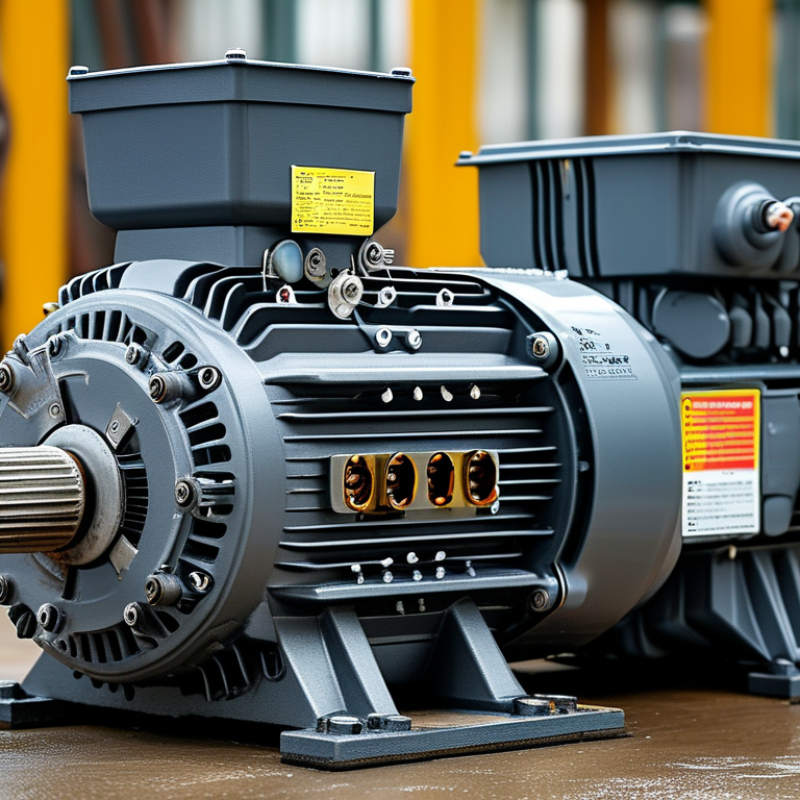
How to Choose the Best High Voltage Motor for Your Needs?

Understanding High Voltage Motors and Their Applications

High voltage motors are essential in various industrial applications, including pumps, compressors, and conveyors. These motors operate efficiently at higher voltage levels, which reduces current and improves energy efficiency. Understanding their specific applications can help businesses choose the right motor for their needs.

When selecting a high voltage motor, consider the operating environment. Factors such as temperature, humidity, and space constraints can impact performance. It's crucial to assess the motor's insulation class. Proper insulation ensures durability and reliability in extreme conditions.

Tips: Always review the motor's specifications. Look for torque, speed, and power ratings suited to your application. Consult with industry experts to gather insights and avoid common pitfalls. Proper sourcing of components can enhance efficiency.

Another consideration is maintenance. Regular inspections can reveal issues before they escalate. Frequent checks help maintain optimal performance and prolong the motor’s life. Document your maintenance routine to identify trends over time.

Tips: Implement a maintenance checklist. Include lubrication schedules and inspection criteria. Consider using predictive maintenance tools to catch problems early.

Key Factors to Consider When Selecting a High Voltage Motor

When selecting a high voltage motor, several key factors are critical. The motor's voltage rating is essential. Assess your power supply options to ensure compatibility. A mismatch can lead to inefficiencies or even damage. Efficiency ratings matter too. Motors with high efficiency reduce energy consumption in the long run. This choice impacts operational costs significantly.

Another important aspect is the motor's application. Consider the specific requirements of your project. The operating environment can influence motor performance. Factors like temperature, humidity, and exposure to dust should guide your choice. Not all motors are robust enough for harsh conditions. Additionally, understand your load requirements. The motor must handle the intended workload without straining.

Maintenance and serviceability should not be overlooked. A motor that is easy to maintain saves time and effort. Ensure that parts are readily available. Reliability also plays a major role in the decision-making process. A proven track record in similar applications boosts confidence in your choice. Re-evaluating past mistakes can lead to better decisions today.

Evaluating Motor Specifications: Voltage, Power and Efficiency

When selecting a high voltage motor, evaluating the specifications is crucial. Voltage is a key factor. A higher voltage can reduce the current requirement, enhancing performance and efficiency. However, it often comes with increased complexity. Ensure the motor matches your application's voltage needs to prevent operational issues.

Power is another critical specification. This determines the motor's output capability. It’s essential to assess what load the motor will carry. An underpowered motor risks burnout, while an overly powerful one can lead to wasted energy and higher costs. Understanding the specific power requirements allows for better alignment with operational needs.

Efficiency plays a vital role in long-term operation. A more efficient motor decreases energy consumption, which saves costs. However, achieving high efficiency may require more investment upfront. Consider balancing the initial costs against potential savings over time. Reflecting on these aspects can guide you toward a better decision.

Assessing Environmental Impact and Safety Standards

When selecting a high voltage motor, it's crucial to assess its environmental impact and compliance with safety standards. Each motor type can have different effects on the environment. Some motors consume more energy, leading to increased carbon emissions. Others may contain materials that are harmful to the surrounding ecosystem. Evaluating these factors helps ensure sustainable operational practices.

Safety standards are non-negotiable. A high voltage motor must meet established regulations to protect users and the environment. Look for certifications that indicate compliance with safety guidelines. It’s common to see discrepancies in how manufacturers interpret these standards. Not all motors will have the same level of oversight. Understanding these distinctions can prevent potential hazards.

Reflecting on your specific needs is vital. Will the motor operate in a sensitive environment? How often does safety monitoring occur? By answering these questions, you can make a well-informed decision. A thorough assessment of both environmental implications and safety standards ensures the motor you choose is reliable and minimizes risk. These considerations are essential for long-term success in any application.

Comparing Different Brands and Models for Optimal Performance

When selecting a high voltage motor, comparing various brands and models is crucial for optimal performance. Not all motors are created equal. Variations in design, materials, and manufacturing processes can impact efficiency and longevity. Some models might excel in torque but fall short in energy efficiency. Others may be reliable but vulnerable to overheating. Understanding these differences helps in making an informed choice.

Consider the application for which the motor will be used. Heavy-duty operations demand robust models that can handle frequent starts and stops. Conversely, precision tasks may require motors with better control systems. It’s beneficial to assess user reviews and technical specifications from reputable sources to gauge performance under specific conditions.

Moreover, the cost should also be weighed against the expected performance. Sometimes, a cheaper model may save initial costs but incur higher maintenance over time. Conversely, investing in a premium model might yield better long-term savings. It’s essential to reflect on past experiences and gather feedback from industry professionals. Each choice offers lessons that can refine future decisions.

FAQS

: What is the first factor to consider when selecting a high voltage motor?

: The motor's voltage rating is essential for compatibility with power supply options.

Why is efficiency important in a high voltage motor?

High efficiency reduces energy consumption, impacting operational costs significantly over time.

How does the operating environment affect motor selection?

Factors like temperature, humidity, and dust exposure influence motor performance and suitability.

What should be assessed regarding load requirements?

The motor must handle the intended workload efficiently without straining or burning out.

Why is maintenance important when choosing a motor?

An easy-to-maintain motor saves time and effort, promoting smooth operations.

How does reliability influence the selection process?

A proven track record in similar applications builds confidence in the motor's capabilities.

What is the role of power in motor specification?

Power determines the motor’s output capability and must align with the load it carries.

Should initial costs or potential savings be prioritized?

Balance initial investment against potential long-term energy savings for a better decision.

Can high voltage motors be used in harsh conditions?

Not all motors are robust; select ones specifically designed for tough environments.

How can past mistakes inform better motor selection?

Reflecting on previous experiences can lead to improved choices and avoid repeating errors.

Conclusion

When choosing the best High Voltage Motor for your needs, it is essential to understand their applications and functionality. High Voltage Motors are used across various industries, powering equipment with higher efficiency. Key factors to consider include the voltage requirements, power output, and overall efficiency of the motor. Additionally, evaluating the environmental impact and adhering to safety standards are crucial to ensure safe and sustainable operation.

Moreover, comparing different brands and models can help you identify the optimal performance characteristics suited to your specific requirements. By carefully assessing these factors, you can make an informed decision that enhances operational performance while meeting industry regulations. Selecting the right High Voltage Motor is vital for achieving both efficiency and reliability in your applications.

Sophia

Sophia

Sophia is a dedicated marketing professional with an exceptional depth of knowledge about her company's products and services. With a keen understanding of market trends and customer needs, she crafts insightful blog posts that not only inform but also engage readers, enriching the company’s online......