TQC Micromotor
In today's industrial landscape, the choice of motor can significantly impact a business's efficiency. According to a recent report by the International Energy Agency (IEA), three-phase motors account for nearly 70% of electricity consumption in industrial applications. Utilizing a Three Phase Motor can boost operational efficiency while reducing energy costs.
Expert insights underline the importance of these motors. Dr. Alex Johnson, a renowned industry expert, stated, “Three Phase Motors provide superior performance and reliability, crucial for modern manufacturing.” This claim reflects the growing recognition of three-phase motors' capabilities in diverse settings.
Businesses that adopt Three Phase Motors benefit not only from energy savings but also from enhanced productivity and durability. However, it’s essential to consider the initial investment involved. Companies must weigh up-front costs against long-term savings. Transitioning to three-phase technology may require some adjustment, but the potential gains are significant and often justifiable.
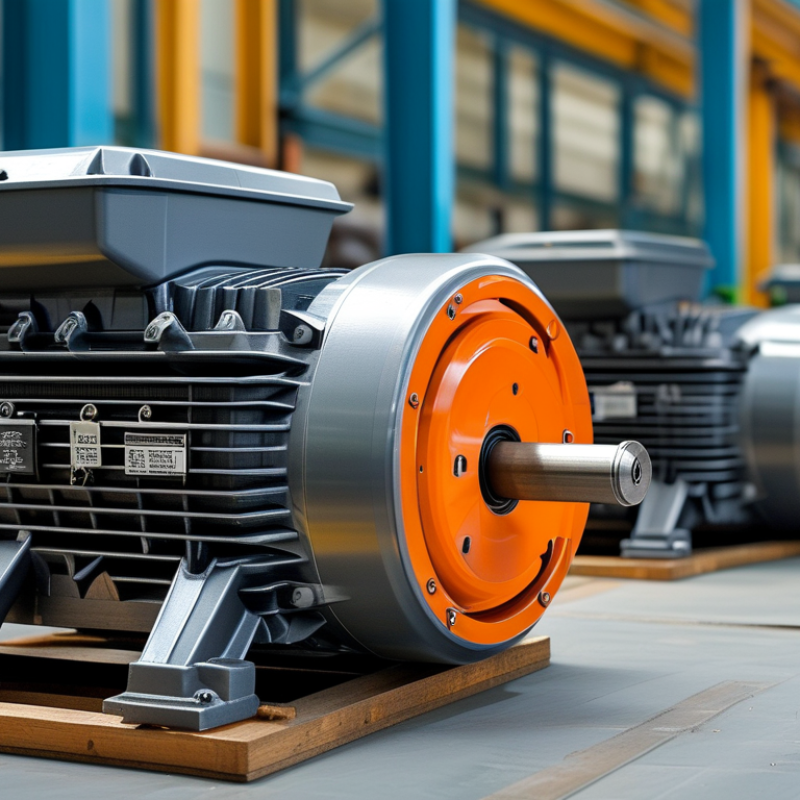
Three-phase motors are essential in many industrial settings. They provide a reliable and efficient power source for various applications. The first advantage is high efficiency. These motors reduce energy loss during operation. This efficiency translates into lower electricity bills for businesses over time.
Moreover, three-phase motors deliver superior torque compared to single-phase motors. This feature allows heavier loads to be moved smoothly, enhancing productivity. Facilities often notice a significant decrease in start-up times as well. With quicker acceleration, production lines can run faster, meeting higher demand.
Another compelling benefit is reduced maintenance. Three-phase systems experience less vibration and wear. This durability increases their lifespan considerably. However, they can be more complex to install, and businesses may face initial hurdles. Training staff on operating them creates an ongoing learning curve. Balancing the advantages against potential challenges is crucial for optimal performance.
Three-phase motors are increasingly favored in various industries due to their enhanced efficiency and performance. Research by the Electric Power Research Institute indicates that these motors can achieve up to 95% efficiency, significantly higher than their single-phase counterparts. This efficiency translates to lower energy costs and reduced operational expenses. In environments where continuous operation is essential, three-phase motors excel, allowing businesses to maintain productivity with minimal downtime.
Moreover, three-phase motors provide superior torque at startup, making them ideal for heavy-duty applications. They can handle larger loads without requiring additional starting mechanisms. A report from the International Electrotechnical Commission states that three-phase systems remain more stable under variable loads, ensuring consistent operation. This reliability plays a crucial role in maintaining production schedules and product quality.
Despite these advantages, there are challenges to consider. Installation costs might be higher due to the need for three-phase power supplies. Additionally, not all facilities are equipped for three-phase systems, requiring upgrades that could burden budgets. Businesses must weigh these factors against the long-term savings provided by increased efficiency. Each application presents unique considerations that demand careful analysis to optimize performance.
Three-phase motors are increasingly recognized for their cost-effectiveness in various applications. According to industry reports, three-phase motors are about 10% to 15% more efficient than single-phase motors. This efficiency translates to lower energy costs in the long run. For businesses with moderate to high power demands, this can result in significant savings that accumulate over time.
Moreover, the initial investment in three-phase motors pays off through their durability and reliability. Studies indicate that these motors can last 20% longer than their single-phase counterparts when maintained properly. However, it's essential to consider the installation costs, which can be higher. Businesses may need specialized technicians to handle the complexities of three-phase systems. Despite this, the longevity of these motors often justifies the initial expense.
Another factor to ponder is the possibility of downtime. While three-phase motors are reliable, if a failure occurs, repairs can be more complicated than with simpler systems. This can lead to unforeseen costs. Nevertheless, for businesses that prioritize efficiency and long-term savings, investing in three-phase motors is often a wise choice. Achieving a balance between the initial costs and the potential savings can sometimes prove challenging but remains crucial for sustainable operations.
Three phase motors are known for their improved reliability. They typically feature a more efficient design compared to single-phase motors. This efficiency translates into consistent performance over time. Businesses benefit from fewer unexpected failures. This means less downtime and increased productivity. Maintenance needs are also reduced. Regular check-ups become simpler, cutting back on labor costs.
Reliability isn’t just about performance. It also relates to safety. A three phase motor operates smoothly with less vibration. This results in a quieter workplace and a more pleasant environment for employees. However, it is important to ensure proper installation and maintenance. Even with enhanced reliability, neglect can lead to issues. Regular inspections are crucial to maximize the motor's potential.
Operators must be aware of their specific needs. While three phase motors are efficient, the initial investment can be higher. Balancing upfront costs with long-term savings is essential. Businesses should evaluate their current systems carefully. Every motor selection should consider factors like energy consumption and workload demands. This reflection can guide better decisions in motor selection.
Three phase motors are renowned for their versatility across industries. They are commonly used in manufacturing, HVAC systems, and automation. These motors can handle varying loads efficiently, making them ideal for different applications. The ability to scale their usage from small to large setups allows businesses to adapt and grow without major overhauls.
Moreover, the efficiency of these motors contributes to cost savings. They often use less power, leading to lower electricity bills. In a competitive market, operational costs can significantly impact profitability. However, some businesses may still overlook the transition to three phase systems due to initial installation costs.
Flexibility is another key benefit. Three phase motors can be integrated with control systems to enhance automation. This adaptability can lead to improved production lines and increased output. Yet, businesses must consider ongoing maintenance and ensure proper training for staff. Finding the right balance between efficiency and upkeep is essential for long-term success.
: The main advantage is high efficiency, leading to reduced energy loss and lower electricity bills.
They provide superior torque, enabling smooth movement of heavier loads and reducing start-up times for faster production.
Yes, three-phase motors offer improved reliability with consistent performance and fewer unexpected failures, reducing downtime.
Maintenance is reduced, but regular inspections are necessary to prevent neglect and maximize potential.
Installation can be complex and costly, especially if facilities need upgrades for three-phase systems.
They operate smoothly with less vibration, creating a quieter environment that enhances employee comfort.
While the upfront costs may be higher, the long-term savings from efficiency are often worthwhile.
Staff training ensures proper operation, addressing the ongoing learning curve associated with these systems.
Not all facilities are equipped for these systems, and some may need upgrades to accommodate them.
Businesses should reflect on energy consumption, workload demands, and potential savings to guide their decisions.
Three Phase Motors offer significant advantages for businesses, particularly in industrial applications. Their enhanced efficiency and performance lead to lower energy consumption and improved operational productivity, making them a cost-effective choice for long-term use. With the ability to provide consistent power delivery, Three Phase Motors reduce the risk of operational downtime and enhance reliability, resulting in lower maintenance requirements.
Furthermore, the versatility and scalability of Three Phase Motors make them suitable for various industries, accommodating different operational needs and allowing for easy integration into existing systems. This adaptability ensures that businesses can efficiently scale their operations while maintaining high performance, making Three Phase Motors a smart investment for any industrial enterprise.
