TQC Micromotor
In the evolving landscape of energy-efficient technologies, the significance of Permanent Magnet Motors cannot be overstated. Industry expert Dr. Emily Carter, a leader in motor technology innovation, states, “Permanent Magnet Motors are reshaping how we approach energy consumption and efficiency.” This statement underlines the growing importance of these motors for global buyers looking to enhance their operations.
Permanent Magnet Motors are becoming increasingly popular due to their impressive benefits. They offer higher efficiency, reduced energy costs, and enhanced performance compared to traditional motors. Additionally, their compact design allows for more flexible integration in various applications, from electric vehicles to industrial machinery. Yet, the transition to these motors requires careful consideration. Buyers must weigh initial costs against long-term benefits and assess compatibility with existing systems.
While the advantages are clear, it’s essential to acknowledge potential challenges. The reliance on rare earth materials for magnets raises sustainability concerns. Buyers may also face technical complexities in implementation. However, with the right expertise and planning, the advantages of Permanent Magnet Motors can greatly outweigh these issues.
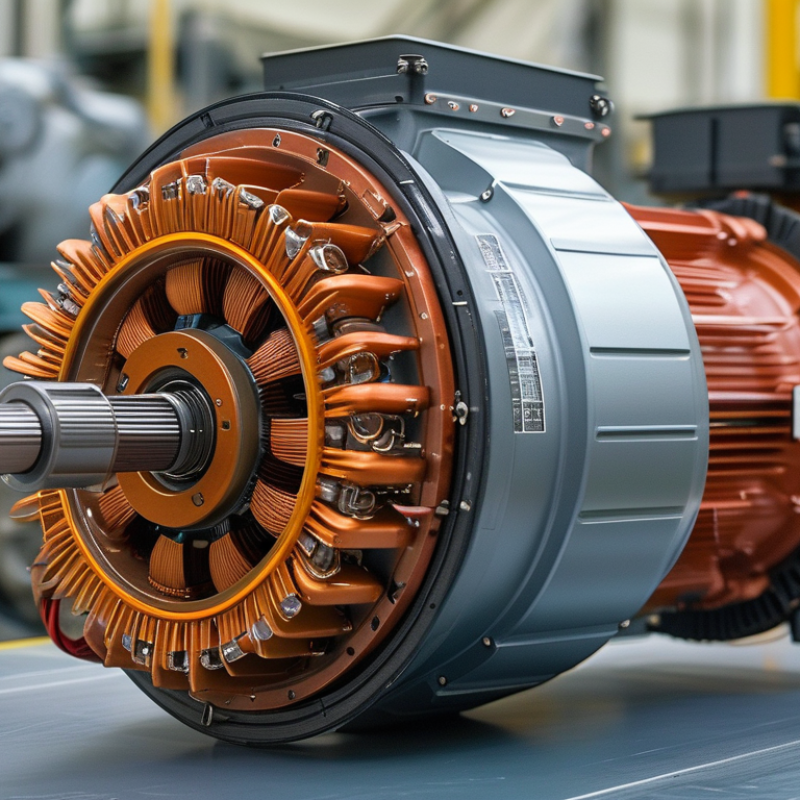
Permanent magnet motors (PMMs) have gained traction in various modern applications due to their exceptional efficiencies and operational benefits. These motors utilize permanent magnets to generate a magnetic field. This design allows for a more compact and lighter system. Users often notice reduced size and weight compared to traditional motors. In many cases, this means easier installation and integration.
One of the key advantages of PMMs is their energy efficiency. They consume less power and reduce operational costs significantly. However, users must consider the initial investment. While the upfront cost may be higher, savings in electricity bills can offset this over time. Reliability is another highlight. PMMs typically require less maintenance since they eliminate issues related to rotor windings and slip rings. This aspect can lead to extended service life and lower downtime.
That said, challenges remain. The materials used for permanent magnets can be costly, which may raise concerns over pricing dynamics. Additionally, some applications may not benefit as much and could require careful evaluation before implementation. Understanding specific needs and assessing potential downsides is crucial for making informed decisions about using permanent magnet motors.
Permanent Magnet Motors (PMMs) are gaining attention due to their superior energy efficiency. According to the Department of Energy, PMMs can operate at efficiencies as high as 95%. This contrasts with traditional motors, which typically range from 70% to 90%. The high efficiency of PMMs results in lower energy consumption, which is a crucial factor for industries striving to reduce operating costs and carbon footprints.
These motors achieve energy savings through their design. By utilizing permanent magnets, they eliminate the need for energy-intensive electromagnetic coils. A study by the Electric Power Research Institute indicates that switching to PMMs can lead to energy savings of 30% or more in various applications. This is particularly relevant as global energy demands continue to rise.
However, not all applications may benefit equally from PMMs. Initial costs can be higher due to the materials involved in making permanent magnets. Some industries may find it challenging to fully exploit PMMs unless a thorough cost-benefit analysis is performed. Users should reflect on these factors to ensure PMMs align with their operational needs and energy efficiency goals. Energy efficiency is a key advantage, but careful consideration is crucial for a successful transition.
Permanent magnet motors are increasingly favored for their compact design. Their smaller size contributes to efficient space utilization in various applications. Businesses can maximize production areas by integrating these motors into machines and equipment. This allows for streamlined design while benefiting from high performance levels.
Consider the layout of your facility. A well-designed layout can enhance efficiency. Use space-saving technologies like permanent magnet motors to reduce equipment footprint. This adjustment often leads to unexpected improvements in workflow.
Efficiency is not just about size. Weight reduction also plays a role. These motors are typically lighter than traditional alternatives, making installation simpler. Lightweight components often lead to less energy consumption, resulting in lower operating costs.
Always assess your needs. Understand the specific applications best suited for these motors. Invest time in research to determine if a compact design will truly benefit your operations. A thoughtful approach can lead to more sustainable and cost-effective solutions.
Permanent magnet motors (PMMs) offer unique maintenance advantages, making them a preferred choice for various applications. Unlike traditional electric motors, PMMs have fewer moving parts. This simplicity leads to reduced wear and tear. As a result, users can expect these motors to have a longer operational lifespan. The absence of brushes also eliminates one common wear point. This means less frequent replacements and lower maintenance costs over time.
Additionally, PMMs require less routine maintenance. They are designed to operate efficiently over extended periods. This reliability is crucial in industrial settings where downtime can be costly. Users often notice significant energy savings. However, it is important to note that while PMMs are durable, they are not entirely maintenance-free. Regular inspections are still essential to ensure continued performance.
The longevity of permanent magnet motors also depends on their application. In demanding environments, they may face challenges that could affect their lifespan. Users should account for factors like temperature and humidity. A proactive maintenance approach can enhance their overall reliability. Balancing these insights will help users leverage the full benefits of permanent magnet motors, maximizing both efficiency and effectiveness.
| Benefit | Description | Impact on Longevity |
|---|---|---|
| Higher Efficiency | Permanent magnet motors provide high efficiency, reducing energy consumption. | Lower operational heat prolongs motor lifespan. |
| Reduced Maintenance | Fewer moving parts mean less wear and tear, requiring less frequent maintenance. | Extends operational life due to decreased downtime. |
| Compact Design | Smaller size leads to simpler installations and less space required. | Less exposure to environmental factors increases durability. |
| Robust Performance | Consistent performance over time without significant performance degradation. | Maintains peak efficiency for longer periods. |
| Quiet Operation | Lower noise levels lead to a more pleasant working environment. | Reduced strain from noise reduces fatigue on components. |
| High Power Density | More power output from a smaller motor size. | Compact body reduces wear from external stresses. |
| Better Control | Enhanced control algorithms improve performance for various applications. | Optimized control reduces operational fluctuations. |
| Environmentally Friendly | Lower energy consumption contributes to reduced carbon footprint. | Sustainable use leads to longer life cycles. |
| Wide Operating Range | Effectiveness across a variety of speeds and loads. | Greater flexibility in applications enhances longevity. |
| Lower Total Cost of Ownership | Longer life and less maintenance equal lower costs over time. | Financial sustainability promotes long-term use. |
Permanent magnet motors (PMMs) offer significant cost-effectiveness for businesses worldwide. According to a report by the International Energy Agency, PMMs can increase energy efficiency by up to 30%. This reduction helps lower operational costs over time. The initial investment may seem higher, but the long-term savings in energy bills often justify this expense.
Additionally, PMMs require less maintenance than traditional motors. Their design minimizes wear and tear, leading to longer lifespans. This durability means fewer replacements and repairs, reducing downtime for businesses. A study by the Electric Power Research Institute indicates that businesses can save approximately 20% on maintenance costs with PMMs.
However, it is important to consider the initial costs and potential supply chain issues. Some companies may face challenges sourcing materials for PMMs. Balancing these factors is essential for making informed decisions. Real-world applications show that, despite higher upfront costs, the long-term realities of PMMs often lead to a positive financial return.
: They are energy-efficient, compact, lightweight, and reliable. Users enjoy reduced operational costs and easier installation.
PMMs have fewer moving parts, leading to less wear and a longer lifespan. They also eliminate rotor winding issues.
Yes, the materials for magnets can be expensive. Also, not all applications may benefit, so evaluation is necessary.
They require less routine maintenance but still need regular inspections for optimal performance and reliability.
PMMs consume less power than traditional motors, resulting in lower electricity bills over time.
Yes, factors like temperature and humidity can impact their lifespan in demanding environments.
No, while they require less maintenance, regular inspections are essential to ensure continued performance.
It's important to assess specific needs, potential downsides, and the cost-benefit ratio before making decisions.
Their reliability reduces downtime, which is crucial for cost savings and efficiency in industrial applications.
Not necessarily. Some applications may not benefit as much, requiring careful assessment before implementation.
Permanent Magnet Motors offer a range of key advantages that make them increasingly attractive for modern applications. One of the primary benefits is their energy efficiency, significantly reducing energy consumption compared to traditional motors, which leads to lower operational costs. Additionally, their compact design allows for space-saving installations, making them ideal for environments where space is a premium.
Moreover, Permanent Magnet Motors are known for their maintenance advantages, as they tend to have a longer lifespan and require less frequent servicing, resulting in reduced downtime and enhanced reliability. This longevity contributes to their cost-effectiveness, yielding substantial long-term savings throughout their operational life. As global buyers seek efficient, reliable, and economic solutions in various industries, Permanent Magnet Motors stand out as a superior choice.
