The Industrial Gear Motor industry is evolving rapidly. According to the latest market report by Research and Markets, the global industrial gear motor market size was valued at $10.2 billion in 2022, with projections suggesting it will reach $14.8 billion by 2026. Industry expert Dr. Emily Chen states, "Innovation in gear motor technology is crucial for meeting the demands of modern automation." This highlights the urgency for buyers to stay informed about trends.
As industries lean more towards automation, the efficiency and reliability of Industrial Gear Motors are paramount. Buyers must recognize the growing demand for energy-efficient designs. The integration of IoT technology is another trend reshaping the landscape. However, many companies still struggle with adapting to these new technologies, which may slow their processes. These challenges must be addressed in future investments.
The landscape also faces hurdles, such as supply chain disruptions, affecting motor availability. According to a report by McKinsey, over 60% of manufacturers faced delays in delivery last year. Buyers need to remain vigilant and proactive in understanding these trends. Keeping an eye on technological advancements may pave the way for smoother operations.
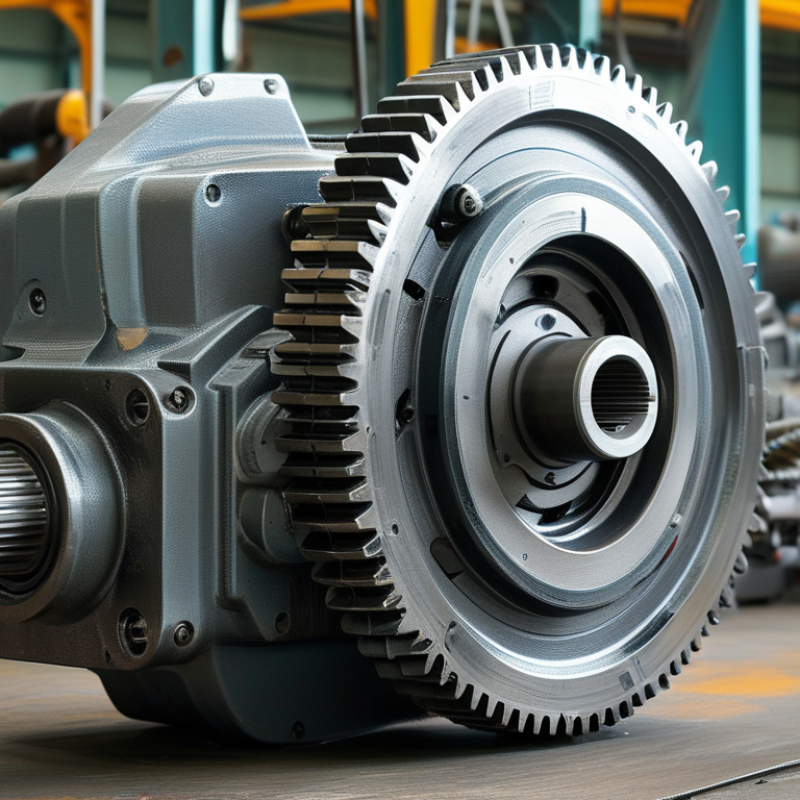
Emerging Technologies in Industrial Gear Motors for 2026
As we look toward 2026, emerging technologies in industrial gear motors are set to redefine efficiency and performance. The push for automation in manufacturing demands motors that are not only powerful but also intelligent. Smart sensors will become commonplace, allowing for real-time monitoring and predictive maintenance. This shift can reduce downtime in operations significantly, yet it also requires a change in how companies manage their equipment.
Another notable trend is the integration of IoT (Internet of Things) technology into gear motors. These connected devices can communicate with each other, sharing data and enhancing overall system coordination. While this offers immense potential, it raises questions about cybersecurity. Manufacturers must adopt robust security measures to safeguard sensitive information. The challenge lies in balancing accessibility with protection against breaches.
Finally, advancements in materials will enhance motor durability and efficiency. Lightweight composites can reduce energy consumption, but the switch may not come easy. Transitioning to new materials can be costly and requires thorough testing. Companies must weigh the benefits against the risks of adopting unproven technologies. The future is bright, yet filled with evolving challenges.
Sustainability Trends Impacting Gear Motor Design and Manufacturing
The gear motor industry is increasingly influenced by sustainability trends. According to a recent report from the International Energy Agency, the global shift towards greener technologies is prompting manufacturers to rethink their design processes. About 75% of industrial companies plan to invest in eco-friendly innovations by 2026. This trend ultimately pushes gear motor suppliers to adopt materials that are recyclable and energy-efficient.
Designing gear motors with sustainability in mind involves several considerations. For instance, lighter weight materials enhance efficiency. These materials can reduce energy consumption by up to 20%. However, the challenge lies in balancing performance with sustainability. Some manufacturers report difficulties ensuring durability while switching to greener alternatives. Moreover, implementing new manufacturing processes can be costly and complex.
The demand for sustainable gear motors poses significant questions. Are traditional methods proving obsolete? Many engineers are exploring advanced technologies such as 3D printing, but results vary widely. As the industry adapts, continuous assessment of these innovations is crucial. To meet market expectations, manufacturers must remain flexible. The future of gear motors hinges on the ability to innovate responsibly while considering environmental impacts.
2026 Top Industrial Gear Motor Trends Buyers Should Know
| Trend |
Description |
Impact on Design |
Impact on Manufacturing |
| Energy Efficiency |
Increasing emphasis on reducing energy consumption. |
Focus on lightweight designs and high-efficiency components. |
Advancements in manufacturing processes for energy-efficient materials. |
| Sustainable Materials |
Use of recyclable and biodegradable materials. |
Incorporation of sustainable designs and materials into gear motors. |
Shifting towards sustainable sourcing practices in supply chains. |
| IoT Integration |
Incorporating IoT technology for better monitoring and control. |
Design for connectivity and data collection capabilities. |
Need for advanced manufacturing techniques to integrate IoT components. |
| Compact Design |
Growing demand for space-saving motor solutions. |
Focus on miniaturization and high-density designs. |
Innovation in manufacturing processes to allow for smaller parts. |
| Increased Customization |
Demand for motors tailored to specific application needs. |
Flexibility in design to accommodate custom features. |
Adoption of flexible and agile manufacturing setups. |
Smart Gear Motors: The Role of IoT in Industrial Applications
Smart gear motors are pivotal in modern industrial applications. The integration of IoT technology enhances operational efficiency and real-time monitoring. According to a report by MarketsandMarkets, the smart motor market is projected to reach $16.2 billion by 2025. This growth reflects the increasing demand for automation and data connectivity in industrial sectors.
One significant advantage is predictive maintenance. IoT-enabled gear motors can collect data on performance and wear, allowing for timely interventions. This can reduce downtime and enhance productivity. A report from Deloitte highlights that predictive maintenance can decrease maintenance costs by 20%-30%. However, implementing these technologies requires a skilled workforce. The lack of expertise can hinder results.
Tips: Assess your team’s readiness for digital transformation. Invest in training programs to bridge the skills gap. Consider starting with pilot projects that integrate smart gear motors. Make sure you have reliable data analytics tools. This ensures data-driven decision-making.
Despite the benefits, challenges persist. Data security remains a concern. The risk of cyberattacks on connected devices can disrupt operations. Moreover, interoperability among different systems can be complex. Companies must address these issues to leverage the full potential of IoT in gear motors.
2026 Top Industrial Gear Motor Trends Buyers Should Know
Market Dynamics: Key Players and Competitive Landscape in 2026
In 2026, the industrial gear motor market will undergo significant changes. The landscape will be shaped by several key players vying for dominance. These companies will invest in innovative technologies to enhance motor efficiency and durability. Their efforts will focus on automation and energy-saving solutions that are increasingly demanded by industries.
The competitive environment will likely feature collaborations and strategic partnerships. Companies will need to adapt quickly to evolving customer expectations. It's essential to understand the challenges presented by supply chain disruptions. Flexibility in production and distribution will become crucial for maintaining market relevance.
New entrants may also disrupt established players with fresh ideas and technologies. Observing their approaches could provide valuable insights. There is potential for growth, but firms must reflect on their strategies continually. As the market dynamics evolve, the importance of reliability and quality will remain a priority for buyers.
Applications of Gear Motors in Renewable Energy and Automation Industries
Gear motors play a crucial role in renewable energy and automation sectors. In renewable energy, they are essential for wind turbine applications. These motors provide the required torque to adjust the turbine blades based on wind direction. This adaptability increases energy efficiency. In solar power installations, gear motors drive the tracking systems that follow the sun. Such systems maximize energy capture throughout the day.
In automation industries, gear motors are vital for conveyor systems. They ensure smooth material handling in factories. These motors are often used in robotics as well. They provide precise control over movements, which is key for assembling products. However, not every application is perfect. Gear motors may sometimes face overheating issues or wear and tear. These challenges highlight the importance of regular maintenance.
With the growing demand for energy efficiency, gear motor technology is evolving. Innovations focus on improving energy consumption and reducing the footprint. Users should remain informed about these advancements to make better decisions. While gear motors are reliable, understanding their limitations is equally important. This knowledge helps businesses optimize their operations effectively.
Conclusion
The article "2026 Top Industrial Gear Motor Trends Buyers Should Know" highlights several crucial trends shaping the future of industrial gear motors. Emerging technologies are revolutionizing gear motor design and efficiency, with an increasing focus on sustainability practices impacting manufacturing processes. As industries strive for greener solutions, the demand for Eco-friendly gear motors is expected to rise significantly.
Additionally, the integration of IoT in smart gear motors is transforming industrial applications, facilitating better connectivity and operational efficiency. The article also examines the competitive landscape and key market players, providing insights into how these dynamics could influence the industry landscape in 2026. Furthermore, industrial gear motors are set to play a critical role in the renewable energy sector and automation industries, driving innovation and enhancing productivity across various applications.
 TQC Micromotor
